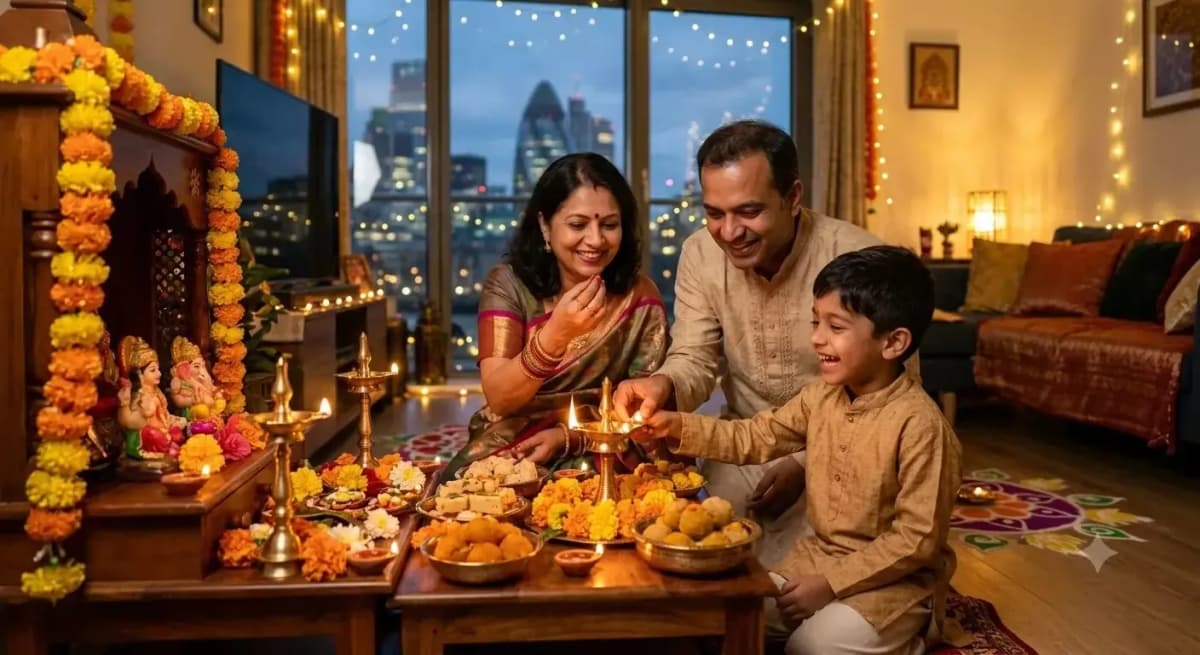
Sarva Pitru Amavasya 2026: Date, Vidhi and Significance
Saturday 10 October 2026 is Sarva Pitru (Mahalaya) Amavasya, the closing day of Pitru Paksha when tarpan is offered to all ancestors — including those whose tithi is unknown or was missed.
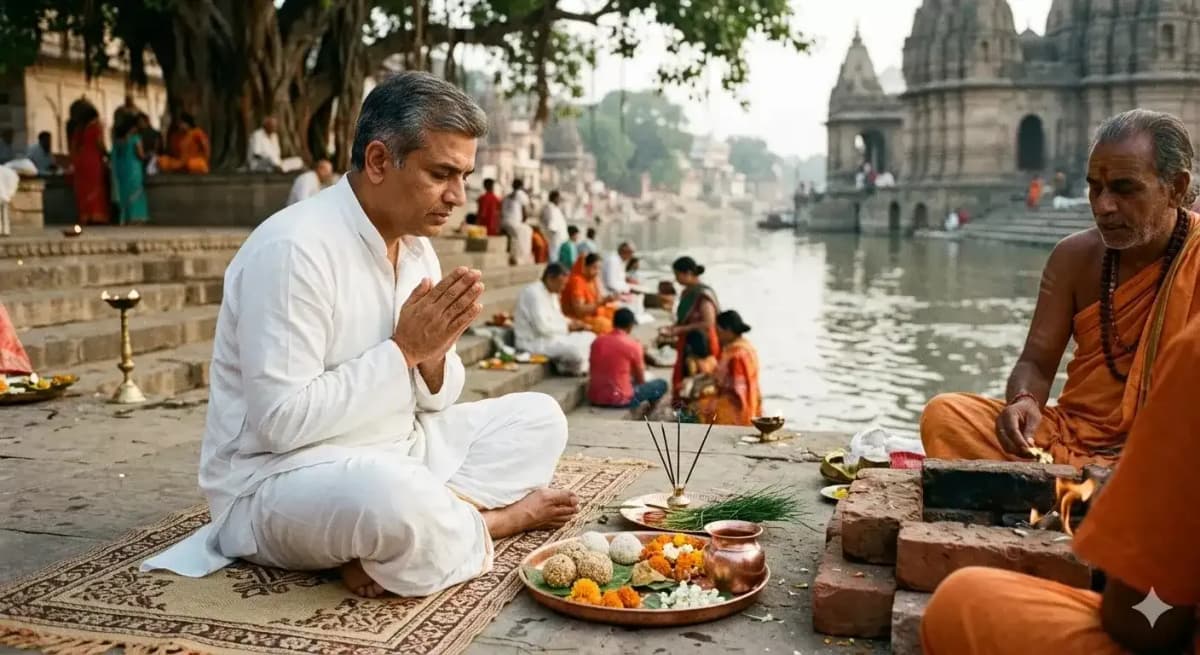
Saturday 10 October 2026 is Sarva Pitru (Mahalaya) Amavasya, the closing day of Pitru Paksha when tarpan is offered to all ancestors — including those whose tithi is unknown or was missed.
Quick answer: Sarva Pitru Amavasya 2026 falls on Saturday, 10 October. It is the final and most significant day of Pitru Paksha, when families may offer tarpan and shraddha to all ancestors together — including anyone whose death tithi is unknown, or whose rites could not be observed on the exact day earlier in the fortnight.
Sarva Pitru Amavasya — also called Mahalaya Amavasya — is the closing day of Pitru Paksha, the fortnight in which Hindu families remember and honour their forebears. In 2026 it falls on Saturday, 10 October. Of all the days in this period, it carries a special reassurance: it is the day on which every ancestor of a family may be remembered together, in one act of devotion.
Pitru Paksha runs from around 26/27 September to 10 October 2026. Many families keep the shraddha of a departed person on the lunar tithi that matches their passing. But life does not always allow this. Some do not know the exact tithi. Some could not observe the earlier day because of travel, work, distance or grief. For all of these situations, this final Amavasya is understood as the day that gathers everyone in — which is why it is called Sarva Pitru, meaning 'all the ancestors'.
- Festival: Sarva Pitru (Mahalaya) Amavasya
- Date 2026: Saturday, 10 October 2026
- Falls on: Last day of Pitru Paksha
- Also known as: Mahalaya Amavasya
- Observed by: Families across India and abroad
- Note: Confirm the local Amavasya timing and shraddha muhurat from your regional panchang.
Because Amavasya (the new-moon tithi) begins and ends at different clock times in different places, the exact hours for tarpan can vary by city and by panchang. Treat 10 October as the day, and confirm the precise timing locally rather than relying on a single fixed clock time.
The meaning of Sarva Pitru Amavasya
In the devotional understanding of Pitru Paksha, the fortnight is a time set apart for remembrance and gratitude. Water offered with sesame (tarpan), a shraddha meal, and simple acts of charity are ways a family expresses love and thankfulness to those who came before. These are described in tradition as acts that bring peace and blessing; they are offered in a spirit of devotion, not fear.
Sarva Pitru Amavasya holds this whole fortnight together. On this one day the offering is not limited to a single named ancestor on a single tithi — it is made to all the departed of the family lineage at once: parents and grandparents, those known and those whose names have faded, and any relatives for whom no one else may remember. For this reason it is often felt to be the most inclusive and gentle day of the entire period.
Who may observe it, and how
Traditionally the shraddha rite is performed by a son, often the eldest, sometimes guided by a priest. In practice, families follow a wide range of customs. Where there is no male relative available, or the family lives far from any priest, many households simplify the observance and perform it themselves. Across many communities today, priests and families also accept daughters, wives and women performing tarpan and shraddha — a matter each family decides according to its own tradition and comfort. There is no single ruling that must bind everyone.
If you cannot travel to a holy river, do not know the tithi, have no priest nearby, or are the only one left to remember — this day is precisely for you. A sincere offering made simply at home is honoured in the tradition.
A simple way to observe at home
- Bathe and wear clean clothes; keep the space and your mind calm and unhurried.
- Face south (the direction associated with the ancestors) in a clean spot, ideally near midday, or as your panchang advises.
- Take water in your cupped hands with a little black sesame; remember your parents, grandparents and all the departed of your family with gratitude, and let the water fall as tarpan.
- Offer a simple vegetarian meal cooked with care. Many families set aside a portion for a cow, a crow or a dog, and a portion for a guest or a person in need.
- Give daan — food, grain, clothes or a donation — in memory of the ancestors, according to your means.
- Sit quietly for a few minutes in remembrance. A short prayer or a name spoken with love is enough; sincerity matters more than elaborate ritual.
What is offered
| Offering | Meaning in the tradition |
|---|---|
| Tarpan (water + sesame) | The core act — water offered with love and remembrance |
| Shraddha meal | A vegetarian meal cooked and offered with gratitude |
| Pinda (where the family follows it) | Rice or barley offering, often guided by a priest |
| Anna-daan / feeding others | Feeding a guest, the needy, or animals in the ancestors' name |
| Daan (charity) | Grain, clothes or donation given in remembrance |
Families vary in how much of this they do. A busy household may offer only tarpan and a shared meal; another may follow a fuller rite with a priest. Both are held to be valid. The tradition emphasises the intention behind the offering rather than its scale.
The Bengali Mahalaya tradition
In Bengal and among many Bengali families elsewhere, Mahalaya Amavasya carries a second, joyful meaning. In the pre-dawn hours, homes tune in to the recitation of the Mahishasura Mardini — verses and songs invoking the Goddess Durga. Mahalaya is felt as the moment the Goddess is invited to descend, and it marks the bridge from the remembrance of ancestors into the celebration of Durga Puja in the days that follow. Thus the same dawn holds both a farewell of gratitude and a welcome of the Divine Mother.
For families living abroad
Distance does not close the door on this day. If you cannot reach a river or a priest, you can keep the observance simply at home, at a time convenient to your own day, with tarpan, a shared meal and charity. Because the new-moon tithi shifts across time zones, NRIs often ask which calendar to keep to — our NRI and panchang guides below address this. What matters most is that the remembrance is made with love, on this day set aside for it.
Related reading
- Pitru Paksha 2026: full guide
- Pitru Paksha 2026 tithi calendar
- Pitru Paksha 2026 start date
- NRI guide to Pitru Paksha 2026
- Which panchang should NRIs follow?
Frequently Asked Questions
When is Sarva Pitru Amavasya in 2026?
Sarva Pitru Amavasya, also called Mahalaya Amavasya, falls on Saturday, 10 October 2026. It is the last day of Pitru Paksha. Confirm the exact Amavasya timing for your city from a local panchang.
Why is this day called Sarva Pitru?
'Sarva Pitru' means 'all the ancestors'. On this day a family may remember and offer tarpan to all its departed together, rather than only one named person on one tithi — which is why it is seen as inclusive and reassuring.
What if I do not know my ancestor's tithi?
This day is made for exactly that situation. If the death tithi is unknown, or the exact day was missed, tradition holds that a sincere offering on Sarva Pitru Amavasya remembers that ancestor along with all the others.
Can I observe it if I could not do the earlier days?
Yes. Sarva Pitru Amavasya is understood as the day that gathers in anyone who could not observe earlier because of travel, work, distance or grief. A simple offering at home is honoured.
Can a daughter or a woman perform the rites?
Across many communities today, priests and families accept daughters, wives and women offering tarpan and shraddha. Practice varies by family and region; each household decides according to its own tradition and comfort.
How can I observe it simply at home?
Bathe, keep a calm mind, offer tarpan with water and black sesame while remembering your ancestors, cook a vegetarian meal to share, feed a guest or animal, and give daan according to your means. Sincerity matters most.
What is the Bengali Mahalaya tradition?
In Bengal, Mahalaya Amavasya also marks the pre-dawn recitation of the Mahishasura Mardini invoking Goddess Durga. It is felt as the Goddess's descent and the bridge into the Durga Puja celebrations that follow.
Do I have to travel to a holy river?
No. While a river bank is traditional, families who cannot travel may keep the day simply at home. A tarpan offered with love, a shared meal and charity are honoured in the tradition, wherever you are.
You might also like

Rama Ekadashi 2026: Date, Vrat Katha, Puja Vidhi & Significance

Jagaddhatri Puja 2026: Dates, Chandannagar's Dazzling Lights & Significance

Champa Shashthi 2026: Date, Khandoba Worship & Jejuri's Golden Festival