Top 30 Ganesh Mandapams in Mumbai: A Devotional Guide
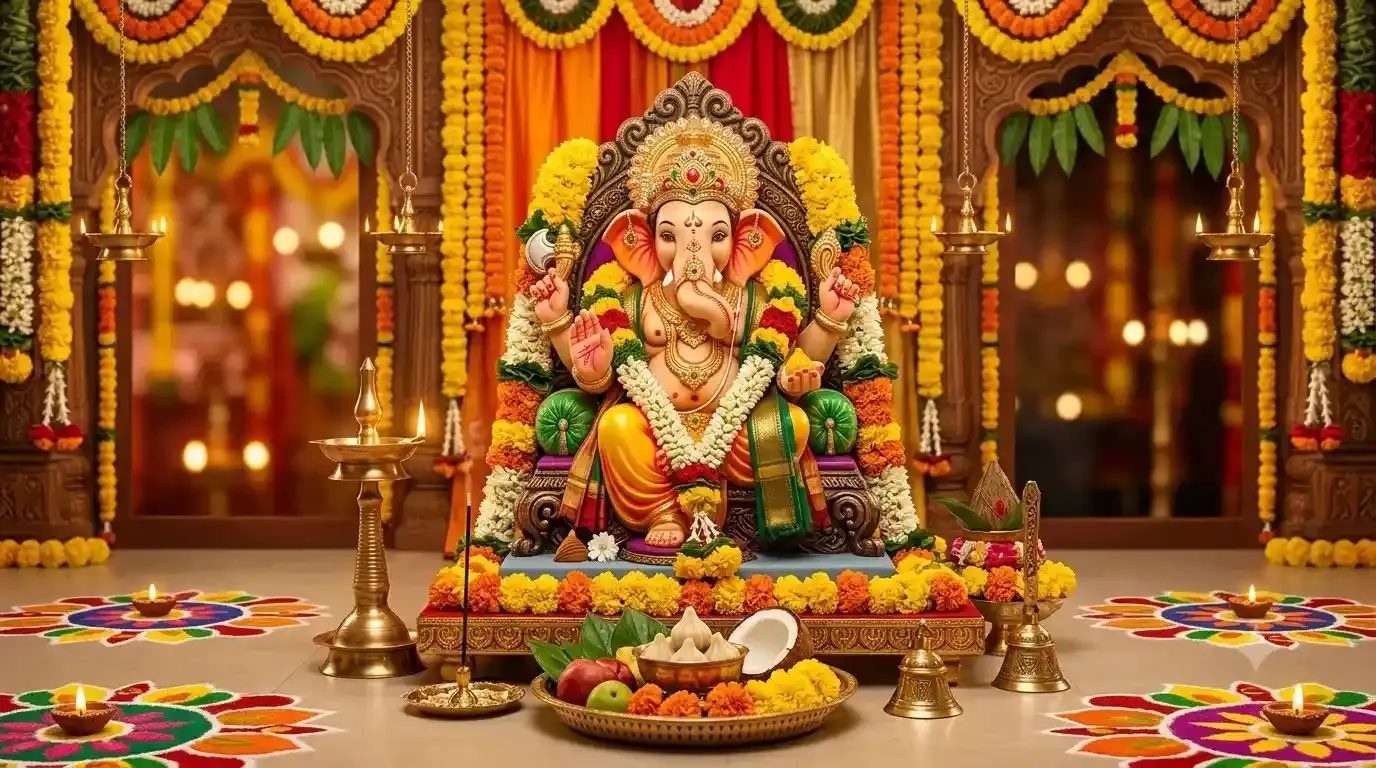
A heartfelt journey through 30 of Mumbai's most iconic Ganesh mandapams — from the wish-fulfilling Lalbaugcha Raja and the golden GSB Seva Mandal to the towering Khetwadicha Ganraj and the traditional Girgaoncha Raja.
A heartfelt journey through 30 of Mumbai's most iconic Ganesh mandapams — from the wish-fulfilling Lalbaugcha Raja and the golden GSB Seva Mandal to the towering Khetwadicha Ganraj and the traditional Girgaoncha Raja.
Quick answer: Mumbai's most iconic Ganesh mandapams include Lalbaugcha Raja (the wish-fulfilling Navasacha Ganpati, established 1934), Mumbaicha Raja at Ganesh Galli (1928), the golden GSB Seva Mandal at King's Circle, Andhericha Raja (1966), Chinchpoklicha Chintamani (c.1920), Khetwadicha Ganraj and the traditional Girgaoncha Raja — alongside historic Girgaon mandals like Keshavji Naik Chawl and thousands of neighbourhood, suburban and chawl mandals. Visit early morning or late night for shorter queues, follow volunteers' instructions, and support eco-friendly clay idols.
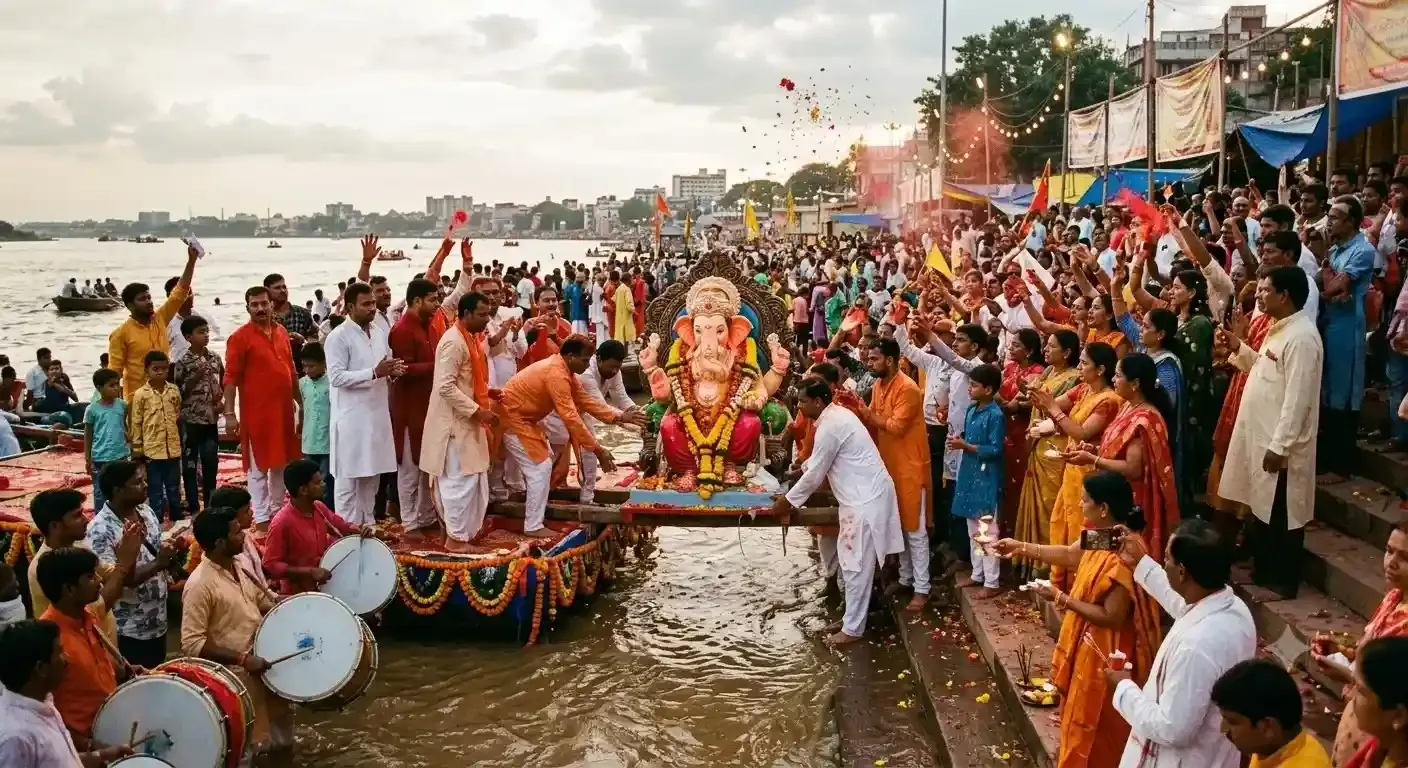
Ganpati Bappa Morya! Mangal Murti Morya! Every year, as the sacred month of Bhadrapada arrives, Mumbai transforms into a divine kingdom. The air fills with the rhythmic beats of dhol-tasha, the fragrance of incense and modaks, and the collective chant of Ganpati Bappa Morya. From the bustling lanes of Lalbaug to the serene corners of Girgaon and the vibrant suburbs of Andheri and Chembur, hundreds of Ganesh mandapams (pandals) come alive, welcoming Lord Ganesha, the remover of obstacles and the bestower of wisdom, into the hearts of millions.
Mumbai's Ganeshotsav is not merely a festival; it is a living tradition of faith, community, art, and devotion. What began as a public celebration inspired by Lokmanya Tilak in the late 19th century has grown into one of the most spectacular religious and cultural events in the world. In this sacred journey, we take you through 30 of the most beloved and iconic Ganesh Mandapams of Mumbai, each with its own unique story, divine energy, and place in the hearts of devotees.
1. Lalbaugcha Raja: The King of Wishes
The undisputed monarch of Mumbai's Ganeshotsav. Established in 1934 by the local fishermen and mill workers of Lalbaug, this mandal is known as Navasacha Ganpati, the one who fulfils the deepest wishes of devotees. Millions stand in queues stretching for kilometres, waiting hours or even days just for a few sacred seconds of darshan. The moment you lock eyes with Lalbaugcha Raja, every worry melts away. This is not just a pandal; it is an ocean of living faith.
2. Mumbaicha Raja (Ganesh Galli Cha Raja)
Just a few lanes away from Lalbaugcha Raja stands its equally majestic neighbour, established in 1928. Famous for its spectacular theme-based decorations that recreate famous temples and monuments of India, Mumbaicha Raja offers a perfect blend of devotion and artistic grandeur. The towering idol and creative pandal designs make every visit a visual and spiritual feast.
3. GSB Seva Mandal (King's Circle): The Golden Ganpati
Known as the richest Ganesh of Mumbai, this idol is adorned with kilograms of pure gold and silver ornaments. The Gowd Saraswat Brahmin community organises a deeply traditional celebration filled with Vedic chants, South Indian rituals, and a serene atmosphere. The five-day celebration here is marked by purity, discipline, and divine splendour.
4. Andhericha Raja (Azad Nagar)
The beloved king of the western suburbs. Founded in 1966 by working-class devotees, Andhericha Raja is known for its long immersion procession and consistent popularity. Celebrities and common devotees alike throng this pandal seeking blessings. Its extended celebration and heartfelt community spirit make it special.
5. Chinchpoklicha Chintamani
One of Mumbai's oldest mandals, dating back to around 1920, this Chintamani is believed to remove all worries (chinta). The majestic idol and peaceful yet powerful atmosphere draw devotees who seek mental peace and divine intervention in their troubles.
6. Khetwadicha Ganraj
Famous for some of the tallest Ganesh idols in Mumbai, sometimes reaching 30 to 40 feet in the past, this mandal in the 12th lane of Khetwadi is a visual spectacle. Innovative themes and towering presence make it a favourite among those who love grandeur combined with devotion.
7. Girgaoncha Raja
Linked to the freedom movement and traditional values, this historic mandal is known for its eco-friendly clay idol and simple yet deeply traditional celebrations. The Maharashtrian turban (pheta) on Bappa adds a unique local flavour.
8-15. The Historic and Neighbourhood Gems
Continuing the sacred trail, we honour several other deeply loved mandals that form the spiritual backbone of different localities:
- Keshavji Naik Chawl Sarvajanik Ganeshotsav Mandal (Girgaon): among the oldest, associated with Lokmanya Tilak's vision of public Ganeshotsav.
- Fortcha Raja and other South Mumbai traditional mandals.
- Parel and Lower Parel neighbourhood mandals that keep the mill-worker heritage alive.
- Sahyadri Krida Mandal (Chembur): known for creative Bollywood and architectural themes.
- Various Khetwadi lane mandals (Mumbaicha Maharaja, Khetwadicha Chintamani, Lambodar and others) that turn the entire area into a festive wonderland.
- Dongricha Raja and other South Mumbai classics.
16-25. Suburban Kings and Community Mandals
As Mumbai expanded, so did the celebration. The suburbs host some of the most vibrant and community-driven mandals:
- Multiple Andheri, Versova and Juhu area mandals that bring suburban devotees together.
- Chembur, Ghatkopar and Vikhroli popular mandals known for grand decorations and cultural programs.
- Bandra, Khar and Santacruz community Ganeshotsavs that blend tradition with modern Mumbai spirit.
- Thane-border and Navi Mumbai extended celebrations that attract huge local crowds.
- Labour and housing society mandals across the city that keep the festival accessible and intimate.
26-30. The Spirit of Every Lane
Beyond the famous names, the true beauty of Mumbai's Ganeshotsav lies in the thousands of smaller mandals in every chawl, housing society and gali. These include:
- Traditional family and chawl mandals that have celebrated for generations.
- Eco-friendly and youth-driven mandals focusing on environmental messages.
- Women's groups and cultural organisations that organise artistic and socially relevant themes.
- The countless unnamed yet deeply loved Bappa idols that light up every corner of the city.
The Deeper Meaning of Mumbai's Ganeshotsav
What makes Mumbai's Ganesh mandapams extraordinary is not just the size of the idols or the glitter of decorations. It is the living faith of ordinary people: the taxi driver who stands in queue for hours, the mill worker's family that has been coming for generations, the young student who offers his first salary, the celebrity who waits patiently alongside everyone else.
Each mandal tells a story of community, resilience and surrender. From the wish-fulfilling power of Lalbaugcha Raja to the golden purity of GSB Seva Mandal, from the towering presence of Khetwadicha Ganraj to the quiet traditional grace of Girgaoncha Raja, every Bappa listens, every Bappa blesses.
How to Experience the Magic
- Visit early morning or late night for relatively shorter queues at popular mandals.
- Respect the local arrangements and follow the instructions of volunteers.
- Offer your prayers with a pure heart: Bappa responds to sincerity more than grand offerings.
- Support eco-friendly initiatives and clay idols wherever possible.
- Carry the spirit of the festival home by keeping the values of humility, service and devotion alive throughout the year.
As the final aarti echoes and the visarjan processions wind through the streets with the cry of Ganpati Bappa Morya, Pudhchya Varshi Lavkar Ya, Mumbai once again bids a tearful yet hopeful farewell to its beloved guest. May the blessings of all these divine forms of Lord Ganesha remove every obstacle from your life, fill your home with prosperity, and keep the flame of devotion burning forever. Ganpati Bappa Morya! Mangal Murti Morya! Jai Shri Ganesha!
Frequently Asked Questions
Which is the most famous Ganesh mandapam in Mumbai?
Lalbaugcha Raja in Lalbaug is the most famous, established in 1934 and known as Navasacha Ganpati, the wish-fulfilling Ganesha. Millions of devotees queue for hours or even days for darshan every year.
What is GSB Seva Mandal known for?
The GSB Seva Mandal at King's Circle, organised by the Gowd Saraswat Brahmin community, is known as the richest Ganesh of Mumbai. The idol is adorned with kilograms of gold and silver, and the five-day celebration follows deeply traditional Vedic and South Indian rituals.
Which is the most popular Ganpati in the Mumbai suburbs?
Andhericha Raja at Azad Nagar, founded in 1966, is the most beloved mandal of the western suburbs, famous for its long immersion procession and its steady popularity with both celebrities and everyday devotees.
Which Mumbai mandal has the tallest Ganesh idols?
Khetwadicha Ganraj, in the 12th lane of Khetwadi, is famous for some of the tallest idols in Mumbai, which have reached 30 to 40 feet in the past, along with innovative themed decorations.
How can I avoid long queues at Mumbai's Ganesh pandals?
Visit early in the morning or late at night when queues at popular mandals like Lalbaugcha Raja are relatively shorter, follow the instructions of the volunteers, and plan your route to cover nearby pandals such as Lalbaug, Ganesh Galli and Chinchpokli together.
When did Mumbai's public Ganeshotsav begin?
Mumbai's public (sarvajanik) Ganeshotsav grew from the movement inspired by Lokmanya Tilak in the late 19th century. Historic mandals such as Keshavji Naik Chawl in Girgaon are associated with that early vision of a community celebration.
You might also like
Ganesh Chaturthi 2026 in Fahaheel: Mandapam Ideas, Where to Buy & Visarjan
Ganesh Chaturthi 2026 in Salmiya: Mandapam Ideas, Where to Buy & Visarjan
Ganesh Chaturthi 2026 in Doha: Mandapam Ideas, Where to Buy & Visarjan