

Why Are Crows Fed During Pitru Paksha? The Meaning Behind the Offering
During Pitru Paksha many families set aside a small portion of the shraddha food for a crow before eating. Here is the calm, warm story behind the offering, and what to do if no crow comes.
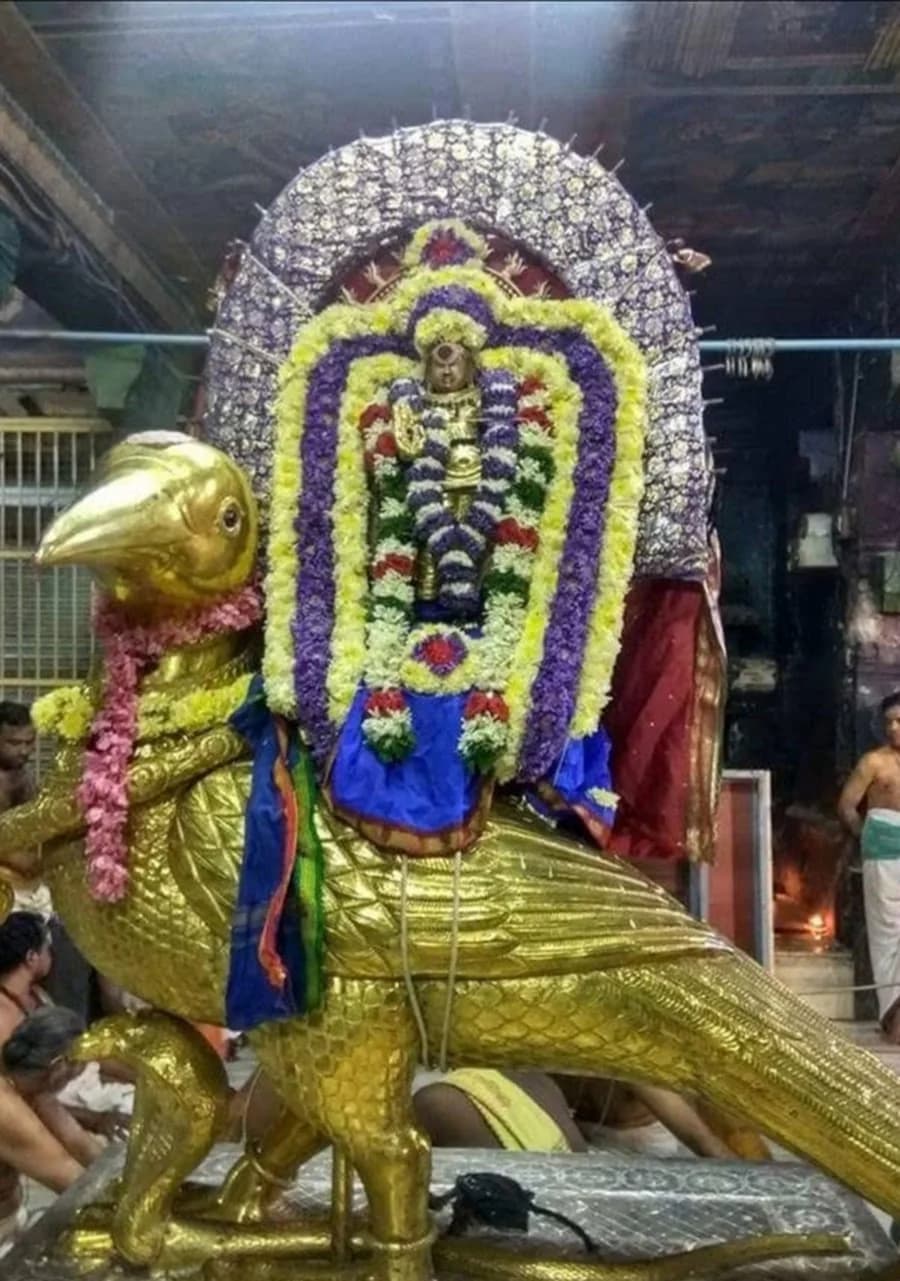
During Pitru Paksha many families set aside a small portion of the shraddha food for a crow before eating. Here is the calm, warm story behind the offering, and what to do if no crow comes.
Quick answer: During Pitru Paksha, a share of the cooked shraddha food is traditionally offered to a crow, believed to carry the offering to the ancestors. Cows, dogs, ants and guests are also fed. The gesture expresses gratitude and the idea that remembrance extends kindness to all beings.
Pitru Paksha is the fortnight when many Hindu families pause to remember their departed elders with simple food, water and gratitude. In 2026 it falls from around 26/27 September to Saturday 10 October, which is Sarva Pitru (Mahalaya) Amavasya. Among the gentle customs of these days, one quietly moves many people: before the family sits to eat the shraddha meal, a small share is set apart and offered to a crow.
This is not a grand ritual. It is a soft, almost tender gesture — a leaf or plate of cooked rice, curd, a little vegetable, placed on the ground or a wall, and an unspoken wish that those we have loved are remembered and content. Below we look calmly at why the crow, and why cows, dogs and ants too, are part of this offering, presented simply as tradition.
- Occasion: Pitru Paksha (Mahalaya Paksha)
- Dates 2026: approx 26/27 Sep to 10 Oct
- Final day: Sarva Pitru Amavasya, Sat 10 Oct 2026
- Offering: Share of shraddha food to a crow
- Also fed: Cow, dog, ant, and a guest
- Spirit of it: Remembrance and gratitude to all beings
The crow as a welcome guest
In many households the crow is treated during these days not as an ordinary bird but as a welcome visitor. There is a long-held belief that on the shraddha day the crow accepts, on behalf of the ancestors, the food lovingly prepared and offered. When a crow comes and eats the pinda or the portion of rice, families often feel a quiet reassurance that the offering has been received and the elders are at peace.
It is worth holding this gently, as belief rather than certainty. Different families and regions understand it in their own way. For some it is a literal messenger; for many it is a beautiful, symbolic gesture — a way of saying that love and remembrance do not end, and that even a passing bird deserves a share of what we have. Either understanding is honoured.
Why a crow, of all birds?
Several soft, traditional reasons are offered for the crow's place in this custom. None needs to be treated as fact; together they explain why generations have chosen this humble bird.
- Crows are almost always present near homes, so an offering rarely goes unaccepted for long.
- In old stories the crow is associated with ancestors and with carrying messages between worlds.
- The crow shares food readily and calls others to eat, which is seen as generous and fitting.
- Feeding a common, unglamorous creature reflects humility — kindness given without expecting beauty or reward in return.
Not only the crow: the wider offering
The crow is the best known recipient, but classical practice sets aside portions for several beings before the family eats. This is sometimes called the pancha-bali or five offerings, and it captures the real heart of shraddha: that a day of remembrance should widen, not narrow, our circle of care.
| Recipient | What it expresses |
|---|---|
| Crow | Offering received on behalf of the ancestors |
| Cow | Reverence for a nurturing, sacred animal |
| Dog | Kindness to a faithful, humble companion |
| Ant / small creatures | Care for the smallest lives around us |
| Guest / the hungry | Hospitality and feeding another human being |
Seen this way, the meal offered to the crow is one thread in a larger cloth. Remembering our own departed becomes an occasion to be generous to cows, dogs, ants, birds and any hungry person at the door. The gratitude we feel for those who raised us is allowed to overflow onto all beings.
How the offering is usually made
Practices vary widely by family and region, and there is no single correct way. The following is a simple, common pattern you may adapt to your own tradition; where local custom differs, follow your elders and your pandit.
- After the shraddha food is cooked, set aside a small clean portion before anyone eats.
- Place it on a leaf, plate or clean spot outdoors — a wall, terrace edge or open ground.
- Offer it with a calm mind, remembering your elders with gratitude.
- Allow crows, cows, dogs or ants to come to it naturally; do not force or chase.
- If a crow eats, receive it as a gentle blessing; if none comes, that is completely fine.
- Afterwards the family shares its own meal, and often feeds a guest or someone in need.
What if no crow comes?
Please do not worry if no crow arrives, and do not read anything fearful into it. Crows may simply be elsewhere, the weather may keep them away, or you may live where they are scarce. The tradition itself makes room for this: the food is left out with a loving heart, and that intention is what matters. Many families quietly place it, wait a while, and then offer the portion to a cow, a dog, or a person who is hungry.
The custom was never meant to become a source of anxiety. Its purpose is remembrance and generosity, and both are fulfilled the moment you set food aside with love. No missed crow undoes a day spent in gratitude for your elders.
For families far from home and unsure of custom
Those living abroad, in flats, or in cities where crows are rare can still honour the spirit of this offering. You might feed local birds or animals, share a meal with a guest, or give food to someone in need on the shraddha day. If you are unsure of the exact tithi or cannot travel, Sarva Pitru Amavasya on 10 October 2026 lets you remember all ancestors together on a single day, and a simple offering at home is entirely valid.
Confirm your day and any local timings with a trusted panchang or your family pandit, since these vary by location and tradition. Whatever your circumstances, the crow-feeding custom reminds us of something simple and warm: that to remember those we have lost is also to be kind to the living world around us.
Related reading
- Pitru Paksha 2026 pillar guide
- Pitru Paksha 2026 tithi calendar
- Sarva Pitru Amavasya 2026
- Pitru Paksha NRI guide 2026
- Can a daughter perform shraddha?
- Bhadrapada Masam 2026
Frequently Asked Questions
Why is a crow fed during Pitru Paksha?
A share of the cooked shraddha food is offered to a crow because tradition holds that the crow accepts the food on behalf of the ancestors. It is understood by many as a symbolic, loving gesture of remembrance and gratitude, presented as belief rather than certainty.
Does the food really reach the ancestors through the crow?
This is a matter of belief, and families understand it in different ways. Some see the crow as a literal messenger; many treat it as a beautiful symbol that love and remembrance continue. Both understandings are honoured, and neither needs to be treated as fact.
What happens if no crow comes to eat?
Nothing to worry about. Crows may simply be elsewhere or scarce in your area. The food is left with a loving heart, and that intention is what matters. Many families then offer the portion to a cow, dog, or a hungry person instead.
Are only crows fed, or other animals too?
Traditional practice sets aside portions for several beings — commonly a crow, cow, dog, ants or small creatures, and a guest or hungry person. This wider offering reflects the real spirit of shraddha: extending gratitude and kindness to all beings.
I live abroad where crows are rare. What can I do?
You can honour the spirit by feeding local birds or animals, sharing a meal with a guest, or giving food to someone in need on the shraddha day. The loving intention behind the offering matters more than the specific bird.
I do not know my ancestor's exact tithi. When should I offer?
If you do not know the tithi, Sarva Pitru Amavasya on 10 October 2026 lets you remember all ancestors together on one day. A simple food offering at home on that day is entirely valid; confirm timings with a local panchang.
When should the crow be offered the food?
Usually the portion is set aside from the cooked shraddha meal before the family eats, and placed outdoors afterwards. Exact timings vary by region and tradition, so confirm the appropriate day and time locally with your panchang or family pandit.
Is feeding the crow compulsory?
It is a cherished custom, not a rigid rule, and there is no single correct way. If a crow does not come or the custom is impractical where you live, the remembrance and generosity of the day are still fully honoured through other kind offerings.
You might also like

Bathukamma Flowers: Meaning, Symbolism & the Wisdom Behind Each Bloom
Navratri 2026: 9 Days, Colors, Goddess Names, Puja & Significance
Navratri 2026 USA: Dates, Garba, Dandiya, Durga Puja & NRI Celebration Guide
