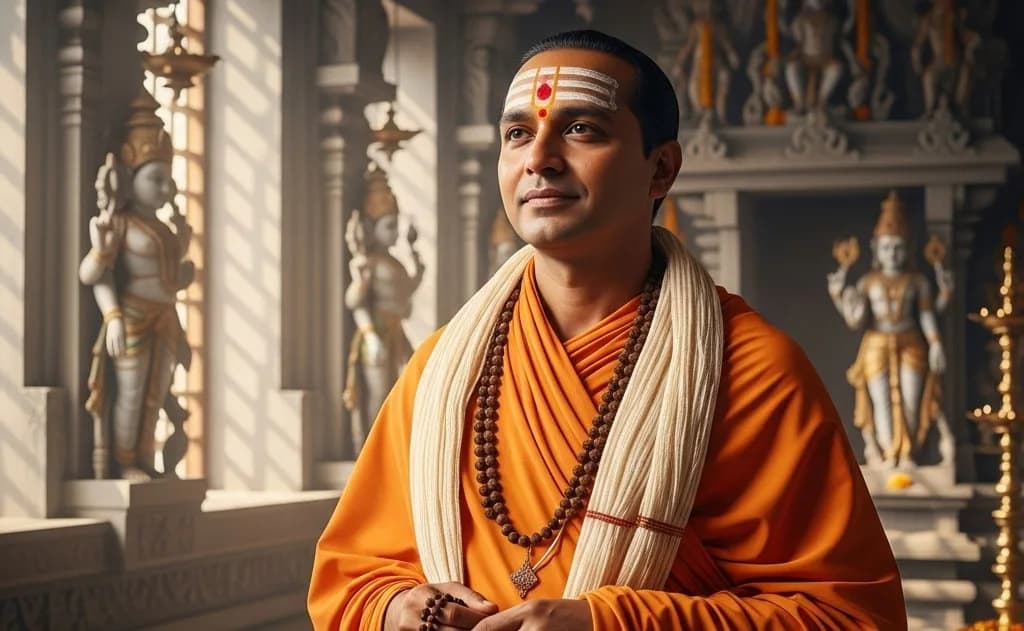
Is "Yoga Class" in the West Cultural Appropriation? A Hindu Perspective
Meta Description: Exploring yoga cultural appropriation from a Hindu lens: understanding the original meaning of yoga, its philosophical roots in Hinduism, and…

Meta Description: Exploring yoga cultural appropriation from a Hindu lens: understanding the original meaning of yoga, its philosophical roots in Hinduism, and…
Meta Description: Exploring yoga cultural appropriation from a Hindu lens: understanding the original meaning of yoga, its philosophical roots in Hinduism, and how the diaspora navigates modern practice.
The yoga studio down the street offers hot yoga at 6 AM, goat yoga on weekends, and beer yoga on Friday nights. For many Westerners, yoga means exercise, stress relief, and Instagram-worthy poses. But for Hindus whose ancestors developed this 5,000-year-old tradition, the question persists: has yoga been culturally appropriated, or is its global spread something to celebrate?
Understanding Yoga Cultural Appropriation: What's Really at Stake?
The debate around yoga cultural appropriation isn't about gatekeeping wellness. It's about recognizing origins, honoring depth, and distinguishing between cultural appreciation and commodification.
Cultural appropriation occurs when elements of a marginalized culture are adopted by the dominant culture without proper understanding, credit, or respect—often for profit. Cultural appreciation, by contrast, involves genuine engagement with a tradition, acknowledging its roots, and honoring its original context.
When yoga is stripped of its Hindu philosophical foundations and repackaged as merely physical fitness, many Hindus feel a sacred practice has been reduced to a product.
The Original Meaning of Yoga: Beyond the Mat
To understand the appropriation debate, we must first understand what yoga actually is.
Yoga's Hindu Roots Run Deep
The word "yoga" comes from the Sanskrit root yuj, meaning "to yoke" or "to unite"—specifically, the union of individual consciousness with universal consciousness (Brahman). This isn't metaphor; it's the literal goal articulated in ancient Hindu texts.
Yoga appears in the Rigveda (one of humanity's oldest texts, dating to approximately 1500 BCE) and is comprehensively outlined in Patanjali's Yoga Sutras (circa 400 CE), which describe the eight-limbed path (Ashtanga) toward spiritual liberation (moksha).
The Eight Limbs: Asana Is Just One Step
Modern Western yoga focuses almost exclusively on asana (physical postures), which is actually just the third limb of eight:
- Yama (ethical restraints): Non-violence, truthfulness, non-stealing, continence, non-possessiveness
- Niyama (personal observances): Purity, contentment, discipline, self-study, surrender to the divine
- Asana (postures): Physical poses to prepare the body for meditation
- Pranayama (breath control): Regulating life force energy
- Pratyahara (sensory withdrawal): Turning awareness inward
- Dharana (concentration): Focused attention
- Dhyana (meditation): Sustained contemplation
- Samadhi (absorption): Union with the divine
The physical postures were never meant to be an end in themselves, but preparation for deeper spiritual work. Asana literally means "seat"—it was about sitting comfortably for meditation.
Hinduism and Yoga: An Inseparable Connection
Yoga is woven into the fabric of Hindu philosophy, mythology, and daily practice:
- Lord Shiva is honored as Adiyogi, the first yogi, who transmitted yoga knowledge
- The Bhagavad Gita dedicates entire chapters to karma yoga (yoga of action), bhakti yoga (yoga of devotion), and jnana yoga (yoga of knowledge)
- Yoga philosophy is rooted in Hindu concepts like karma (action and consequence), dharma (righteous duty), maya (illusion), and moksha (liberation)
Attempting to secularize yoga by removing these elements isn't making it universal—it's erasing its origins.
How Diaspora Hindus Feel: Voices from the Community
The Hindu diaspora holds diverse perspectives on yoga's Western evolution, but common themes emerge:
The Pain of Erasure
Many Hindus describe the painful irony of growing up mocked for practices their families held sacred—eating vegetarian food, doing pranayama, or marking their foreheads—only to watch those same practices become trendy when divorced from their Hindu identity.
"My grandmother did sun salutations and chanted mantras her whole life," shares Priya Sharma, a second-generation Hindu American. "But when I tried to explain yoga's spiritual purpose in my teacher training, I was told to 'keep religion out of it.' That's erasure."
The Commercialization Concern
The global yoga industry is worth over $80 billion, yet Hindu communities who preserved these practices for millennia see little acknowledgment or benefit. Meanwhile, Western yoga brands profit from Sanskrit terms, Hindu imagery, and appropriated practices while actively excluding Hindu voices from the conversation about yoga's meaning and future.
The Appreciation vs. Appropriation Line
Not all Hindus view Western yoga practice as appropriation. Many appreciate yoga's global reach and its positive impact on millions. The distinction often comes down to these questions:
Signs of appreciation:
- Acknowledging yoga's Hindu origins
- Learning about the philosophy beyond asana
- Respecting sacred elements (not commercializing Om or deities)
- Creating space for Hindu voices in yoga conversations
- Supporting Hindu teachers and communities
Signs of appropriation:
- Claiming yoga is "not religious" or "just exercise"
- Using Hindu symbols (Om, deities, Ganesh) as decoration without understanding
- Profiting from yoga while excluding or dismissing Hindus
- Cherry-picking practices while rejecting or mocking Hindu culture
- Renaming or rebranding yoga to distance it from Hindu roots
Moving Forward: Practicing Yoga with Cultural Respect
For non-Hindu yoga practitioners who want to honor this tradition:
Educate yourself about yoga's philosophical foundations. Read the Yoga Sutras, learn basic Sanskrit, understand the eight limbs.
Credit the source. Acknowledge that yoga comes from Hinduism. This isn't controversial—it's historically accurate.
Respect sacred elements. Om is not a trendy sound; it represents the cosmic vibration of existence. Hindu deities aren't aesthetic decorations. If you use these elements, understand their significance.
Support Hindu voices. Seek out Hindu yoga teachers, read Hindu perspectives on yoga philosophy, and make space for diverse voices in yoga spaces.
Go deeper than asana. If you practice physical postures, consider exploring pranayama, meditation, or yoga philosophy. Honor the completeness of the tradition.
Call out genuine appropriation. When you see yoga stripped of all meaning or Hindu symbols used disrespectfully, speak up.
The Broader Context: Hinduism and Western Perception
The yoga appropriation debate doesn't exist in isolation. It reflects broader patterns of how Hinduism is treated in Western contexts:
- Hindu practices are often commodified while Hindus face discrimination
- Hindu philosophy is extracted and secularized without credit
- Hindu festivals and symbols are used decoratively without understanding
- Hindu communities are excluded from conversations about their own traditions
Understanding yoga cultural appropriation means understanding these larger dynamics of power, representation, and respect.
Conclusion: Yoga Can Bridge Cultures—If We Do It Right
Yoga's global spread could be a beautiful example of cultural sharing that benefits all. But cultural exchange requires mutuality, respect, and acknowledgment.
Practicing yoga without understanding its Hindu roots doesn't honor the tradition—it diminishes it. True appreciation means engaging with the depth, complexity, and sacred origins of practices we adopt.
For those who practice yoga: you're engaging with a gift from Hindu civilization. Receive it with the respect, curiosity, and gratitude it deserves. Learn its history. Credit its origins. Honor its depth.
That's not gatekeeping. That's basic human respect for the cultures that enrich our lives.
About HinduTone: HinduTone provides thoughtful perspectives on Hinduism, culture, and contemporary issues affecting Hindu communities worldwide. Follow us for nuanced discussions that honor tradition while engaging with modern questions.
Related Articles:
- The Philosophy Behind Om: More Than a Yoga Class Sound
- Hindu Festivals in Western Spaces: Celebration or Appropriation?
- Diaspora Voices: Growing Up Hindu in the West
Keywords: yoga cultural appropriation, original meaning of yoga, Hinduism and yoga, yoga philosophy, cultural appreciation vs appropriation, Hindu perspective on yoga, eight limbs of yoga, Patanjali Yoga Sutras, diaspora Hindu voices, yoga commodification
Frequently Asked Questions
What is Is "Yoga Class" in the West Cultural Appropriation??
Meta Description: Exploring yoga cultural appropriation from a Hindu lens: understanding the original meaning of yoga, its philosophical roots in Hinduism, and how the diaspora navigates modern practice. The yoga studio down the street offers hot yoga at 6 AM, goat yoga on weekends, and beer yoga on Friday nights.
What are the key points about Is "Yoga Class" in the West Cultural Appropriation??
For many Westerners, yoga means exercise, stress relief, and Instagram-worthy poses. But for Hindus whose ancestors developed this 5,000-year-old tradition, the question persists: has yoga been culturally appropriated, or is its global spread something to celebrate?
Why does Is "Yoga Class" in the West Cultural Appropriation? matter in Hinduism?
It reflects core values of Sanatana Dharma and offers practical and spiritual guidance that remains relevant across generations.
How can devotees apply Is "Yoga Class" in the West Cultural Appropriation? in daily life?
By reflecting on its teaching, incorporating the related practices or observances into daily routine, and approaching it with sincere devotion and understanding.
You might also like
Purushottam Maas 2026: Lord Vishnu's Sacred Gift of Spiritual Multiplication & Divine Grace
Hindu Priest Jobs New Zealand 2026 — Auckland, Wellington, Christchurch Vacancies & NZ Religious Worker Visa Guide
Hindu Priest Jobs Malaysia 2026 — Batu Caves, KL, Penang Vacancies & Tamil Hindu Career Guide