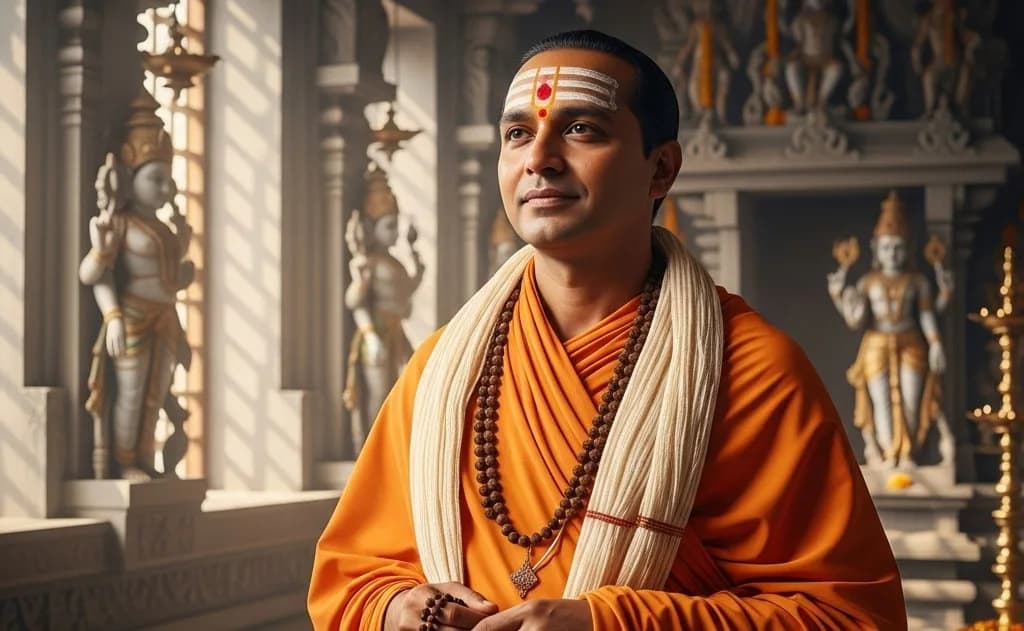
Manikarnika Ghat: The Burning Truth About Life and Liberation
The Eternal Flame of Kashi In the heart of Varanasi, where the sacred Ganges flows through the oldest living city on Earth, lies Manikarnika Ghat—a place where…
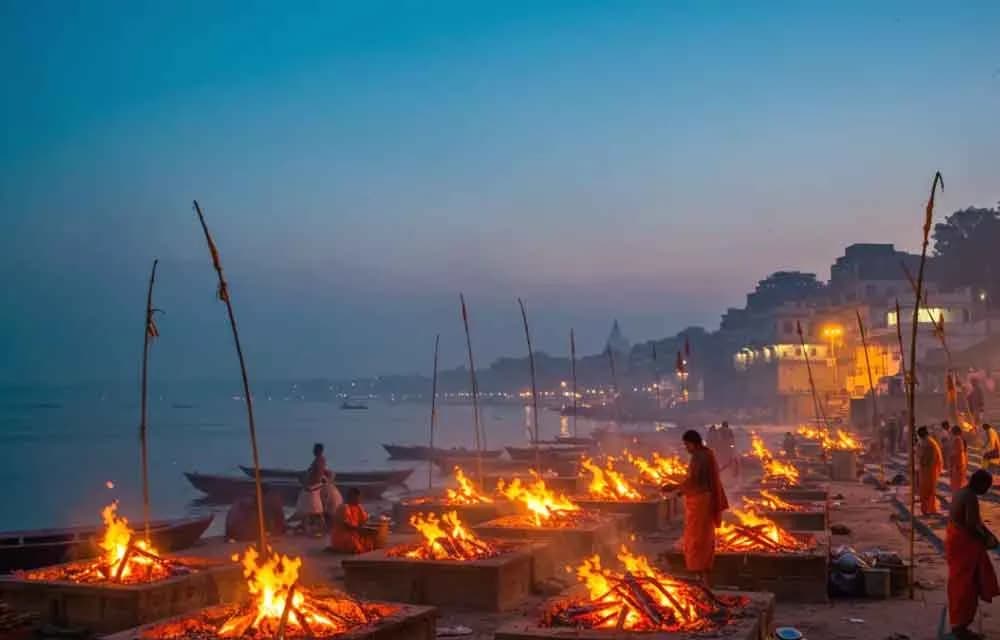
The Eternal Flame of Kashi In the heart of Varanasi, where the sacred Ganges flows through the oldest living city on Earth, lies Manikarnika Ghat—a place where…
The Eternal Flame of Kashi
In the heart of Varanasi, where the sacred Ganges flows through the oldest living city on Earth, lies Manikarnika Ghat—a place where fire has burned continuously for over 3,000 years. This isn't merely a cremation ground; it's considered the most auspicious place to die in Hindu tradition, where souls are believed to attain instant moksha (liberation) from the cycle of birth and death.
The Sacred Origin: When Shiva's Earring Fell
The name "Manikarnika" combines two Sanskrit words: mani (jewel) and karnika (earring). According to ancient legend, when Lord Shiva and Goddess Parvati first visited Kashi, Parvati's earring fell into a pool at this very spot. As Shiva dug to retrieve it, he created a kund (sacred well) that still exists today—the Manikarnika Kund—believed to be filled with the nectar of immortality.
Another powerful legend states that Lord Shiva himself whispers the Taraka Mantra ("Ram Nam Satya Hai") into the ears of the dying at this ghat, ensuring their liberation regardless of their karma. This belief has made Manikarnika Ghat the most sought-after cremation ground in all of India.
The Fire That Never Dies
What makes Manikarnika Ghat truly extraordinary is its eternal flame—the Akhanda Agni. This sacred fire, tended by the Dom Raja family for generations, has reportedly never been extinguished. The Dom community, who serve as custodians of the cremation rituals, maintain this fire as their sacred duty, passing burning logs from one pyre to another, ensuring the flame's continuity through centuries.
Every day, approximately 200-300 bodies are cremated here, with the flames burning 24 hours a day, 365 days a year. The smoke rises perpetually into the Varanasi sky, creating an atmosphere that's simultaneously somber and spiritually charged.
The Spiritual Significance: Understanding Death in Kashi
Moksha: Liberation from the Cycle
In Hindu philosophy, death at Manikarnika Ghat represents the ultimate spiritual achievement. The belief is rooted in the understanding that Kashi (Varanasi) never fell when Shiva performed the cosmic dance of destruction (Pralaya). Instead, it remained balanced on his trident, making it a bridge between the mortal and immortal realms.
When a body is cremated at Manikarnika Ghat, several spiritual processes are believed to occur:
The Five Elements Return: The human body, composed of earth, water, fire, air, and ether, dissolves back into these elements. Fire purifies the physical form while the Ganges sanctifies the remains.
Karma Dissolution: Unlike other cremation grounds, death in Kashi is said to burn away accumulated karmas that would otherwise necessitate rebirth.
Direct Liberation: The soul doesn't have to wander or wait for judgment; it achieves immediate mukti (freedom) from samsara (the cycle of reincarnation).
The Philosophy of Impermanence: What the Burning Teaches
Manikarnika Ghat serves as a profound meditation on Anitya—the Buddhist and Hindu concept of impermanence. The continuous cremations offer several spiritual insights:
The Great Equalizer
At Manikarnika, all distinctions dissolve. Rich and poor, Brahmin and outcaste, saint and sinner—all burn on the same sacred ground with the same holy fire. The elaborate social structures that define life become meaningless in death. This radical equality teaches that material achievements and social status are temporary illusions.
The Witness to Countless Generations
For thousands of years, millions of souls have passed through these flames. Empires have risen and fallen, dynasties have come and gone, yet the fire at Manikarnika burns on. This continuity reminds us that while individual lives are fleeting, the cosmic cycle continues eternally.
Detachment from the Physical Body
Watching cremations—as pilgrims often do at Manikarnika—confronts observers with the reality that our attachment to the physical form is ultimately futile. The body we spend a lifetime nurturing, protecting, and identifying with returns to ash within hours.
Living in the Present
The presence of death creates an urgency to live meaningfully. Pilgrims who visit Manikarnika often report a shift in perspective—petty concerns fade when confronted with mortality's stark reality.
The Sacred Rituals: How Death is Honored
The Journey to the Pyre
When someone dies in Varanasi or their family brings them there, a specific ritual process unfolds:
- The Body's Arrival: Carried on a bamboo stretcher, the body is brought to the ghat chanting "Ram Nam Satya Hai" (The name of Ram is truth)—a phrase that encapsulates the Hindu understanding that only divine truth is eternal.
- Immersion in the Ganges: Before cremation, the body is briefly dipped in the sacred river, a final purification before the soul's release.
- The Pyre Construction: Wood is carefully stacked—traditionally, specific woods like sandalwood are used for their sacred properties and efficient burning.
- The Ritual Circumambulation: The chief mourner, typically the eldest son, walks around the pyre carrying fire, symbolizing the sun's path and the cycle of time.
- Kapal Kriya: The skull is traditionally cracked to release the soul, based on the belief that the soul exits through the crown chakra.
- Ashes to the Ganges: The remains are collected and immersed in the holy river, completing the body's return to the elements.
The Role of the Dom Raja
The Dom community holds unique spiritual authority at Manikarnika. Despite their low caste status in traditional Hindu society, they are essential to the sacred cremation process. The Dom Raja (king of the Doms) family has maintained the eternal flame for countless generations, and no cremation can begin without fire from their source. This creates a fascinating paradox where the socially marginalized hold the keys to spiritual liberation.
The Wisdom of the Aghori Sadhus
Manikarnika Ghat is also home to Aghori ascetics—extreme renunciants who meditate among the cremation grounds. These mystics choose to live at the boundary between life and death, using the constant reminder of mortality as a tool for spiritual awakening. They practice Shava Sadhana (corpse meditation), sitting on cremation platforms to conquer fear and attachment, embodying the philosophy that death is not the opposite of life but an intrinsic part of it.
Modern Challenges and Sacred Continuity
Despite modernization, Manikarnika Ghat faces challenges:
- Environmental Concerns: The constant burning creates pollution, and wood scarcity has led to the introduction of electric crematoriums nearby—though traditional pyres remain preferred for spiritual reasons.
- Tourism vs. Sanctity: The ghat attracts photographers and tourists, sometimes creating tension between observers and grieving families.
- Economic Pressures: The cost of wood and ritual services can be prohibitive for poor families, though charitable organizations help provide free cremations.
Yet through all these challenges, the essential character of Manikarnika remains unchanged. The flames continue, the mantras echo, and souls are believed to find their liberation.
What Manikarnika Teaches the Living
The burning truth of Manikarnika Ghat isn't just about death—it's a teaching about how to live:
Impermanence is Certain: Everything that has form will dissolve. Accepting this truth frees us from excessive attachment and fear.
Time is Precious: The constant reminder of mortality encourages us to live with purpose and meaning rather than postponing what matters.
Essence Over Appearance: When the physical burns away, what remains? This question directs seekers toward cultivating their eternal nature—consciousness, love, wisdom—rather than temporary acquisitions.
Unity in Diversity: The flame that burns all bodies equally reveals the fundamental oneness beneath apparent differences.
Liberation is Available: The promise of moksha at Manikarnika suggests that spiritual freedom isn't reserved for a select few but is the birthright of every soul.
Visiting Manikarnika Ghat: A Pilgrim's Guide
For those visiting Varanasi, Manikarnika Ghat offers a profound, if confronting, experience:
- Respect the Sanctity: This is an active cremation ground. Photography is generally prohibited and considered disrespectful. Observe quietly if you visit.
- Go with a Guide: Understanding the rituals and philosophy enriches the experience. Local guides can explain the significance while ensuring respectful behavior.
- Best Time: Early morning or evening offers a powerful atmosphere. The dawn puja (worship) ceremonies combined with the smoking pyres create an unforgettable spiritual ambiance.
- Emotional Preparation: Witnessing cremations can be intense. Approach with reverence and an open heart rather than morbid curiosity.
The Eternal Message
Manikarnika Ghat stands as a testament to one of Hinduism's most profound insights: that death, properly understood, is not an enemy to be feared but a teacher to be heeded and ultimately, a gateway to liberation. The eternal flames don't just consume bodies—they illuminate the path to spiritual awakening for those willing to contemplate their message.
In a world that increasingly hides death away in hospitals and funeral homes, Manikarnika's openness about mortality offers a counter-cultural wisdom. It suggests that acknowledging our impermanence doesn't lead to despair but to a more authentic, meaningful, and spiritually-engaged life.
The fires of Manikarnika have burned through countless ages, witnessing the passage of millions of souls. They will continue burning long after we're gone, a reminder that while individual existence is temporary, the sacred dance of creation and dissolution—the cosmic rhythm of Shiva's tandava—continues eternally.
Ram Nam Satya Hai—The name of Ram is truth. Everything else, even our precious individual existence, is but a fleeting shadow in the eternal flame.
For more insights into Hindu sacred sites and spiritual practices, explore www.hindutone.com
Frequently Asked Questions
What is Manikarnika Ghat?
The Eternal Flame of Kashi In the heart of Varanasi, where the sacred Ganges flows through the oldest living city on Earth, lies Manikarnika Ghat —a place where fire has burned continuously for over 3,000 years. This isn't merely a cremation ground; it's considered the most auspicious place to die in Hindu tradition, where souls are believed to attain instan
What are the key points about Manikarnika Ghat?
The Sacred Origin: When Shiva 's Earring Fell The name "Manikarnika" combines two Sanskrit words: mani (jewel) and karnika (earring). According to ancient legend, when Lord Shiva and Goddess Parvati first visited Kashi, Parvati's earring fell into a pool at this very spot.
Why does Manikarnika Ghat matter in Hinduism?
It reflects core values of Sanatana Dharma and offers practical and spiritual guidance that remains relevant across generations.
How can devotees apply Manikarnika Ghat in daily life?
By reflecting on its teaching, incorporating the related practices or observances into daily routine, and approaching it with sincere devotion and understanding.
You might also like
Purushottam Maas 2026: Lord Vishnu's Sacred Gift of Spiritual Multiplication & Divine Grace
Hindu Priest Jobs New Zealand 2026 — Auckland, Wellington, Christchurch Vacancies & NZ Religious Worker Visa Guide
Hindu Priest Jobs Malaysia 2026 — Batu Caves, KL, Penang Vacancies & Tamil Hindu Career Guide