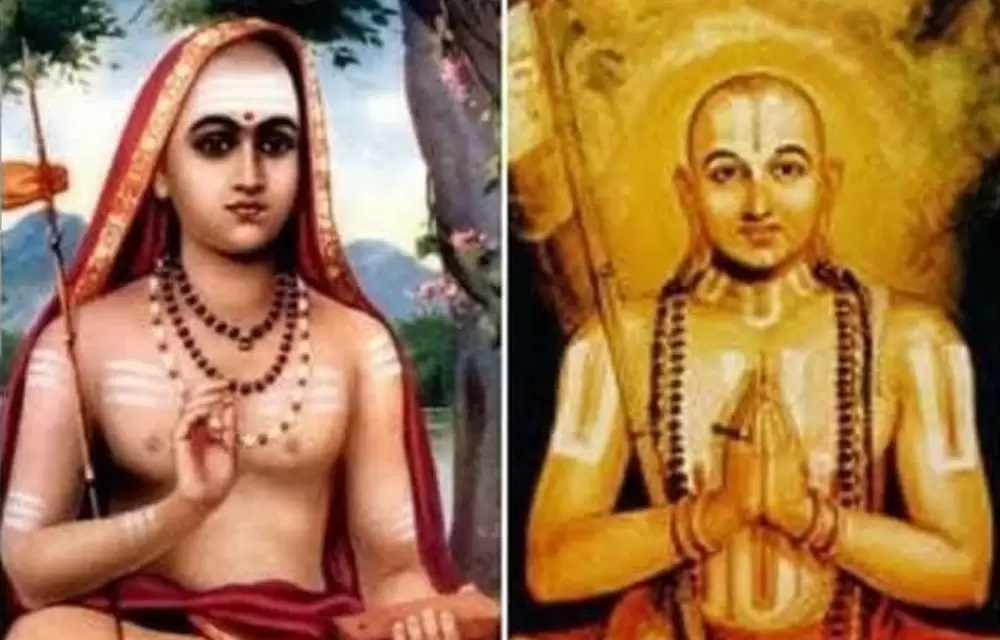
Why Hinduism is the Oldest Religion in the World
Introduction The question of which religion holds the title of "oldest in the world" has fascinated historians, theologians, and scholars for centuries.
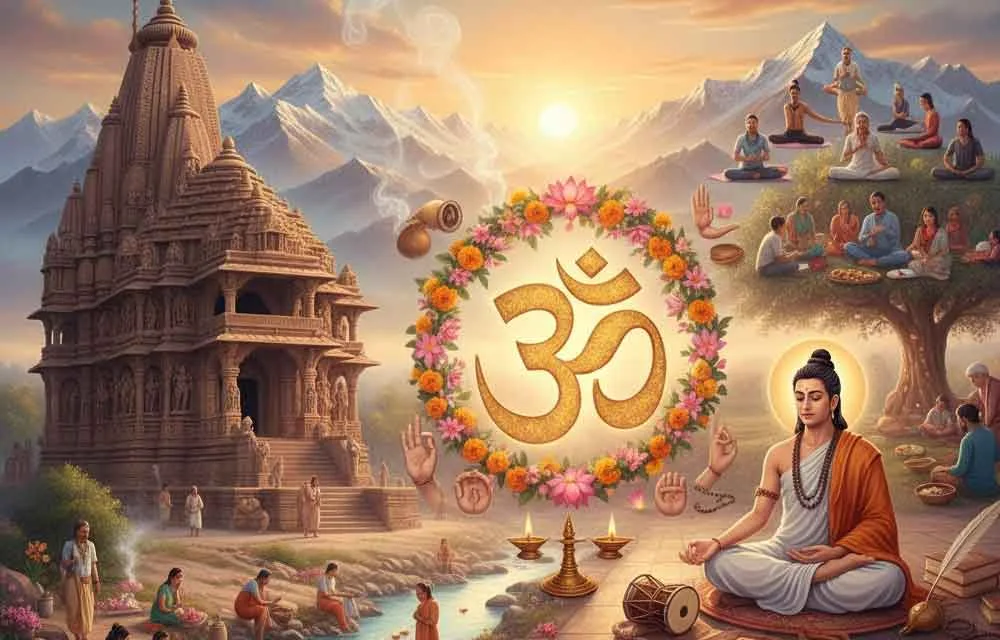
Introduction The question of which religion holds the title of "oldest in the world" has fascinated historians, theologians, and scholars for centuries.
Introduction
The question of which religion holds the title of "oldest in the world" has fascinated historians, theologians, and scholars for centuries. While several ancient belief systems claim deep historical roots, Hinduism stands out as potentially the world's oldest surviving religion, with origins stretching back over 4,000 years and possibly beyond.
Unlike religions with specific founders or documented starting points, Hinduism evolved organically over millennia in the Indian subcontinent, making it both ancient and uniquely continuous in practice.
Understanding Hinduism's Ancient Origins
The Indus Valley Civilization Connection
Archaeological evidence suggests that the foundations of Hindu religious practice may date back to the Indus Valley Civilization (3300-1300 BCE). Excavations at sites like Mohenjo-Daro and Harappa have revealed:
- Seals depicting figures in yogic meditation poses
- Proto-Shiva imagery suggesting early forms of deity worship
- Evidence of ritual bathing areas, pointing to purification practices
- Symbols that would later become integral to Hindu iconography
While direct connections remain debated among scholars, these findings indicate sophisticated religious practices existed in the region thousands of years before the Common Era.
The Vedic Period: Foundation of Hindu Scripture
The Vedic period (1500-500 BCE) marks the documented beginning of Hindu religious texts. The Rigveda, the oldest of the four Vedas, contains hymns and mantras that are still recited today, making it:
- One of the oldest religious texts in continuous use
- A bridge connecting modern Hinduism to ancient spiritual traditions
- A repository of philosophical concepts that shaped Indian civilization
The remarkable aspect of these texts is not just their age, but their unbroken transmission through oral tradition across countless generations before being written down.
What Makes Hinduism the Oldest Religion?
1. Lack of a Single Founder
Unlike Buddhism (founded by Siddhartha Gautama), Christianity (centered on Jesus Christ), or Islam (established by Prophet Muhammad), Hinduism has no single founder or prophet. Instead, it represents an accumulation of spiritual wisdom, practices, and traditions developed over thousands of years by countless sages, philosophers, and communities.
This organic evolution distinguishes Hinduism from "founded" religions and connects it to humanity's earliest spiritual impulses.
2. Continuous Practice Through Millennia
While ancient religions like Egyptian, Greek, and Roman polytheism have disappeared, Hinduism has maintained an unbroken chain of:
- Temple worship and rituals
- Philosophical inquiry and debate
- Festival celebrations
- Scriptural study and recitation
- Guru-disciple traditions
This living continuity makes Hinduism not just historically old but actively ancient—a religion where practices from thousands of years ago remain vibrant today.
3. The Concept of Sanatana Dharma
Hindus themselves refer to their tradition as Sanatana Dharma, meaning "eternal order" or "eternal way." This self-description reflects the Hindu understanding that their spiritual tradition:
- Has no beginning or end
- Represents universal, timeless principles
- Transcends historical boundaries
- Adapts while maintaining core philosophical truths
Comparing Hinduism's Age to Other Major Religions
To put Hinduism's antiquity in perspective:
- Judaism: Traces to approximately 2000 BCE with Abraham, though its monotheistic form crystallized later
- Zoroastrianism: Founded around 1500-1000 BCE by Zarathustra
- Buddhism: Founded around 500 BCE by Siddhartha Gautama
- Christianity: Began in the 1st century CE
- Islam: Founded in 610 CE by Prophet Muhammad
While Judaism and Zoroastrianism are also extremely ancient, Hinduism's roots potentially predate them, and its complex philosophical systems were already well-developed when these other traditions emerged.
Key Features That Define Hinduism's Ancient Legacy
Diverse Philosophical Schools
Hinduism encompasses six orthodox philosophical systems (Darshanas) that developed over centuries:
- Nyaya (logic)
- Vaisheshika (atomism)
- Samkhya (enumeration)
- Yoga (discipline)
- Mimamsa (ritual inquiry)
- Vedanta (end of the Vedas)
This intellectual diversity reflects millennia of philosophical refinement.
Sacred Texts Spanning Ages
The Hindu scriptural canon includes texts from different epochs:
- Vedas (1500-500 BCE): The foundational revelation
- Upanishads (800-200 BCE): Philosophical treatises
- Epics (400 BCE-400 CE): Ramayana and Mahabharata
- Puranas (300-1500 CE): Mythological narratives
- Tantras and Agamas: Ritual and temple worship texts
This layered literature demonstrates continuous spiritual creativity across thousands of years.
Adaptability and Evolution
Rather than remaining static, Hinduism has demonstrated remarkable ability to:
- Absorb new ideas while retaining ancient practices
- Accommodate diverse regional traditions
- Generate reform movements that reinterpret tradition
- Respond to philosophical challenges from Buddhism, Jainism, and other systems
This dynamism has ensured its survival when other ancient religions vanished.
Archaeological and Linguistic Evidence
Sanskrit: An Ancient Sacred Language
Sanskrit, the language of Hindu scriptures, belongs to the Indo-European language family and represents one of the oldest documented languages. The continuity of Sanskrit study and use in religious contexts provides a direct link to ancient times.
Temple Architecture and Iconography
Hindu temples across India preserve architectural styles, sculptural traditions, and iconographic conventions that stretch back over two millennia, with some practices traceable to even earlier periods through literary descriptions.
The Global Influence of Hinduism
Despite being primarily associated with the Indian subcontinent, Hindu concepts have influenced:
- Buddhism, Jainism, and Sikhism, which emerged from Hindu cultural contexts
- Western philosophy through thinkers like Schopenhauer and Emerson
- Modern yoga and meditation practices worldwide
- Contemporary discussions on consciousness, karma, and reincarnation
Challenges in Determining "The Oldest Religion"
It's important to acknowledge that claiming any religion as definitively "oldest" involves complexities:
- Definition issues: What constitutes a "religion" versus spiritual practices or animism?
- Evidence limitations: Much of ancient religious life left no written record
- Continuity questions: Are modern practices truly connected to ancient ones?
- Multiple candidates: Indigenous spiritual traditions worldwide may claim equal or greater antiquity
However, Hinduism's combination of documented textual tradition, archaeological evidence, continuous practice, and philosophical sophistication makes a compelling case for its status as the world's oldest major organized religion.
Conclusion
Hinduism's claim as the oldest religion in the world rests on multiple foundations: archaeological evidence from the Indus Valley Civilization, the ancient Vedic texts that remain in use today, the absence of a single founding moment, and most importantly, its unbroken practice across millennia.
As Sanatana Dharma—the eternal way—Hinduism represents not just historical antiquity but a living bridge between humanity's earliest spiritual impulses and contemporary religious life. Whether examining its sophisticated philosophical systems, its rich mythological narratives, or its diverse devotional practices, Hinduism offers a window into religious traditions that have shaped human civilization for over four thousand years.
For those seeking to understand humanity's religious heritage, Hinduism provides an invaluable connection to our ancient spiritual past while remaining vibrantly alive in the present.
For more insights into Hindu philosophy, practices, and traditions, explore HinduTone.com—your comprehensive resource for understanding one of the world's most ancient and profound spiritual traditions.
Frequently Asked Questions
What is Why Hinduism is the Oldest Religion in the World?
Introduction The question of which religion holds the title of "oldest in the world" has fascinated historians, theologians, and scholars for centuries. While several ancient belief systems claim deep historical roots, Hinduism stands out as potentially the world's oldest surviving religion , with origins stretching back over 4,000 years and possibly beyond.
What are the key points about Why Hinduism is the Oldest Religion in the World?
Unlike religions with specific founders or documented starting points, Hinduism evolved organically over millennia in the Indian subcontinent, making it both ancient and uniquely continuous in practice. Understanding Hinduism's Ancient Origins The Indus Valley Civilization Connection Archaeological evidence suggests that the foundations o
Why does Why Hinduism is the Oldest Religion in the World matter in Hinduism?
It reflects core values of Sanatana Dharma and offers practical and spiritual guidance that remains relevant across generations.
How can devotees apply Why Hinduism is the Oldest Religion in the World in daily life?
By reflecting on its teaching, incorporating the related practices or observances into daily routine, and approaching it with sincere devotion and understanding.
You might also like
What Is True Poverty? | Dharma Is the Greatest Wealth | Sanatana Dharma
The Resolve of a Monk – A Divine Incident Showcasing Kanchi Paramacharya’s Compassion

ISKCON to Serve Pure Sattvik Mid-Day Meals to School Children in Bengal | Suvendu Adhikari Initiative