



Amavasya Shraddha vs Pitru Paksha – Ultimate Ancestor Ritual Guide

Amavasya Shraddha vs Pitru Paksha: Which Tithi Gives Maximum Punya? Garuda Purana’s Eternal Guidance for Ancestor Honor
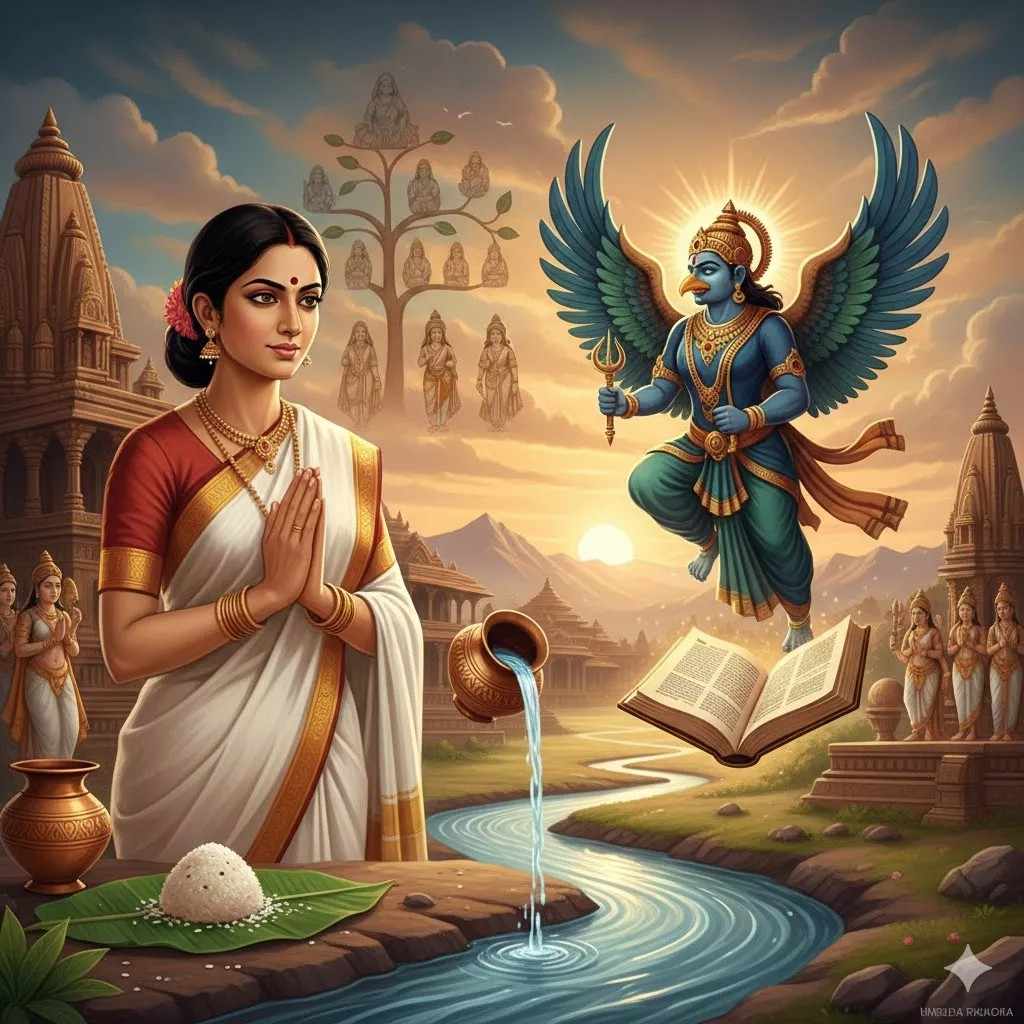
In the vast ocean of Hindu scriptures, the Garuda Purana stands as a profound guide to life, death, and the eternal bond between the living and the departed. This sacred text, particularly its Pretakhanda section, illuminates the path of Shraddha—the supreme offering to Pitris (ancestors)—and emphasizes the cosmic significance of Tithi (lunar day) in determining how effectively offerings reach the subtle realms. Among the most debated questions in ancestor worship is: Amavasya Shraddha vs Pitru Paksha Shraddha—which brings the maximum punya (spiritual merit)?
The answer lies in the Garuda Purana’s teachings: while general Amavasya Shraddha is highly auspicious for nourishing Pitris, the Sarvapitri Amavasya (the concluding Amavasya of Pitru Paksha) offers unparalleled punya. This day serves as a cosmic gateway where all ancestors—regardless of their death Tithi—descend to accept offerings, granting collective satisfaction and liberation. Performing Shraddha on Sarvapitri Amavasya can compensate for missed annual rites, mitigate Pitru Dosha, and bestow profound blessings like longevity, prosperity, progeny, and moksha for both ancestors and descendants.
This comprehensive guide explores the eternal wisdom of the Garuda Purana, comparing Amavasya and Pitru Paksha Shraddha, detailing rituals, benefits, and the spiritual science behind cosmic alignments. Whether you’re a devoted son fulfilling Pitru Rina (debt to ancestors) or seeking deeper understanding, this article draws from traditional interpretations to help you honor your Pitris with maximum efficacy.
Understanding Tithi and Cosmic Alignment in Garuda Purana
The Garuda Purana describes the universe as governed by lunar cycles, where each Tithi influences the receptivity of subtle beings. Amavasya (New Moon) marks the complete absence of the moon’s light, symbolizing the deepest darkness and the threshold between worlds. On this day, Pitris are believed to stand at the “threshold” of their descendants’ homes, eagerly awaiting offerings (as per Pretakhanda references to airy beings receiving Shraddha).
Pitru Paksha (also called Mahalaya Paksha or Pretapaksha) is the dark fortnight (Krishna Paksha) of Bhadrapada/Ashvina month, typically spanning 15–16 lunar days from Pratipada to Amavasya. During this period, Pitris are said to descend to Earth, residing in the homes of their descendants to partake in Shraddha. The Garuda Purana explains that offerings in this Paksha please ancestors immensely, allowing them to bless families with health, wealth, and spiritual elevation.
The key distinction: General Amavasya occurs monthly, ideal for regular Tarpana and Shraddha. Pitru Paksha is an annual sacred window, culminating in Sarvapitri Amavasya—the most powerful Amavasya for ancestor rites.
Sarvapitri Amavasya: The Crown Jewel of Ancestor Worship
Sarvapitri Amavasya, often called Mahalaya Amavasya, is the final day of Pitru Paksha. The Garuda Purana and allied texts highlight its uniqueness: “With one single act on this day, all Pitamahas (forefathers) are satisfied” (paraphrased from traditional verses). This Tithi allows collective Shraddha for:
- Ancestors who died on unknown or forgotten Tithis.
- Those who passed on Purnima, Amavasya, or other unspecified days.
- All three generations of Pitris (father, grandfather, great-grandfather, and maternal lines).
Performing Shraddha here neutralizes severe Pitru Dosha, remedies missed annual rites, and amplifies punya exponentially. It is equivalent to rites performed at sacred tirthas like Gaya, where ancestors attain immediate liberation.
Amavasya Shraddha: Monthly Nourishment for Pitris
Every monthly Amavasya is auspicious for Tarpana (water libations) and simple Shraddha. The Garuda Purana (Pretakhanda) notes that ancestors experience intense hunger and thirst in their subtle journey, and Amavasya offerings provide lasting relief—nourishing them for extended periods. Benefits include:
- Peaceful transition for the departed.
- Expiation of sins.
- Protection from unrest for descendants.
However, monthly Amavasya is individual or family-specific, lacking the collective potency of Sarvapitri Amavasya.
Pitru Paksha Shraddha: Daily Opportunities for Merit
Pitru Paksha offers daily Shraddha on each Tithi of the dark fortnight. The Garuda Purana states that ancestors descend during this period, making offerings highly effective. Daily rites are vital for recent departed souls and general appeasement. Specific Tithis like Ashtaka, Chaturdashi, and Trayodashi carry special merits, but the entire Paksha builds toward the climax—Sarvapitri Amavasya.
Which Gives Maximum Punya: Direct Comparison from Garuda Purana Insights
| Aspect | General Amavasya Shraddha | Pitru Paksha Shraddha (Daily) | Sarvapitri Amavasya (Pitru Paksha’s End) |
|---|---|---|---|
| Frequency | Monthly | Annual (15–16 days) | Annual (one day) |
| Scope | Specific ancestors/family | Specific Tithi-based ancestors | All Pitris collectively |
| Cosmic Alignment | New Moon darkness; Pitris receptive | Dark fortnight; Pitris descend to Earth | Peak alignment; universal reception |
| Punya Level (per Garuda Purana) | High; nourishes for months | High; pleases ancestors during stay | Maximum; satisfies all in one act |
| Pitru Dosha Remedy | Good for regular maintenance | Excellent for appeasement | Supreme; compensates missed rites |
| Blessings | Longevity, health, prosperity | Family harmony, protection | Moksha path, generational liberation |
According to Garuda Purana interpretations, Sarvapitri Amavasya yields the maximum punya because it combines the potency of Amavasya with the sacred descent of Pitris during Pitru Paksha. One offering here can equal or surpass multiple daily rites, as all ancestors are satiated simultaneously. Neglecting it risks Pitru Dosha, while performing it invites divine grace.
Benefits of Timely Shraddha on These Tithis
The Garuda Purana promises immense rewards for sincere Shraddha:
- For Ancestors: Relief from preta suffering, nourishment in Pitru Loka, progression toward moksha.
- For Descendants: Long life, good health, wealth, progeny, valor, sovereignty, and freedom from obstacles.
- Spiritual Growth: Repays Pitru Rina, purifies karma, and aligns the family with dharma.
Pure offerings (vegetarian food, sesame, ghee) satisfy Pitris for a year; even simple Tarpana brings merit.
How to Perform Amavasya and Pitru Paksha Shraddha (Simplified Guide)
- Preparation: Consult Panchang for exact Tithi. Maintain purity—vegetarian diet, continence.
- Invite Brahmanas: Shrotriya (Veda-versed) as Pitri representatives.
- Setup: Seat facing north/east; invoke Pitris with mantras (e.g., “Ayantu nah Pitara”).
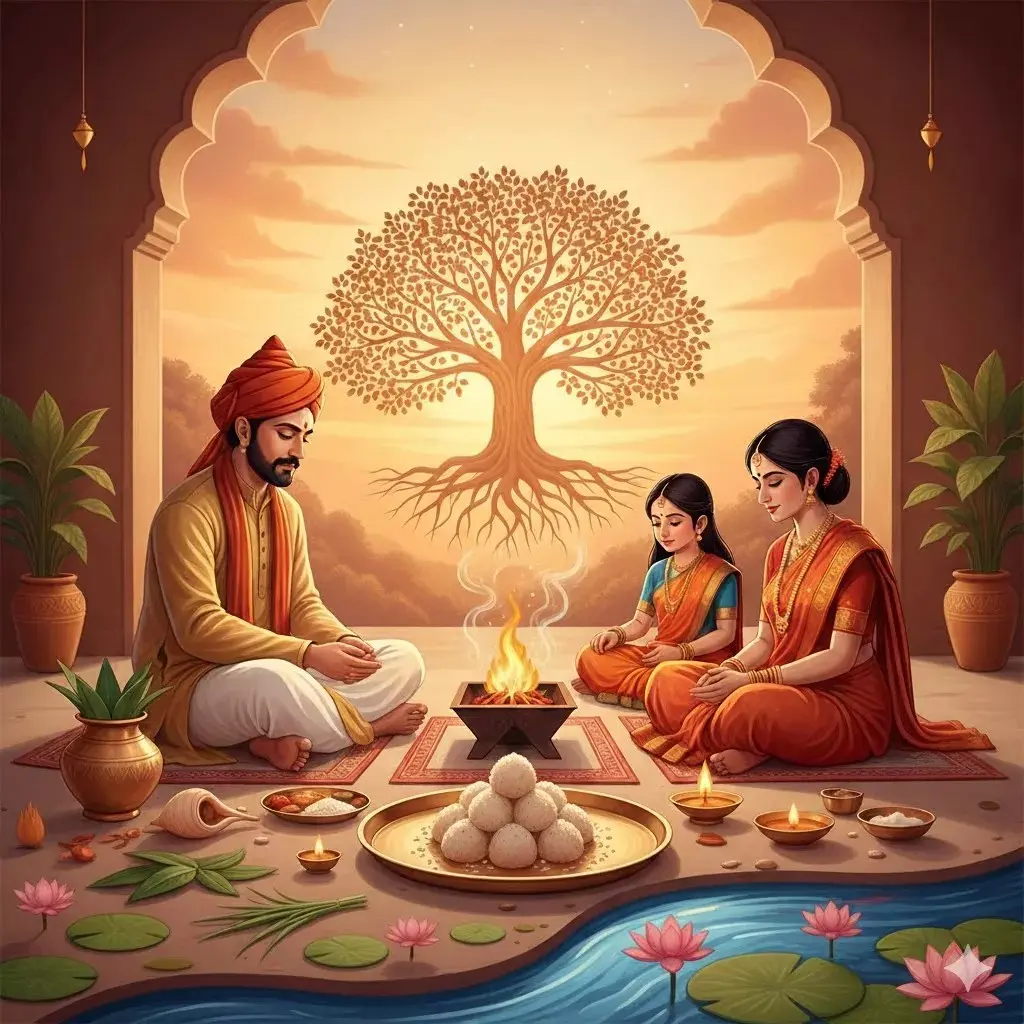
- Offerings: Tarpana (water + sesame), Pinda Daan (rice balls), homa if possible, food to Brahmanas, dakshina.
- Special for Sarvapitri Amavasya: Collective invocation for all Pitris; feed crows (Yama’s messengers), cows, and the needy.
- Conclusion: Svadha utterances, blessings, and residue sharing.
For home performance, focus on devotion. At tirthas, merits multiply.
Legends and Stories from Scriptures
The Garuda Purana narrates how Shraddha rescues souls from naraka (hell). One story describes a departed soul wandering as preta until descendants offer pindas, enabling its ascent. Another highlights Gaya Shraddha’s power, where ancestors attain heaven instantly.
Common Mistakes to Avoid
- Performing on inauspicious yogas within Amavasya.
- Neglecting purity or devotion.
- Missing Sarvapitri Amavasya for unknown Tithis.
- Non-vegetarian food during rites.
FAQs on Amavasya vs Pitru Paksha Shraddha
Q: Can I perform Shraddha only on Sarvapitri Amavasya? A: Yes, especially if Tithi is unknown—it covers all.
Q: Is general Amavasya enough? A: Good for monthly maintenance, but Pitru Paksha’s Amavasya is superior.
Q: What if I miss Pitru Paksha? A: Sarvapitri Amavasya compensates; otherwise, annual Tithi Shraddha.
Q: How does this align with Garuda Purana? A: The text stresses Amavasya offerings and dark fortnight rites for Pitri satisfaction.
Final Thoughts: Fulfilling the Eternal Bond
The Garuda Purana teaches that ancestor honor is not mere ritual—it’s cosmic dharma. While Amavasya Shraddha nourishes regularly, Pitru Paksha—especially Sarvapitri Amavasya—unlocks maximum punya through divine alignment. By performing these rites with faith, you repay Pitru Rina, bring peace to departed souls, and invite prosperity for generations.
For accurate 2026 dates, personalized guidance, or Pandit services in Hyderabad, visit hindutone.com or consult local experts. Honor your Pitris—your blessings await.
This guide is based on traditional interpretations of the Garuda Purana and related Hindu scriptures for spiritual upliftment. Word count: approx. 2150.





 ︎
︎

