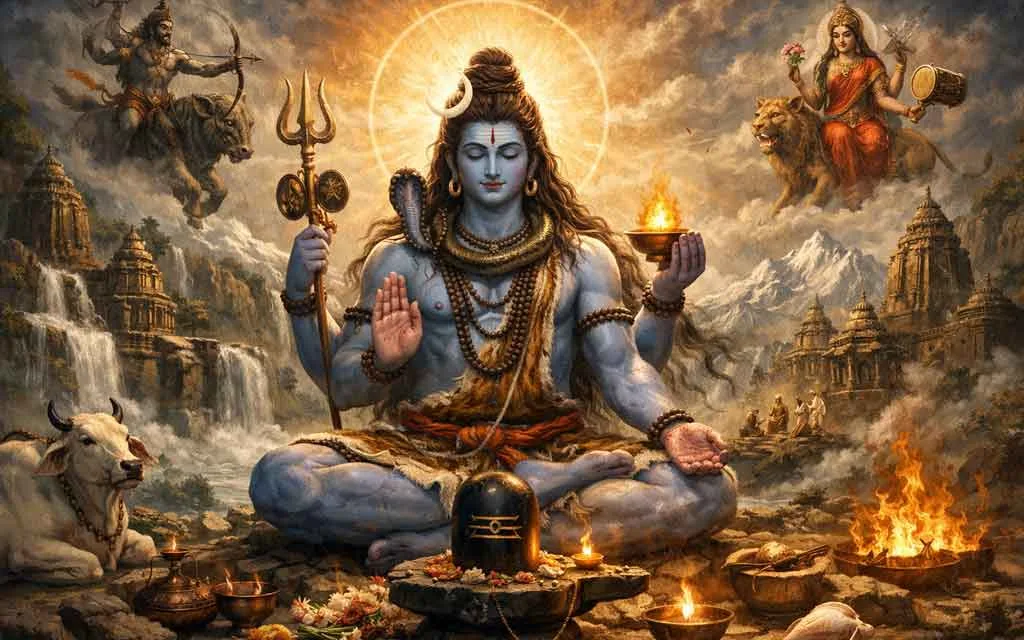
Kings who helped to promote Hindu culture and temples
Chandragupta Maurya (321-297 BCE) Contribution to Hinduism: Chandragupta Maurya, the founder of the Maurya Empire, unified large parts of India, which helped…

- Chandragupta Maurya (321-297 BCE)
Contribution to Hinduism: Chandragupta Maurya, the founder of the Maurya Empire, unified large parts of India, which helped in the spread and consolidation of Vedic practices and Hindu traditions. Though his grandson, Ashoka, converted to Buddhism, Chandragupta himself remained a Hindu until later in life when he renounced his throne to become a Jain monk. Temple and Religious Support: During his reign, Chandragupta respected and supported various religions, including Hinduism, creating a socio-political environment conducive to the growth of Hindu rituals, sacrifices, and Vedic learning.
- Samudragupta (335-380 CE)
Golden Age of Hinduism: Samudragupta of the Gupta Empire was instrumental in establishing what is often referred to as the "Golden Age of Hinduism." The Guptas revived and expanded Hindu traditions, including the revival of Sanskrit literature and the Puranas. Ashvamedha Yajnas: He is famous for performing the Ashvamedha Yajna, a horse sacrifice that reinforced his sovereignty and authority as a divine ruler. These sacrifices were a part of Hindu tradition, showing his dedication to Vedic rituals. Cultural Patronage: Under the Guptas, Hindu art, philosophy, and temple construction flourished. Samudragupta patronized religious scholars and contributed to the spread of Hindu values.
- Raja Raja Chola I (985-1014 CE)
Brihadeeswarar Temple: The Brihadeeswarar Temple in Thanjavur, built by Raja Raja Chola, is one of the largest and most spectacular temples in India. Dedicated to Lord Shiva, the temple represents the height of Dravidian architecture with its massive gopurams (towers) and intricate sculptures. Promotion of Shaivism: Raja Raja Chola was a great devotee of Lord Shiva and actively promoted Shaivism, a sect of Hinduism that worships Shiva as the Supreme God. He supported temple rituals, festivals, and the maintenance of religious institutions across his empire. Temple Administration: He created an efficient system to manage temple administration, including endowments to ensure the regular worship of deities, which played a key role in the continuation of Hindu temple traditions.
- Krishnadevaraya (1509-1529 CE)
Vijayanagara Empire's Patronage: Krishnadevaraya was one of the most famous rulers of the Vijayanagara Empire. He is remembered for fostering Hinduism, especially Vaishnavism (worship of Vishnu). The empire under his rule became a sanctuary for Hindu culture during a period of Islamic expansion. Famous Temples: Krishnadevaraya built and expanded many Hindu temples, the most notable being the Vittala Temple and Virupaksha Temple in Hampi, which are UNESCO World Heritage sites today. Religious Writings: Krishnadevaraya himself was a scholar and wrote texts like the Amuktamalyada, which gives insights into his devotion to Lord Vishnu.
- Harsha (606-647 CE)
Religious Tolerance: Harshavardhana of the Vardhana dynasty was a strong supporter of Hinduism while also promoting Buddhism. He played a key role in maintaining religious harmony during his reign. Temple Construction: Though Harsha is more famous for supporting Buddhist monasteries, he also built several Hindu temples and patronized Hindu scholars and religious leaders. Cultural Contributions: His reign saw the flourishing of Hindu arts and literature, especially in Sanskrit, which played a key role in promoting Hinduism and its practices.
- Rana Kumbha (1433-1468 CE)
Fort and Temple Builder: Rana Kumbha, the king of Mewar, is best known for constructing the Kumbhalgarh Fort, a massive structure that also contains many Hindu temples within its premises. He was a staunch follower of Hinduism and his reign is marked by religious tolerance and temple-building. Cultural Revival: His reign is known for the revival of Hindu traditions and temple architecture. Many temples in Rajasthan, especially dedicated to Lord Shiva and Vishnu, were built or renovated under his patronage.
- Shivaji Maharaj (1630-1680 CE)
Hindu Revival: Shivaji Maharaj, founder of the Maratha Empire, is revered for his role in reviving Hindu pride at a time when Mughal rule dominated India. He promoted Hindu customs, temples, and festivals, reinforcing the idea of Hindu self-rule. Temples Built or Restored: Shivaji rebuilt and restored several Hindu temples, particularly those dedicated to the goddess Bhavani, whom he considered his family deity. Cultural Legacy: By promoting the Hindu dharma (duty, moral law) and traditional practices, Shivaji ensured that Hindu religious life continued to flourish despite external pressures.
- Vikramaditya II (733-744 CE)
Chalukya Architecture: Vikramaditya II, a ruler of the Chalukya dynasty, is particularly remembered for his contributions to Hindu temple architecture. He commissioned the construction of many temples in Karnataka, including the magnificent Virupaksha Temple at Pattadakal, which is a UNESCO World Heritage site. Promotion of Shaivism and Vaishnavism: Under his reign, the Chalukya dynasty became a center for both Shaivism and Vaishnavism, as evident from the temples dedicated to Shiva and Vishnu. Encouragement of Art: His reign saw significant advancements in temple art and architecture, reflecting the rich religious life of the time.
- Rajendra Chola I (1014-1044 CE)
Chola Temple Expansion: Rajendra Chola I, the son of Raja Raja Chola, extended the legacy of his father by constructing several temples across his empire. His reign saw the height of Chola architectural achievements. Gangaikonda Cholapuram: He built the temple at Gangaikonda Cholapuram, which was similar to his father's Brihadeeswarar Temple and also dedicated to Lord Shiva. International Influence: Rajendra Chola’s empire extended beyond India into Southeast Asia, where he influenced the development of Hinduism and built temples, spreading Indian culture and religious practices far beyond the subcontinent.
- King Bhoja (1010-1055 CE)
Scholar-King: King Bhoja of the Paramara dynasty was not just a ruler but a scholar who contributed to Hindu philosophy, literature, and temple-building. He was deeply involved in promoting Hinduism through his works on religion, philosophy, and medicine. Bhojeshwar Temple: Bhoja began the construction of the Bhojeshwar Temple, an incomplete but grand temple dedicated to Lord Shiva, showcasing his dedication to Shaivism. Cultural Flourishing: King Bhoja's reign is remembered as a golden period of Hindu culture and scholarship, with notable works being produced in Sanskrit literature and temple architecture.
These kings played a pivotal role in shaping the religious landscape of India through temple construction, promoting Vedic and Puranic traditions, patronizing scholars and religious leaders, and fostering a cultural renaissance that helped Hinduism thrive for centuries. Their contributions are visible in the lasting temples and religious practices that continue to inspire millions of Hindus around the world.
Frequently Asked Questions
Where is Kings who helped to promote Hindu culture located?
Chandragupta Maurya (321-297 BCE) Contribution to Hinduism: Chandragupta Maurya, the founder of the Maurya Empire, unified large parts of India, which helped in the spread and consolidation of Vedic practices and Hindu traditions. Though his grandson, Ashoka, converted to Buddhism, Chandragupta himself remained a Hindu until later in life when he renounced h
Who is the presiding deity of Kings who helped to promote Hindu culture?
The temple's presiding deity and its significance are described in the guide above.
What are the timings and how do I reach Kings who helped to promote Hindu culture?
Temples typically open early morning and evening; confirm current darshan timings before visiting. The nearest airport, railway station and road routes are covered in the guide above.
What is the best time to visit Kings who helped to promote Hindu culture?
Major festival days and the cooler months are popular, though weekday mornings offer a calmer darshan. Plan around the temple's key festivals for the most vibrant experience.
Share this with family and friends
Send it on WhatsApp, post it, or copy the link.
More from Famous Hindus
- Hindu Spiritual Leaders and Temple Founders Abroad: The Swamis, Priests and Sabha Leaders Who Built the Diaspora
- Hindu Scientists, Astronauts and Business Leaders Abroad: 14 People Who Carried Their Faith Into Labs, Orbit and Boardrooms
- Sworn In on the Bhagavad Gita: 17 Leaders Outside India Who Took Their Oath on the Gita
- Famous Hindus Living Outside India in 2026: 42 Leaders, Scientists, Artists and Teachers Across the Diaspora
- Famous Hindus in Singapore, Malaysia, Bali and the UAE: Hindu Board Leaders, Kavadi-Carrying Ministers, a Balinese Governor and the Builders of Gulf Temples
You might also like
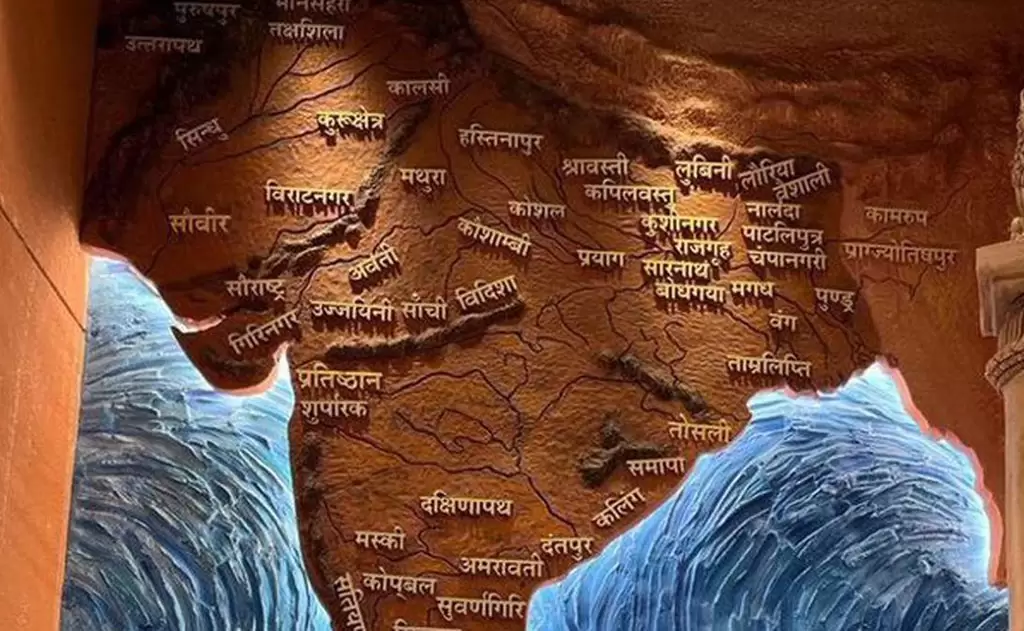
Hindu Kings Who Ruled Akhand Bharat: A Historical Overview
Ganapati Atharvashirsha: Full Sanskrit Text with IAST, Meaning and How to Recite
Lord Rama: The Ideal Man, King & Avatar — Complete Spiritual Biography