
Vinayaka Chavithi / Ganesh Chaturthi 2026: Complete Guide — Date, Muhurat, Rituals & Significance
Ganesh Chaturthi 2026 falls on Monday, 14 September. This complete HinduTone guide covers the date and puja muhurat, step-by-step rituals, the 21 patri and mantras, mythology, Khairatabad & grand pandals, eco-friendly celebration, Visarjan and how the diaspora celebrates.
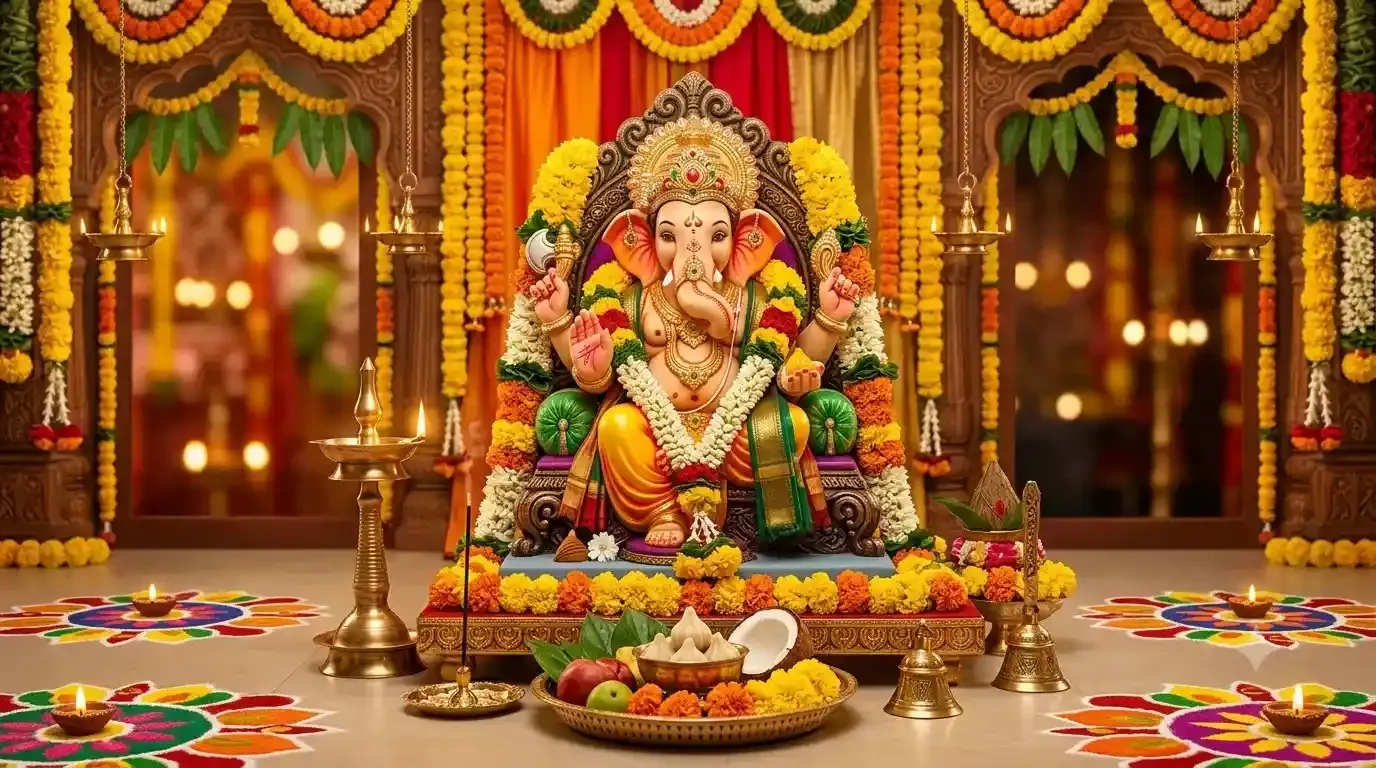
Ganesh Chaturthi 2026 falls on Monday, 14 September. This complete HinduTone guide covers the date and puja muhurat, step-by-step rituals, the 21 patri and mantras, mythology, Khairatabad & grand pandals, eco-friendly celebration, Visarjan and how the diaspora celebrates.
Vinayaka Chavithi — known across India as Ganesh Chaturthi or Ganeshotsav — is the joyous birthday celebration of Lord Ganesha, the remover of obstacles (Vighnaharta) and the deity of beginnings, wisdom and good fortune. In 2026, Vinayaka Chavithi falls on Monday, 14 September, opening an eleven-day festival that culminates in the grand Ganesh Visarjan (Nimajjanam) on Anant Chaturdashi.
This HinduTone pillar guide is the complete reference for Ganesh Chaturthi 2026 — the date and puja muhurat, the step-by-step rituals (puja vidhi), the sacred 21 patri and mantras, the mythology and significance, the great pandals like Khairatabad, eco-friendly celebration, Visarjan, and how the Telugu and wider Hindu diaspora celebrates worldwide.
Quick answer: Ganesh Chaturthi 2026 is on Monday, 14 September 2026. The Chaturthi tithi and the madhyahna (midday) puja muhurat are the most auspicious window for installing and worshipping the idol. Visarjan is observed up to Anant Chaturdashi, around 24 September 2026. Always confirm city-wise timings against an authoritative panchang close to the date.
Ganesh Chaturthi 2026 — Date & Muhurat at a Glance
- Festival: Vinayaka Chavithi / Ganesh Chaturthi (Ganeshotsav)
- Main date 2026: Monday, 14 September 2026
- Most auspicious puja window: Madhyahna (midday) muhurat on Chaturthi — ideal for Ganesha sthapana (idol installation) and shodashopachara puja
- Festival length: Up to 11 days, from Chaturthi to Anant Chaturdashi
- Ganesh Visarjan / Nimajjanam: Up to Anant Chaturdashi, around 24 September 2026
- Chandra darshan note: Viewing the moon on Chaturthi night is traditionally avoided (the Shyamantaka story explains why)
Because tithi start and end times shift with location, the exact madhyahna muhurat varies by city. NRIs should map the India-anchored tithi to their local time zone — many diaspora communities also hold weekend events around 12–13 September 2026 so working families can participate.
Who Is Lord Ganesha — and Why We Celebrate
Ganesha, the elephant-headed son of Lord Shiva and Goddess Parvati, is worshipped first in almost every Hindu ritual as Prathama Pujya — the one invoked before all others. He is Vighnaharta (remover of obstacles), the lord of intellect and wisdom, and the patron of new beginnings. Ganesh Chaturthi celebrates his birth and his arrival as a beloved guest in millions of homes and public pandals.
The festival blends deep devotion with community joy: families install a clay idol, worship it daily for one and a half, three, five, seven or eleven days, and then lovingly immerse it in water — symbolising Ganesha’s return to Mount Kailash and the cyclical nature of creation.
Ganesh Chaturthi Puja Vidhi — Step by Step
The traditional worship follows the shodashopachara (sixteen-step) puja. A simple home sequence:
- Clean the space and prepare a decorated mandap or altar; keep the clay Ganesha idol ready
- Sankalpa — take a vow of worship; light the lamp (deepa) and incense (dhoop)
- Pranapratishtha — invoke the divine presence into the idol with mantras
- Offer the shodashopachara: water for the feet (padya), arghya, aasana, bath (snana), garments, sacred thread, sandalwood, flowers and the 21 patri (leaves)
- Offer dhoop, deepa and naivedya — modak and undrallu are Ganesha’s favourite prasadam
- Recite the Vakratunda Mahakaya mantra and the Ganesha Ashtottara (108 names)
- Perform aarti, circumambulate, and seek forgiveness for any lapses (kshama prarthana)
- Worship daily until your chosen Visarjan day
Tip: Keep a samagri (materials) checklist ready in advance — turmeric, kumkum, akshata (rice), flowers, the 21 patri, durva grass, modak, coconut, betel leaves and a kalash. Sourcing the 21 patri can be the trickiest part for NRIs.
The 21 Patri & Sacred Offerings
A distinctive feature of Vinayaka Chavithi is the offering of 21 types of leaves (Ekavimsati Patri) — including maachi, bruhati, bilva, durva (garika), datura, badari, apamarga, tulasi, chuta (mango), karaveera, vishnukranta, daadimi, devadaru, maruvaka, sindhuvara, jaaji, gandaki, shami, ashvattha, arjuna and arka. Each leaf carries symbolic and ayurvedic significance. Durva grass (garika), offered in tied bunches, is especially dear to Ganesha.
The Stories Behind the Festival
Why Ganesha Has an Elephant Head
Parvati created Ganesha from turmeric paste to guard her door; not recognising him, Shiva severed his head, then restored him to life with the head of an elephant and blessed him to be worshipped first among the gods — the birth story at the heart of Ganesh Chaturthi.
Why the Moon Is Not Viewed on Chaturthi
The Shyamantaka legend tells how the moon (Chandra) mocked Ganesha and was cursed, so that anyone who sees the moon on Bhadrapada Chaturthi may face false accusations. This is why devotees traditionally avoid chandra darshan on Ganesh Chaturthi night.
Modak, Undrallu & Festival Prasadam
No Ganesh Chaturthi is complete without modak — the sweet dumpling believed to be Ganesha’s favourite. In Telugu homes, undrallu (steamed rice-and-lentil dumplings) and kudumulu are offered, alongside regional sweets. These naivedyam offerings are shared as prasadam, carrying the festival’s blessings to every member of the family.
Khairatabad & India’s Grand Pandals
Public Ganeshotsav — popularised by Lokmanya Tilak as a unifying community celebration — fills cities with towering, artistically themed idols. Hyderabad’s Khairatabad Ganesh is famed for its enormous height and elaborate annual theme, drawing huge crowds for darshan. Mumbai’s Lalbaugcha Raja and Pune’s historic mandals are equally iconic. These pandals are the public, joyous face of a deeply personal festival.
Eco-Friendly Ganesh Chaturthi
Traditional clay (shadu/mitti) idols dissolve harmlessly in water, unlike Plaster of Paris (PoP) idols that pollute lakes and rivers. A growing movement encourages clay Ganeshas, natural colours, and home or controlled immersion — including symbolic visarjan in a bucket with the soil later used for a plant. For NRIs especially, eco and home-visarjan options make it easy to celebrate responsibly within local rules.
Ganesh Visarjan / Nimajjanam 2026
The immersion bids farewell to Ganesha with the chant "Ganpati Bappa Morya, Pudhchya Varshi Lavkar Ya" (come again soon next year). Visarjan can be done on day 1.5, 3, 5, 7 or 11; the grand public immersions fall on Anant Chaturdashi (around 24 September 2026). Abroad, communities use designated water bodies or eco home-immersion to honour the ritual while respecting local environmental regulations.
Ganesh Chaturthi Around the World — The Diaspora
From Hyderabad and Mumbai to the global Hindu diaspora, Vinayaka Chavithi is celebrated wherever Hindus live. Temples and associations across the USA, UK, Canada, Australia and the UAE host idol installations, cultural programs and community visarjan — often on the nearest weekend so families can attend. As this cluster grows, HinduTone will add dedicated city and country guides:
- Ganesh Chaturthi 2026 in the USA — city celebrations & temples
- Ganesh Chaturthi 2026 in the UK & London — mandirs & events
- Ganesh Chaturthi 2026 in Australia — Sydney & Melbourne
- Ganesh Chaturthi 2026 in the UAE & Dubai — puja, mandirs & visarjan rules
Frequently Asked Questions (FAQ)
When is Ganesh Chaturthi in 2026?
Ganesh Chaturthi (Vinayaka Chavithi) 2026 falls on Monday, 14 September 2026, with the most auspicious worship in the midday (madhyahna) muhurat on the Chaturthi tithi.
When is Ganesh Visarjan in 2026?
Visarjan can be performed on day 1.5, 3, 5, 7 or 11. The grand immersions on Anant Chaturdashi fall around 24 September 2026.
Why should we not see the moon on Ganesh Chaturthi?
Per the Shyamantaka legend, the moon mocked Ganesha and was cursed; viewing it on Bhadrapada Chaturthi is said to invite false blame, so devotees avoid chandra darshan that night.
What sweets are offered to Lord Ganesha?
Modak is his most beloved offering; undrallu/kudumulu and regional sweets are also offered as naivedyam and shared as prasadam.
How can NRIs celebrate Ganesh Chaturthi abroad?
Use a clay idol and eco or home-visarjan within local rules, source samagri and the 21 patri in advance, and join temple or association events — often held on the nearest weekend.
Final Word
Ganesh Chaturthi 2026, beginning 14 September, is a festival of devotion, community and joy — a time to invoke the remover of obstacles for a year of wisdom and good beginnings. Whether you celebrate with a grand pandal in Hyderabad or a small clay idol in your apartment abroad, the spirit is the same: Ganpati Bappa Morya.
May Lord Ganesha bless you with wisdom, prosperity and the removal of all obstacles. Bookmark this guide — we will keep it updated with final city-wise muhurat timings closer to the date.
Explore More on HinduTone
- Ashta Vinayak Yatra — the Eight Sacred Ganesha Temples
- Ganesha Ashtottara Shatanamavali (108 Names) & Vakratunda Mantra
- Modak & Undrallu Recipe — Ganesha’s Favourite Prasadam
- Hindu Festivals 2026 — Complete Calendar
You might also like
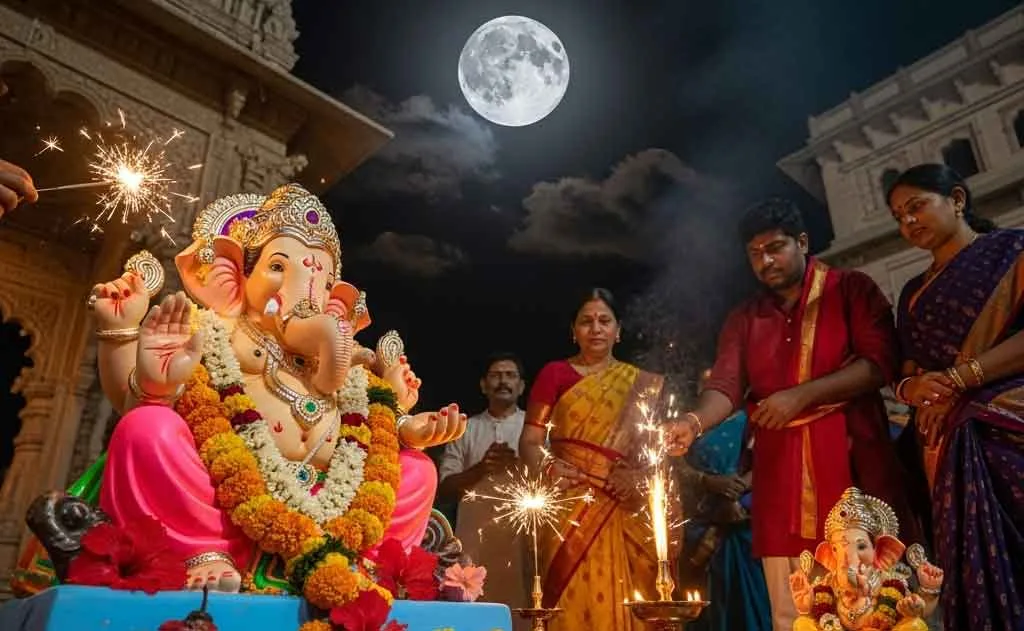
Vinayaka Chavithi 2026 Complete Date, Muhurat & Rituals Guide
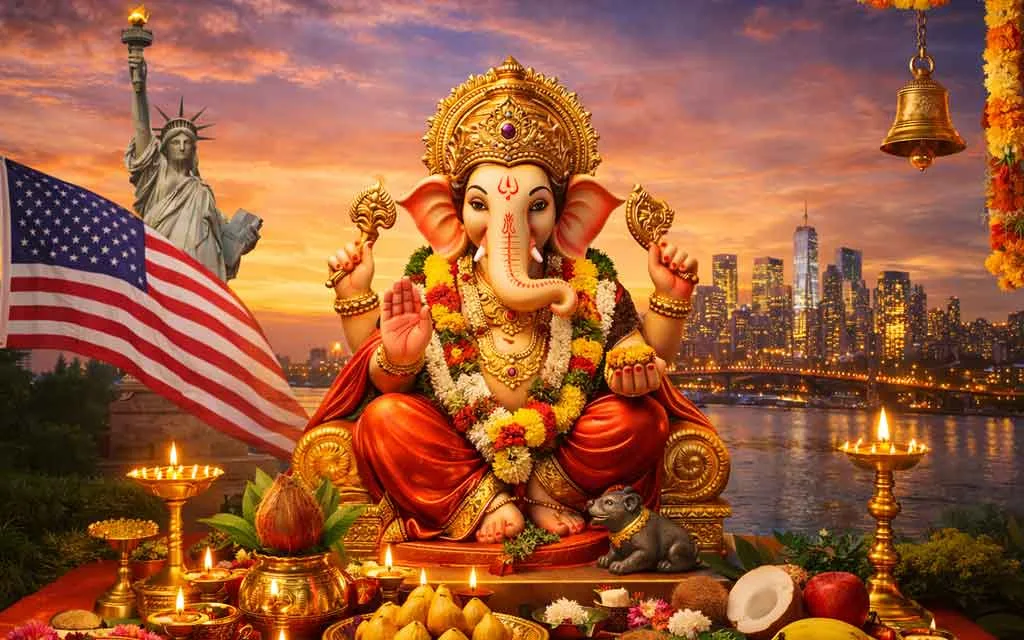
Vinayaka Chavithi 2026: Date, Puja Muhurat, Timings, Rituals & Complete Guide for NRIs in USA
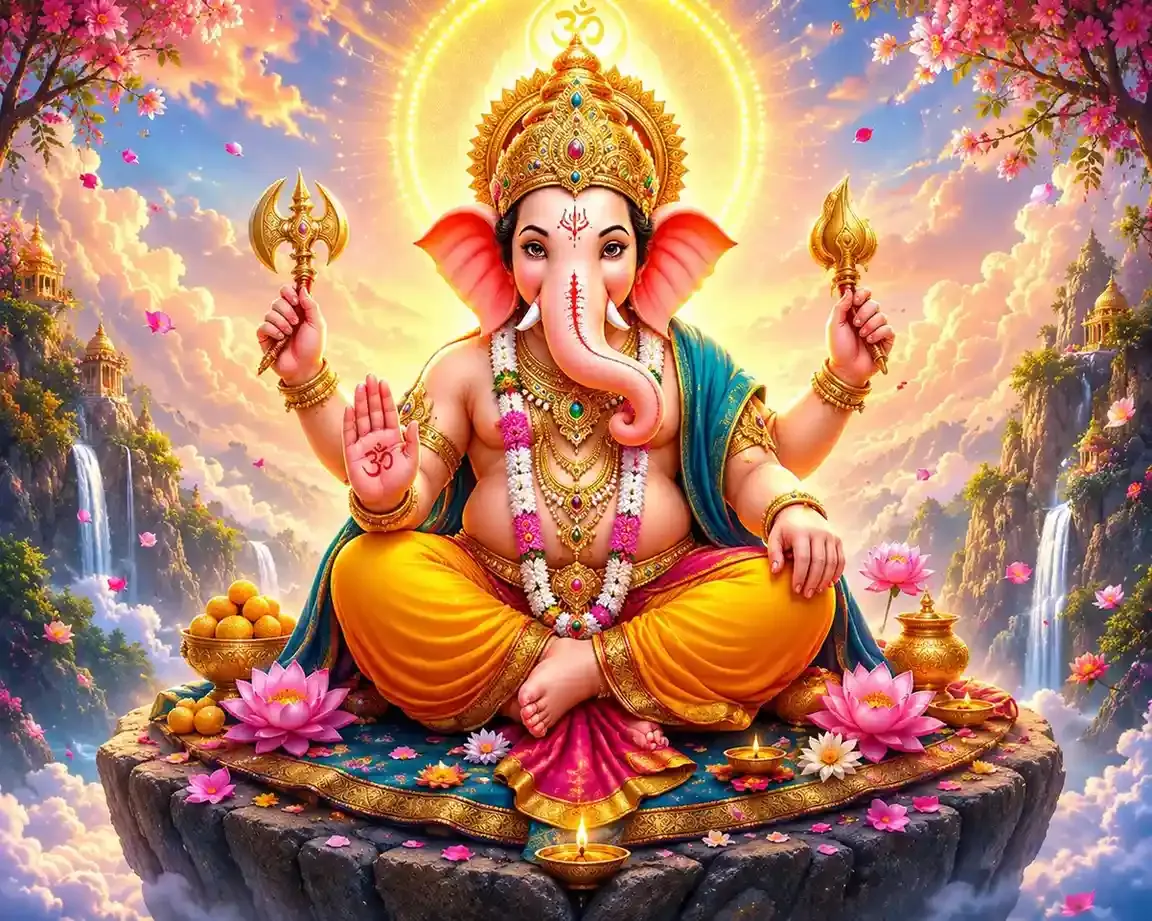
Ganesha Vrats July 2026: Sankashti & Vinayaka Chaturthi Dates
