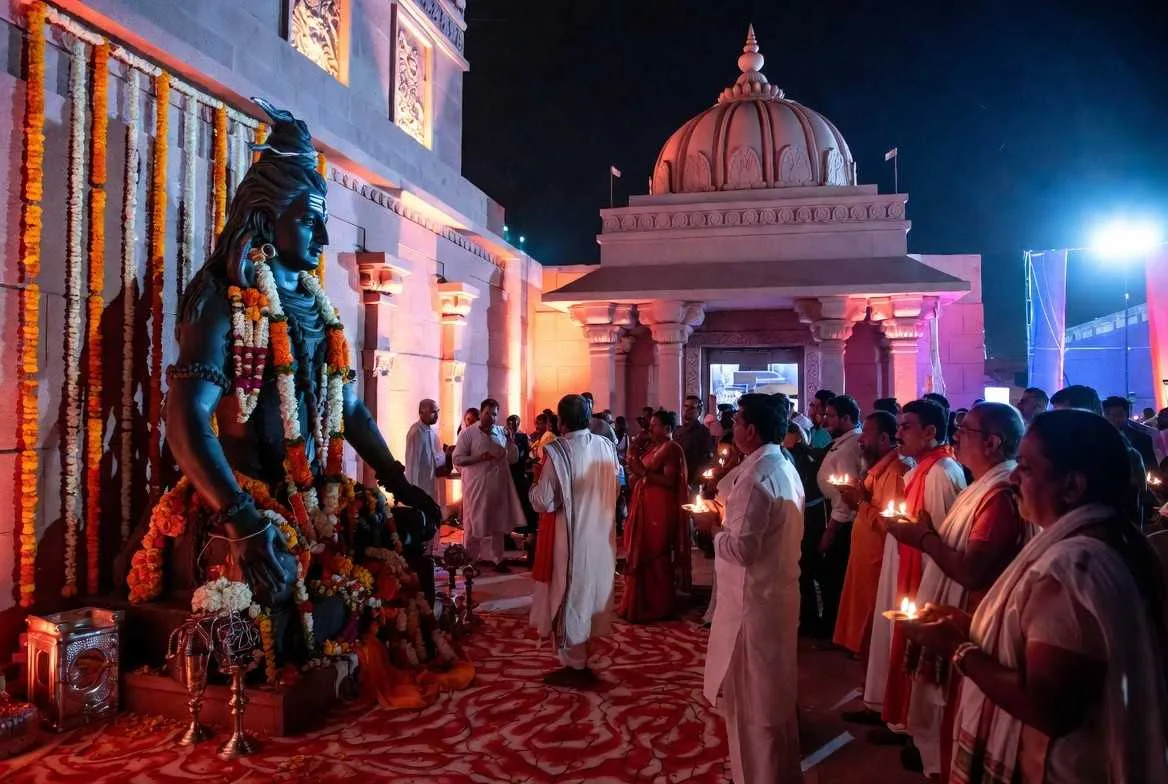
Shivaratri Fasting Rules for NRIs
Introduction: Why Shivaratri Fasting Matters for NRIs For Hindus living outside Bharat, fasting on Maha Shivaratri is more than ritual—it is identity,…

Introduction: Why Shivaratri Fasting Matters for NRIs
For Hindus living outside Bharat, fasting on Maha Shivaratri is more than ritual—it is identity, discipline, and spiritual alignment.
Fasting on Shivaratri:
- Purifies body and mind
- Supports night-long Jagaran (spiritual vigilance)
- Helps NRIs stay rooted in Sanatana Dharma
- Aligns with yogic detox and meditation
Dedicated to Lord Shiva, Shivaratri fasting is about awareness, not starvation.
What Is Shivaratri Fasting?
Shivaratri fasting (Vrat) means:
- Controlling food intake
- Practicing mental restraint
- Avoiding tamasic influences
- Remaining inwardly alert
Unlike other fasts, Shivaratri fasting lasts from sunrise until next morning, ideally with night Jagaran.
Types of Shivaratri Fasting (NRI-Friendly)
1. Nirjala Vrat (Advanced – Optional)
- No food or water for 24 hours
- Recommended only for healthy, experienced devotees
- Not advised for extreme climates or long work shifts
2. Phalahar Vrat (Most Common for NRIs)
Allowed:
- Fruits (apple, banana, papaya, berries)
- Milk, buttermilk, yogurt
- Coconut water
Ideal for office-going professionals and families
3. Milk-Only Vrat
- Milk, almond milk, or warm turmeric milk
- Excellent for cold climates (Canada, Europe)
4. Satvik Single-Meal Fast
- One light satvik meal before sunset
- Common among working NRIs
- Spiritually acceptable if devotion is maintained
Foods Allowed During Shivaratri Fast
Allowed Foods
- Fruits (fresh & seasonal)
- Milk & dairy
- Dry fruits (almonds, dates, raisins)
- Honey
- Coconut water
Foods to Avoid
- Rice, wheat, lentils
- Onion & garlic
- Meat, fish, eggs
- Alcohol, caffeine
- Processed or packaged foods
Remember: Purity of mind matters more than menu strictness.
Shivaratri Fasting Rules Explained Simply
Rule 1: Start with Sankalpa
At sunrise, mentally vow:
“I observe Shivaratri Vrat with devotion, discipline, and surrender.”
Rule 2: Cleanliness & Simplicity
- Bathe in the morning
- Wear clean, light-colored clothes
- Keep altar minimal and clean
Rule 3: Silence & Awareness
- Reduce unnecessary speech
- Avoid entertainment & social media
- Practice mantra repetition
Rule 4: Jagaran Matters More Than Hunger
Remaining awake with awareness is the soul of Shivaratri fasting.
Fasting & Jagaran: How They Work Together
Fasting reduces bodily heaviness.
Jagaran elevates consciousness.
Together, they:
- Sharpen meditation
- Reduce lethargy
- Increase mantra effectiveness
Best Mantras to Chant While Fasting
- Om Namah Shivaya (primary)
- Mahamrityunjaya Mantra (healing & protection)
- Shiva Gayatri (family-friendly)
Chant silently if surroundings require discretion.
Health Tips for NRIs Observing Fast
For Cold Countries (Canada, Europe)
- Prefer warm milk
- Avoid cold fruits at night
- Stay hydrated
For Hot Regions (UAE, Singapore)
- Coconut water is ideal
- Avoid dehydration
- Light fruits only
For Working Professionals
- Phalahar or single-meal fast is acceptable
- Mental discipline > physical strain
Fasting Rules for Children & Elderly
- No strict fasting required
- Encourage fruit, milk & mantra chanting
- Even one mantra with devotion is enough
Common Myths About Shivaratri Fasting
Myth: Breaking fast invalidates devotion
Truth: Intention matters more
Myth: Only strict fasting pleases Shiva
Truth: Awareness pleases Shiva
Myth: NRIs cannot observe proper vrat
Truth: Shiva transcends geography
Breaking the Shivaratri Fast (Parana)
Break the fast:
- After sunrise
- With fruits or milk first
- Avoid heavy food immediately
Offer food mentally to Lord Shiva before eating.
Spiritual Benefits of Shivaratri Fasting
- Mental clarity
- Emotional stability
- Detoxification
- Strengthened spiritual identity
- Deeper meditation experiences
FAQs – Shivaratri Fasting for NRIs
Q: Is fasting compulsory on Shivaratri?
No. Devotion and awareness are primary.
Q: Can I drink coffee or tea?
Traditionally avoided; herbal water is better.
Q: Can pregnant women fast?
No. Health comes first.
Q: Can I do partial fasting?
Yes. Shiva accepts sincerity.
Conclusion: Fasting Is Awareness, Not Punishment
For NRIs, Shivaratri fasting is a bridge between tradition and modern life. Whether you fast with fruits, milk, or pure intention—Lord Shiva sees your awareness, not your plate.
Observe with balance, devotion, and gratitude.
Om Namah Shivaya. Har Har Mahadev.
Frequently Asked Questions
What is Shivaratri Fasting Rules for NRIs?
Introduction: Why Shivaratri Fasting Matters for NRIs For Hindus living outside Bharat, fasting on Maha Shivaratri is more than ritual—it is identity, discipline, and spiritual alignment . Fasting on Shivaratri: Purifies body and mind Supports night-long Jagaran (spiritual vigilance) Helps NRIs stay rooted in Sanatana Dharma Aligns with yogic detox and medit
What are the key points about Shivaratri Fasting Rules for NRIs?
What Is Shivaratri Fasting? Shivaratri fasting (Vrat) means: Controlling food intake Practicing mental restraint Avoiding tamasic influences Remaining inwardly alert Unlike other fasts, Shivaratri fasting lasts from sunrise until next morning , ideally with night Jagaran.
Why does Shivaratri Fasting Rules for NRIs matter in Hinduism?
It deepens a devotee's connection with Lord Shiva and with the values of Sanatana Dharma — clarity, devotion and dharmic living.
How can devotees apply Shivaratri Fasting Rules for NRIs in daily life?
By reflecting on its teaching, incorporating the related practices or observances into daily routine, and approaching it with sincere devotion and understanding.
Share this with family and friends
Send it on WhatsApp, post it, or copy the link.
More from Maha Shivaratri 2026
- Maha Shivaratri Four Prahar Puja — The Complete Night-by-Night Ritual Guide
- Devotion in the Sands: The Inspiring Story of a Karnataka Couple Crafting 1008 Shiva Lingams Every Maha Shivaratri
- Isha Foundation's Mahashivratri 2026 Sets New Record as Most Viewed Celebration on YouTube
- The 33rd Mahashivratri at Isha Yoga Center
- Maha Shivaratri 2026 Celebrations in Germany: How the Hindu Community Honored Lord Shiva Yesterday – A Complete Guide to Cities, Temples, and Events
You might also like

Maha Shivaratri 2027 Celebrations in Australia: How the Hindu Diaspora Honored Lord Shiva Yesterday – A Complete Guide to Cities, Temples, and Events
Maha Shivaratri 2027 in Norway: Your Complete Celebration Guide
Maha Shivaratri 2027 in Cambodia: Your Complete Celebration Guide