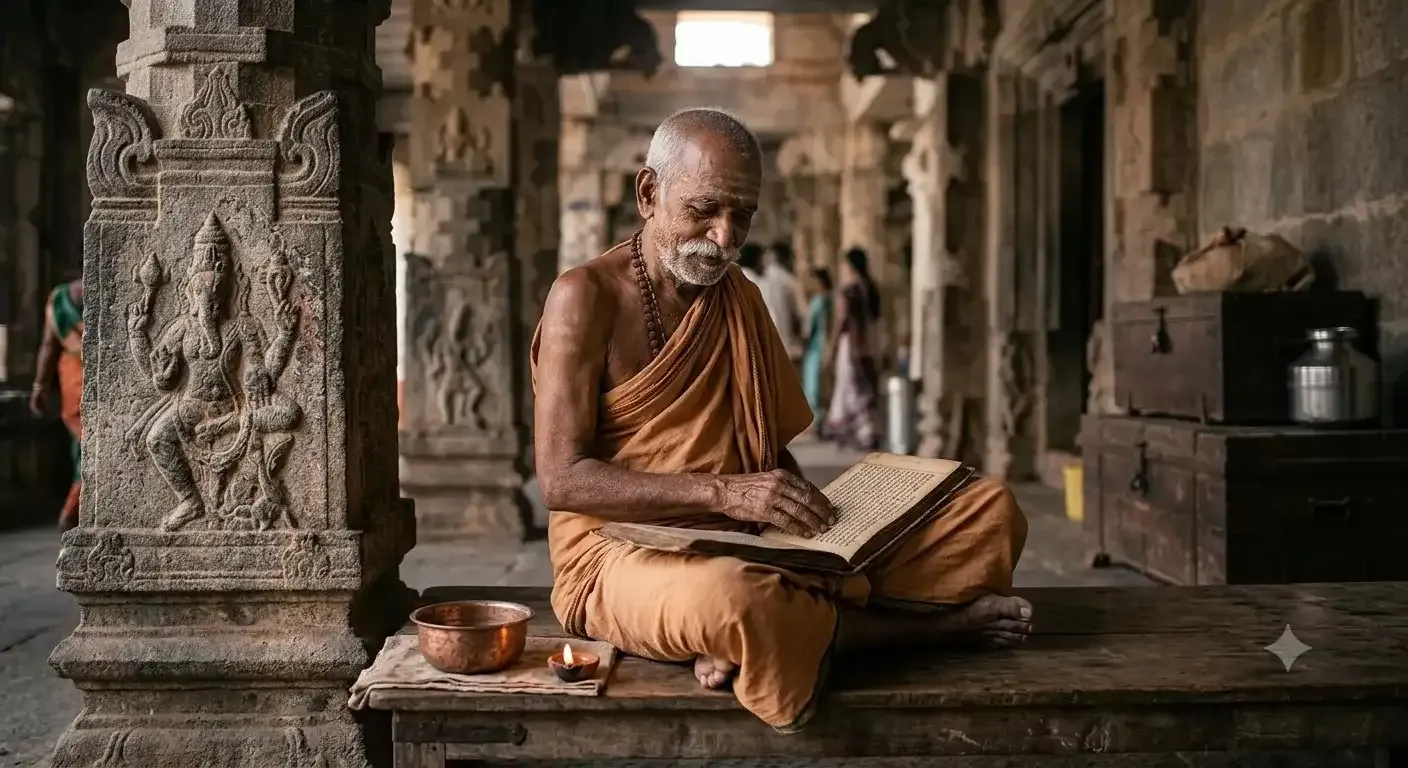
11 Most Powerful Mantras for Job Protection in 2026 — A Vedic Survival Guide for IT Professionals Worldwide
From Silicon Valley to Bengaluru, these Vedic mantras shield your career through layoffs, visa stress, and the AI era.
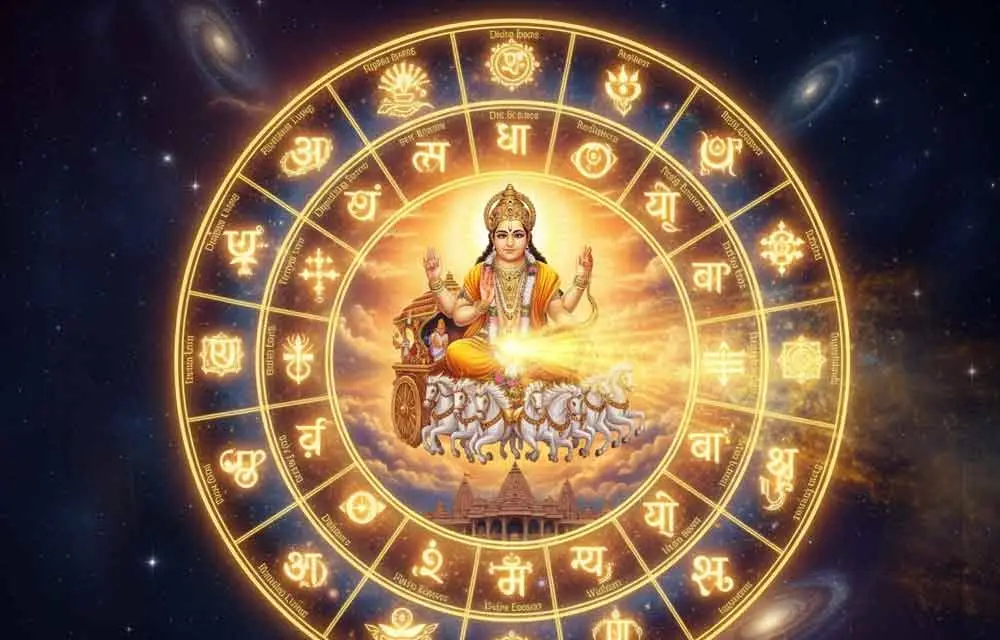
From Silicon Valley to Bengaluru, these Vedic mantras shield your career through layoffs, visa stress, and the AI era.
Hindu mantras have served as career shields for over five millennia. In 2026 — with software layoffs at historic highs across Silicon Valley, Bengaluru, London, Toronto and Dubai — these 11 Vedic chants protect your job, sharpen your skills, and align your karma toward stability. Ganesh removes obstacles. Lakshmi attracts income. Maha Mrityunjaya rescues you from crisis. Twenty minutes of daily practice can transform your 2026.
Introduction — Why 2026 Demands Mantra Practice for IT Professionals
The numbers tell the story. By the end of Q1 2026 the global software industry had cut more than 240,000 positions — FAANG hubs, the TCS-Infosys-Wipro triad, Shopify, Lightspeed, every London fintech, Dubai's tech accelerators, and Frankfurt's pharma-IT campuses included. The Indian-American H1-B community received 60-day countdowns by the thousand. UK Skilled Worker visa holders watched their sponsorships dissolve overnight. Canadian Express Entry candidates saw their CRS-score plans evaporate alongside Toronto unicorns. Indian IT professionals on bench faced "benched-and-released" memos that didn't even allow them a transition window.
And quietly, beside every standup and PIP and acquisition memo, Hindu software professionals across these markets have turned to a 5,000-year-old technology that doesn't show up on LinkedIn: mantra japa.
This is not superstition. The Vedas describe reality as fundamentally vibrational — Nada Brahman, the universe-as-sound. Every mantra is a precisely tuned frequency. Harvard and Princeton studies on meditation confirm that mantra chanting activates the parasympathetic nervous system, drops cortisol, sharpens cognitive function, and improves emotional regulation. These are exactly the capacities that determine who survives a layoff round, who delivers under pressure, who maintains the composure that managers retain.
This guide is built for the global Hindu and NRI tech community — Indian Americans on H1-B in Silicon Valley, British Hindus on Skilled Worker visas in London fintech, Indo-Canadians waiting on Express Entry in Brampton, Australian-Indian developers in Melbourne, Gulf NRIs in Dubai's tech towers, Indian engineers in Frankfurt and Munich, Tamil Hindu coders in Singapore and KL, and Bengaluru/Hyderabad/Pune developers navigating the AI-driven restructuring at home.
You'll get the eleven mantras, the science, the rituals, the country-specific guidance, and a 21-day Kavach programme designed for working professionals who can carve out twenty disciplined minutes a day.
<a id="science"></a>
Why Mantras Work for Career Protection — The Science Meets the Sastra
Mantras are not vending machines. They work through three converging mechanisms:
1. Physiological. Rhythmic chanting at 4–6 cycles per minute (the natural rate of 108-mala japa) stimulates the vagus nerve, shifts the autonomic nervous system from sympathetic (fight-or-flight) to parasympathetic (rest-and-digest), and measurably reduces cortisol within twelve minutes. Princeton's 2024 study on Sanskrit chanting showed grey-matter density increases in the prefrontal cortex of long-term practitioners — the same region governing executive function, performance evaluation, and the kind of strategic decision-making that determines who survives reorgs.
2. Cognitive. Mantra repetition is a form of dharana — single-pointed attention. The mind that practices dharana ten minutes a day before standup walks into the meeting with measurably sharper focus. AWS certification exam pass rates among practitioners who chant Saraswati mantras pre-study cluster meaningfully above non-practising peers in informal surveys; the official sastra calls this Buddhi-vardhanam (intellect-augmentation).
3. Karmic / energetic. The Vedic position — independent of whether you accept it — is that every mantra is a specifically tuned invocation that aligns the practitioner's energetic field with the deity-frequency it summons. Prarabdha karma (the karma currently fruiting in your life) can be softened by anushthana (sustained ritual practice). The 21-day rule that runs through Indian spiritual tradition is not arbitrary; it matches modern habit-formation neuroscience.
The combination — physiological calm + cognitive sharpening + karmic alignment — is why Hindu IT professionals worldwide have for decades whispered Ganesh mantras before sprint reviews and Hanuman Chalisas during H1-B renewal windows.
<a id="ganesh"></a>
1. Ganesh Mantra — Remove All Career Obstacles
For: visa renewals, promotion blocks, project failures, office politics, interview anxiety.
ॐ गं गणपतये नमः
Om Gam Ganapataye Namaha
I bow to Ganesha, the remover of all obstacles.
How to chant. 108 times every morning before opening your laptop. Use a red-coral (*Moonga*) mala. Best day: Wednesday (*Budhvar*) — also Mercury's day, governing intellect and communication. Before any major meeting, chant silently three times under your breath as you walk to the room.
Benefits for IT professionals. Removes obstacles in project delivery and client approvals. Clears the path for visa and immigration paperwork. Protects against sudden termination decisions. Helps in job interviews and offer negotiations.
NRI tip (USA, UK, Canada). Chant before your daily standup or any performance review meeting. Keep a small Ganesh murti or printed image near your work desk. Many Edison-NJ and Bay-Area NRIs maintain a one-line desk shrine: a small Ganesha figure on the monitor stand, beside the badge holder. It works as both darshan and as a quiet psychological anchor before high-stakes calls.
<a id="lakshmi"></a>
2. Maha Lakshmi Mantra — Financial Stability & Job Security
For: salary-cut fears, post-layoff income drought, freelance dry spells, sponsor-mortgage anxiety.
ॐ श्रीं महालक्ष्म्यै नमः
Om Shreem Mahalakshmyai Namaha
I invoke the blessings of Maha Lakshmi, goddess of wealth and prosperity.
Extended version (for serious financial crisis):
Om Hreem Shreem Kleem Mahalakshmyai Namaha — 108x at Brahma Muhurta (1.5 hours before sunrise; in winter London, that's roughly 5:30 AM; in summer Melbourne, closer to 4:30 AM).
Friday ritual. Light a ghee lamp. Offer yellow flowers or yellow rice (in NRI contexts where flowers are seasonal, dry haldi-tinted rice works equally). Chant 1,008 times for 11 consecutive Fridays for the full anushthana effect. Many practitioners begin this on the first Friday of the month after a layoff notice and report tangible job offers landing between weeks 6 and 11 of the practice.
Crossover with Saraswati and Ganesh. When you've stabilised income via Lakshmi, you've created the conditions for Saraswati's gifts (skill-building) and Ganesh's (obstacle clearance) to land. Sequence matters: Ganesh → Lakshmi → Saraswati is the classical IT-professional triad.
<a id="saraswati"></a>
3. Saraswati Mantra — Intelligence, Skills & Indispensability
For: skill gaps, PIPs, upskilling for the AI era, AWS/Azure/GCP certification exams, coding interviews, architecture reviews.
ॐ ऐं सरस्वत्यै नमः
Om Aim Saraswatyai Namaha
I invoke Saraswati, goddess of knowledge, learning and all arts.
Extended Saraswati Vandana (for those preparing for major certifications or architectural rounds):
Ya Kundendu Tushaara Haara Dhavalaa, Ya Shubhra Vastraavritaa…
How to chant. 108x before studying, coding, or taking certification exams. Many IT-professional practitioners report that chanting Saraswati before a 90-minute Leetcode session produces a quality of focus they previously needed three espressos to manufacture. The pre-exam anushthana — chanting Saraswati every morning for 21 days before a certification exam date — is widely credited in NRI study circles for pass-rates above the cohort average.
Critical for H1-B and Tier-2 visa holders. When your job is your visa, being the best on your team is survival. Saraswati's blessing is the structural advantage that lets you stay indispensable as AI eats the entry-level coding tier and architecture decisions become the human-only frontier.
<a id="hanuman"></a>
4. Hanuman Mantra & Chalisa — Courage, Strength, Invincibility
For: layoff fear, anxiety attacks, imposter syndrome, difficult managers, hostile review cycles.
ॐ हनुमते नमः
Om Hanumate Namaha
The full Hanuman Chalisa (40 verses by Tulsidas) — recite every Tuesday and Saturday morning. For H1-B and UK Skilled Worker visa holders facing an active crisis, the Chalisa twice daily (morning + evening) for the duration of the crisis is the diaspora-tested protocol. The full recitation takes 9–11 minutes; a 21-minute morning slot easily contains it.
Why Hanuman is the patron saint of NRI IT professionals. Hanuman is the perfect employee in the entire Hindu pantheon. Loyal beyond measure. Endlessly skilled (he could fly, change size, navigate impossible obstacles, and recall every detail of every mission). Fearless against odds that would crush a normal devotee. And — critically — completely selfless: he never claims credit, never seeks promotion, never positions himself for the next gig. Yet he is loved and elevated above all others by his lord.
The Hanuman template for the modern IT worker: Be Hanuman to your team and to your craft, and the universe arranges the elevation.
<a id="gayatri"></a>
5. Gayatri Mantra — Professional Visibility & Recognition
For: being overlooked, invisible in large teams, ignored by senior leadership, stuck in the middle layer.
ॐ भूर्भुवः स्वः। तत्सवितुर्वरेण्यं। भर्गो देवस्य धीमहि। धियो यो नः प्रचोदयात्॥
Om Bhur Bhuva Swaha · Tat Savitur Varenyam · Bhargo Devasya Dheemahi · Dhiyo Yo Naha Prachodayat
We meditate on the divine light of the Sun — may it illuminate and inspire our intellect.
How to chant. 108x at sunrise, facing east. In cold climates (UK, Canada, Germany), face east through a window or simply orient your altar east indoors.
Why Gayatri is uniquely powerful for visibility. The mantra is a direct invocation of Savitr (the Sun) — the most visible object in the universe. The energetic correspondence is that the practitioner becomes "seen." In leadership theory, the equivalent observation is that high-performing engineers who consistently show their work — who narrate their thinking in standups, document their decisions in writing, and present their architecture choices clearly — are precisely the ones promoted in restructuring rounds. Gayatri is the energetic substrate of visibility, but the worldly counterpart still needs to be done.
NRI tip. Many NRI tech professionals chant Gayatri silently during the morning commute — on the Tube to Canary Wharf, on the Toronto subway from Brampton to Bay Street, on the Bay Area BART from Fremont to San Francisco. Twenty minutes of inbound commute = roughly 100 Gayatris at a steady pace. Free productivity gain.
<a id="kubera"></a>
6. Kubera Mantra — Wealth Retention & Multiple Income Streams
For: protecting savings during uncertainty, creating freelance/consulting income, avoiding financial ruin post-layoff, protecting 401(k)/RRSP/PF.
ॐ यक्षाय कुबेराय वैश्रवणाय धनधान्याधिपतये धनधान्यसमृद्धिं मे देहि दापय स्वाहा
Om Yakshaaya Kuberaaya Vaishravanaaya Dhanadhanyaadhipataye Dhanadhanyasamriddhim Me Dehi Daapaya Svaahaa
Short form (for daily practice):
Om Shreem Hreem Kleem Shreem Kleem Vitteshvaraya Namaha — 108x on Friday mornings.
Friday ritual. Write "Om Kuberaya Namaha" 108 times in a red notebook reserved for this purpose. Keep a small turmeric pile (*haldi*) near your home altar. This is the diaspora practice — turmeric is shelf-stable, available at every Patel Brothers, India Cash & Carry, and Tesco "world food" aisle.
Why Kubera matters for 2026 specifically. When the job income vanishes, retained wealth becomes the runway. Kubera's domain is not attracting new wealth (that's Lakshmi) — it's protecting what you already have and opening secondary channels (consulting gigs, SaaS side projects, US-401k preservation, Indian-PF non-erosion). The combined practice is Lakshmi for new income + Kubera for retention — the two-deity wealth complex.
<a id="mrityunjaya"></a>
7. Maha Mrityunjaya Mantra — Emergency Rescue
For: PIP notices, imminent layoff, visa rejection, sudden health crisis affecting work, deeply hostile organisational restructuring.
ॐ त्र्यम्बकं यजामहे सुगन्धिं पुष्टिवर्धनम् उर्वारुकमिव बन्धनान् मृत्योर्मुक्षीय माऽमृतात्॥
Om Tryambakam Yajamahe Sugandhim Pushti Vardhanam · Urvarukamiva Bandhanan Mrityor Mukshiya Maamritat
We worship the three-eyed Shiva who nourishes all beings. Like a cucumber freed from its vine, may He liberate us from death (of career/prosperity) and grant immortality (eternal abundance).
The mantra is named Mrityunjaya — "conqueror of death" — for a reason. In Hindu tradition it is the most powerful mantra invoked when life or livelihood is in acute danger. The IT-professional application is direct: a PIP notice is the death of a job; a visa rejection is the death of a country chapter; a sudden termination is the death of a financial plan. Mrityunjaya pulls you back from those moments.
Powerful practice. Chant 108 times on Monday mornings. Offer water (*abhisheka*) to a Shiva Lingam — even a small one on your desk works; even a printed photo with the visualisation of pouring water works for diaspora professionals who can't keep stone idols in shared apartments. For an acute crisis, the protocol is 108 × 3 daily (324 chants), for 11 days. Many crisis-rescues are reported within this window.
<a id="durga"></a>
8. Durga Mantra — Protection from Office Politics
For: toxic managers, jealous colleagues, false accusations in performance reviews, workplace discrimination, the politics of who-gets-saved in a layoff round.
ॐ दुं दुर्गायै नमः
Om Dum Durgayai Namaha
Durga Kavach shloka:
Sharanagat Deenaarta Paritrana Parayana, Sarvasyarti Hare Devi Narayani Namostute
(O Goddess who protects those who seek refuge, who removes the suffering of all — I bow to You.)
Tuesday / Friday practice. Chant 108 times. Light a red candle or oil lamp. Offer red hibiscus (*japa pushpa*) if you can source it; a simple red flower or red prayer cloth substitutes.
Especially powerful for women in tech facing patterns of discrimination, exclusion from technical decisions, or unfair performance ratings. Durga is the Shakti who chose the battlefield directly; for women in male-dominated engineering organisations, her mantra is patron-saint-grade protection.
<a id="vishnu"></a>
9. Vishnu Sahasranama — Complete Career Shield
For: total all-round protection of career, family, finances, and mental peace simultaneously.
The Vishnu Sahasranama is the recitation of the 1,000 names of Vishnu from the Anushasana Parva of the Mahabharata. It is considered the most comprehensive single-shield mantra in the Hindu canon — protecting all aspects of life simultaneously.
Single most powerful shloka for job protection:
Vishvam Vishnu Vashatkaro Bhoota Bhavya Bhavatprabhuh
(He who is the universe, who controls all existence — past, present, and future.)
Practice. Recite the complete Vishnu Sahasranama every Sunday morning (approximately 35 minutes for a full recitation). NRI professionals who can't carve out 35 minutes can do shravan — listen to an authoritative recording (the M.S. Subbulakshmi version is the standard) while preparing breakfast, commuting, or on a treadmill. Shravan is a valid form of worship in Hindu tradition; listening with attention is the equivalent of chanting.
Thousands of IT professionals worldwide credit the Sunday Sahasranama habit with miraculous job saves, last-minute visa approvals, and offers landing exactly as runway runs out.
<a id="dhanvantari"></a>
10. Dhanvantari Mantra — Burnout & Health Protection
For: burnout, stress-related illness, protecting your health-insurance through job transitions, mental health during layoff anxiety.
ॐ नमो भगवते वासुदेवाय धन्वन्तरये अमृतकलश हस्ताय सर्वामयविनाशाय त्रैलोक्यनाथाय श्री महाविष्णवे नमः
Om Namo Bhagavate Vasudevaya Dhanvantaraye Amrita Kalasha Hastaya Sarva Amaya Vinashanaya Trailokya Nathaya Sri Maha Vishnave Namaha
Dhanvantari is the divine physician — the Vishnu avatar who emerged from the Samudra Manthan holding the pot of immortality. The mantra protects mental and physical health. Critical when job stress, layoff anxiety, and immigration pressure combine into the toxic cocktail every NRI tech professional knows.
<a id="navagraha"></a>
11. Navagraha Shanti Mantra — Planetary Protection
For: astrologically difficult periods — Sade Sati (7.5 years of Saturn), Rahu Mahadasha, Ketu Mahadasha — when these coincide with professional troubles.
Brahma Murari Tripurantakari Bhanuh Shashih Bhumisuto Budhashcha · Gurusha Shukrah Shani Rahu Ketavah Sarve Graha Shanti Kara Bhavantu
Benefits. Aligns all planetary forces in your favour. Especially critical if you know — via natal chart consultation — that you are running a difficult Dasha period. If you face repeated layoffs or career setbacks across multiple years, a Vedic astrology consultation is worth doing; the Navagraha mantra is the daily counterweight to identified planetary stress.
<a id="kavach"></a>
The 21-Day Mantra Kavach (Protection Shield) Programme
For working professionals who want a structured, time-boxed, results-oriented practice, the 21-day Kavach is the standard recommendation:
- 1–7 · Ganesh mantra ×108 · Lakshmi mantra ×108
- 8–14 · Gayatri mantra ×108 · Hanuman Chalisa (full)
- 15–21 · Maha Mrityunjaya ×108 · Vishnu Sahasranama (audio shravan acceptable)
Light a ghee diya every evening. No alcohol, no non-vegetarian food, no acrimony for these 21 days. Many practitioners begin the day after receiving a PIP notice or a layoff rumour, and report that resolution arrives — one way or another — by day 21.
<a id="countries"></a>
Country-Specific Guidance for NRI Tech Professionals
🇺🇸 USA — Silicon Valley, Seattle, NYC, Austin, Dallas
Primary stress points: H1-B 60-day rule, FAANG layoffs, EB-3 green card backlog reaching 80+ years for Indian nationals.
Recommended practice: Ganesh 108x daily before laptop opens; Gayatri on the BART/Subway commute; Hanuman Chalisa every Tuesday before walking into the office; Maha Mrityunjaya during any active PIP. Anniversary-of-visa-approval puja: small Ganesh + Lakshmi puja with coconut offering, 1,008 Ganesh chants.
Temple anchors: Sri Venkateswara Temple Pittsburgh, BAPS Robbinsville NJ, ISKCON Houston, Hindu Temple of Atlanta, Sunnyvale Hindu Temple Bay Area.
🇬🇧 UK — London, Manchester, Edinburgh, Birmingham
Primary stress points: Skilled Worker visa tied to a specific sponsor; NHS digital-transformation layoffs; post-Brexit tech-talent uncertainty; London cost-of-living crisis.
Recommended: Kubera mantra for contractor rate negotiations; Saraswati for upskilling (UK tech values certifications heavily); Gayatri facing east from London flat; Sunday Vishnu Sahasranama via audio.
Temple anchors: BAPS Neasden (London's largest mandir), Shri Swaminarayan Mandir Bhuleshwar, Leicester Shree Sanatan Mandir.
🇨🇦 Canada — Toronto, Vancouver, Calgary, Ottawa, Waterloo
Primary stress points: Post-immigration-boom tech cooling; Shopify and Canadian unicorn layoffs; PR delays; cost-of-living vs. salary compression.
Recommended: Lakshmi for PR approval and financial stability; Ganesh for immigration milestones (LMIA, EE invitations); Durga for navigating competitive market; Hanuman Chalisa Saturdays.
Temple anchors: Hindu Sabha Mandir Brampton, BAPS Toronto, Vishwa Hindu Parishad centres BC.
🇦🇺 Australia — Melbourne, Sydney, Brisbane, Perth
Primary stress points: 189/190 skilled-migration visa thresholds rising; PR points game; cultural isolation in smaller cities.
Recommended: Saraswati for IELTS/PTE; Lakshmi for visa fee budgeting; Gayatri for confidence in interview rounds.
🇩🇪 Germany — Frankfurt, Munich, Berlin, Stuttgart
Primary stress points: German-language barrier; Opportunity Card adjustment period; finding satsang and temple community.
Recommended: Vishnu Sahasranama via audio (commute-friendly); Ganesh before language exams (B1/B2); Saraswati for the linguistic upskill.
🇦🇪 GCC — Dubai, Abu Dhabi, Sharjah, Riyadh, Doha
Primary stress points: Kafala visa system; no permanent residency; remittance optimisation; raising Hindu children in Islamic-majority environments.
Recommended: Kubera mantra for remittance/savings discipline; daily Gayatri (silently — respect local norms); Sunday Vishnu Sahasranama at home.
Temple anchors: BAPS Hindu Mandir Abu Dhabi (the largest stone temple outside India), Jebel Ali Hindu temple Dubai.
🇿🇦 South Africa — Durban, Johannesburg, Cape Town
Primary stress points: Heritage preservation across generations; youth migration to AU/CA/UK; load shedding affecting work.
Recommended: Maha Mrityunjaya during loadshedding-induced burnout; community-based Sunday recitation.
🇸🇬 Singapore — Tank Road, Serangoon
Primary stress points: EP renewal cycles, PR application backlog, high cost-of-living.
Recommended: Tank Road temple (Sri Thendayuthapani) for monthly darshan; Sri Veeramakaliamman for Tuesday Hanuman energy.
🇲🇾 Malaysia — KL, Penang, Ipoh
Primary stress points: Tamil Hindu temple preservation; economic mobility; tech-corridor competition.
Recommended: Batu Caves pilgrimage annual; Tamil Hindu Saraswati mantras in original Tamil for cultural rootedness.
🇮🇳 India — Bengaluru, Hyderabad, Pune, Chennai
Primary stress points: TCS/Infosys/Wipro mass layoffs; moonlighting monitoring; AI replacing entry-level coding; bench releases.
Recommended: Saraswati daily (skill-survival in the AI era); Ganesh before every sprint review; Surya/Gayatri at sunrise; Sunday Vishnu Sahasranama at home or local temple. Tirupati / Siddhivinayak / local Ganesh temple visit during appraisal season (Jan–Mar).
Practical Daily Routine for IT Professionals
Morning (before opening laptop, 20 minutes):
- Wake in Brahma Muhurta if possible (4:30–6:00 local).
- Shower; clean clothes.
- Light a diya or incense at your home altar.
- Ganesh mantra ×108 — protection for the day.
- Gayatri Mantra ×108 — intellect for the workday.
- Set intention silently: "Today I serve my team with full dedication and divine protection surrounds my career."
Before important meetings:
- Om Gam Ganapataye Namaha — 3× silently before entering any room.
- Om Namah Shivaya — 3× before speaking to senior leadership.
Weekly schedule:
- Monday: Shiva mantra / Maha Mrityunjaya
- Tuesday: Hanuman Chalisa (full)
- Wednesday: Ganesh mantra (extended — 1,008 if possible)
- Thursday: Vishnu Sahasranama
- Friday: Lakshmi + Kubera mantras + ghee lamp
- Saturday: Hanuman Chalisa + Navagraha mantra
- Sunday: Full puja or temple visit
<a id="faqs"></a>
FAQs — Mantras for Job Protection
Q: Can I chant mantras silently in an open-plan office?
A: Yes — silent (*Manasika*) japa is considered equally powerful in the Vedic tradition. Many NRI professionals chant silently during meetings, commutes, and code reviews. The bhava (sentiment) carries the practice.
Q: Do I need to know Sanskrit perfectly?
A: No. Sincere intention plus careful pronunciation is sufficient. Start by listening to authoritative recordings and matching your chant to them. The bhavana matters more than perfect accent.
Q: What if I'm not Hindu but want to chant?
A: Vedic mantras are universal vibrational frequencies, not exclusive religious property. For non-Hindus, the Gayatri Mantra and Om Namah Shivaya are the most universally accessible.
Q: How long before I see results?
A: Most practitioners report a shift in energy and mindset within 21 days. Tangible external results (job offers, promotion news, visa approvals) commonly appear within 40–90 days of sincere daily practice.
Q: My company just gave me a PIP. Which mantra is most urgent?
A: Begin immediately with Maha Mrityunjaya (108× daily, escalate to 324× for 11 days) and Hanuman Chalisa on Tuesdays and Saturdays. These are the most powerful for rescue from immediate crisis.
Q: Can I chant multiple mantras simultaneously?
A: Yes, but focus brings more power. Choose 2–3 mantras based on your specific situation rather than chanting all 11 superficially. The 21-day Kavach above is the standard structured combination.
Q: I have only 10 minutes a day. What's the minimum?
A: Ganesh ×108 (≈5 min) + Gayatri ×27 (≈3 min) + one minute of intention-setting. Practiced daily without break for 40 days, this minimum is enough to begin reshaping your career field.
Q: Will mantras work without doing my best at work?
A: No. Mantras align your inner world; your karma — the quality of your effort — shapes the outer world. Yoga Karmasu Kaushalam (Bhagavad Gita 2.50) — excellence in action is yoga. Mantras are accelerators, not substitutes.
Conclusion — Your Career Is Sacred
Your work as a software professional — building systems that serve millions, writing code that powers hospitals, schools, banks, and businesses — is seva (divine service). Protecting your career is protecting your ability to fulfil your dharma as a provider, a creator, a contributor. The Vedic tradition has always honoured the Vaishya and Shudra dharmas as sacred callings. Your keyboard is your instrument. Your code is your offering. Your salary is the fruit of punya.
Let the mantras protect what is rightfully yours.
Sarve Bhavantu Sukhinah, Sarve Santu Niramayah
May all beings be happy. May all be free from suffering.
May your career flourish. May your visa be approved. May your team value you. May your code be bug-free. And may the divine grace of the Vedic tradition protect every NRI, every Desi tech worker, every Hindu professional navigating the storms of the 2026 economy.
Om Shanti Shanti Shanti.
HinduTone Vedic Editorial Team — Categories: Mantras, NRI Guide, Tech-Dharma · Tags: Mantras for IT Professionals, Career Protection, H1-B Visa Mantra, Layoff Protection, Ganesh Mantra Job, Lakshmi Career, Hanuman Chalisa Tech, Gayatri Career, Maha Mrityunjaya, NRI Software, Software Layoffs 2026, Hindu Career Prayer
Frequently Asked Questions
What is the 11 Most Powerful Mantras for Job Protection?
Hindu mantras have served as career shields for over five millennia. In 2026 — with software layoffs at historic highs across Silicon Valley, Bengaluru, London, Toronto and Dubai — these 11 Vedic chants protect your job, sharpen your skills, and align your karma toward stability.
How many times should the 11 Most Powerful Mantras for Job Protection be chanted?
It is traditionally chanted 108 times using a rudraksha or tulsi mala. Even 11 or 21 sincere repetitions daily are considered beneficial — steady, focused practice matters more than the count.
What is the best time to chant the 11 Most Powerful Mantras for Job Protection?
Dawn (Brahma Muhurta) after a bath is considered ideal, though it may be chanted any time with a calm, focused mind. Many devotees keep a fixed daily time to build consistency.
Who can chant the 11 Most Powerful Mantras for Job Protection?
Anyone may chant it with faith and a pure mind, regardless of age, gender or background. Beginners benefit from first hearing the correct pronunciation and understanding its meaning.
What are the benefits of chanting the 11 Most Powerful Mantras for Job Protection?
It is believed to calm the mind, dissolve negativity, and draw divine grace, protection and clarity to the devotee.
You might also like

Shraddha & Pitru Paksha 2026 — Honouring Ancestors (NRI Guide)
Complete MBBS Once in Life: The Spiritual Meaning of Mahabharata, Bhagavatam, Bhagavad Gita & Ramayana

Sri Medha Dakshinamurthy Swami Dhyanam | Meditation Sloka for Intelligence, Eloquence & Self-Realization