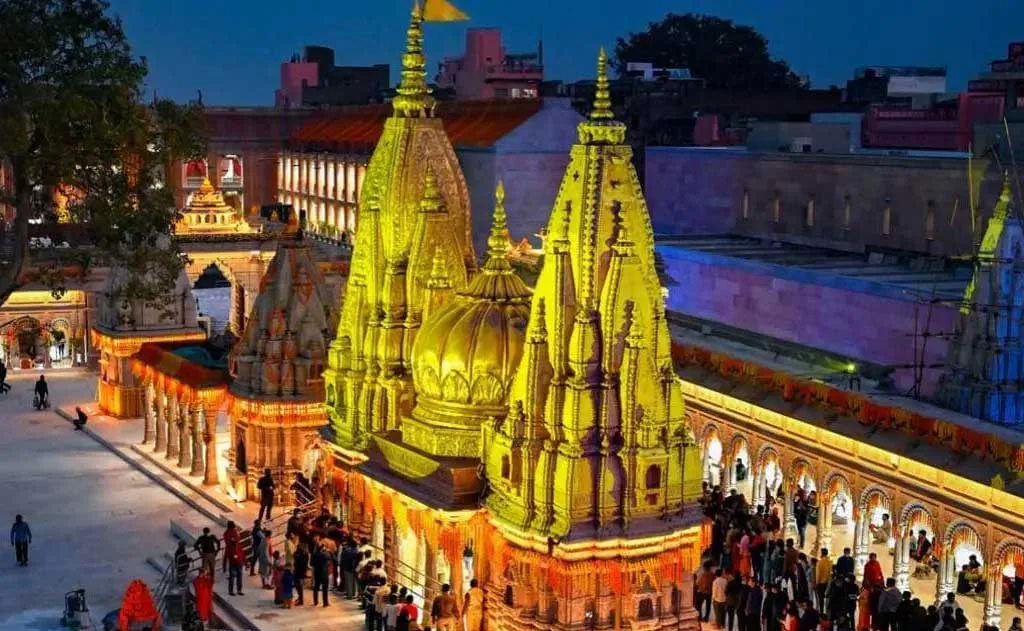
The Greatest Boons to Ask of God — Anayasena Maranam Shloka
Anāyāsena maraṇam, vinā dainyena jīvanam, dehānte tava sānnidhyam — the essence of life in one shloka. Full meaning, explanation and significance.
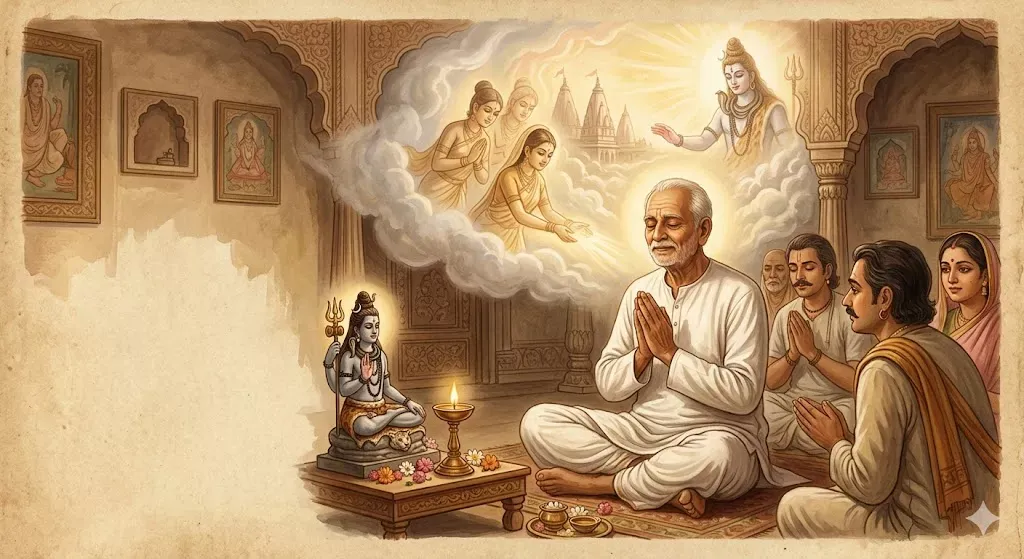
What should one ask of God? Wealth? Position? Fame? Prosperity? Many people pray for such boons. But the truly wise — the rishis and great souls — ask God for a very different kind of boon, captured in one timeless Sanskrit shloka.
The Shloka
Anāyāsena maraṇam, vinā dainyena jīvanam, dehānte tava sānnidhyam, dehi me Parameśvara.
Meaning of the Shloka
- Anāyāsena maraṇam — may death come peacefully, without suffering or agony.
- Vinā dainyena jīvanam — may I live my whole life with self-respect and dignity, never having to beg or depend helplessly on others.
- Dehānte tava sānnidhyam — at the final moment of leaving this body, may I be in Your remembrance and presence.
- Dehi me Parameśvara — O Supreme Lord, grant me these three boons.
Why This Shloka Is So Great
This single shloka holds the essence of human life. Wealth, status, fame and riches are temporary. But living with dignity, dying in peace, and being in the remembrance of God at the final moment — these are the true sources of joy and peace.
Why These Boons Matter
- A dignified life (vinā dainyena jīvanam): to live with self-respect, never compromising one’s integrity for money or recognition.
- A peaceful death (anāyāsena maraṇam): freedom from a painful, struggling end.
- The Lord’s presence at the end (dehānte tava sānnidhyam): remembrance of God at the last breath, which the tradition holds opens the path to liberation (moksha).
How to Recite It
- Recite it once every morning soon after waking.
- Recite it once at night before sleeping.
- Sit before Lord Shiva or Lord Vishnu, recite it, and meditate on the Divine.
Om Namo Narayanaya · Om Namo Bhagavate Vasudevaya 🙏
Conclusion
Wealth, position and fame are temporary; a dignified life, a peaceful death, and the remembrance of God at the end are eternal. If one receives these three boons, one has lost nothing in life. Share this shloka with the elders and children in your home — it is a true teaching for living.
Frequently asked questions
What does Anayasena Maranam mean?
Anāyāsena maraṇam means may death come peacefully, without suffering or agony. It is the first of three boons requested in the shloka.
What are the three boons in the Anayasena Maranam shloka?
They are a peaceful death (anāyāsena maraṇam), a life of dignity without begging or helpless dependence (vinā dainyena jīvanam), and God's presence at the final moment (dehānte tava sānnidhyam).
When should the Anayasena Maranam shloka be recited?
Recite it once every morning soon after waking and once at night before sleeping. It can also be recited sitting before Lord Shiva or Lord Vishnu, followed by meditation on the Divine.
What does Dehi me Parameshvara mean?
Dehi me Parameśvara means O Supreme Lord, grant me these three boons. It is the closing line that turns the three wishes into a prayer.
Why is remembering God at the last breath important?
The tradition holds that remembrance of God at the last breath opens the path to liberation (moksha). That is why the shloka asks for the Lord's presence at the end of life.
Share this with family and friends
Send it on WhatsApp, post it, or copy the link.
More from Pooja, Slokas and Mantras
- Shivashtakam (Prabhum Prananatham Vibhum Vishvanatham): Full Text with Meaning
- Vishnu Ashtottara Shatanamavali: 108 Names of Lord Vishnu with Meaning
- Syamala Dandakam (Manikya Veena) by Kalidasa: Full Sanskrit Text with Meaning
- Durgashtakam (Katyayani Mahamaye): Full Sanskrit Text with Meaning
- Shatpadi Stotram (Vishnu Shatpadi, Avinayam Apanaya Vishno) by Adi Shankaracharya: Full Text with Meaning
You might also like

Narmadashtakam (Sabindu Sindhu) by Adi Shankaracharya: Full Text in Sanskrit with Meaning
Hari Stotram (Jagajjalapalam) by Swami Brahmananda: Full Text in Sanskrit with Meaning
Ganeshashtakam (Yato Anantashakteh) from the Ganesha Purana: Full Text with Meaning