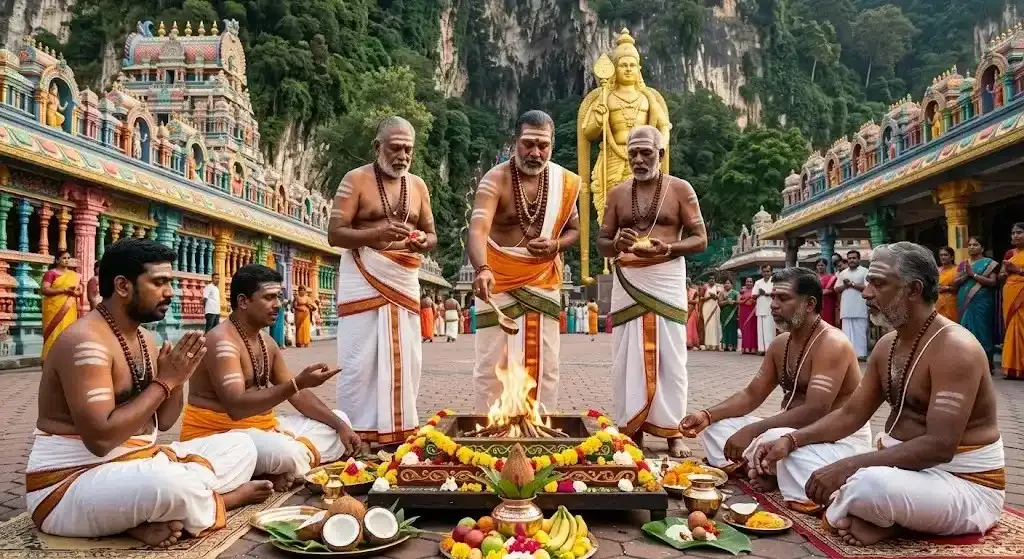
Do Hindus Worship Idols? The Symbolism Behind Murti Puja
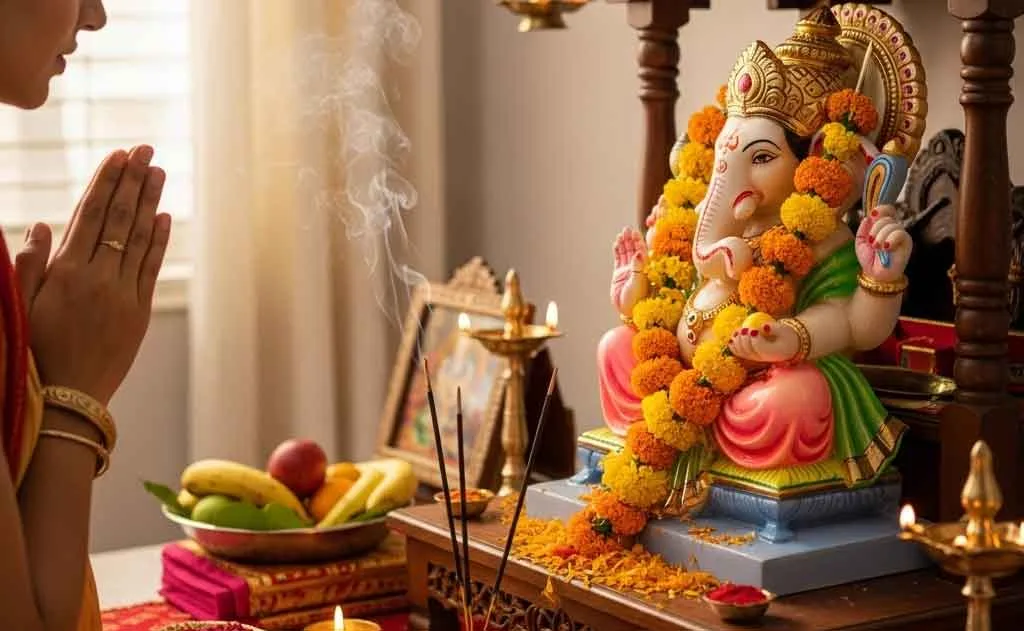
Introduction: A Question That Puzzles Many A young boy once asked his grandfather, "Dada, why do we keep statues of Gods at home?
Introduction: A Question That Puzzles Many A young boy once asked his grandfather, "Dada, why do we keep statues of Gods at home?
Introduction: A Question That Puzzles Many
A young boy once asked his grandfather, "Dada, why do we keep statues of Gods at home? Does God really live inside them?"
The grandfather smiled and replied, "When you see a photo of your parents, do you think it’s just paper and ink? No—it reminds you of their love, their presence. Similarly, a murti (idol) is not just stone or metal—it’s a sacred symbol that helps us feel God’s presence."
This simple yet profound answer holds the essence of Hindu idol worship (Murti Puja). But why do Hindus worship idols? Is it mere superstition, or is there a deeper spiritual truth behind it?
Let’s explore the real meaning behind this ancient practice.
1. The Misconception: “Hindus Worship Stone Idols”
Many outsiders (and even some Hindus) misunderstand idol worship, thinking:
- "Hindus bow down to lifeless statues."
- "They believe God is limited to an idol."
- "Idol worship is primitive and irrational."
But Sanatana Dharma teaches something far more profound.
2. The Truth: Idols Are Divine Symbols, Not God Itself
Hindu scriptures clarify that God is formless (Nirguna Brahman) yet can take infinite forms (Saguna Brahman) for devotees.
The Bhagavad Gita (12.5) says:
"For those whose minds are attached to the unmanifested, impersonal form of the Supreme, advancement is very troublesome."
The Vishnu Purana explains:
"The formless Divine assumes forms out of compassion, so devotees can focus their devotion."
An idol is not God itself, but a sacred medium to connect with the Divine.
3. The Science Behind Idol Worship: How the Mind Works
Human minds are wired to visualize and focus better on tangible forms.
- Example: Can you meditate on "love" as an abstract idea? It’s easier to think of your mother’s face, which evokes love. Similarly, a murti helps direct devotion.
- Ancient temples were designed like energy centers, where the idol (vigraha) acted as a focal point for divine vibrations.
- Prana Pratishta (invoking life into the idol) is a Vedic ritual where the deity’s presence is awakened through mantras.
4. Beautiful Stories That Explain Idol Worship
Story 1: The Little Girl and Krishna’s Idol
A child once asked Sri Ramakrishna, "Is Krishna really inside this idol?"
Ramakrishna replied, "Yes, just as sugar permeates a sugar doll. The doll is shaped like a human, but its essence is sweetness. Similarly, the idol is a form, but God’s presence fills it."
Story 2: Adi Shankara and the Poor Couple
Once, Adi Shankaracharya saw an old couple worshipping a clay Shiva Linga. He criticized them, saying, "God is formless! Why worship clay?"
That night, Lord Shiva appeared in his dream and said, "Shankara, you failed to see my presence in their devotion. For them, that clay Linga was as real as I am."
Shankara realized his mistake and apologized.
5. Why Do We Offer Flowers, Food, and Light to Idols?
Many ask: "Does God need our offerings?"
The answer lies in symbolism:
- Flowers = Surrendering ego (fragrance rises, ego falls)
- Light (Diya) = Removing darkness of ignorance
- Food (Naivedyam) = Offering gratitude before eating
These rituals train the mind to see divinity in everything.
6. What If Someone Rejects Idol Worship?
Hinduism respects all paths:
- For intellectuals (Jnana Yogis) → Meditate on the formless
- For devotees (Bhakti Yogis) → Worship with form
- For action-oriented (Karma Yogis) → Serve God in society
The same ocean can be called water, H₂O, or jal—different names, same truth.
Conclusion: Beyond Stone and Metal
Idol worship is not blind faith—it’s a science of devotion.
Just as:
- A flag represents a nation,
- A photo holds memories,
- A murti embodies the Divine.
Next time someone asks, "Do Hindus worship idols?" tell them:
"We don’t worship the idol—we worship through the idol."
Reflection Question
Do you feel a deeper connection with God when you see a murti? Share your experiences in the comments.
Liked this article? Share it to spread the wisdom of Sanatana Dharma.
Frequently Asked Questions
When is Do Hindus Worship Idols? The Symbolism Behind Murti?
Do Hindus Worship Idols? The Symbolism Behind Murti is observed on its traditional tithi in the Hindu lunar calendar; refer to the year's panchang for the exact date in your region.
What is the significance of Do Hindus Worship Idols? The Symbolism Behind Murti?
Introduction: A Question That Puzzles Many A young boy once asked his grandfather, "Dada, why do we keep statues of Gods at home? Does God really live inside them?" The grandfather smiled and replied, "When you see a photo of your parents, do you think it’s just paper and ink?
How is Do Hindus Worship Idols? The Symbolism Behind Murti celebrated?
Devotees observe it with puja, fasting or special offerings, visiting temples, chanting mantras, and gathering with family. Customs vary by region and tradition.
What should devotees do on Do Hindus Worship Idols? The Symbolism Behind Murti?
Take a sacred bath, perform the day's puja and charity (dana), observe any prescribed fast, and chant mantras with sincere devotion.
You might also like
Purushottam Maas 2026: Lord Vishnu's Sacred Gift of Spiritual Multiplication & Divine Grace
Shani Jayanti 2026: Date, Significance, Rituals & Powerful Mantras
Hindu Priest Jobs New Zealand 2026 — Auckland, Wellington, Christchurch Vacancies & NZ Religious Worker Visa Guide