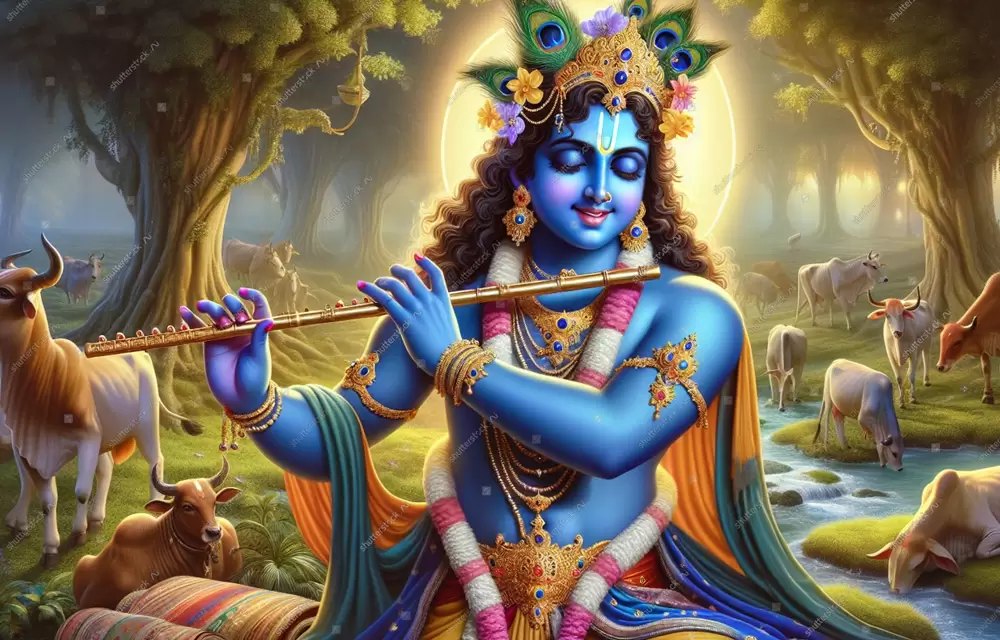
Janmashtami Celebrations in India 2025: A Divine Journey of Devotion
Janmashtami Celebrations in India 2025: A Divine Journey of Devotion Janmashtami, the sacred festival celebrating the birth of Lord Krishna, is one of the most…
Janmashtami Celebrations in India 2025: A Divine Journey of Devotion Janmashtami, the sacred festival celebrating the birth of Lord Krishna, is one of the most…
Update (October 2026): In 2026, Krishna Janmashtami fell on Friday, 4 September. This article describes an earlier observance — for current dates and guidance, see our Krishna Janmashtami 2026.
Janmashtami Celebrations in India 2025: A Divine Journey of Devotion
Janmashtami, the sacred festival celebrating the birth of Lord Krishna, is one of the most cherished Hindu festivals observed with unparalleled devotion across India. Known as Krishna Janmashtami or Gokulashtami, this festival commemorates the divine arrival of Lord Vishnu’s eighth avatar, born to restore dharma and spread love, wisdom, and joy. In 2025, Janmashtami is set to be celebrated on August 14–15, with millions uniting in temples, homes, and communities to honor the playful yet profound deity. This SEO-optimized devotional article for www.hindutone.com explores the spiritual significance, regional traditions, rituals, and eco-friendly practices that make Janmashtami a vibrant celebration of faith.
The Spiritual Significance of Janmashtami
Janmashtami marks the birth of Lord Krishna, born over 5,000 years ago in Mathura to Devaki and Vasudeva. According to Hindu scriptures like the Bhagavata Purana and Vishnu Purana, Krishna’s birth was a divine intervention to end the tyranny of King Kansa. His life, filled with miracles, teachings, and playful leelas, inspires devotees to embrace righteousness, devotion (bhakti), and selfless action (nishkama karma). The festival symbolizes the triumph of good over evil and serves as a reminder of Krishna’s timeless wisdom in the Bhagavad Gita, guiding devotees toward a life of purpose and spirituality.https://mesmerizeindia.com/blogs/all-blogs/the-story-and-significance-of-janmashtami-the-divine-birth-of-lord-krishnahttps://www.britannica.com/question/What-is-Janmashtami-and-why-is-it-celebrated
Celebrated on the eighth day (Ashtami) of the Krishna Paksha in the month of Bhadrapada (August–September), Janmashtami is often a two-day affair due to Krishna’s midnight birth. The first day focuses on fasting and spiritual preparation, while the second day bursts with community festivities, music, and dance. This sacred occasion fosters unity, inviting people of all backgrounds to experience Krishna’s divine love.https://www.manyavar.com/en-in/blog-why-janmashtami-is-celebrated-religious-cultural-significance.htmlhttps://hinduculturehub.com/hindu-festivals-and-celebrations/janmashtami/
How India Celebrates Janmashtami: Regional Traditions
India’s diverse cultural tapestry ensures that Janmashtami is celebrated uniquely across regions, each adding its own flavor to the festivities. Here’s a look at how different states honor Lord Krishna:
1. Mathura and Vrindavan, Uttar Pradesh: The Birthplace of Krishna
Mathura, Krishna’s birthplace, and Vrindavan, where he spent his childhood, are the epicenters of Janmashtami celebrations. Temples like Shri Krishna Janmabhoomi Mandir and ISKCON Vrindavan are adorned with flowers, lights, and intricate decorations. Devotees fast until midnight, when Krishna’s birth is celebrated with aarti, conch blowing, and the rhythmic chanting of Hare Krishna, Hare Rama. Ras Leela performances reenact Krishna’s playful dances with the gopis, while cradles with baby Krishna idols are gently swung, symbolizing his infancy. The streets glow with tableaux (jhankis), and children dressed as Krishna steal hearts.https://curlytales.com/india/travel/6-different-ways-in-which-janmashtami-in-which-janmastami-is-celebrated-across-indian-states/https://www.newsbytesapp.com/news/lifestyle/different-ways-janmashtami-is-celebrated-across-india/story
2. Maharashtra: The Thrill of Dahi Handi
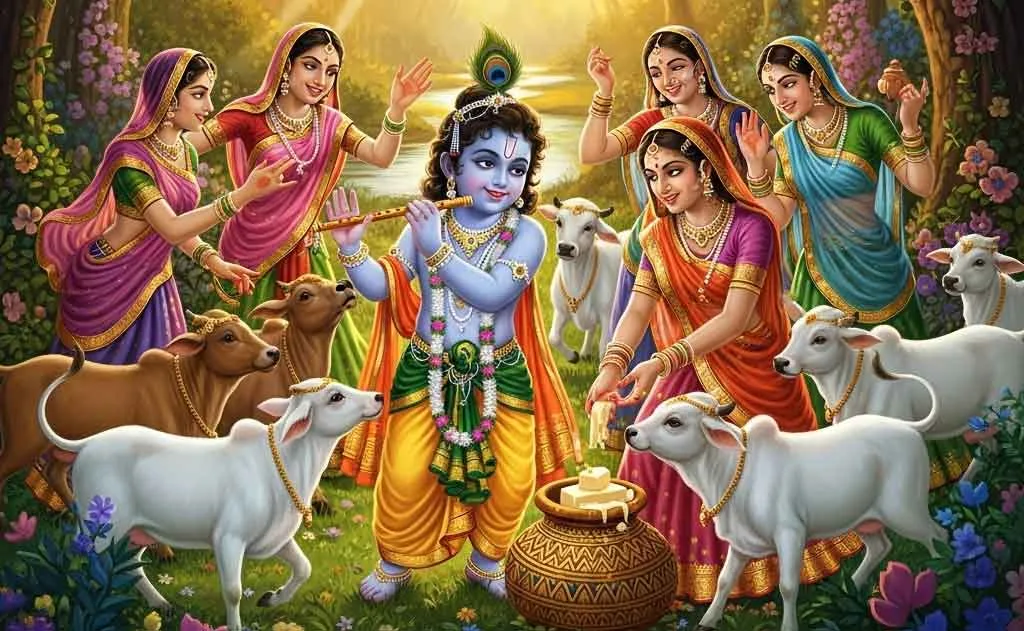
In Maharashtra, Janmashtami is synonymous with Dahi Handi, a vibrant tradition inspired by Krishna’s love for butter. Teams of young men, called Govindas, form human pyramids to break clay pots filled with curd, hung high above the streets. Crowds cheer to chants of “Govinda, Govinda,” and the air pulses with music and excitement. This daring act symbolizes Krishna’s mischievous childhood and fosters community spirit. Eco-conscious communities are returning to clay pots to reduce environmental impact.https://indiablog.in/janmashtamihttps://www.newsbytesapp.com/news/lifestyle/different-ways-janmashtami-is-celebrated-across-india/story
3. Gujarat: Devotion Meets Dance
In Gujarat, Janmashtami blends devotion with the rhythmic swirl of Garba and Raas Leela. The Dwarkadhish Temple in Dwarka, believed to be Krishna’s kingdom, is a focal point of celebrations, adorned with lights and precious jewelry. Devotees swing baby Krishna idols in decorated cradles and offer prayers with kirtans and bhajans. Women in vibrant chaniya cholis dance to Krishna-centric songs, merging faith with festivity.https://curlytales.com/india/travel/6-different-ways-in-which-janmashtami-in-which-janmastami-is-celebrated-across-indian-states/https://www.newsbytesapp.com/news/lifestyle/different-ways-janmashtami-is-celebrated-across-india/story
4. Odisha and West Bengal: Sweets and Scriptures
In eastern India, Janmashtami is a time for fasting, scripture reading, and offering sweets to baby Krishna (Gopal). In Odisha, the Jagannath Temple in Puri hosts grand rituals, with devotees reciting the Bhagavata Purana and singing folk songs. West Bengal’s households prepare delicacies like Taler boda (sugar palm fritters) and offer Chappan Bhog (56 dishes) to Krishna. The focus is on intimate devotion, with swings decorated for Krishna’s idol.https://curlytales.com/india/travel/6-different-ways-in-which-janmashtami-in-which-janmastami-is-celebrated-across-indian-states/https://www.newsbytesapp.com/news/lifestyle/different-ways-janmashtami-is-celebrated-across-india/story
5. Manipur: Art and Worship
Manipur’s Janmashtami is a blend of theater and spirituality. The Govindajee Temple in Imphal resonates with cymbals and conch shells, while Manipuri Ras Leela dancers narrate Krishna and Radha’s stories through graceful movements and colorful costumes. These performances, rooted in classical traditions, make the festival a soulful celebration of art and devotion.https://curlytales.com/india/travel/6-different-ways-in-which-janmashtami-in-which-janmastami-is-celebrated-across-indian-states/https://www.newsbytesapp.com/news/lifestyle/different-ways-janmashtami-is-celebrated-across-india/story
6. South India: Kolams and Krishna Paintings
In Tamil Nadu, Kerala, and Andhra Pradesh, Janmashtami is marked by simplicity and devotion. Homes are decorated with kolams (rangoli) and tiny footprints symbolizing Krishna’s entry. In Andhra Pradesh, devotees worship Krishna’s paintings instead of idols, singing shlokas and offering fruits and sweets. South Indian temples perform Krishna Abhishekam, bathing idols with panchamrit (milk, curd, ghee, honey, and sugar).https://www.manyavar.com/en-in/blog-why-janmashtami-is-celebrated-religious-cultural-significance.html
Key Rituals of Janmashtami
Janmashtami rituals are steeped in devotion, uniting families and communities in Krishna’s love. Common practices include:
- Fasting: Devotees observe a nirjala (waterless) or partial fast until midnight, breaking it with prasadam like butter, milk, and sweets, reflecting Krishna’s favorites.https://mesmerizeindia.com/blogs/all-blogs/the-story-and-significance-of-janmashtami-the-divine-birth-of-lord-krishna
- Midnight Celebrations: Krishna’s birth at midnight is marked by aarti, bell ringing, and conch blowing in temples and homes.https://mesmerizeindia.com/blogs/all-blogs/the-story-and-significance-of-janmashtami-the-divine-birth-of-lord-krishna
- Jhulan Ceremony: Baby Krishna idols are placed in flower-adorned cradles and gently rocked, symbolizing parental love.https://mesmerizeindia.com/blogs/all-blogs/the-story-and-significance-of-janmashtami-the-divine-birth-of-lord-krishna
- Chanting and Bhajans: The Hare Krishna Mahamantra and devotional songs fill the air, believed to bring peace and blessings.https://mesmerizeindia.com/blogs/all-blogs/the-story-and-significance-of-janmashtami-the-divine-birth-of-lord-krishna
- Scripture Reading: Passages from the Bhagavad Gita and Srimad Bhagavatam are recited, narrating Krishna’s divine leelas.https://mesmerizeindia.com/blogs/all-blogs/the-story-and-significance-of-janmashtami-the-divine-birth-of-lord-krishna
- Decorations: Homes and temples are adorned with flowers, lights, and jhankis depicting Krishna’s life.https://learnwithshivanshi.com/janmashtami-everything-you-need-to-know/
- Chappan Bhog: In some regions, 56 dishes are offered to Krishna, symbolizing abundance and gratitude.https://www.manyavar.com/en-in/blog-why-janmashtami-is-celebrated-religious-cultural-significance.html
Eco-Friendly Janmashtami: Honoring Krishna and Nature
Krishna’s love for nature, evident in his life in Vrindavan and his protection of Govardhan Hill, inspires eco-conscious celebrations. To align with his teachings of dharmic ecology, devotees are adopting sustainable practices:
- Clay Idols: Using natural clay idols painted with plant-based dyes (turmeric, indigo) instead of Plaster of Paris prevents river pollution. Home immersions in reusable water buckets further protect aquatic life.https://timesofindia.indiatimes.com/blogs/the-india-centre/janmashtami-a-festival-for-krishna-and-the-earth/
- Sustainable Decorations: Fresh flowers, banana leaves, and recycled materials replace plastic and synthetic decor. LED and solar-powered lights reduce energy use.https://timesofindia.indiatimes.com/blogs/the-india-centre/janmashtami-a-festival-for-krishna-and-the-earth/
- Eco-Friendly Prasad: Serving prasadam on banana leaves or reusable steel plates avoids plastic waste. Organic, locally sourced ingredients support sustainable farming.https://timesofindia.indiatimes.com/blogs/the-india-centre/janmashtami-a-festival-for-krishna-and-the-earth/
- Dahi Handi with Clay Pots: Traditional earthen pots are favored over plastic ones, ensuring biodegradability.https://timesofindia.indiatimes.com/blogs/the-india-centre/janmashtami-a-festival-for-krishna-and-the-earth/
- Community Initiatives: Planting “Krishna Gardens” with Tulsi and native trees or organizing river clean-ups honors Krishna’s connection to the Yamuna.https://timesofindia.indiatimes.com/blogs/the-india-centre/janmashtami-a-festival-for-krishna-and-the-earth/
These practices reflect Krishna’s call for selfless action and environmental stewardship, making Janmashtami a festival for both devotion and the Earth.https://timesofindia.indiatimes.com/blogs/the-india-centre/janmashtami-a-festival-for-krishna-and-the-earth/
Janmashtami Around the World
Janmashtami’s universal appeal extends beyond India, with the Indian diaspora and ISKCON temples celebrating globally. In the UK, USA, Canada, and Nepal, temples host kirtans, cultural programs, and prasadam distribution. Nepal declares Janmashtami a national holiday, with thousands visiting Krishna Mandir in Patan. Virtual jhankis and livestreamed rituals connect devotees worldwide, spreading Krishna’s message of love and unity.https://indiablog.in/janmashtamihttps://www.manyavar.com/en-in/blog-why-janmashtami-is-celebrated-religious-cultural-significance.html
Dressing for Janmashtami: Festive Fashion
Dressing in Krishna-inspired attire enhances the festive spirit. Women often choose peacock blue, butter yellow, or purple sarees, lehengas, or Anarkalis with peacock feather motifs or Krishna-themed embroidery. Men opt for kurtas in vibrant colors, sometimes paired with dhotis. Accessories like flute-shaped pendants, peacock-motif jewelry, and ghungroo anklets add a divine touch.https://www.manyavar.com/en-in/blog-why-janmashtami-is-celebrated-religious-cultural-significance.html
Life Lessons from Janmashtami
Janmashtami is more than a festival; it’s a spiritual awakening. Krishna’s teachings in the Bhagavad Gita—embracing duty, detachment, and devotion—resonate deeply. The festival encourages devotees to live with love, humility, and courage, fostering a deeper connection with the divine. As Krishna promises in the Gita, he reciprocates love offered with sincerity, making Janmashtami a time for reflection and renewal./culture/why-janmashtami-is-more-than-a-festival-a-spiritual-awakening/
Conclusion: A Celebration of Love and Dharma
Janmashtami 2025 will be a divine journey of devotion, uniting millions in India and beyond. From Mathura’s sacred rituals to Maharashtra’s daring Dahi Handi, Gujarat’s vibrant dances, and eco-friendly initiatives, the festival embodies Krishna’s universal message of love, joy, and righteousness. As you light diyas, swing Krishna’s jhula, and chant his name, let Janmashtami inspire you to carry his divine presence in your heart every day.
Hare Krishna, Hare Krishna, Krishna Krishna, Hare Hare
Hare Rama, Hare Rama, Rama Rama, Hare Hare
Celebrate Janmashtami 2025 with devotion and sustainability, and let Lord Krishna’s blessings guide you toward a life of dharma and love. Visit www.hindutone.com for more spiritual insights and festival guides.
Frequently Asked Questions
What is Janmashtami Celebrations in India?
Janmashtami Celebrations in India 2025: A Divine Journey of Devotion Janmashtami, the sacred festival celebrating the birth of Lord Krishna, is one of the most cherished Hindu festivals observed with unparalleled devotion across India. Known as Krishna Janmashtami or Gokulashtami, this festival commemorates the divine arrival of Lord Vishnu’s eighth avatar,
What are the key points about Janmashtami Celebrations in India?
In 2025, Janmashtami is set to be celebrated on August 14–15, with millions uniting in temples, homes, and communities to honor the playful yet profound deity. This SEO-optimized devotional article for www.hindutone.com explores the spiritual significance, regional traditions, rituals, and eco-friendly practices that make Janmashtami a vi
Why does Janmashtami Celebrations in India matter in Hinduism?
It reflects core values of Sanatana Dharma and offers practical and spiritual guidance that remains relevant across generations.
How can devotees apply Janmashtami Celebrations in India in daily life?
By reflecting on its teaching, incorporating the related practices or observances into daily routine, and approaching it with sincere devotion and understanding.
You might also like
Gita Jayanti 2026 Prasad Recipes — Tulsi-Honoring Sweets, Krishna's Favourites & December 20 Bhog Plate
Maha Shivratri 2026 Vrat Recipes — Sabudana Khichdi, Singhada Halwa, Phalahara Foods Complete Fasting Guide
Shani Deva Temples Worldwide & Must-Performed Rituals — Complete Devotee's Guide