Jyeshtha Amavasya 2025: Date, Rituals, Pitru Tarpan & Spiritual Significance
SEO Meta Description:Jyeshtha Amavasya 2025 falls on June 25.
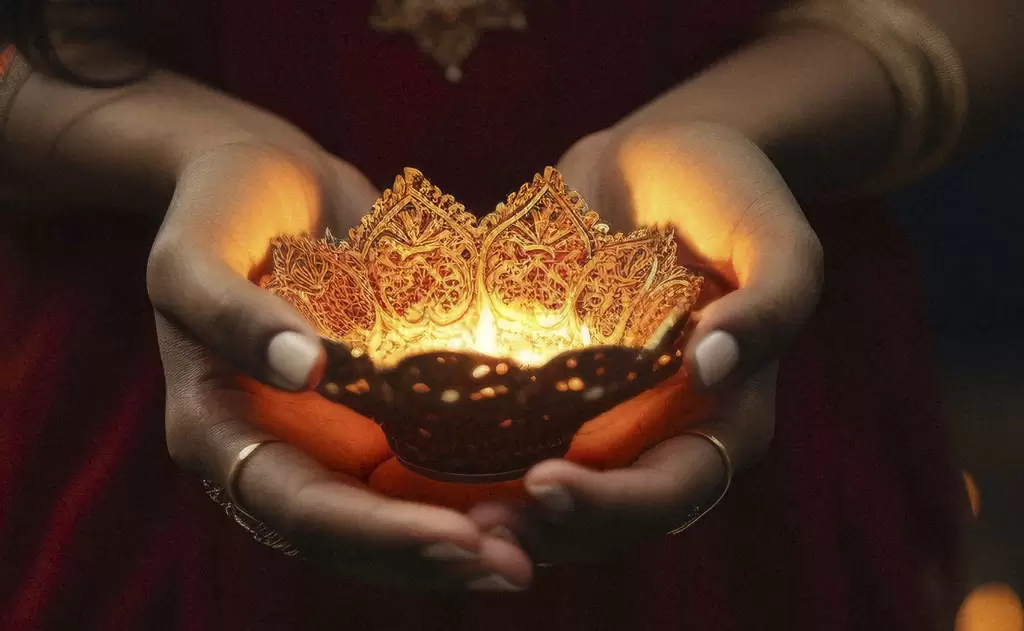
SEO Meta Description:Jyeshtha Amavasya 2025 falls on June 25.
SEO Meta Description:
Jyeshtha Amavasya 2025 falls on June 25. Explore Pitru Tarpan, charity, fasting, and spiritual practices to honor ancestors and remove negative energies.
Introduction: What is Jyeshtha Amavasya?
Jyeshtha Amavasya marks the new moon day in the Hindu month of Jyeshtha. In 2025, it falls on Wednesday, June 25. It is an auspicious day for performing Pitru Tarpan, offering charity, and seeking spiritual purification. This Amavasya is dedicated to honoring ancestors and clearing karmic debts.
Astrological & Spiritual Significance
In Vedic tradition, Amavasya is ideal for introspection, meditation, and ancestral rituals. The absence of the moon represents a time for inner reflection. Jyeshtha Amavasya, occurring in peak summer, amplifies energies for cleansing negative karma and strengthening family blessings.
Mythological Importance
Jyeshtha Amavasya is linked to Pitru Tarpan, the offering of water and food to forefathers. As per the Puranas, neglecting ancestral rites may cause Pitru Dosha, affecting prosperity and harmony. This day opens gateways for blessings and peace in the lineage.
Key Rituals on Jyeshtha Amavasya
- Early bath in sacred rivers (Ganga, Yamuna, Godavari)
- Pitru Tarpan with water, sesame seeds, and rice
- Charity to Brahmins, the poor, or feeding animals
- Lighting sesame oil lamps, chanting mantras, and homa
Simple Puja Vidhi
- Bathe and wear clean clothes
- Set up a diya, tulsi leaves, sesame seeds, and rice
- Offer water with mantras (e.g., Om Namo Bhagavate Vasudevaya)
- Pray sincerely for ancestor blessings and peace
Dos & Don’ts
- Do charity, meditation, Pitru Tarpan, silence
- Avoid starting new work, long travel, or consuming non-veg, alcohol, onion, and garlic
Special Remedies & Practices
- Fasting or maun vrat (silence)
- Recite Bhagavad Gita, Vishnu Sahasranama, or Garuda Purana
- Donate sesame, silver, clothes, or cows
- Feed crows, cows, and birds for Pitru Dosha relief
Regional Observances
- North India: Ganga snan and Tarpan
- Maharashtra / Karnataka: Temple rituals, bhajans
- Tamil Nadu / Kerala: Family shrine offerings, group Shraddha
Planetary & Environmental Beliefs
Lighting oil lamps near Peepal trees or at crossroads is believed to remove negative planetary effects and bring peace to ancestral souls.
Scientific View
Amavasya’s lunar phase impacts human behavior and tides. The new moon’s energy supports deeper meditation and healing practices.
Conclusion
Jyeshtha Amavasya 2025 (June 25) is a sacred opportunity for spiritual cleansing, ancestral connection, and karmic healing. With mindful rituals and good deeds, devotees can invite blessings for themselves and future generations.
FAQs
When is Pitru Tarpan best done?
Morning after sunrise, during Kutup or Rohina Muhurat.
Can women perform Amavasya rituals?
Yes, unless family traditions say otherwise.
What donations are auspicious?
Food, water, sesame, clothes, cows, silver.
Is fasting compulsory?
Optional but spiritually beneficial.
Why Jyeshtha Amavasya Holds a Unique Place Among the Twelve Amavasyas
Of the twelve Amavasyas in the Hindu lunar calendar, Jyeshtha Amavasya carries exceptional weight because it coincides with the month presided over by the deity Jyeshtha — an ancient goddess associated with misfortune, elder siblings, and ancestral lineage. The Skanda Purana specifically mentions that the Pitrus (ancestral souls) are most accessible to their living descendants during this lunar phase, when the veil between the mortal world (Martya Loka) and the realm of the ancestors (Pitru Loka) grows thin.
Additionally, the sun is positioned in Vrishabha Rashi (Taurus) or moves into Mithuna Rashi (Gemini) around this period, a transition that Vedic astrologers link with heightened sensitivity in family karma. Rituals performed under this planetary configuration are said to yield results equivalent to those performed during the Mahalaya Paksha — the fortnight of ancestors celebrated in autumn — making Jyeshtha Amavasya a second, equally potent window for ancestral propitiation.
The Scriptural Basis for Pitru Tarpan: What the Vedas and Puranas Actually Say
The practice of Tarpan is rooted in the Rigveda (10.15) and the Atharvaveda, both of which contain hymns addressed directly to the Pitrus, inviting them to accept offerings of water (jala), barley (yava), and sesame (tila). The Taittiriya Aranyaka elaborates that sesame seeds hold the greatest purifying power among all offering substances because they are believed to have originated from the sweat of Lord Vishnu, making them inherently sanctified.
The Garuda Purana devotes entire chapters (particularly the Preta Khanda) to explaining how a soul's journey through the afterlife is eased when living descendants offer Tarpan faithfully. It specifies that offering water mixed with black sesame seeds (krishna tila) while facing south — the direction of Yama, the lord of death — is the most effective posture for reaching souls in Pitru Loka. The Manu Smriti further codifies that this duty falls primarily on the eldest son, though any family member may perform it with sincere intent.
Sacred Sites Across India Where Jyeshtha Amavasya Tarpan Carries Special Merit
Certain tirthas (pilgrimage sites) are described in the Puranas as Pitru Tirthas — places where ancestral rites generate exponentially greater merit (punya). Gaya in Bihar is foremost among these; the Vayu Purana states that a single Pinda Dana performed at the Vishnupada Temple in Gaya liberates the souls of seven preceding generations. Thousands of pilgrims make the journey specifically on Amavasya days, with Jyeshtha Amavasya drawing particularly large gatherings before the monsoon season seals travel routes.
The Trimbakeshwar Jyotirlinga near Nashik, Maharashtra, is another site of immense importance, as the Godavari River originates nearby and is considered equivalent to the Ganga for purposes of ancestral rites. In Tamil Nadu, the Rameswaram temple complex on Pamban Island has sixteen theerthas (sacred tanks) where Tarpan is traditionally offered; the Agni Theertham at the sea's edge is especially frequented on Amavasya days. In North India, the Triveni Sangam at Prayagraj — confluence of the Ganga, Yamuna, and the invisible Saraswati — remains one of the most auspicious locations for Jyeshtha Amavasya snan (holy bath) and Tarpan.
Understanding Pitru Dosha: Causes, Symptoms, and How Jyeshtha Amavasya Remedies It
Pitru Dosha is not a punishment but an imbalance — a debt owed to one's ancestors when their rites have been neglected across generations. Vedic astrology identifies Pitru Dosha in a horoscope when the Sun and Rahu conjoin in the ninth house (the house of father and dharma), or when Saturn aspects the Sun in certain configurations. Symptoms attributed to Pitru Dosha in traditional texts include unexplained obstacles in marriage alliances, repeated miscarriages, financial stagnation despite effort, and disharmony among siblings.
Jyeshtha Amavasya offers a structured opportunity to address this imbalance through a combination of Tarpan, Pinda Dana (rice-ball offerings), and the recitation of the Pitru Gayatri mantra: 'Om Pitru Devaya Vidmahe, Jagat Dharine Dhimahi, Tanno Pitru Prachodayat.' Donating a cow (Go-daan), silver (Rajat-daan), or food grains on this day is specifically recommended in the Dharmasindhu — an authoritative 18th-century digest of Hindu ritual law — as an effective remedy for Pitru Dosha when Gaya pilgrimage is not immediately possible.
The Role of Crows, Cows, and Fish in Ancestral Offerings — and the Reason Behind It
The Garuda Purana and the Markandeya Purana both identify the crow (kaka) as a messenger of the Pitrus. It is believed that ancestral souls temporarily inhabit crows during the Pitru Paksha and on Amavasya days to accept food offerings from their descendants. This is why feeding crows rice balls or cooked rice mixed with sesame on Jyeshtha Amavasya is considered a direct act of nourishing the ancestors, and observing a crow eating the offering is regarded as an auspicious sign that the soul has accepted it.
The cow (go) holds a parallel significance because she is described in the Mahabharata (Anushasana Parva) as carrying countless deities and ancestors within her body. Feeding a cow before one's own meal on Amavasya is therefore an act of collective reverence. Fish and aquatic creatures are similarly respected on this day — rivers are considered alive with ancestral presence, which is one reason why releasing fish (matsya moksha) in a river on Amavasya is practiced in several regional traditions as a means of generating Pitru punya.
Mantra Practice and Inner Sadhana Suited to Jyeshtha Amavasya
Beyond external rituals, Jyeshtha Amavasya is recognised in tantric and yogic traditions as one of the most powerful nights for internal practice (antara sadhana). The absence of moonlight is not seen as inauspicious but as a canvas of pure stillness, ideal for mantra japa, pranayama, and meditation on one's lineage. The Mahamrityunjaya Mantra (Rigveda 7.59.12) is widely chanted on this night for the peace of departed souls, as its vibration is said to cut through the bondage of death (mrityu pasha) and liberate suffering souls.
For those dealing with grief or unresolved family wounds, the recitation of the eleventh chapter of the Bhagavad Gita — the Vishwaroopa Darshana — is recommended by many traditional acharyas on Amavasya evenings, as it reveals the all-encompassing nature of the divine into which all souls ultimately dissolve. Lighting a sesame oil lamp (tila-taila deepa) facing south throughout the night and chanting 'Om Namah Shivaya' 108 times is a simple yet complete practice accessible to any household, regardless of regional tradition or family lineage.
Frequently Asked Questions
When is Jyeshtha Amavasya?
Jyeshtha Amavasya is observed on its traditional tithi in the Hindu lunar calendar; refer to the year's panchang for the exact date in your region.
What is the significance of Jyeshtha Amavasya?
SEO Meta Description: Jyeshtha Amavasya 2025 falls on June 25. Explore Pitru Tarpan, charity, fasting, and spiritual practices to honor ancestors and remove negative energies.
How is Jyeshtha Amavasya celebrated?
Devotees observe it with puja, fasting or special offerings, visiting temples, chanting mantras, and gathering with family. Customs vary by region and tradition.
What should devotees do on Jyeshtha Amavasya?
Take a sacred bath, perform the day's puja and charity (dana), observe any prescribed fast, and chant mantras with sincere devotion.
You might also like
Shani Deva Temples Worldwide & Must-Performed Rituals — Complete Devotee's Guide

Gita Jayanti 2026 Prasad Recipes — Tulsi-Honoring Sweets, Krishna's Favourites & December 20 Bhog Plate

Maha Shivratri 2026 Vrat Recipes — Sabudana Khichdi, Singhada Halwa, Phalahara Foods Complete Fasting Guide