
Hindu Symbols
Hindu worship and daily life are full of symbols, each carrying layers of meaning built up over centuries. The sacred syllable Om (Aum) is regarded as the sound of the Absolute; the swastika is an ancient sign of auspiciousness drawn at thresholds and on account books; the lotus represents purity rising from muddy water; and the kalash, conch, lamp and trishul all appear in puja and in temple art.
Symbols also appear on the body and in the home. The tilak or namam on the forehead often indicates a devotee's tradition, rangoli and kolam welcome guests and deities alike, and sacred trees and plants such as tulsi, peepal and banyan are honoured in courtyards and temples. For many families these symbols are part of the visual language of Hindu Traditions and Customs, passed on to children long before they learn the theology behind them.
On this page you will find explainers on individual symbols and their meanings, how they are used in rituals and festivals, regional variations, the stories connected with them, and answers to common questions from curious readers and younger generations abroad.
Latest Articles

FAQs
What are the most important Hindu symbols?
Key symbols include Om, the sacred sound; the swastika, a sign of auspiciousness; the lotus, purity; the kalash, abundance; the conch (shankha) and discus (chakra) of Vishnu; Shiva's trishula; the Shivalinga; the tilak on the forehead; rudraksha beads; and the Sri Yantra. Each carries layers of meaning across traditions.
What does the Hindu swastika mean?
In Hinduism the swastika, from the Sanskrit 'su-asti' meaning 'well-being', is an ancient symbol of good fortune and auspiciousness, drawn at thresholds, on account books and at the start of rituals. It is usually associated with Ganesha and the sun. Its meaning is entirely different from the Nazi emblem.
What is the meaning of Om?
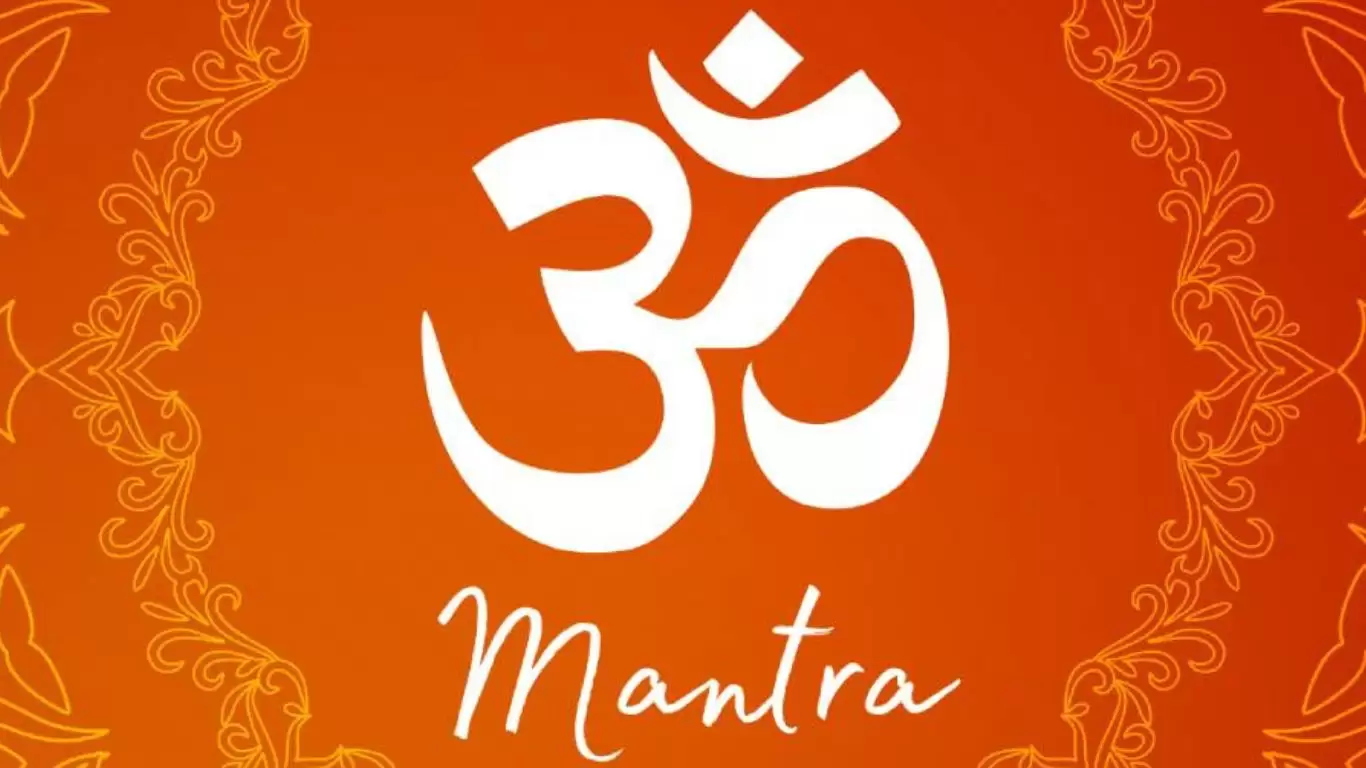
Om, or Aum, is regarded as the primordial sound and a symbol of the ultimate reality, Brahman. The Mandukya Upanishad links its three sounds to waking, dreaming and deep sleep, and the silence after it to pure consciousness. It is chanted at the beginning of most mantras and prayers.