
Homam and Havan
Homam, also called havan or yajna in its broader sense, is one of the oldest forms of Hindu worship, in which offerings of ghee, grains and herbs are made into a consecrated fire while Vedic mantras are chanted. Agni, the fire, is regarded as the messenger who carries the offerings to the deities, which is why homams sit at the heart of many important rites.
Families typically arrange a homam for occasions such as a housewarming, a birthday, a wedding, the start of a business or a phase of difficulty in life. There are many kinds, among them Ganapati Homam, Navagraha Homam, Sudarshana Homam and Ayushya Homam, each traditionally associated with a particular intention. Most are conducted by trained priests, while simpler havans are also performed at home in many North Indian families.
HinduTone articles here explain the types of homam and their traditional significance, how families prepare, what to expect when a priest conducts one, and how temples abroad offer homam services. Related pages include Puja Vidhi, Navagraha Puja and Griha Pravesh.
Latest Articles
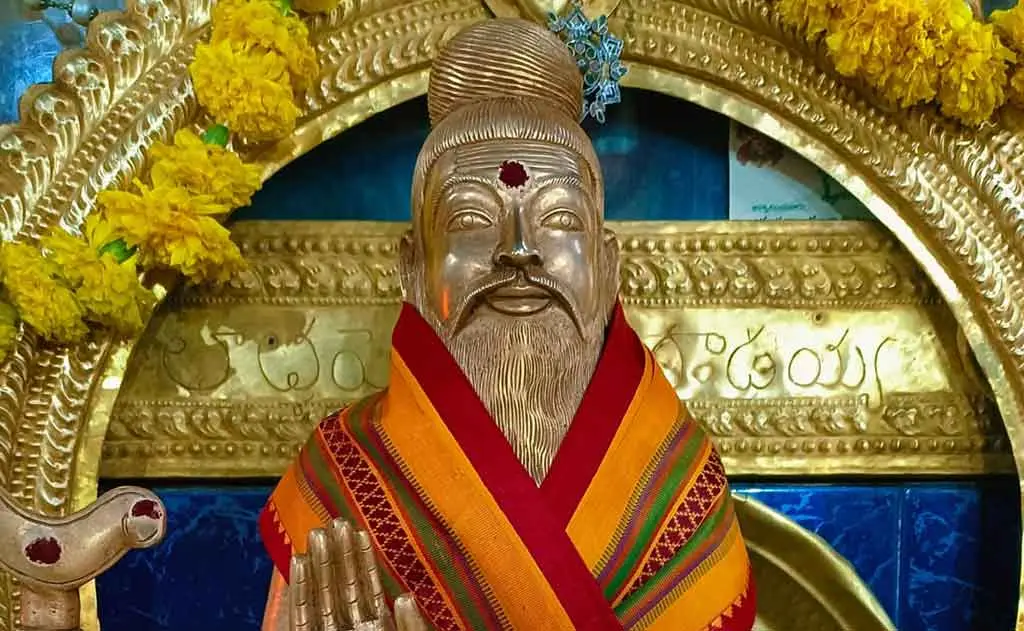
Maha Mrityunjaya Homam at Mogalicherla Sri Dattatreya Swami Mandiram on Karthika Pournami, 24 November 2026
Chandi Homam at Mogalicherla Sri Dattatreya Swami Mandiram on Ashwayuja Pournami, 26 October 2026
FAQs
What is a homam?
A homam, also called havan or yagna, is a Vedic fire ritual in which offerings such as ghee, grains, herbs and samidha sticks are made into a consecrated fire while mantras are chanted. Agni, the fire god, is believed to carry the offerings to the deities being worshipped.
What are the common types of homam?
Popular homams include Ganapati homam for new beginnings, Navagraha homam for planetary peace, Sudarshana homam, Rudra homam, Chandi homam and Ayushya homam for a child's birthday. The choice usually depends on family tradition and the occasion, and a priest helps decide.
Can a homam be performed at home?
Yes, many families perform homams at home for griha pravesham, birthdays or festivals, usually with a qualified priest who arranges the kundam and samagri. Ensure good ventilation and fire safety, and check building rules if you live in an apartment.