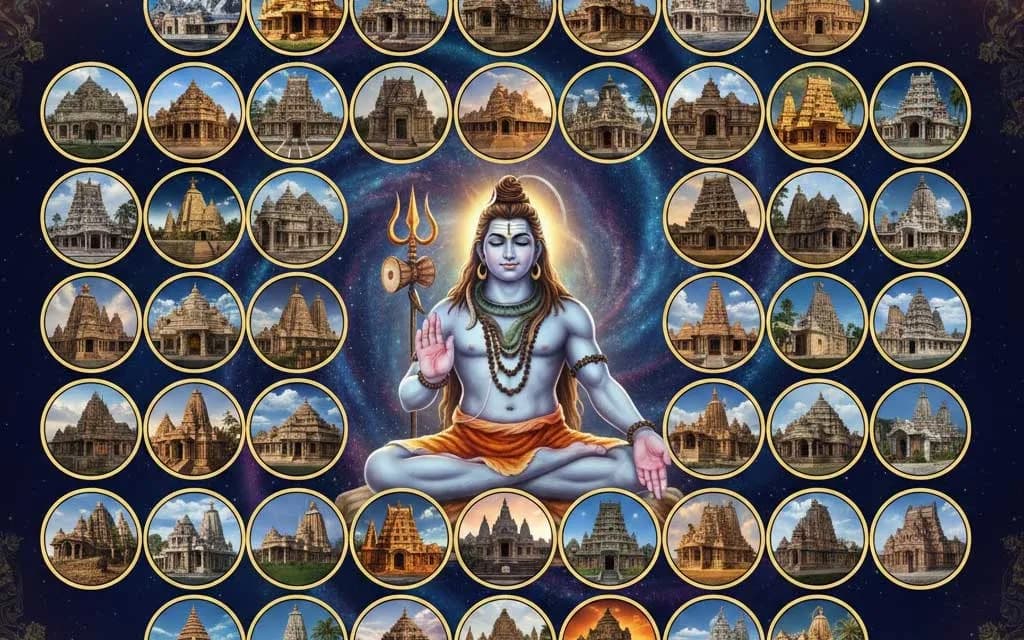
100 Sacred Lord Shiva Temples Around the World: A Divine Journey for Maha Shivaratri
Meta Title: 100 Must-Visit Lord Shiva Temples Worldwide | Maha Shivaratri 2026 Guide Meta Description: Discover 100 sacred Lord Shiva temples across the globe…
Meta Title: 100 Must-Visit Lord Shiva Temples Worldwide | Maha Shivaratri 2026 Guide Meta Description: Discover 100 sacred Lord Shiva temples across the globe…
Meta Title: 100 Must-Visit Lord Shiva Temples Worldwide | Maha Shivaratri 2026 Guide
Meta Description: Discover 100 sacred Lord Shiva temples across the globe to visit on Maha Shivaratri. Complete country-wise guide with history, significance, and travel tips for devotees.
Introduction: Embarking on a Sacred Pilgrimage
Maha Shivaratri, the great night of Lord Shiva, is one of the most auspicious occasions for Shiva devotees worldwide. This divine celebration transcends geographical boundaries, with magnificent temples dedicated to Lord Shiva standing as testaments to faith across continents. Whether you're seeking spiritual enlightenment, architectural marvels, or cultural immersion, these 100 sacred Shiva temples offer unique experiences that will deepen your devotion.
From the snow-capped Himalayas to the tropical shores of Southeast Asia, from ancient Jyotirlingas in India to modern temples in Western nations, this comprehensive guide will take you on a spiritual journey across the world's most revered Shiva shrines.
India: The Spiritual Heartland (50 Temples)
Jyotirlinga Temples (12 Sacred Sites)
1. Somnath Temple, Gujarat
- Location: Prabhas Patan, Veraval
- Significance: First among 12 Jyotirlingas, destroyed and rebuilt 17 times
- Best Time to Visit: October to March
- Special Feature: Stunning Arabian Sea backdrop, evening aarti
- Why Visit on Shivaratri: Massive celebrations with lakhs of devotees
2. Mallikarjuna Temple, Andhra Pradesh
- Location: Srisailam, Kurnool District
- Significance: Shakti Peetha and Jyotirlinga combination
- Best Time: September to February
- Special Feature: Situated on Nallamala Hills
- Shivaratri Highlight: Special abhishekams throughout the night
3. Mahakaleshwar Temple, Madhya Pradesh
- Location: Ujjain
- Significance: One of seven Mukti-Sthala, facing south (Dakshinamukhi)
- Best Time: October to March
- Special Feature: Bhasma Aarti at dawn
- Shivaratri Experience: 24-hour darshan, elaborate rituals
4. Omkareshwar Temple, Madhya Pradesh
- Location: Khandwa District
- Significance: Island shaped like Om symbol on Narmada River
- Best Time: October to March
- Special Feature: Parikrama (circumambulation) of sacred island
- Shivaratri Attraction: Night-long bhajan sessions
5. Kedarnath Temple, Uttarakhand
- Location: Rudraprayag District, Himalayas
- Significance: Highest Jyotirlinga at 3,583m elevation
- Best Time: May to June, September to October
- Special Feature: Amidst breathtaking mountain scenery
- Note: Check accessibility before Shivaratri (opens April/May)
6. Bhimashankar Temple, Maharashtra
- Location: Pune District, Sahyadri Hills
- Significance: Source of Bhima River
- Best Time: October to May
- Special Feature: Ancient Nagara-style architecture
- Shivaratri Draw: Forest setting, wildlife sanctuary nearby
7. Kashi Vishwanath Temple, Uttar Pradesh
- Location: Varanasi
- Significance: Most revered Shiva temple, liberation (moksha) site
- Best Time: October to March
- Special Feature: Golden spire, Ganga proximity
- Shivaratri Marvel: Entire city transforms into celebration hub
8. Trimbakeshwar Temple, Maharashtra
- Location: Nashik District
- Significance: Origin of Godavari River
- Best Time: July to March
- Special Feature: Three-faced linga representing Brahma, Vishnu, Shiva
- Shivaratri Ritual: Rudrabhishek with Ganges water
9. Vaidyanath Temple, Jharkhand
- Location: Deoghar
- Significance: Ravana worship site
- Best Time: October to March
- Special Feature: Shravan month Kanwar Yatra destination
- Shivaratri Gathering: Massive congregation of devotees
10. Nageshwar Temple, Gujarat
- Location: Dwarka
- Significance: Protection from poison (visha)
- Best Time: October to March
- Special Feature: 25-meter Shiva statue
- Shivaratri Blessing: Special prayers for ailment relief
11. Rameshwar Temple, Tamil Nadu
- Location: Rameswaram Island
- Significance: Lord Rama's worship site before Lanka
- Best Time: October to April
- Special Feature: Longest temple corridor in India
- Shivaratri Ritual: 22 sacred well ablutions
12. Grishneshwar Temple, Maharashtra
- Location: Near Ellora Caves, Aurangabad
- Significance: Last of 12 Jyotirlingas
- Best Time: October to March
- Special Feature: Rebuilt by Ahilyabai Holkar
- Shivaratri Bonus: Combined visit to Ellora UNESCO site
Panch Kedar Temples (5 Sacred Himalayan Shrines)
13. Tungnath Temple, Uttarakhand
- Elevation: 3,680m, highest Shiva temple
- Trek: 3.5 km from Chopta
- Significance: Shiva's arm worship site
14. Rudranath Temple, Uttarakhand
- Elevation: 2,286m
- Trek: Challenging 20 km
- Significance: Shiva's face (mukha) manifestation
15. Madhyamaheshwar Temple, Uttarakhand
- Elevation: 3,490m
- Trek: 18 km from Ransi
- Significance: Shiva's navel worship
16. Kalpeshwar Temple, Uttarakhand
- Elevation: 2,200m, accessible year-round
- Trek: Short 2 km
- Significance: Shiva's matted hair (jata)
Major Regional Shiva Temples
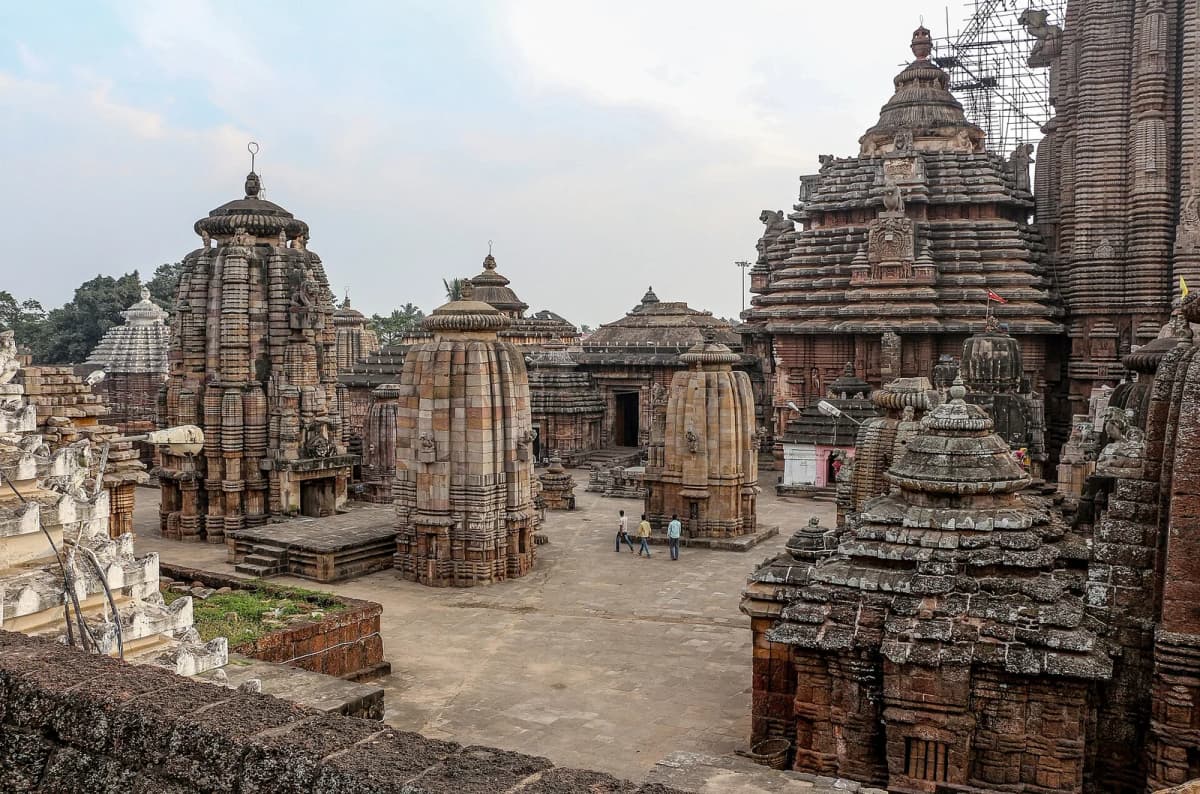
17. Lingaraja Temple, Odisha
- Location: Bhubaneswar
- Architecture: Kalinga style masterpiece
- Special: 55-meter main tower, 6,000+ smaller shrines
18. Brihadeeswara Temple, Tamil Nadu
- Location: Thanjavur
- UNESCO Site: Yes
- Special: Massive 216-foot vimana, Chola dynasty marvel
19. Ekambareswarar Temple, Tamil Nadu
- Location: Kanchipuram
- Pancha Bhoota: Earth element representation
- Special: 3,500-year-old mango tree
20. Thillai Nataraja Temple, Tamil Nadu
- Location: Chidambaram
- Significance: Cosmic dance (Ananda Tandava) site
- Special: Secret Chidambara Rahasyam shrine
21. Meenakshi Amman Temple, Tamil Nadu
- Location: Madurai
- Special: Twin temples (Shiva-Parvati)
- Architecture: 14 gopurams, stunning corridors
22. Ramanathaswamy Temple, Tamil Nadu
- Location: Rameswaram
- Pilgrimage: Char Dham circuit
- Special: 1,200-pillar hall, 22 theerthams
23. Arunachaleswarar Temple, Tamil Nadu
- Location: Thiruvannamalai
- Pancha Bhoota: Fire element
- Special: Karthigai Deepam festival, Girivalam path
24. Jambukeswarar Temple, Tamil Nadu
- Location: Trichy
- Pancha Bhoota: Water element
- Special: Underground spring beneath linga
25. Thiruvavaduthurai Temple, Tamil Nadu
- Location: Tanjore District
- Significance: Saiva Siddhanta center
- Special: Where Manikkavacakar achieved enlightenment
26. Kapaleeshwarar Temple, Tamil Nadu
- Location: Chennai (Mylapore)
- Architecture: Dravidian style, 37-meter gopuram
- Legend: Parvati as peahen worship site
27. Akhilandeswari Temple, Tamil Nadu
- Location: Thiruvanaikaval, Trichy
- Goddess: Shakti form Akhilandeswari
- Special: Only Shiva-Shakti Pancha Bhoota temple
28. Kedareshwara Temple, Karnataka
- Location: Halebidu
- Architecture: Hoysala masterpiece
- Special: Intricate soapstone carvings
29. Murudeshwar Temple, Karnataka
- Location: Bhatkal, Arabian Sea coast
- Special: World's second tallest Shiva statue (123 ft)
- Attraction: Coastal setting, sunset views
30. Gokarna Mahabaleshwar Temple, Karnataka
- Significance: Atma Linga worship
- Pilgrimage: Dakshina Kashi (South Kashi)
- Special: Beach town spiritual atmosphere
31. Mangaladevi Temple Complex, Karnataka
- Location: Mangalore
- Significance: City's namesake
- Associated: Multiple Shiva shrines
32. Amarnath Cave Temple, Jammu & Kashmir
- Elevation: 3,888m in Himalayas
- Significance: Natural ice Shiva Linga
- Pilgrimage: July-August (Shravan month)
- Note: Requires registration, physically demanding
33. Vaishno Devi Temple Complex, J&K
- Associated: Bhairavnath Temple (Shiva aspect)
- Location: Trikuta Mountains
- Significance: Shakti-Shiva synthesis
34. Amarnath Mahadev Temple, Himachal Pradesh
- Location: Mandi
- Architecture: Shikhara style
- Special: Annual Shivaratri fair
35. Baijnath Temple, Himachal Pradesh
- Location: Kangra Valley
- Age: Built in 1204 CE
- Architecture: Nagara style
36. Baidyanath Dham, Bihar
- Location: Deoghar (also counted in Jyotirlingas)
- Significance: Ravana devotion site
- Pilgrimage: Kanwar Yatra destination
37. Mahabodhi Temple Complex, Bihar
- Associated: Shiva shrines in Buddhist complex
- Location: Bodh Gaya
- UNESCO Site: Yes
38. Pashupatinath Temple, India-Nepal Border
- Note: Main temple in Nepal, Indian devotees frequent
39. Kankalitala Temple, West Bengal
- Location: Birbhum
- Significance: Shakti Peetha with Shiva presence
- Special: Sati's waist ornament fell here
40. Tarakeswar Temple, West Bengal
- Location: Hooghly District
- Significance: Taraka mantra liberation
- Pilgrimage: Major Bengali Shiva site
41. Rajarani Temple, Odisha
- Location: Bhubaneswar
- Architecture: "Love temple" sculptures
- Special: No presiding deity, architectural marvel
42. Konark Sun Temple Complex, Odisha
- Associated: Shiva shrines in UNESCO complex
- Architecture: 13th-century masterpiece
43. Puri Loknath Temple, Odisha
- Location: Puri (near Jagannath Temple)
- Significance: Cave temple
- Special: Underground shrine
44. Gupteshwar Cave Temple, Odisha
- Location: Koraput District
- Special: Cave formation, stalactite Shiva Linga
45. Trinetreshwar Temple, Odisha
- Location: Cuttack
- Legend: Shiva saved from crocodile
- Significance: Regional pilgrimage center
46. Jageshwar Temple Complex, Uttarakhand
- Location: Almora District
- Count: 124 stone temples
- Age: 9th-13th century
- Setting: Deodar forest
47. Tungnath Temple (already listed in Panch Kedar)
48. Neelkanth Mahadev Temple, Uttarakhand
- Location: Rishikesh, near Badrinath
- Significance: Shiva consumed poison here
- Setting: Confluence of Pankaja and Madhumati
49. Tripura Sundari Temple Complex, Tripura
- Associated: Shiva shrines
- Significance: 51 Shakti Peethas
50. Kamakhya Temple Complex, Assam
- Associated: Multiple Shiva shrines
- Location: Guwahati, Nilachal Hills
- Significance: Tantric Shakti Peetha
Nepal: The Himalayan Abode (8 Temples)
51. Pashupatinath Temple, Kathmandu
- UNESCO Site: Yes
- Significance: National deity of Nepal, one of Pancha Kedara
- Special: Sacred cremation ghats on Bagmati River
- Shivaratri: Nepal's largest religious gathering (1 million+ devotees)
- Architecture: Pagoda style, golden roof
- Access: Hindus only in main sanctum
52. Doleshwar Mahadev Temple, Bhaktapur
- Significance: Head of Kedarnath manifestation
- Legend: Panch Kedar completion site
- Special: Serene rural setting
53. Budhanilkantha Temple, Kathmandu
- Deity: Vishnu-Shiva syncretism
- Special: Reclining Vishnu in pond
- Pilgrimage: Combined Shiva-Vishnu worship
54. Guhyeshwari Temple, Kathmandu
- Significance: Shakti Peetha (Sati's both knees)
- Location: Near Pashupatinath
- Special: Tantric practices
55. Changu Narayan Temple, Bhaktapur
- Associated: Shiva shrines in complex
- UNESCO Site: Yes
- Age: Oldest temple in Nepal Valley
56. Dakshinkali Temple, Kathmandu
- Goddess: Kali (Shiva's consort)
- Location: Pharping village
- Special: Animal sacrifice rituals
57. Manakamana Temple, Gorkha
- Cable Car: Scenic 10-minute ride
- Goddess: Bhagwati (Shiva association)
- Pilgrimage: Wish-fulfillment deity
58. Muktinath Temple, Mustang
- Elevation: 3,710m
- Significance: Both Hindu and Buddhist sacred site
- Special: 108 water spouts, eternal flame
- Pilgrimage: Mukti Kshetra (liberation site)
Sri Lanka: The Tear of India (5 Temples)
59. Koneswaram Temple, Trincomalee
- Location: Swami Rock cliff
- Destroyed: 1624 by Portuguese
- Rebuilt: 1963
- Special: Swami Rock 400 feet above ocean
- Legend: Ravana worship site
60. Munneswaram Temple, Chilaw
- Age: Over 1,000 years
- Significance: Lord Rama consecrated linga
- Festival: Navaratri celebrations
- Special: Five linga complex
61. Thiruketheeswaram Temple, Mannar
- Age: Ancient, rebuilt after Portuguese destruction
- Significance: Pancha Ishwaram circuit
- Legend: Kethu planet worship
62. Naguleswaram Temple, Jaffna
- Location: Keerimalai
- Destroyed: Multiple times in civil war
- Significance: Northernmost Pancha Ishwaram
- Special: Sacred springs
63. Thirukoneswaram Temple (duplicate of #59) Alternative: Sella Kataragama Temple
- Location: Kataragama
- Deity: Skanda (Shiva's son)
- Significance: Multi-religious pilgrimage site
- Special: Peacock symbolism
Thailand: Land of Golden Temples (4 Temples)
64. Wat Pho (Temple of the Reclining Buddha), Bangkok
- Associated: Hindu-Buddhist synthesis
- Special: Thai massage school
- Shiva Elements: Incorporated in architecture
65. Erawan Shrine, Bangkok
- Deity: Brahma (Trimurti with Shiva)
- Location: Ratchaprasong intersection
- Special: Rebuilt 1956, dance offerings
- Significance: Hindu shrine in Buddhist nation
66. Devasathan (Wat Phra Si Maha Umathewi), Bangkok
- Significance: Oldest Hindu temple in Thailand
- Deities: Shiva, Ganesha, Vishnu
- Festival: Songkran (Thai New Year) celebrations
- Special: Royal ceremonial use
67. Phra Prang Sam Yod, Lopburi
- Age: Khmer-era, 13th century
- Original: Shiva temple
- Current: Buddhist conversion
- Architecture: Three laterite prangs
- Special: Monkey temple
Cambodia: Khmer Empire Heritage (3 Temples)
68. Angkor Wat Complex, Siem Reap
- UNESCO Site: Yes, world's largest religious monument
- Original: Vishnu temple, later Shiva-Buddhist
- Age: 12th century
- Special: Sunrise/sunset views, intricate bas-reliefs
- Shivaratri Connection: Hindu heritage celebration
69. Preah Khan Temple, Angkor
- Age: Built 1191 CE
- Significance: Buddhist-Hindu fusion
- Special: Tree-root covered ruins
- Architecture: Cruciform layout
70. Phnom Bakheng Temple, Angkor
- Dedication: Shiva
- Age: 9th century, pre-Angkor Wat
- Special: Sunset panorama spot
- Architecture: Temple mountain representing Mount Meru
Indonesia: The Archipelago of Temples (4 Temples)
71. Prambanan Temple, Yogyakarta, Java
- UNESCO Site: Yes
- Age: 9th century, 850 CE
- Dedication: Trimurti (Shiva-Brahma-Vishnu)
- Architecture: 47-meter main Shiva temple
- Special: Ramayana ballet performances
- Shivaratri: Indonesian Hindu community celebrations
72. Uluwatu Temple, Bali
- Location: Cliff edge, 70m above ocean
- Deity: Rudra (Shiva aspect)
- Special: Kecak fire dance at sunset
- Architecture: Balinese sea temple
73. Besakih Temple, Bali
- Significance: Bali's mother temple
- Location: Mount Agung slopes
- Complex: 23 separate temples
- Dedication: Trimurti (Shiva as Siwa)
74. Tanah Lot Temple, Bali
- Location: Rock formation in sea
- Deity: Dang Hyang Nirartha (Shiva connection)
- Special: Tide-accessible, sunset photography
- Pilgrimage: Sacred sea temple
Malaysia: Multicultural Devotion (3 Temples)
75. Batu Caves Temple, Selangor
- Location: Limestone hill, 272 steps
- Deity: Lord Murugan (Shiva's son)
- Age: Shrine since 1890s
- Festival: Thaipusam (1.5 million visitors)
- Special: 140-foot golden Murugan statue
- Cave: Cathedral Cave main shrine
76. Sri Mahamariamman Temple, Kuala Lumpur
- Age: Founded 1873, oldest Hindu temple in KL
- Architecture: Gopuram with 228 deities
- Special: Silver chariot parade during Thaipusam
- Association: Shiva worship alongside Mariamman
77. Arulmigu Balathandayuthapani Temple, Penang
- Dedication: Lord Murugan
- Location: Waterfall Hill
- Access: 513 steps
- Festival: Thaipusam starting point
- Shiva Connection: Murugan as Shiva's warrior son
Singapore: The Lion City Temple (2 Temples)
78. Sri Srinivasa Perumal Temple, Singapore
- Age: Built 1855
- Architecture: Five-tier gopuram
- Festival: Thaipusam procession starts here
- Association: Shiva worship in complex
79. Sri Thendayuthapani Temple, Singapore
- Location: Tank Road, near Orchard
- Deity: Lord Murugan (Thendayuthapani)
- Age: 1859 establishment
- Festival: Thaipusam culmination point
- Special: Chettiars' community temple
Mauritius: Island of Shiva (2 Temples)
80. Grand Bassin (Ganga Talao), Mauritius
- Significance: Sacred crater lake, Ganges water
- Statue: 108-foot Shiva statue (tallest in Mauritius)
- Pilgrimage: Maha Shivaratri (largest outside India)
- Festival: 400,000+ devotees walk to lake
- Special: Multiple temples around lake
81. Triolet Shivala, Triolet
- Age: Built 1888
- Significance: Largest Hindu temple in Mauritius
- Architecture: North Indian style
- Festival: Maha Shivaratri celebrations
- Special: Seven colorful flags
Fiji: Pacific Islands Devotion (2 Temples)
82. Sri Siva Subramaniya Temple, Nadi
- Architecture: Dravidian style, largest in Southern Hemisphere
- Age: Consecrated 1994
- Special: Colorful gopuram, carved woodwork
- Community: Indo-Fijian cultural center
83. Shree Sanatan Dharam Pratinidhi Sabha, Suva
- Location: Fiji's capital
- Significance: Major Hindu organization center
- Temples: Multiple shrines including Shiva
Trinidad and Tobago: Caribbean Shiva (1 Temple)
84. Waterloo Shiva Temple, Trinidad
- Location: Waterloo village, south Trinidad
- Special: Hanuman statue (Shiva devotee)
- Community: Indo-Trinidadian pilgrimage site
- Festival: Maha Shivaratri gatherings
United States: Western Hemisphere Temples (4 Temples)
85. Hindu Temple of Minnesota, Maple Grove
- Dedication: Multiple deities including Shiva
- Architecture: Traditional gopuram
- Community: Major Midwest Hindu center
- Festivals: Maha Shivaratri celebrations
86. Pashupatinath Temple, Maryland
- Location: Boring, Maryland
- Model: Replica of Nepal's Pashupatinath
- Community: Nepalese diaspora center
- Special: Traditional architecture in USA
87. Malibu Hindu Temple, California
- Official Name: Sri Venkateswara Temple
- Location: Calabasas, overlooking Pacific
- Deities: Includes Shiva shrine
- Special: Scenic hillside location
- Community: Major West Coast center
88. Meenakshi Temple, Texas
- Location: Pearland, Houston metro
- Dedication: Meenakshi-Sundareswarar (Parvati-Shiva)
- Architecture: Replica of Madurai temple
- Age: Consecrated 1982
United Kingdom: European Diaspora (3 Temples)
89. Neasden Temple (BAPS Shri Swaminarayan Mandir), London
- Architecture: Hand-carved Italian marble and Bulgarian limestone
- Age: Opened 1995
- Special: Europe's first traditional stone Hindu temple
- Includes: Shiva shrine within complex
- Guinness Record: Largest Hindu temple outside India
90. Skanda Vale Temple, Wales
- Location: Rural Carmarthenshire
- Unique: Forest temple, British convert-founded
- Community: Multi-denominational Hindu
- Special: European architectural adaptation
- Festivals: Shivaratri with British-Indian fusion
91. Leicester Jalaram Temple, Leicester
- Community: Largest Hindu population in UK outside London
- Deities: Multiple including Shiva
- Special: Converted church building
Canada: North American Heritage (2 Temples)
92. BAPS Shri Swaminarayan Mandir, Toronto
- Location: Etobicoke
- Architecture: Hand-carved Turkish limestone and Italian marble
- Age: Opened 2007
- Special: Traditional shikhara design
- Includes: Shiva worship area
93. Richmond Hill Hindu Temple, Ontario
- Community: Greater Toronto Area
- Dedication: Multiple deities
- Festivals: Major Shivaratri celebrations
- Special: Cultural programs
Australia: Southern Hemisphere (2 Temples)
94. Sri Mandir Temple, Sydney
- Location: Minto, Western Sydney
- Architecture: Blend of traditional and modern
- Community: Largest Hindu temple in Australia
- Deities: Comprehensive including Shiva
95. Sri Shiva Vishnu Temple, Melbourne
- Location: Carrum Downs
- Deities: Balanced Shiva-Vishnu worship
- Architecture: South Indian style
- Festival: Significant Shivaratri turnout
New Zealand: Islands of Devotion (1 Temple)
96. ISKCON Auckland Temple
- Location: Newmarket, Auckland
- Associated: Shiva worship in Vaishnava context
- Community: Major Hindu center in NZ
- Festival: Shivaratri acknowledgment
South Africa: Rainbow Nation Temples (2 Temples)
97. Umgeni River Temple, Durban
- Official: Shree Ambaavaanar Alayam Second River Temple
- Age: Founded 1875, rebuilt 1891
- Significance: Oldest temple in South Africa
- Architecture: Dravidian style on river
98. Sri Siva Soobramoniar Temple, Durban
- Community: Large South African Indian population
- Dedication: Lord Murugan (Shiva's son)
- Festival: Kavady festival
- Special: Cultural preservation center
Germany: European Integration (1 Temple)
99. Sri Kamadchi Ampal Temple, Hamm
- Distinction: Largest Hindu temple in Germany
- Architecture: Traditional Tamil style
- Age: Consecrated 2002
- Height: 17-meter gopuram
- Deities: Kamakshi with Shiva presence
France: Continental Europe (1 Temple)
100. Sri Manicka Vinayakar Alayam, Paris
- Location: La Chapelle district
- Community: Tamil diaspora
- Age: Consecrated 1985
- Deities: Ganesha (Shiva's son) primary, Shiva shrine
- Special: Colorful gopuram in Paris
Planning Your Maha Shivaratri Temple Visits
Best Practices for Temple Visits
Dress Code:
- Men: Dhoti/traditional wear or covered legs
- Women: Saree, salwar kameez, or modest clothing
- Remove shoes before entering
- Cover shoulders and knees
Timings:
- Most temples: 4-5 AM to 12 PM, 4 PM to 9 PM
- Shivaratri: Extended hours, often 24 hours
- Check specific temple schedules
Rituals to Participate In:
- Abhishekam (ritual bathing of linga)
- Rudrabhishek (Vedic chanting)
- Bilva leaf offering
- Night-long vigil (jaagaran)
- Chanting "Om Namah Shivaya"
Photography:
- Prohibited inside sanctum sanctorum in most temples
- Ask permission before photographing
- Some temples allow outer areas only
Donations and Prasad:
- Voluntary donations accepted
- Prasad distribution timing varies
- Special Shivaratri prasad (usually fruits, milk-based sweets)
Travel Tips for International Temples
Visa Requirements:
- Check country-specific tourist visa needs
- Religious visa options in some countries
- Plan well in advance for Shivaratri dates
Accommodation:
- Many major temples offer dharamshalas (pilgrim rest houses)
- Book hotels early for Shivaratri period
- Temple vicinity options for early morning visits
Local Transportation:
- Hire local guides for remote temples
- Public transport available to major temples
- Consider group tours for multiple temple visits
Health and Safety:
- Carry prescribed medications
- Stay hydrated, especially during fasting
- High-altitude temples require acclimatization (Kedarnath, Amarnath)
- Travel insurance recommended
Shivaratri Celebration Timeline
Preparation (1 week before):
- Clean and purify home
- Plan fasting schedule
- Arrange bilva leaves, rudraksha
Shivaratri Day:
- Pre-dawn bath
- Morning temple visit for abhishekam
- Observe fast (water/fruits only, or complete)
- Evening second temple visit
- Night vigil with bhajans
Night Vigil (Four Prahar):
- First Prahar (6 PM - 9 PM): Shiva puja
- Second Prahar (9 PM - 12 AM): Story recitation
- Third Prahar (12 AM - 3 AM): Meditation
- Fourth Prahar (3 AM - 6 AM): Final abhishekam
Breaking Fast:
- Next morning after sunrise
- Light, sattvic food
Virtual Darshan Options
For those unable to travel, many temples now offer:
- Live streaming of rituals
- Virtual tours
- Online prasad booking
- Remote participation in abhishekams
Major Temples with Live Streaming:
- Kashi Vishwanath Temple
- Mahakaleshwar Temple
- Somnath Temple
- Pashupatinath Temple
- Many US/UK temples
Significance of Visiting Shiva Temples on Maha Shivaratri
Spiritual Benefits
1. Moksha (Liberation): Scriptures state that sincere worship on Shivaratri erases lifetimes of karma and grants liberation.
2. Wish Fulfillment: Lord Shiva is easily pleased (Bholenath) and grants devotees' heartfelt wishes.
3. Inner Transformation: The night-long vigil represents awakening spiritual consciousness and overcoming darkness (ignorance).
4. Family Prosperity: Married women pray for husbands' well-being; unmarried pray for ideal spouse like Shiva.
5. Health and Healing: Shiva as Vaidyanatha (divine physician) blesses with health.
Religious Merit (Punya)
- One Shivaratri fast equals 1,000 ordinary fasts
- Temple visit on this day equals visiting all tirthas (pilgrimage sites)
- Night vigil destroys sins of multiple births
- Abhishekam participation brings divine grace
Scientific and Astronomical Significance
Planetary Alignment: The moonless night creates specific planetary energy conducive to meditation.
Circadian Rhythm: Night vigil aligns with natural body detox timing, enhancing spiritual practices.
Seasonal Change: Shivaratri marks seasonal transition (winter to spring in India), symbolizing transformation.
Regional Variations in Shivaratri Celebrations
North India
- Emphasis on fasting and night vigil
- Bael leaf offerings prominent
- Cannabis consumption traditional in some regions (Thandai)
South India
- Elaborate abhishekams with 11 items
- Classical music and dance performances
- Temple chariot processions
Nepal
- National holiday with massive Pashupatinath gathering
- Sadhus (holy men) congregation
- Hash consumption by ascetics (controversial)
Southeast Asia
- Hindu-Buddhist syncretic celebrations
- Community feasts after temple visits
- Cultural performances blending traditions
Western Diaspora
- Weekend celebrations (if Shivaratri falls on weekday)
- Cultural programs educating younger generation
- Fusion of traditional rituals with local context
Architectural Styles of Shiva Temples Worldwide
Nagara Style (North India)
- Curvilinear shikhara (tower)
- Square garbhagriha (sanctum)
- Examples: Khajuraho, Lingaraja
Dravidian Style (South India)
- Pyramidal vimana
- Elaborate gopurams
- Examples: Brihadeeswara, Meenakshi
Vesara Style (Deccan)
- Blend of Nagara and Dravidian
- Star-shaped plans
- Examples: Hoysala temples
Pagoda Style (Nepal, Southeast Asia)
- Multi-tiered roofs
- Wood and stone combination
- Examples: Pashupatinath, Cambodian temples
Modern Adaptations (Diaspora)
- Traditional elements in contemporary buildings
- Climate-adapted designs
- Examples: Neasden Temple, Toronto Mandir
FAQ: Common Questions About Shiva Temple Visits
Q: Can non-Hindus visit Shiva temples? A: Most temples welcome all visitors. Some restrict non-Hindus from inner sanctum (e.g., Pashupatinath main shrine). Always ask temple authorities.
Q: Is there an entry fee? A: Most temples are free. Some charge for special darshans or facilities. Donations voluntary.
Q: What offerings should I bring? A: Bilva leaves, flowers, coconut, fruits, milk for abhishekam. Many temples sell these at entrance.
Q: Can I visit during menstruation? A: Traditional restrictions exist in some temples. Modern interpretation varies. Check specific temple policies.
Q: Are children allowed? A: Yes, children welcome. Teach them temple etiquette. Maintain silence in sanctum.
Q: How long does a temple visit take? A: 30 minutes to 2 hours normally. On Shivaratri, expect 2-4 hours due to crowds.
Q: Can I take photos? A: Sanctum sanctorum usually prohibited. Temple premises often allowed. Always ask permission.
Q: What if I miss Shivaratri? A: Every Monday is auspicious for Shiva. Pradosha (13th lunar day) also significant. Shravan month (July-August) highly sacred.
Conservation and Preservation Efforts
Many ancient temples face challenges from:
- Natural weathering
- Pollution
- Tourism pressure
- Vandalism
- War/conflict (Sri Lankan temples)
How You Can Help:
- Donate to temple preservation trusts
- Practice responsible tourism
- Educate others about heritage value
- Support UNESCO World Heritage campaigns
- Volunteer for conservation projects
Organizations Working on Temple Preservation:
- Archaeological Survey of India (ASI)
- UNESCO World Heritage Centre
- Global Heritage Fund
- World Monuments Fund
- Local temple management committees
Conclusion: The Universal Message of Shiva
These 100 sacred temples spanning across continents remind us that devotion knows no geographical boundaries. Whether standing before the ancient grandeur of Kashi Vishwanath or the modern magnificence of Toronto's BAPS Mandir, the essence remains the same—the eternal presence of Shiva, the destroyer of ignorance and bestower of wisdom.
This Maha Shivaratri, whether you visit one temple or embark on a pilgrimage across multiple countries, carry with you the spirit of transformation that Shiva represents. As you pour milk over the Shiva Linga, offer bilva leaves, and chant "Om Namah Shivaya," remember that the true temple is within your heart.
May Lord Shiva bless all devotees with peace, prosperity, and spiritual enlightenment.
Har Har Mahadev!
Share This Guide
Planning to visit these temples this Shivaratri? Share this comprehensive guide with fellow devotees and help spread awareness about these divine pilgrimage sites worldwide!
Follow www.hindutone.com for more spiritual content, temple guides, and Hindu culture insights.
Related Articles on HinduTone.com
- Maha Shivaratri: Complete Ritual Guide and Significance
- 108 Names of Lord Shiva with Meanings
- Shiva Mantras for Daily Meditation
- Understanding the Symbolism of Shiva's Attributes
- Best Pilgrimage Circuits in India: Char Dham, Panch Kedar, Jyotirlinga Yatra
- Temple Architecture Guide: Nagara vs. Dravidian Styles
- Fasting Guidelines for Hindu Festivals
- Sacred Rivers in Hinduism: Ganga, Narmada, Godavari
Frequently Asked Questions
Where is 100 Sacred Lord Shiva Temples Around the World located?
Meta Title: 100 Must-Visit Lord Shiva Temples Worldwide | Maha Shivaratri 2026 Guide Meta Description: Discover 100 sacred Lord Shiva temples across the globe to visit on Maha Shivaratri. Complete country-wise guide with history, significance, and travel tips for devotees.
Who is the presiding deity of 100 Sacred Lord Shiva Temples Around the World?
The presiding deity is Lord Shiva.
What are the timings and how do I reach 100 Sacred Lord Shiva Temples Around the World?
Temples typically open early morning and evening; confirm current darshan timings before visiting. The nearest airport, railway station and road routes are covered in the guide above.
What is the best time to visit 100 Sacred Lord Shiva Temples Around the World?
Major festival days and the cooler months are popular, though weekday mornings offer a calmer darshan. Plan around the temple's key festivals for the most vibrant experience.
You might also like
Janmashtami 2026 in India: Date, Rituals & Top Temples to Visit
The Twelve Jyotirlingas of Lord Shiva: A Complete Pilgrim's Guide Across India

Mahakaleshwar: Divine Mysteries & Soul-Stirring Miracles of the Lord of Time at Ujjain