Sri Tuluveshwara Temple: The Divine Abode of Lord Shiva in Basrur
Discover the divine serenity of Sri Tuluveshwara Temple, a sacred 1000-year-old shrine located in Basrur, just 9 km from Kundapura in Karnataka’s Udupi…
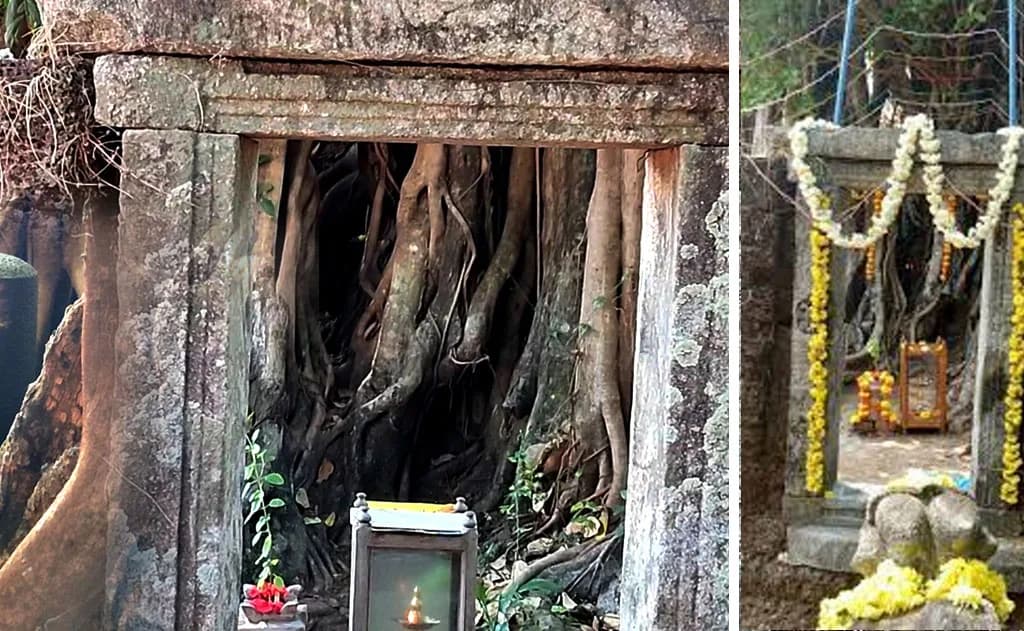
Discover the divine serenity of Sri Tuluveshwara Temple, a sacred 1000-year-old shrine located in Basrur, just 9 km from Kundapura in Karnataka’s Udupi…
Discover the divine serenity of Sri Tuluveshwara Temple, a sacred 1000-year-old shrine located in Basrur, just 9 km from Kundapura in Karnataka’s Udupi district. Nestled in the heart of the historic town once known as Vasupura, this ancient temple dedicated to Lord Shiva stands as a testament to the rich spiritual heritage of Tulunad.
A Sacred Legacy Under the Banyan Tree
Unlike conventional temples, Sri Tuluveshwara Temple embraces nature’s embrace, with no stone walls or shelters enclosing the holy Shiva Lingam. For over 250 years, a majestic banyan tree has served as a natural canopy, offering divine protection to the sacred deity. This unique setting enhances the temple’s spiritual aura, drawing devotees seeking peace and divine blessings.
The Original God of Tulunad
Revered as the original deity of Tulunad, Lord Tuluveshwara is believed to be immensely powerful, fulfilling the heartfelt prayers of devotees. The temple’s ancient roots and spiritual significance make it a must-visit pilgrimage site for those seeking divine intervention and inner tranquility.
Why Visit Sri Tuluveshwara Temple?
- Historical Significance: A 1000-year-old temple with deep ties to the region’s history under Emperor Vasu’s rule.
- Spiritual Power: Lord Tuluveshwara is known for granting the wishes of sincere devotees.
- Unique Setting: The Shiva Lingam, sheltered by a banyan tree, offers a serene and sacred ambiance.
- Cultural Heritage: A symbol of Tulunad’s rich traditions and devotion to Lord Shiva.
How to Reach Sri Tuluveshwara Temple
Located in Basrur, Udupi district, the temple is easily accessible, just 9 km from Kundapura. Visitors can reach Kundapura via road or rail and take local transport to this divine destination.
Plan Your Visit
Immerse yourself in the divine vibrations of Sri Tuluveshwara Temple. Whether you seek blessings, peace, or a connection with Tulunad’s spiritual legacy, this sacred shrine promises a transformative experience.
Om Namah Shivaya
Visit Sri Tuluveshwara Temple and experience the eternal grace of Lord Shiva!
What is the Significance of the Name Tuluveshwara in Shaiva Tradition?
The name Tuluveshwara is a compound of 'Tuluva' — referring to the ancient Tulu-speaking coastal land of Karnataka — and 'Ishwara,' one of the eight classical names of Lord Shiva found in the Shiva Sahasranama of the Linga Purana. By bearing the regional name as a prefix, the deity is understood not merely as a universal form of Shiva but as the presiding guardian of the Tulunad landscape itself, its rivers, forests, and people.
In the Shaiva Agamic tradition, a kshetra-devata (presiding deity of a territory) is considered to hold a covenant with the land. Prayers offered at such a shrine are believed to carry the combined merit of the entire sacred geography. Tuluveshwara's identity as the 'original god of Tulunad' reflects this Agamic concept, wherein the deity's power is inseparable from the soil, the climate, and the cultural memory of the region.
How Does the Open-Air Shiva Lingam Connect to Vedic and Puranic Precedents?
The presence of a Shiva Lingam beneath an open sky, sheltered only by a living banyan tree, resonates with the concept of the Svayambhu Lingam — a self-manifested linga that chooses its own abode in nature rather than being installed by human hands inside a constructed sanctum. The Skanda Purana and the Shiva Purana both describe numerous Svayambhu Lingas emerging from forest groves, riverbanks, and tree roots, each held to be more potent than consecrated stone structures.
The banyan tree (Ficus benghalensis), called Vata Vriksha in Sanskrit, holds its own sacred standing in Hindu cosmology. The Bhagavad Gita (10.26) records Lord Krishna declaring 'ashvatthah sarva-vrikshanam' — but the Vata is equally revered as the tree beneath which the sage Markandeya famously meditated and received Shiva's protection from Yama. The combination of a Lingam and a sheltering Vata at Basrur thus creates a confluence of two powerful sacred symbols in a single spot.
Temples without walls or roofed mandapas are called Akasha-linga kshetras in some regional traditions, where the infinite sky itself is treated as the shikhara (tower) above the deity. Chidambaram in Tamil Nadu preserves a similar theological idea with its Akasha Lingam, underscoring that the open-sky shrine at Basrur belongs to a broader and ancient stratum of Shaiva worship.
What is the Historical Connection Between Basrur and the Ancient Town of Vasupura?
Basrur, historically recorded as Vasupura, was one of the prominent port towns of the Tulunad coast during the medieval period. Inscriptional evidence from the region suggests that the town was a centre of trade and religious activity well before the consolidation of the Vijayanagara Empire, which later extended its patronage to several Shaiva shrines along the Karnataka coast. The name Vasupura — 'the city of Vasu' — points to an association with a ruler or progenitor named Vasu, whose memory is preserved in the temple's founding legends.
The Udupi district as a whole was historically part of the cultural zone governed by the Alupa dynasty, whose rulers were devoted patrons of Shiva worship. Many temples in this coastal belt received land grants and ritual endowments from Alupa kings, and it is within this milieu of royal Shaiva patronage that a shrine as significant as Tuluveshwara would have been formally established and maintained over centuries.
What Festivals and Rituals Are Observed at Sri Tuluveshwara Temple?
Mahashivaratri is the most significant annual observance at the temple, when devotees gather through the night for jagarana (vigil), abhisheka (ritual bathing of the Lingam), and recitation of the Shiva Panchakshara mantra 'Namah Shivaya.' The open setting under the banyan tree lends the nocturnal celebration a particularly atmospheric quality, with oil lamps and incense creating a naturally meditative environment.
In keeping with the traditions of coastal Karnataka, the temple also observes Karthika Somavara — the Mondays of the month of Karthika (October–November) — which are held especially sacred for Shiva worship across the Udupi and Dakshina Kannada districts. Devotees perform pradakshina (circumambulation) of both the Lingam and the banyan tree during this period, recognising the tree itself as an extension of the divine presence.
Local oral tradition and Tulu folk custom further integrate the temple into the rhythm of agricultural and seasonal festivals of Tulunad, including observances tied to the Bhoota Kola traditions of the region, where the protective deity of the land is honoured alongside village guardian spirits — a testament to the living, layered religiosity of coastal Karnataka.
Which Other Sacred Sites in the Udupi Region Complement a Pilgrimage to Basrur?
The Udupi district is home to the world-renowned Sri Krishna Matha in Udupi town, established by the philosopher-saint Sri Madhvacharya in the 13th century CE. While Tuluveshwara represents the Shaiva heart of the coastal region, a pilgrimage that combines both shrines allows a devotee to experience the complementary Vaishnava and Shaiva currents that together define the spiritual landscape of Tulunad.
Approximately 35 km north of Basrur lies the Kollur Mookambika Temple, dedicated to Goddess Mookambika — an important Shakta pilgrimage centre on the edge of the Western Ghats. Many devotees travelling to Basrur combine their visit with Kollur, completing a triangular circuit that honours Shiva, Shakti, and Vishnu within a single day's journey — a pattern of tirtha-yatra (sacred travel) deeply embedded in the devotional culture of coastal Karnataka.
Frequently Asked Questions
Where is Sri Tuluveshwara Temple located?
Discover the divine serenity of Sri Tuluveshwara Temple , a sacred 1000-year-old shrine located in Basrur, just 9 km from Kundapura in Karnataka’s Udupi district. Nestled in the heart of the historic town once known as Vasupura, this ancient temple dedicated to Lord Shiva stands as a testament to the rich spiritual heritage of Tulunad.
Who is the presiding deity of Sri Tuluveshwara Temple?
The presiding deity is Lord Shiva.
What are the timings and how do I reach Sri Tuluveshwara Temple?
Temples typically open early morning and evening; confirm current darshan timings before visiting. The nearest airport, railway station and road routes are covered in the guide above.
What is the best time to visit Sri Tuluveshwara Temple?
Major festival days and the cooler months are popular, though weekday mornings offer a calmer darshan. Plan around the temple's key festivals for the most vibrant experience.
You might also like

Janmashtami 2026 in India: Date, Rituals & Top Temples to Visit

The Twelve Jyotirlingas of Lord Shiva: A Complete Pilgrim's Guide Across India

Mahakaleshwar: Divine Mysteries & Soul-Stirring Miracles of the Lord of Time at Ujjain