Who Are the Naga Monks? Unveiling the Mystique of Naga Sadhus
Naga monks, or Naga Sadhus, are a revered and mysterious group within Hinduism, known for their intense spiritual practices, physical endurance, and historical…
Naga monks, or Naga Sadhus, are a revered and mysterious group within Hinduism, known for their intense spiritual practices, physical endurance, and historical…
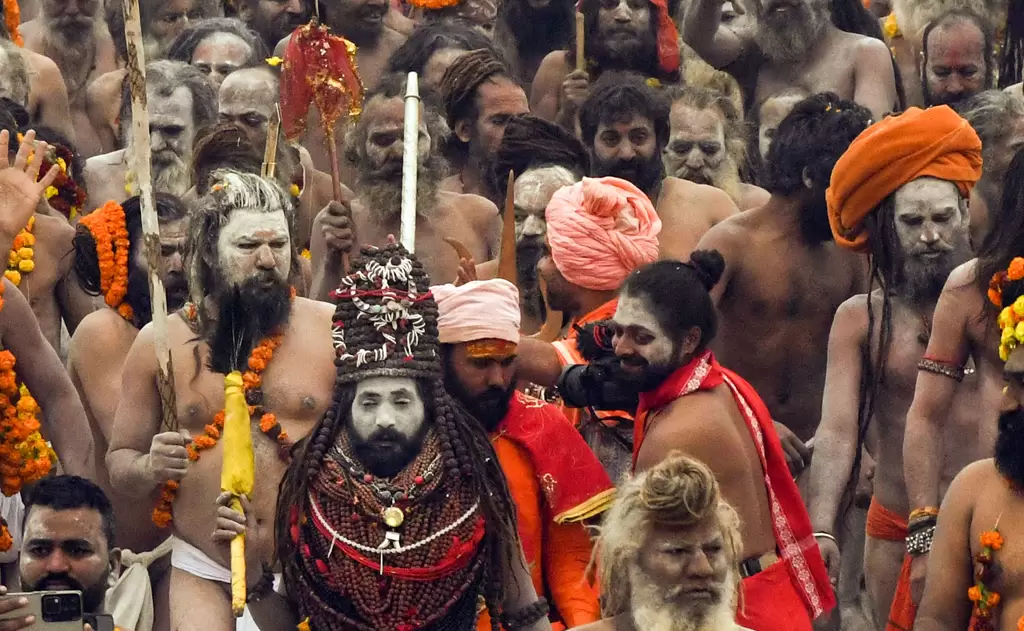
Naga monks, or Naga Sadhus, are a revered and mysterious group within Hinduism, known for their intense spiritual practices, physical endurance, and historical role as warrior ascetics. Among all the sadhus, Naga Sadhus stand out for their unique lifestyle, which inspires both astonishment and reverence.
The Path to Becoming a Naga Monk The journey to becoming a Naga monk is not for the faint-hearted. The initiation process is rigorous, far more demanding than even military training. Prospective Naga Sadhus must undergo an extreme physical, mental, and spiritual transformation, which includes renouncing worldly ties and performing their own Pind Daan (funeral rites) and Shraddha Tarpan (ritual for the deceased). By symbolically dying to their former lives, they take on a new identity, completely dedicating themselves to their spiritual journey.
The Rich History of Naga Sadhus The history of Naga Sadhus stretches back to ancient times when they were not only spiritual seekers but also protectors of dharma. In olden times, they dressed as warriors to defend monasteries and temples. Throughout history, Naga Sadhus fought valiantly in several battles to safeguard Hinduism and its sacred sites, blending spirituality with their warrior ethos.
Rules and Practices of the Naga Sadhus While every akhara (monastic order) has its own specific rituals, there are certain universal practices all Naga monks must follow. These practices are designed to break ties with the material world and cultivate deep spiritual discipline:
Celibacy:
Before initiation, a prospective monk must prove their ability to maintain both physical and mental celibacy. They undergo a long period of testing, ensuring that all desires and lusts have been completely conquered.
Service to Religion and Society:
The life of a Naga Sadhu is dedicated to the protection of religion, society, and the nation. As part of their initiation, they must serve their guru and senior monks, learning the importance of humility and selfless service.
Performing Their Own Funeral Rites:
In a profound spiritual practice, Naga Sadhus perform their own Pind Daan and Shraddha, considering themselves dead to the world. After this, they are given a new name and identity by their guru, marking their rebirth as a monk.
Renunciation of Clothes:
Naga Sadhus give up worldly possessions, including clothes. They cover their bodies with ashes and are only permitted to wear ochre robes in certain situations. Their appearance, adorned with ash and Rudraksha beads, symbolizes their detachment from the material world.
Bhasma (Ash) and Rudraksha:
Naga Sadhus are covered in ash, which signifies their renunciation and spiritual purity. They also wear Rudraksha beads, which are considered sacred and enhance their spiritual focus.
One Meal a Day:
A Naga monk lives on a strict diet, eating only once a day and only from alms. They are permitted to beg from no more than seven households. If no food is received, they must go without, accepting it as part of their ascetic discipline.
The Significance of Naga Sadhus Today
Despite their ancient origins, Naga Sadhus continue to play a vital role in the spiritual fabric of India. Their commitment to dharma, discipline, and the protection of Hinduism remains unwavering. In a world driven by materialism, they serve as a reminder of the power of renunciation, self-control, and unwavering faith.
Their presence at religious gatherings, such as the Kumbh Mela, draws millions of devotees, who see the Naga Sadhus as living embodiments of devotion and spiritual strength.
Let us honor these warrior monks who continue to inspire generations with their unyielding dedication to spirituality and the protection of dharma.
NagaSadhus #Hinduism #SpiritualWarriors #Akharas #Renunciation #HinduMonks #KumbhMela #Dharma #HinduCulture #HinduTraditions
Frequently Asked Questions
Who are the Naga Sadhus?
Naga Sadhus, or Naga monks, are revered Hindu ascetics known for intense spiritual practice and physical endurance. Historically they were warrior ascetics who defended monasteries, temples, and dharma.
How does someone become a Naga Sadhu?
The initiation is rigorous and demands physical, mental, and spiritual transformation. The aspirant renounces worldly ties, proves lasting celibacy over a long testing period, serves the guru and senior monks, and performs his own Pind Daan and Shraddha.
Why do Naga Sadhus perform their own funeral rites?
By performing their own Pind Daan and Shraddha Tarpan, they consider themselves dead to the world. The guru then gives them a new name and identity, marking their rebirth as a monk.
Why do Naga Sadhus cover themselves in ash and wear Rudraksha?
Ash (bhasma) signifies renunciation and spiritual purity, and Rudraksha beads are considered sacred and said to enhance spiritual focus. Together they symbolize detachment from the material world.
What do Naga Sadhus eat?
A Naga monk eats only once a day, and only from alms. He may beg from no more than seven households, and if no food is received he goes without.
Where can people see Naga Sadhus?
Naga Sadhus are seen at religious gatherings such as the Kumbh Mela, which draws millions of devotees. Each akhara (monastic order) has its own specific rituals.
You might also like
Ramayana Variations: Exploring Diverse Regional Retellings Across Indian Traditions
Why is Dharba (Holy Grass) is used as Ring during on our Auspicious and Inauspicious Occasions?
Why Lord Jagannath Falls Ill Every Year – The Untold Divine Secret of Anasara