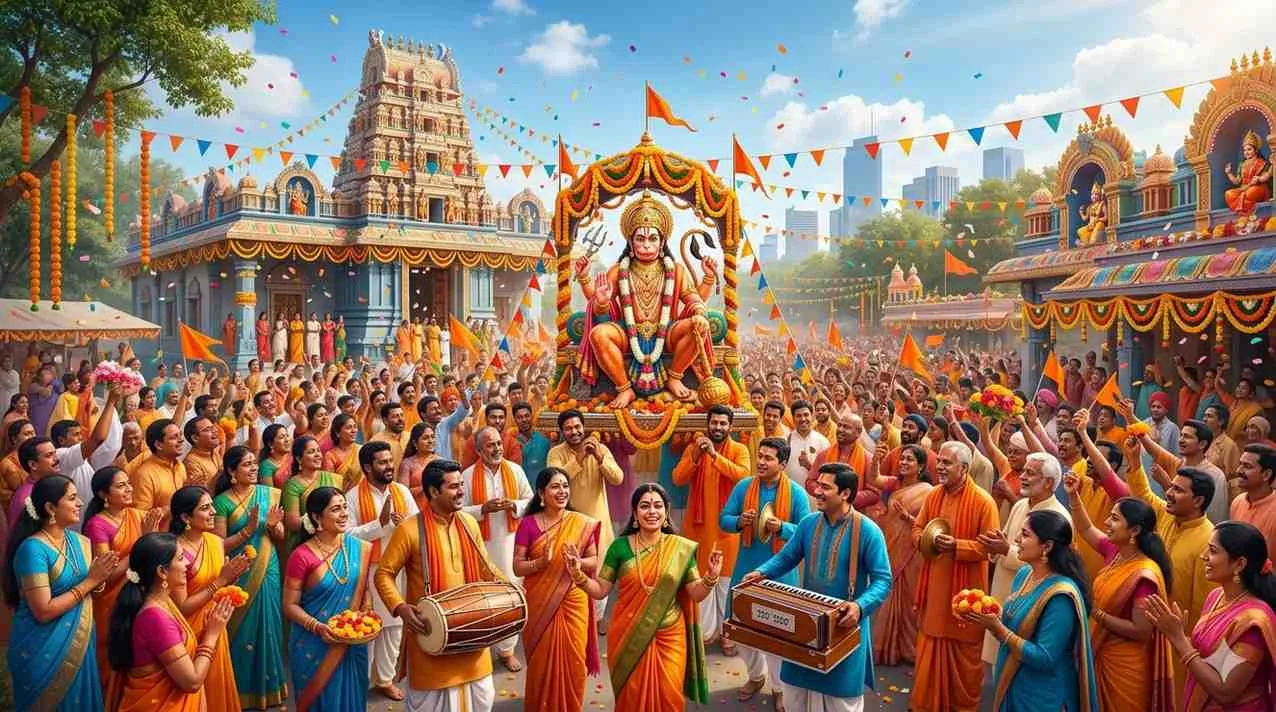
Bhishma Ashtami 2026: History, Date, Puja Timings & Ritual Importance Explained
Bhishma Ashtami 2026: Date, Timings, Significance, History, Rituals, and Importance – Honoring Bhishma Pitamah Bhishma Ashtami (also known as Bhishmashtami or…
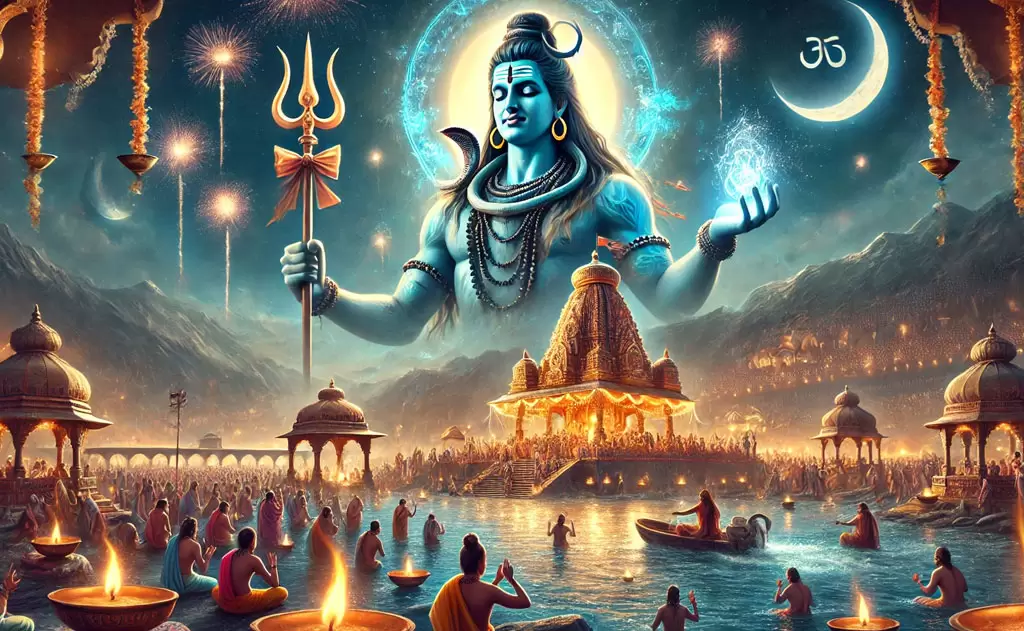
Bhishma Ashtami 2026: Date, Timings, Significance, History, Rituals, and Importance – Honoring Bhishma Pitamah
Bhishma Ashtami (also known as Bhishmashtami or Bhishma Ashtami) is a deeply revered Hindu festival observed to honor Bhishma Pitamah, the grand patriarch of the Kuru dynasty in the epic Mahabharata. Falling on the Ashtami tithi (eighth lunar day) during the Shukla Paksha (waxing moon phase) of the Magha month, this auspicious day commemorates Bhishma's departure from the mortal world during the holy Uttarayana period.
Today, January 26, 2026 (Monday), marks Bhishma Ashtami 2026 in India and across the world. Devotees perform special rituals, tarpan (ancestral offerings), and prayers to seek blessings for longevity, dharma adherence, and liberation from Pitru Dosha (ancestral curses). This day holds profound spiritual importance as it aligns with the Sun's northward journey, symbolizing light, renewal, and the victory of righteousness.
In this comprehensive guide, explore the exact date and timings for 2026, the historical background from the Mahabharata, deep significance, step-by-step rituals, powerful mantras, benefits, and why Bhishma Ashtami remains a timeless observance for Hindus seeking ancestral peace and personal strength.
Bhishma Ashtami 2026 Date and Timings
- Date: Monday, January 26, 2026
- Tithi: Magha Shukla Ashtami
- Ashtami Tithi Begins: January 25, 2026, at approximately 11:10 PM (varies by location)
- Ashtami Tithi Ends: January 26, 2026, around 9:17 PM to 9:18 PM
- Madhyahna Muhurat (Best Puja Time): 11:29 AM to 1:38 PM (for New Delhi; check local panchang for your city)
- Duration of Madhyahna: Approximately 2 hours 9 minutes
The most auspicious time for tarpan and main rituals is during the Madhyahna period when the Sun is at its zenith. Devotees in different regions (e.g., Hyderabad, Varanasi, or coastal areas) should consult local panchang or apps like Drik Panchang for precise sunrise, madhyahna, and tithi timings.
Who Was Bhishma Pitamah? History and Background from Mahabharata
Bhishma, originally named Devavrata, was the son of King Shantanu and Goddess Ganga. Renowned for his unbreakable vow (Bhishma Pratigya) of lifelong celibacy to ensure his father's marriage to Satyavati, he earned the name "Bhishma" (the terrible oath-taker). This sacrifice made him ineligible for the throne but granted him the boon of Ichha Mrityu (death at his own will).
During the Kurukshetra War in the Mahabharata, Bhishma fought valiantly for the Kauravas as their commander-in-chief. On the tenth day of battle, pierced by arrows from Arjuna (guided by Shikhandi), Bhishma fell on a bed of arrows. He chose to delay his death until the Sun entered Uttarayana, as departing in Dakshinayana was considered inauspicious.
Bhishma lay on the arrow bed for 58 days, imparting profound wisdom on dharma, governance, and life to Yudhishthira and others. On the Magha Shukla Ashtami during Uttarayana, he voluntarily shed his body and ascended to heaven. This event is celebrated as Bhishma Ashtami, marking his Jal Samadhi (merging with the divine).
Significance and Spiritual Importance of Bhishma Ashtami
Bhishma Ashtami is not just a remembrance of a legendary warrior but a day to imbibe his qualities:
- Symbol of Dharma and Sacrifice: Bhishma's life exemplifies unwavering commitment to truth, duty, and family honor—even at personal cost.
- Pitru Tarpan and Ancestral Peace: As Bhishma attained moksha through self-chosen death in Uttarayana, the day is ideal for performing tarpan to ancestors, relieving Pitru Dosha, and ensuring their moksha.
- Uttarayana Connection: Occurring soon after Makar Sankranti, it aligns with the Sun's northward path—considered the most auspicious half-year for spiritual practices, charity, and death rituals.
- Blessings for Longevity and Strength: Worship on this day grants protection from untimely death, courage in adversity, and adherence to righteous living.
Scriptures like the Mahabharata (Anushasana Parva) describe Bhishma's final teachings, making this day a source of guidance for ethical living.
Key Rituals and Puja Vidhi on Bhishma Ashtami
Devotees follow these traditional steps:
- Early Morning Bath: Take a holy snan at sunrise, preferably in a river, pond, or sacred water body. If not possible, perform at home with ritual water.
- Tarpan Ritual: The central observance—offer black sesame seeds (til), water, and kusha grass to Bhishma Pitamah and ancestors while facing south. Use a copper vessel and chant tarpan mantras. This is done during Madhyahna for maximum merit.
- Fasting (Vrat): Observe a strict fast—many consume only fruits, milk, or sattvic food without grains/salt. Some fast completely.
- Bhishma Puja: Set up an altar with Bhishma's image or arrow-bed depiction. Offer flowers (white/red), fruits, sweets, incense, and a ghee lamp. Recite Bhishma Stotra or relevant Mahabharata verses.
- Charity (Daan): Donate food, clothes, blankets, or sesame to the needy—highly recommended for ancestral blessings.
- Evening Prayers: Conclude with Vishnu Sahasranama or Bhishma-related stotras for peace.
Childless couples and those with ancestral issues often perform special pujas to seek relief.
Powerful Mantras for Bhishma Ashtami
- Bhishma Tarpan Mantra (simple version): ॐ भीष्माय नमः | ॐ भीष्म पितामहाय नमः || (Om Bhishmaya Namah | Om Bhishma Pitamahaya Namah)
- Tarpan Offering Mantra: ॐ भीष्माय देवदेवाय महाभीष्माय च नमः | तिलाञ्जलिं ददामि ते स्वाहा ||
- General Prayer: Recite Vishnu Sahasranama or Mahamrityunjaya Mantra for protection.
Chanting these 108 times amplifies the day's benefits.
Benefits of Observing Bhishma Ashtami
- Removal of Pitru Dosha and ancestral curses
- Attainment of longevity, courage, and mental strength
- Blessings for ethical living and family harmony
- Spiritual purification and moksha for departed souls
- Relief from sins committed knowingly or unknowingly
Devotees believe sincere observance brings inner peace and divine grace.
Celebrations Across India and Modern Observance
In places like Kurukshetra (Haryana), temples host special tarpan events and recitations. Varanasi and other tirthas see large gatherings on riverbanks. In South India, temples perform elaborate pujas. Today, many observe at home or via online live streams from temples.
On January 26, 2026, embrace this sacred day to honor Bhishma Pitamah's legacy of sacrifice and dharma.
For more authentic insights on Hindu festivals, rituals, and spiritual traditions, visit www.hindutone.com. May Bhishma Pitamah bless you with strength, wisdom, and ancestral peace—Om Bhishmaya Namah!
For More Devotional Journey, Follow
- Temples
/temples/ - Tirumala Updates
/tirumala/ - Sabarimala Yatra
/category/sabarimala-yatra/ - Pooja, Slokas & Mantras
/pooja-slokas-and-mantras/ - Hindu Gods
/hindu-gods/
Frequently Asked Questions
When is Bhishma Ashtami 2026?
Bhishma Ashtami 2026 falls on Monday, January 26, on Magha Shukla Ashtami. The tithi begins around 11:10 PM on January 25 and ends around 9:17 PM on January 26, varying by location.
What is the best puja time on Bhishma Ashtami?
The Madhyahna Muhurat is 11:29 AM to 1:38 PM for New Delhi, about 2 hours 9 minutes. Devotees in other cities should check their local panchang for exact timings.
How is tarpan performed on Bhishma Ashtami?
Offer black sesame seeds, water and kusha grass to Bhishma Pitamah and ancestors while facing south, using a copper vessel and chanting tarpan mantras. It is done during Madhyahna.
Why is Bhishma Ashtami observed?
As commonly told, Bhishma lay on a bed of arrows for 58 days and chose to leave his body on Magha Shukla Ashtami during Uttarayana. The day honors him and is considered ideal for ancestral tarpan.
How should one fast on Bhishma Ashtami?
Many devotees eat only fruits, milk or sattvic food without grains or salt, while some fast completely. The fast is followed by Bhishma puja, charity and evening prayers such as Vishnu Sahasranama.
Which mantras are chanted on Bhishma Ashtami?
Devotees chant Om Bhishmaya Namah and Om Bhishma Pitamahaya Namah during tarpan. They also recite Vishnu Sahasranama or the Mahamrityunjaya Mantra for protection.
Share this with family and friends
Send it on WhatsApp, post it, or copy the link.
More from Festivals
- Vasant Panchami 2027 (Saraswati Puja, Basant Panchami, Sri Panchami): Date, Panchami Tithi, Puja Muhurat by City, Vidhi and Story
- Holi 2027: Date, Holika Dahan Muhurat City-Wise, Bhadra Timings, Puja Vidhi and Holi Abroad
- Makar Sankranti 2027: Date, Punya Kaal Timings City-Wise, Bhogi, Pongal, Kanuma, Lohri and Uttarayan
- Dev Deepawali 2026 Varanasi: Date, Purnima Time, Ganga Aarti, Story, Puja Vidhi and Deep Daan
- Kartik Purnima 2026: Date, Purnima Time, Snan, Deep Daan, Puja Vidhi and Significance
You might also like
Bhishma Ekadasi 2026: Significance & Fasting Rules

April 2026 Hindu Festivals: Complete Day-Wise List as per North Indian Calendar (Purnimanta)
Hanuman Jayanti 2026 in Afghanistan, Bangladesh & Pakistan: Date, Timings, Complete Birth Story, Puja Vidhi & Community Observances