Dahi Handi 2026: Significance, Rituals & How It Is Celebrated
Dahi Handi re-creates Krishna's butter-stealing lila with human pyramids and hanging pots of curd. Its meaning, how it is performed, the NRI weekend version, safety and home celebrations.
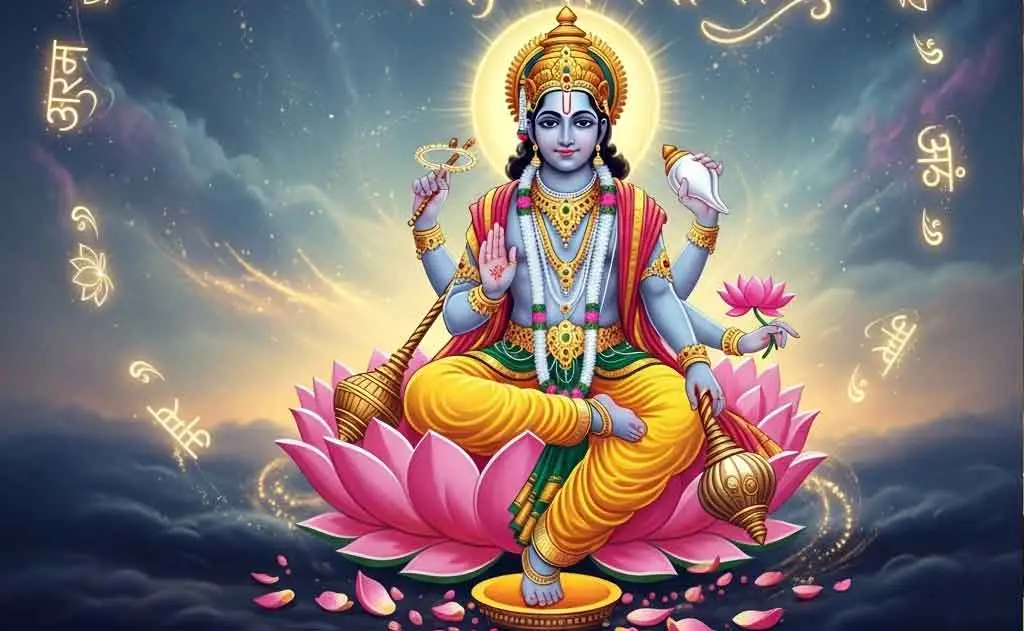
Dahi Handi re-creates Krishna's butter-stealing lila with human pyramids and hanging pots of curd. Its meaning, how it is performed, the NRI weekend version, safety and home celebrations.
Dahi Handi is one of the most vibrant and playful traditions of Janmashtami. It re-creates the childhood pastime of little Krishna — the Makhan Chor — who, with his cowherd friends, formed human pyramids to reach the pots of butter and curd hung high in the homes of Gokul and Vrindavan. What began as a mischievous lila has become a grand community festival of teamwork, devotion and pure joy — and for many diaspora families it is the highlight that brings the whole community together.
When is Dahi Handi 2026?
Dahi Handi (also called Gopalkala or Nandotsav) is traditionally observed the day after Krishna Janmashtami. With Janmashtami 2026 on Friday, 4 September, Dahi Handi falls on Saturday, 5 September 2026 in India. In the USA, UK, Canada and Australia it is usually moved to the weekend so that working families and children can take part — confirm the exact date with your local temple or community organiser.
The spiritual significance of Dahi Handi
Dahi Handi is far more than a sport. Its symbolism runs deep:
- Krishna's love for makhan (butter) and the devotion of the gopis who set the pots out for him
- The power of collective effort and friendship — the gopas working as one
- The breaking of material attachment — as the pot shatters, so do ego and greed in devotion
- The joy of sharing prasad — the curd, butter and sweets showered on everyone present
How Dahi Handi is performed
- Preparing the handi — an earthen pot is filled with curd, butter, milk, sweets and coins, then sealed and decorated with garlands and peacock feathers
- Hanging the pot — suspended high on a pole or scaffold, often many metres up at large public events
- The human pyramid (Govindas) — teams form a multi-tiered pyramid, the strongest at the base and the lightest climbing to the top
- Breaking the pot — the topmost Govinda breaks it as the crowd cheers 'Govinda Ala Re!' and 'Jai Kanhaiya Lal Ki!'
- Celebration — the prasad is distributed, followed by music, dancing and a short aarti
Dahi Handi for NRI families (USA, UK, Canada, Australia)
In the diaspora the tradition is lovingly adapted for space, safety and participation:
- Timing — almost always moved to the Saturday or Sunday after Janmashtami so families can join
- Scale — temples and Marathi, Gujarati and Telugu associations run smaller, safer versions with lower pots
- Safety first — lightweight pots, landing mats, helmets for climbers and limited height
- Inclusive versions — 'Bal Govinda' events for children with very low pots, or a symbolic family handi at home
- Locations — active in New Jersey, Texas, California, London (Southall, Wembley), Toronto and Brampton, Vancouver, Melbourne, Sydney and Brisbane
How to celebrate Dahi Handi at home
- Hang a small decorated pot of curd, butter, sweets and coins from a tree branch, balcony or sturdy stand
- Let children form a simple two- or three-level pyramid with adult supervision, or simply reach up and break it
- Sing 'Govinda Ala Re' or a joyful Krishna bhajan while doing it
- Distribute the contents as prasad and capture the moment — these become cherished family memories
Safety first
Dahi Handi is meant to be joyful and devotional, never dangerous. Never attempt tall human pyramids without proper training, padding and supervision; keep children in low, supported roles; and remember that large public events may require local permits, which community organisers usually arrange. The spirit of the festival is friendship and devotion, not risky competition.
Related Janmashtami guides
More for the festival:
- Krishna Janmashtami 2026: date, muhurat & puja vidhi
- Bala Krishna leelas — the Makhan Chor stories
- Janmashtami fasting rules (vrat vidhi)
Frequently asked questions
When is Dahi Handi 2026?
Dahi Handi is observed the day after Janmashtami — Saturday, 5 September 2026 in India (Janmashtami is 4 September). In the diaspora it is usually held on the following weekend; confirm with your local community.
What does Dahi Handi symbolise?
It re-creates Krishna's butter-stealing (Makhan Chor) pastimes and symbolises collective effort, the breaking of ego and attachment, and the joy of sharing prasad with the whole community.
What is kept inside the handi?
The pot is filled with curd (dahi), butter, milk, sweets and sometimes coins, then sealed and decorated. When broken, the contents are shared as prasad.
How is Dahi Handi celebrated safely at home?
Hang a small pot low from a branch or stand, let children form a simple supervised pyramid or simply reach up to break it, sing 'Govinda Ala Re', and share the contents as prasad. Keep heights low and adults supporting.
You might also like
Deepavali 2026 in Singapore: Date, Little India Celebrations & Temple Guide
Deepavali 2026 in Sri Lanka: Date, Jaffna & Colombo Celebrations, Temples

ISKCON Temples Worldwide Celebrate Krishna Janmashtami 2026: A Global Guide