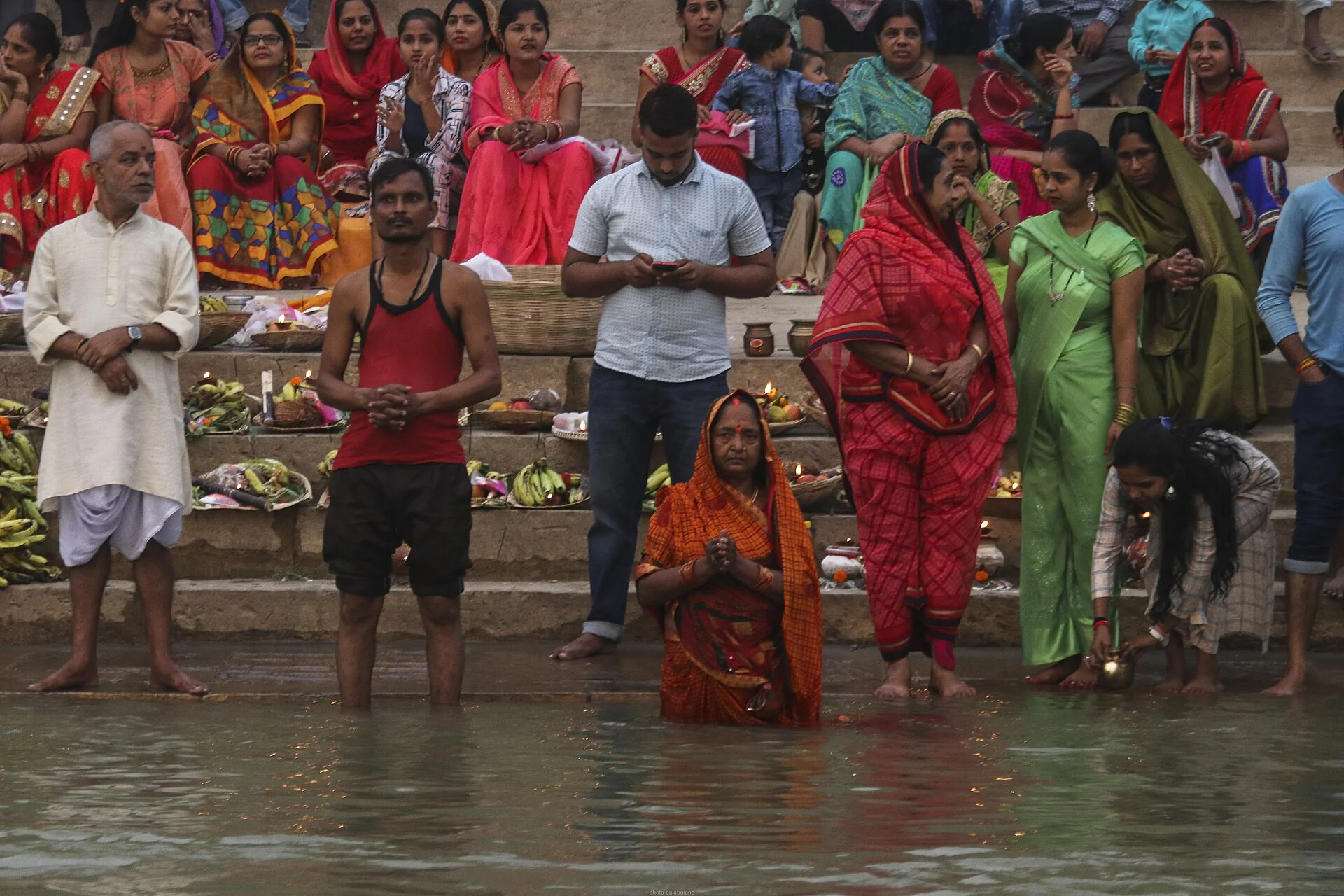
Diwali 2025 – Significance, History & 5-Day Celebration of the Festival of Lights
Introduction: Why Diwali Matters Diwali, also known as Deepavali (meaning “row of lights”), is one of the most vibrant and widely celebrated festivals in India…
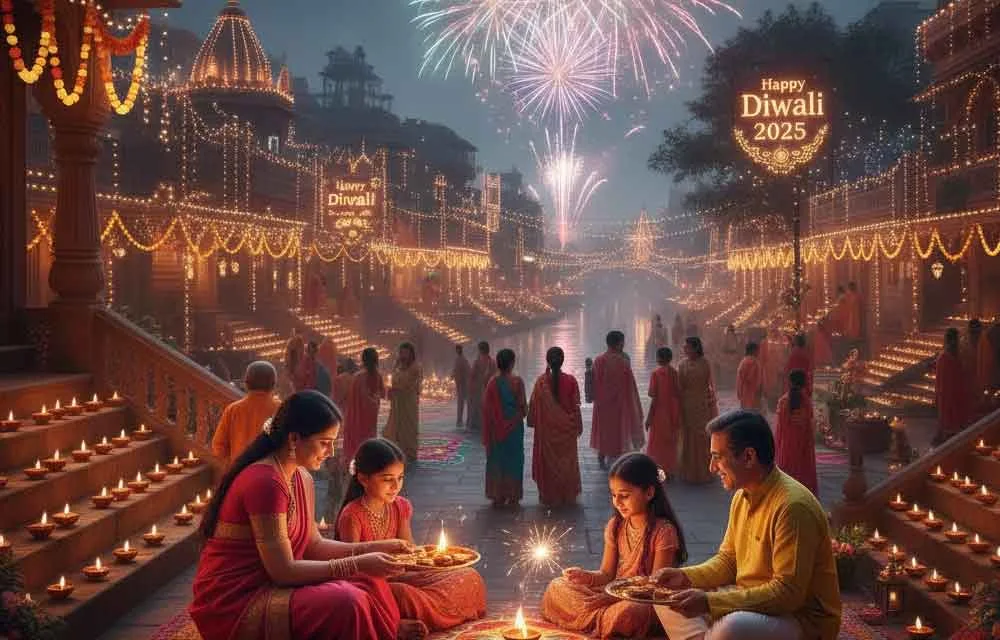
Introduction: Why Diwali Matters Diwali, also known as Deepavali (meaning “row of lights”), is one of the most vibrant and widely celebrated festivals in India…
Introduction: Why Diwali Matters
Diwali, also known as Deepavali (meaning “row of lights”), is one of the most vibrant and widely celebrated festivals in India and across the world. Observed by Hindus, Jains, and Sikhs, the festival extends over five days and represents the triumph of light over darkness, good over evil, and knowledge over ignorance.
In 2025, Diwali will be celebrated from October 18 to October 23, with each day carrying unique rituals and cultural importance.
1. Spiritual and Philosophical Significance of Diwali
At its heart, Diwali conveys a timeless message relevant to all humanity:
- Light Over Darkness – Diyas (oil lamps) symbolize the inner light that destroys negativity and ignorance.
- Good Over Evil – Every legend associated with Diwali reflects the victory of righteousness.
- Knowledge Over Ignorance – The festival reminds us to seek wisdom and self-awareness.
This spiritual awakening encourages people to renew their lives with positivity and hope.
2. Mythological Importance of Diwali
Different regions of India and other faiths celebrate Diwali for varied reasons, all tied to the theme of victory:
- Lord Rama’s Return (North India): The most popular legend celebrates Lord Rama, Sita, and Lakshmana’s return to Ayodhya after defeating Ravana. People welcomed them by lighting clay lamps.
- Worship of Goddess Lakshmi: On the main Diwali day, devotees pray to Goddess Lakshmi (prosperity) and Lord Ganesha (remover of obstacles).
- Lord Krishna’s Victory (South India): Naraka Chaturdashi marks Krishna’s defeat of demon Narakasura, symbolizing liberation.
- Jainism: Diwali commemorates Lord Mahavira’s Nirvana (spiritual liberation).
- Sikhism: Known as Bandi Chhor Divas, it marks the release of Guru Hargobind Ji from imprisonment.
3. Social and Cultural Importance of Diwali
Beyond mythology, Diwali has immense cultural and social value:
- New Beginnings: Business communities treat it as the start of a new financial year, symbolizing prosperity.
- Family & Community Bonding: Families gather for pujas, feasts, gift exchanges, and fireworks.
- Renewal & Cleansing: Homes are cleaned and decorated to welcome positive energy and Goddess Lakshmi’s blessings.
4. The Five Days of Diwali 2025
Diwali is not a single day but a sequence of festivals, each with its own importance:
Conclusion: The Universal Message of Diwali
Diwali is much more than a festival of lights—it is a festival of renewal, unity, and spiritual awakening. Whether it is Rama’s return to Ayodhya, Krishna’s victory over evil, Mahavira’s Nirvana, or Guru Hargobind’s liberation, the essence remains the same: light, truth, and goodness always prevail.
As we celebrate Diwali 2025, let us embrace its deeper meaning—spreading joy, positivity, and compassion in our lives and communities.
✨ Wishing you a Happy and Pro
What Do the Sacred Scriptures Say About Diwali?
The earliest textual roots of Deepavali can be traced to the Skanda Purana and the Padma Purana, both of which describe the lighting of lamps on the Kartika Amavasya (new-moon night of the month of Kartika) as a sacred act that invites the goddess Lakshmi into one's home and dispels the darkness associated with the pitru-loka, the realm of ancestors. The Skanda Purana specifically names the festival 'Deepavali' and instructs householders to illuminate every corner of their dwelling so that Lakshmi, who wanders the earth on this night, may find a worthy abode.
The Vishnu Purana connects the night to the cosmic churning of the ocean (Samudra Manthan), during which Goddess Lakshmi emerged from the waters — an event symbolically re-enacted each year when devotees invoke her through Lakshmi Puja. The Atharva Veda's hymns to light (jyoti) and the Rigvedic verse 'Tamaso ma jyotirgamaya' (Lead me from darkness to light) are widely cited as the philosophical foundation of the entire Deepavali tradition, even though the festival itself is not named in those oldest texts.
How Is Each of the Five Days of Diwali Observed?
Day one, Dhanteras (Dhana Trayodashi), falls on the thirteenth lunar day of Krishna Paksha in Kartika. Devotees worship Dhanvantari, the divine physician who also emerged during the Samudra Manthan, and it is considered auspicious to purchase gold, silver, or new utensils. In many households, thirteen diyas are lit and kept burning through the night as an offering to Yama, the lord of death, to ward off untimely departures.
Day two is Naraka Chaturdashi (Choti Diwali), on which Lord Krishna, assisted by his consort Satyabhama, slew the demon Narakasura at dawn. In South Indian states like Andhra Pradesh, Telangana, and Tamil Nadu, families wake before sunrise for an abhyanga snanam — a ritual oil bath — symbolically washing away the impurities associated with Narakasura's reign. Day three is the main Diwali night of Lakshmi Puja, followed on day four by Govardhan Puja (also called Annakut), when Lord Krishna's lifting of Govardhana Hill to shelter the people of Vrindavana is celebrated with an elaborate offering of food — sometimes hundreds of vegetarian dishes — arranged before the deity. The fifth and final day, Bhai Dooj (Yama Dwitiya), honours the bond between brothers and sisters, echoing the Puranic story of Yama visiting his sister Yamuna.
Which Major Temples Hold Special Diwali Celebrations?
The Sri Ranganathaswamy Temple in Srirangam, Tamil Nadu — one of the 108 Divya Desams — conducts a magnificent Deepotsavam (festival of lamps) in which thousands of oil lamps are arranged along the temple's towering gopurams (gateway towers), visible for miles. Similarly, the Kashi Vishwanath Temple in Varanasi witnesses a spectacular 'Dev Deepawali' on the full-moon night of Kartika (approximately fifteen days after Diwali proper), when the entire Ganga ghats from Dashashwamedh to Panchaganga are lined with over a million earthen diyas.
In Ayodhya, Uttar Pradesh — the birthplace of Lord Rama — the state government has in recent years organised a large-scale Deepotsav on the banks of the Sarayu river, re-enacting Rama's homecoming with diyas placed along the riverfront. The Sri Venkateswara Swamy Temple at Tirumala in Andhra Pradesh also observes special Brahmotsavam proceedings during the Kartika month, linking the broader season of lights with devotion to Lord Vishnu in his form as Balaji.
What Is the Significance of the Diya, Rangoli, and Lakshmi Puja Rituals?
The diya — a small clay lamp filled with ghee or sesame oil and a cotton wick — is more than decorative. In Vedic thought, the flame (agni) is both a purifier and a witness: the same fire that receives oblations in a yajna is invoked in miniature on Diwali night. Lighting a diya at the threshold (dwar) is an act of welcoming the divine into the household, while placing one at the tulsi plant honours the sacred basil considered an earthly form of Goddess Lakshmi herself.
Rangoli — geometric or floral patterns drawn at the entrance with coloured powders, rice flour, or flower petals — serves as a visual invitation (swagat) to Lakshmi and also functions as a yantra, a sacred diagram believed to generate positive energy. The Lakshmi Puja itself follows a specific vidhi (ritual procedure): the deity's image or idol is bathed, adorned with fresh flowers such as lotus or marigold, and offered panchamrita (a mixture of milk, curd, honey, ghee, and sugar), followed by the chanting of the Shri Sukta, a Rigvedic hymn of sixteen verses dedicated to Goddess Lakshmi that praises her as the embodiment of abundance, beauty, and auspiciousness.
How Has Diwali Spread Beyond India and What Does It Mean for the Global Hindu Diaspora?
Diwali is today a public holiday in countries including Nepal, Sri Lanka, Mauritius, Fiji, Trinidad and Tobago, Guyana, and Suriname — nations where significant Hindu diaspora communities settled over centuries. In the United Kingdom, the city of Leicester hosts one of the largest Diwali celebrations outside of South Asia, with the Golden Mile on Belgrave Road illuminated in a tradition that dates back several decades. The White House in Washington, D.C. has observed Diwali annually since 2003, reflecting the festival's growing global cultural footprint.
For the global Hindu diaspora, Diwali carries a dual significance: it is simultaneously a religious observance — with Lakshmi Puja, Sanskrit mantras, and traditional rituals maintained even in immigrant households — and a cultural anchor that connects second- and third-generation Hindus to their Bharatiya heritage. Organisations such as Hindu temples in cities like Houston (Sri Meenakshi Devasthanam), Chicago (Vivekananda Vedanta Society), and London (Neasden BAPS Swaminarayan Mandir) organise elaborate multi-day Diwali programmes that bring communities together and transmit traditional knowledge to younger generations.
How Can Families Celebrate a Spiritually Meaningful and Eco-Conscious Diwali?
Traditional Diwali observance is inherently aligned with ecological mindfulness: the clay diya is biodegradable, ghee-based lamps produce minimal harmful emissions compared to synthetic candles, and the practice of offering homemade naivedyam (food offerings) with seasonal fruits and sweets like kaju katli, besan laddoo, or chakli uses local and natural ingredients. Reclaiming these practices in place of mass-produced plastic decorations restores both the spiritual integrity and the environmental responsibility embedded in the festival.
Families can deepen the festival's spiritual dimension by reading aloud select shlokas from the Ramacharitamanasa or the Valmiki Ramayana on the evening of Diwali, particularly the passages describing Ayodhya's illumination upon Rama's return (Uttara Kanda). Conducting a simple Lakshmi-Ganesha puja using the Shri Sukta and Ganapati Atharvashirsha at home, inviting elderly relatives to share stories of the festival from their childhood, and distributing diyas or homemade sweets to neighbours are practices that reinforce the festival's core message — that light, generosity, and dharma are not confined to a single night but are ideals to be lived year-round.
Frequently Asked Questions
When is Diwali – Significance, History & 5?
Diwali – Significance, History & 5 is observed on its traditional tithi in the Hindu lunar calendar; refer to the year's panchang for the exact date in your region.
What is the significance of Diwali – Significance, History & 5?
Introduction: Why Diwali Matters Diwali, also known as Deepavali (meaning “row of lights” ), is one of the most vibrant and widely celebrated festivals in India and across the world. Observed by Hindus, Jains, and Sikhs , the festival extends over five days and represents the triumph of light over darkness, good over evil, and knowledge over ignorance .
How is Diwali – Significance, History & 5 celebrated?
Devotees observe it with puja, fasting or special offerings, visiting temples, chanting mantras, and gathering with family. Customs vary by region and tradition.
What should devotees do on Diwali – Significance, History & 5?
Take a sacred bath, perform the day's puja and charity (dana), observe any prescribed fast, and chant mantras with sincere devotion.
You might also like
Gita Jayanti 2026 Prasad Recipes — Tulsi-Honoring Sweets, Krishna's Favourites & December 10 Bhog Plate
Shani Deva Temples Worldwide & Must-Performed Rituals — Complete Devotee's Guide
Maha Shivratri 2026 Vrat Recipes — Sabudana Khichdi, Singhada Halwa, Phalahara Foods Complete Fasting Guide