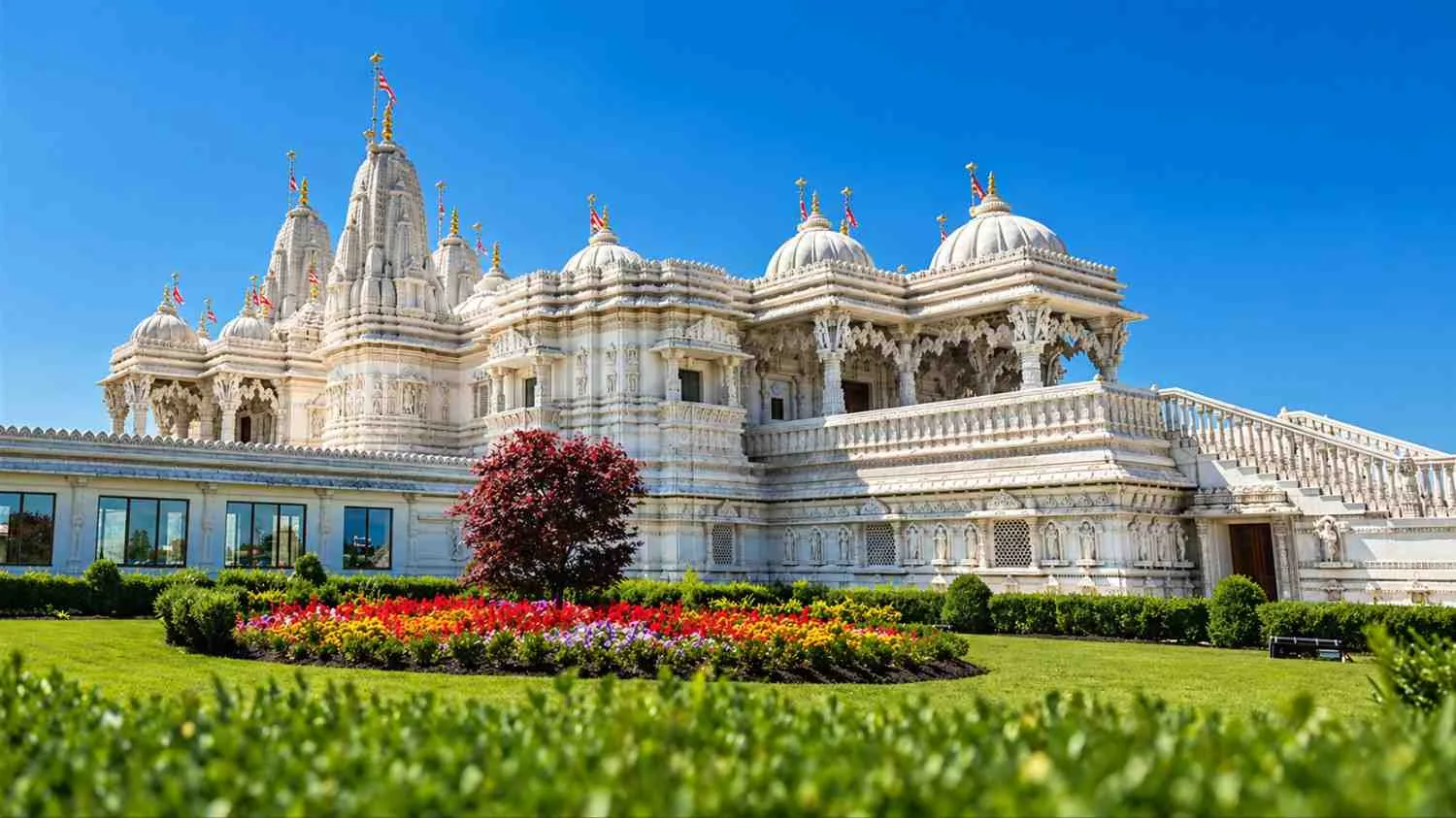
Naraka Chaturdashi 2026: Choti Diwali, Abhyanga Snanam & Story
Naraka Chaturdashi (Choti Diwali) 2026 (7 November): Krishna’s victory over Narakasura — significance, the Abhyanga Snanam, rituals, mantra & diaspora guide.
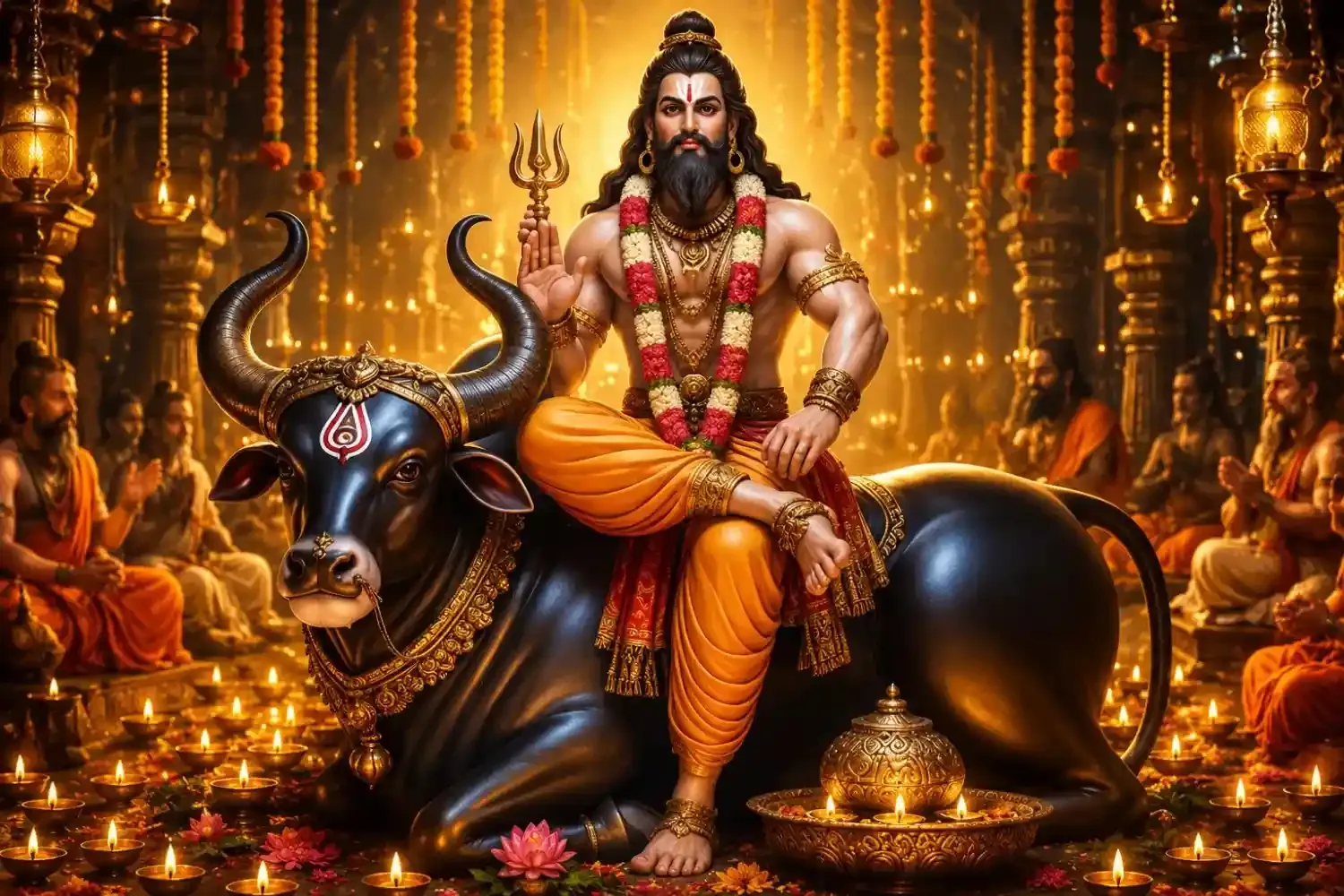
Naraka Chaturdashi (Choti Diwali) 2026 (7 November): Krishna’s victory over Narakasura — significance, the Abhyanga Snanam, rituals, mantra & diaspora guide.
Naraka Chaturdashi — "Choti Diwali" — falls on 7 November 2026, the eve of Deepavali 2026. It celebrates Lord Krishna’s victory over the demon Narakasura, kept with the famous pre-dawn Abhyanga Snanam.
Naraka Chaturdashi 2026 Date
- Date: 7 November 2026 (Krishna Chaturdashi) — confirm the snanam timing locally
- Also called: Choti Diwali, Kali Chaudas, Naraka Nivaran Chaturdashi
- Marks: Day 2 of Deepavali, the eve of Lakshmi Puja
Significance
On this day Lord Krishna, with Satyabhama, slew the tyrant Narakasura and freed the sixteen thousand one hundred captives he had imprisoned — the triumph of light over darkness that lights the way into Diwali. The pre-dawn oil bath taken now is held to grant the merit of bathing in the holy Ganga.
Story & Tradition
Narakasura, drunk on power, had terrorised the heavens and the earth. Krishna ended his reign at dawn; the demon, repenting, asked that his death be remembered not with mourning but with light and joy. So people rise before sunrise, bathe, and light lamps — turning a victory into a festival.
Rituals & Puja Vidhi
- Rise before dawn and take the Abhyanga Snanam with oil and ubtan.
- Wear fresh clothes; light lamps around the home (a smaller Diwali).
- Offer prayers to Krishna; in some regions, worship Kali or Hanuman.
- Draw rangoli and prepare for the great Lakshmi Puja the next day.
Mantra
Krishna: ॐ नमो भगवते वासुदेवाय · oṃ namo bhagavate vāsudevāya.
How the Diaspora Observes
Families across the USA, UK, Canada, Australia, the UAE and Germany keep a symbolic Abhyanga Snanam, light lamps for "Choti Diwali", and gather for Krishna prayers, building toward the main Diwali night.
Frequently Asked Questions
When is Naraka Chaturdashi 2026?
Naraka Chaturdashi (Choti Diwali) falls on 7 November 2026, the day before Lakshmi Puja; the Abhyanga Snanam is taken in the pre-dawn hours — confirm timings locally.
Why is it celebrated?
It marks Lord Krishna’s slaying of the demon Narakasura and the freeing of the 16,100 captives he held — the victory of light over darkness on the eve of Diwali.
What is Abhyanga Snanam?
A ritual pre-dawn bath with oil and ubtan (herbal paste), believed to wash away impurity and bestow the merit of holy bathing — the signature observance of the day.
What are its other names?
It is also called Choti Diwali, Kali Chaudas (in some regions), and Naraka Nivaran Chaturdashi.
Key Takeaways
- Naraka Chaturdashi 2026: 7 November — Day 2 of Deepavali.
- Krishna’s victory over Narakasura; light over darkness.
- Take the pre-dawn Abhyanga Snanam; light lamps; chant Om Namo Bhagavate Vasudevaya.
See Deepavali 2026, Dhanteras 2026 and Lakshmi Puja 2026.
You might also like

Diwali 2026 in Dubai and the UAE: Lakshmi Puja Muhurat, Dhanteras Timings and the 5-Day Guide
Diwali 2026 in the UK: Lakshmi Puja Muhurat City by City, Dhanteras Timings and the 5-Day Calendar
Diwali 2026 in Australia: Lakshmi Puja Muhurat City by City, Dhanteras Timings and the 5-Day Calendar