Crafting with Devotion: DIY Clay Diyas and Torans for Diwali 2026
Diwali, the Festival of Lights, is more than just illumination—it is about bringing light into our homes, hearts, and relationships.
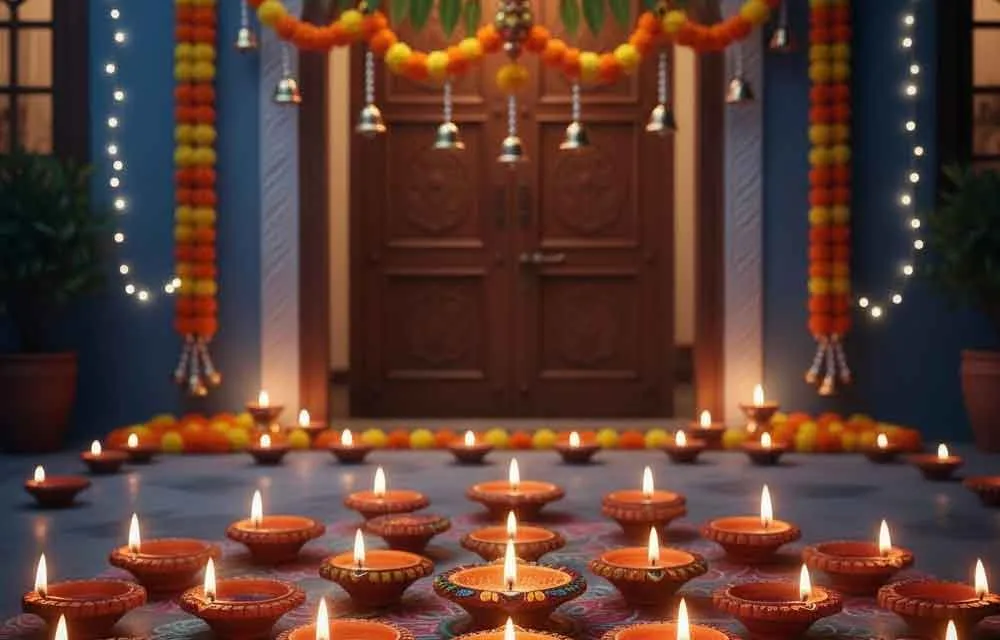
Diwali, the Festival of Lights, is more than just illumination—it is about bringing light into our homes, hearts, and relationships.
Diwali, the Festival of Lights, is more than just illumination—it is about bringing light into our homes, hearts, and relationships. While markets overflow with ready-made decorations, there’s something deeply spiritual and meaningful about crafting your own puja items. DIY clay diyas and homemade torans are not only eco-friendly but also carry the devotion, creativity, and love of the family members who make them.
In this guide, we’ll show you how to make your own clay diyas and torans at home, along with the spiritual significance behind them, so your Diwali celebrations become more personal and connected to tradition.
Why Handmade Puja Items are Special
- Spiritual Connection – Creating your own diya or toran is an act of devotion, making the ritual more heartfelt.
- Family Bonding – Craft activities bring children, parents, and elders together, creating joyful memories.
- Eco-Friendly Choice – Handmade clay diyas return to the earth without harm, unlike plastic decorations.
- Personal Touch – Your unique patterns and creativity make each piece one-of-a-kind.
DIY Clay Diyas – Step-by-Step Guide
Lighting a diya is believed to remove darkness and welcome Goddess Lakshmi, the goddess of wealth and prosperity, into our homes. Making diyas yourself adds deeper intention to this sacred act.
Materials Needed:
- Natural clay (easily available in craft stores or local markets)
- A bowl of water
- Rolling pin (optional)
- Natural paints (watercolors, poster paints, or organic colors)
- Paintbrushes
- Cotton wick & oil/ghee for lighting
Instructions:
- Prepare the Clay – Knead the clay with a little water until it becomes soft and pliable.
- Shape the Diya – Take a small ball of clay, press it into a cup shape using your thumb, and pinch the sides to create a spout for the wick.
- Smooth the Surface – Use damp fingers or a rolling pin to smooth out cracks.
- Drying – Leave the diyas to air-dry for 24–48 hours, or bake them in a low-temperature oven (around 180°C) for 20–30 minutes.
- Decorate – Once dry, paint them with bright colors—red, yellow, green, and gold are considered auspicious. Add small patterns using dots and swirls.
- Lighting the Diyas – Place a cotton wick, fill with ghee or oil, and light during your Diwali puja.
Tip: Involve children in painting diyas—it’s a fun way to teach them about culture and devotion.
Homemade Torans – Welcoming Prosperity
A toran is a decorative hanging placed at the entrance of homes. In Hindu tradition, torans are believed to invite positive energy, ward off negativity, and welcome prosperity.
Materials Needed:
- Colorful fabric scraps or felt sheets
- Artificial or real marigold flowers
- Mango or Ashoka leaves (symbol of auspiciousness)
- Needle and thread or strong craft glue
- Beads, mirrors, or bells for decoration
Instructions:
- Base Preparation – Cut a long strip of fabric or thread strong enough to hang across your doorway.
- Leaf Arrangement – If using fresh mango leaves, thread them together to form the base line.
- Flower Addition – String together marigolds or use handmade paper/felt flowers for a longer-lasting toran.
- Decorative Elements – Add beads, bells, or small mirrors to enhance the look.
- Final Placement – Hang your toran above the main door. According to tradition, this attracts good fortune and blessings during Diwali.
Tip: For a sustainable option, use dried flowers and eco-friendly materials instead of plastic décor.
The Spiritual Significance of Clay Diyas and Torans
- Clay Diyas: Symbolize the triumph of light over darkness and the dispelling of ignorance with wisdom. The handmade diya carries your sankalpa (intention), amplifying its spiritual power.
- Torans: Represent a gateway of positivity, welcoming Goddess Lakshmi and Lord Ganesha into your home. Handmade torans crafted with devotion radiate pure energy.
A Family Activity with Lasting Impact
Instead of shopping for machine-made items, dedicate a day to crafting as a family. Parents can shape the diyas, children can paint them, and elders can share the significance of rituals. Similarly, toran-making can be a collective project where each family member contributes. This not only strengthens cultural ties but also keeps traditions alive for future generations.
Conclusion
Diwali is not just about external lights but also about igniting the inner light of devotion and creativity. By making DIY clay diyas and homemade torans, you infuse your home with love, positive energy, and cultural richness. This year, skip the store-bought items and embrace the joy of making your own puja decorations—because the most radiant Diwali lights are the ones made with your own hands and devotion.
Related 2026 guides
- Diwali 2026: dates, Lakshmi Puja muhurat & 5-day guide
- Lakshmi Puja muhurat 2026 in 30 Indian cities
- Lakshmi Puja vidhi 2026: step-by-step
- Dhanteras 2026
- Diwali 2026 5-day calendar at a glance
Frequently Asked Questions
When is Diwali 2026?
Diwali Lakshmi Puja falls on Sunday, November 8, 2026, in India and in most countries abroad, including the USA, UK and Canada. Dhanteras is on November 6, so making diyas and torans in the days before gives them time to dry.
How do you make clay diyas at home?
Knead natural clay with a little water, shape a small ball into a cup with your thumb and pinch one side into a spout for the wick. Smooth out cracks, let the diyas air-dry for 24–48 hours, then paint them and light them with a cotton wick and ghee or oil.
How do you make a toran for Diwali?
Start with a long strip of fabric or strong thread, then add mango or Ashoka leaves, marigolds or felt flowers, and beads, bells or small mirrors. Hang the finished toran above the main door to welcome guests and blessings.
Why are handmade diyas and torans considered special?
In tradition, the diya symbolizes light over darkness and is believed to welcome Goddess Lakshmi, while the toran marks the doorway as auspicious for Lakshmi and Ganesha. Making them yourself carries your sankalpa (intention) and makes the puja more personal.
Can NRI families make diyas and torans abroad?
Yes. Natural clay, paints and felt are available in craft stores, and paper or felt flowers work well where fresh marigolds or mango leaves are hard to find. It is also a simple way to involve children and share Diwali traditions far from India.
You might also like

Gita Jayanti 2026 Prasad Recipes — Tulsi-Honoring Sweets, Krishna's Favourites & December 20 Bhog Plate
Maha Shivratri 2026 Vrat Recipes — Sabudana Khichdi, Singhada Halwa, Phalahara Foods Complete Fasting Guide
Shani Deva Temples Worldwide & Must-Performed Rituals — Complete Devotee's Guide