Diwali Night Bhajans & Aartis Every Family Must Sing
Diwali, the Festival of Lights, is incomplete without the melodious sounds of bhajans and aartis echoing through homes.
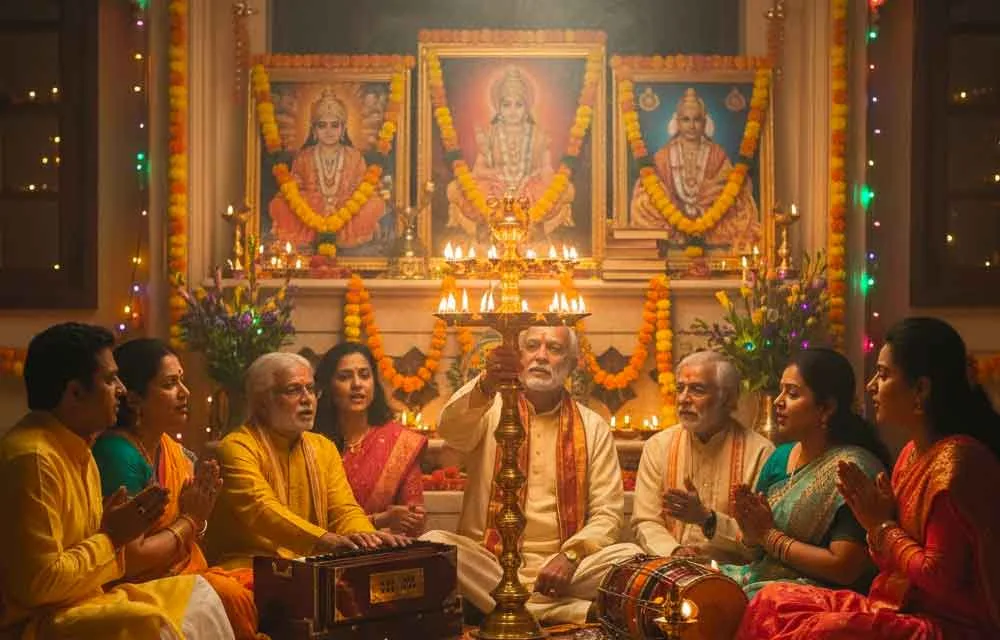
Diwali, the Festival of Lights, is incomplete without the melodious sounds of bhajans and aartis echoing through homes.
Diwali, the Festival of Lights, is incomplete without the melodious sounds of bhajans and aartis echoing through homes. As diyas illuminate our surroundings, devotional songs illuminate our souls, connecting us with the divine and strengthening family bonds. Here's a comprehensive guide to the essential bhajans and aartis that every family should sing on this auspicious night.
The Spiritual Significance of Diwali Bhajans
Singing bhajans and aartis during Diwali is more than a tradition—it's a spiritual practice that purifies the atmosphere, invites divine blessings, and creates positive vibrations throughout the home. The collective singing brings families together, passing down cultural heritage from one generation to the next.
Essential Lakshmi Aartis for Diwali Night
1. Om Jai Lakshmi Mata
This is the most popular Lakshmi aarti sung across India. It praises Goddess Lakshmi as the bestower of wealth, prosperity, and happiness. Families gather around the puja altar, holding diyas and singing this aarti to invoke the goddess's blessings for abundance in the coming year.
When to sing: During Lakshmi Puja, which typically occurs during Pradosh Kaal (after sunset).
2. Jai Lakshmi Ramana
Composed by the saint Pandit Shree Narayan Dutt Shrimali, this aarti glorifies Lakshmi as the consort of Lord Vishnu. Its beautiful verses describe the goddess's divine qualities and her role in sustaining prosperity in the universe.
3. Sukh Karta Dukh Harta (Ganesh Aarti)
Before beginning Lakshmi Puja, singing Ganesh aarti is essential. Lord Ganesha, the remover of obstacles, is worshipped first to ensure that the puja proceeds without hindrances and that Goddess Lakshmi's blessings remain in the home.
Traditional Diwali Bhajans
4. Raghupati Raghav Raja Ram
This timeless bhajan, popularized by Mahatma Gandhi, is perfect for creating a devotional atmosphere. Its simple melody makes it easy for all family members, including children, to participate.
5. Shree Ramchandra Kripalu Bhajman
Composed by Tulasidas, this beautiful bhajan praises Lord Rama's compassion and grace. Since Diwali also celebrates Lord Rama's return to Ayodhya, this bhajan holds special significance.
6. OmJai Jagdish Hare (Universal Aarti)
Often called the "king of all aartis," this universal aarti can be sung to worship any deity. Many families conclude their Diwali puja with this comprehensive prayer that seeks blessings from the Supreme Divine.
Goddess Lakshmi Bhajans
7. Mahalakshmi Ashtakam
This eight-verse hymn in Sanskrit beautifully describes the eight forms of Goddess Lakshmi. Though traditionally recited, many families have adopted melodious versions that can be sung together.
8. Lakshmi Chalisa
Similar to the Hanuman Chalisa in structure, this 40-verse composition praises Goddess Lakshmi's various attributes and seeks her grace for prosperity and well-being.
9. Padharo Mhare Des
This welcoming bhajan from Rajasthan invites deities into the home. On Diwali night, families sing it to welcome Goddess Lakshmi, expressing their eagerness to receive her blessings.
Regional Diwali Songs
10. Diwali Aayi Re (Folk Song)
Various regions have their own folk songs celebrating Diwali's arrival. These cheerful songs, often sung by children, add a festive atmosphere to the celebrations and connect younger generations to their cultural roots.
11. Deepavali Deepavali Deepa Jalaoo (Tamil)
In South India, this melodious Tamil song is popular during Deepavali celebrations. It encourages the lighting of lamps and celebrates the victory of light over darkness.
Creating the Perfect Devotional Atmosphere
Tips for Family Singing Sessions:
Prepare in advance: Practice the bhajans a few days before Diwali so everyone knows the tunes and lyrics.
Include everyone: Assign different aartis to family members, ensuring even children participate.
Use traditional instruments: If possible, accompany the singing with harmonium, dholak, tabla, or even simple cymbals (kartals) to enhance the devotional mood.
Create a proper setup: Arrange everyone to sit in a circle around the puja area, fostering a sense of unity and devotion.
Maintain proper timing: The most auspicious time for singing Lakshmi aarti is during the Lakshmi Puja muhurat, typically in the evening.
The Lakshmi Puja Sequence
Here's the traditional order for singing during Diwali night:
- Begin with Ganesh Aarti - Sukh Karta Dukh Harta
- Lakshmi Puja and Aarti - Om Jai Lakshmi Mata or Jai Lakshmi Ramana
- Supplementary Bhajans - Raghupati Raghav, Shree Ramchandra Kripalu
- Conclude with Universal Aarti - Om Jai Jagdish Hare
- Distribution of Prasad - Share sweets while the divine vibrations still resonate
Benefits of Singing Bhajans Together
Spiritual elevation: Collective singing creates powerful spiritual vibrations that purify the home.
Family bonding: It strengthens relationships and creates lasting memories.
Cultural preservation: Younger generations learn and appreciate their heritage.
Mental peace: Devotional music reduces stress and brings inner calm.
Positive energy: Bhajans attract divine grace and positive vibrations into the home.
Modern Adaptations
While traditional singing holds immense value, many families now use recorded aartis or online resources to learn proper pronunciations and tunes. However, the essence lies in participation and devotion rather than perfect rendition. Even if sung imperfectly, heartfelt devotion reaches the divine.
Conclusion
This Diwali, gather your family around the puja altar, light the diyas, and let your voices rise together in devotion. Whether you sing all these bhajans or choose a few that resonate with your family, the act of singing together creates a sacred space filled with love, faith, and divine blessings.
Remember, Goddess Lakshmi blesses homes where she is welcomed not just with material preparations but with pure hearts, devotional songs, and genuine love. Let your home resonate with these timeless melodies, creating memories that will be cherished for generations to come.
Shubh Deepavali! May Goddess Lakshmi shower her choicest blessings upon your family.
Have you learned any new Diwali bhajans this year? Share your family's favorite Diwali songs in the comments below and keep the tradition alive!
Related 2026 guides
- Diwali 2026: dates, Lakshmi Puja muhurat & 5-day guide
- Lakshmi Puja muhurat 2026 in 30 Indian cities
- Lakshmi Puja vidhi 2026: step-by-step
- Dhanteras 2026
- Diwali 2026 5-day calendar at a glance
Frequently Asked Questions
When is Diwali 2026 and when should families sing the Lakshmi aarti?
Diwali and Lakshmi Puja fall on Sunday, November 8, 2026, in India and also in the USA, Canada, the UK and Australia. The Lakshmi aarti is traditionally sung during the Lakshmi Puja muhurat in Pradosh Kaal, after sunset; check the muhurat for your own city.
What is the correct order of aartis on Diwali night?
Begin with the Ganesh aarti Sukh Karta Dukh Harta, then perform Lakshmi Puja with Om Jai Lakshmi Mata or Jai Lakshmi Ramana. Add bhajans such as Raghupati Raghav Raja Ram and Shree Ramchandra Kripalu, conclude with Om Jai Jagdish Hare, and then share prasad.
Why is Ganesh aarti sung before Lakshmi aarti on Diwali?
Lord Ganesha, the remover of obstacles, is worshipped first so that the puja proceeds without hindrances. Families sing Sukh Karta Dukh Harta before beginning Lakshmi Puja.
Which Diwali bhajans are easiest for children to sing?
Raghupati Raghav Raja Ram has a simple melody that all family members, including children, can follow. Cheerful regional folk songs celebrating Diwali's arrival are also popular with children.
How can NRI families abroad learn Diwali bhajans and aartis?
Many families use recorded aartis or online resources to learn the tunes and pronunciation, and practise a few days before Diwali. Heartfelt participation matters more than a perfect rendition, so even a few aartis sung together at home keep the tradition alive.
You might also like
Gita Jayanti 2026 Prasad Recipes — Tulsi-Honoring Sweets, Krishna's Favourites & December 20 Bhog Plate
Shani Deva Temples Worldwide & Must-Performed Rituals — Complete Devotee's Guide
Maha Shivratri 2026 Vrat Recipes — Sabudana Khichdi, Singhada Halwa, Phalahara Foods Complete Fasting Guide