Green Diwali 2026: How to Celebrate Without Harm to Nature
Green Diwali 2026 falls on Sunday, 8 November. Diwali, the festival of lights, symbolizes the victory of light over darkness and good over evil.
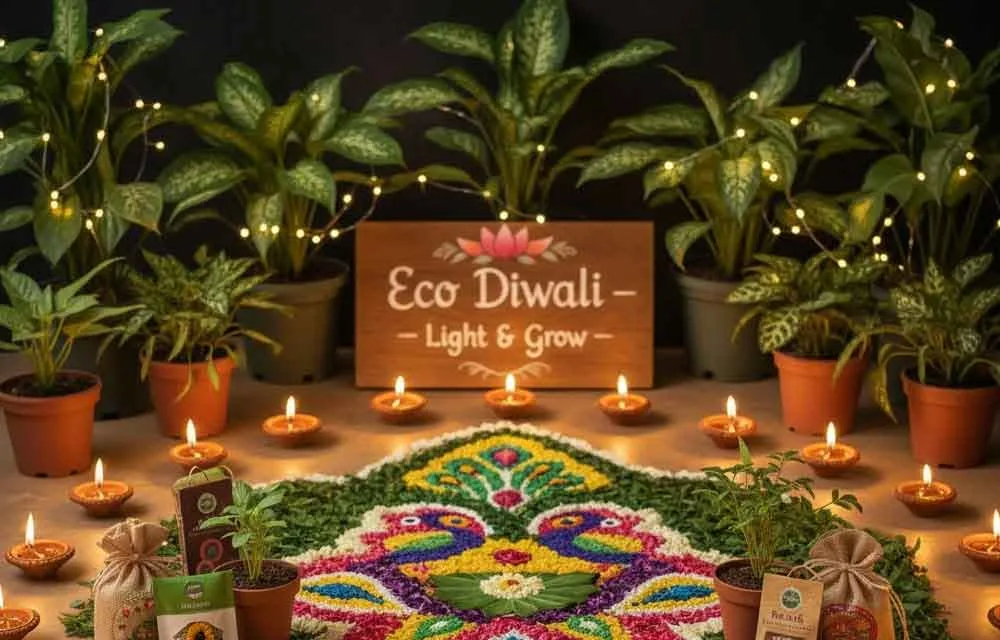
Green Diwali 2026 falls on Sunday, 8 November. Diwali, the festival of lights, symbolizes the victory of light over darkness and good over evil.
Update (October 2026): Diwali 2026 falls on Sunday, 8 November (Dhanteras Friday 6 November). This article has been updated for 2026 — for full festival dates and puja muhurat, see our Diwali 2026 guide.
Diwali, the festival of lights, symbolizes the victory of light over darkness and good over evil. However, in recent years, our traditional celebrations have taken a toll on the environment through air pollution, noise pollution, and excessive waste. This Diwali 2026, let's return to the festival's spiritual roots and celebrate in harmony with nature.
The Environmental Impact of Traditional Diwali Celebrations
Before we explore eco-friendly alternatives, it's important to understand the environmental challenges:
Air Pollution Crisis: Firecrackers release harmful pollutants including sulfur dioxide, carbon monoxide, and particulate matter that can linger in the atmosphere for days. Post-Diwali air quality in major cities often reaches hazardous levels, affecting millions of people, especially children and the elderly.
Noise Pollution: Loud fireworks disturb wildlife, pets, and people with medical conditions. Birds often lose their way, and animals experience severe stress and anxiety.
Waste Generation: Single-use decorations, plastic diyas, and excessive packaging contribute to landfills. Non-biodegradable materials take years to decompose.
Chemical Contamination: Toxic chemicals from firecrackers seep into soil and water bodies, affecting ecosystems and agriculture.
Eco-Friendly Ways to Celebrate Green Diwali 2026
1. Say No to Firecrackers
The most impactful step toward a green Diwali is avoiding firecrackers altogether. Instead, consider these alternatives:
- Light Shows and Projections: Organize community laser light shows or projection mapping displays that create spectacular visual effects without pollution
- Sparklers and Flower Pots: If you must have some sparkle, limit yourself to ground-based, low-emission options
- Digital Celebrations: Use augmented reality apps that simulate fireworks on your smartphone
- Musical Performances: Arrange traditional music concerts or devotional singing sessions
2. Choose Sustainable Lighting
Lighting is central to Diwali, but it doesn't have to harm the environment:
Clay Diyas: Traditional earthen lamps are biodegradable, support local potters, and create an authentic festive atmosphere. Fill them with organic oils like mustard or sesame oil, and use cotton wicks.
LED Lights: If using electric lights, choose LED bulbs that consume 75% less energy than traditional bulbs. Set them on timers to avoid wastage.
Solar-Powered Lights: Invest in solar string lights and lanterns that charge during the day and illuminate your home at night with zero electricity consumption.
Natural Luminaries: Create beautiful paper bag luminaries using recycled paper, or use bamboo and banana leaves to craft traditional lanterns.
3. Eco-Friendly Decorations
Transform your home with sustainable decoration ideas:
Flower Rangoli: Use fresh, locally-sourced flowers instead of synthetic colors. After the festival, compost the flowers or immerse them in your garden as natural fertilizer.
Natural Rangoli Colors: Make rangoli with rice flour, turmeric, kumkum, coffee powder, and crushed dried leaves. These can be safely cleaned without water contamination.
Upcycled Decorations: Create torans (door hangings) from old fabric, newspapers, and magazines. Make wall hangings from cardboard and natural colors.
Potted Plants: Decorate with marigold, chrysanthemum, and rose plants in biodegradable pots. These can be planted after Diwali.
Reusable Items: Store and reuse decorations year after year instead of buying disposable items.
4. Sustainable Gifting
Rethink your gifting approach this Diwali:
Plants and Seeds: Gift saplings, indoor plants, herb gardens, or seed packets that keep giving long after Diwali ends.
Handmade Products: Support local artisans by gifting handcrafted items, handloom textiles, or traditional handicrafts.
Organic Products: Choose organic food baskets, chemical-free skincare products, or natural wellness items.
Experience Gifts: Give memberships, workshop vouchers, or concert tickets instead of material goods.
Minimal Packaging: Use cloth bags, jute sacks, or newspaper wrapping instead of plastic and glossy paper. Decorate with dried flowers and twine.
Donations: Make charitable donations in someone's name to environmental or social causes.
5. Conscious Cooking and Feasting
Diwali feasts can be sustainable too:
Reduce Food Waste: Plan your menu carefully and prepare quantities based on actual requirements. Store leftovers properly and share with neighbors or those in need.
Local and Seasonal: Use locally-sourced, seasonal ingredients that require less transportation and storage.
Organic Ingredients: Choose organic grains, pulses, and produce free from harmful pesticides.
Plant-Based Options: Include more vegetarian and vegan dishes that have a lower carbon footprint.
Traditional Recipes: Revive traditional sweets made from natural sweeteners like jaggery and honey.
Avoid Single-Use: Say no to disposable plates, cups, and cutlery. Use steel, ceramic, or biodegradable leaf plates if needed.
6. Green Cleaning Practices
Natural Cleaning Agents: Use baking soda, vinegar, lemon, and herbs for pre-Diwali cleaning instead of harsh chemical cleaners.
Proper Waste Segregation: Separate wet and dry waste. Compost organic waste and recycle paper, plastic, and metal.
Water Conservation: Use buckets instead of running water while cleaning. Reuse water where possible.
7. Community Initiatives
Collective Celebrations: Organize community events that reduce individual consumption and waste while fostering togetherness.
Awareness Campaigns: Start social media campaigns or neighborhood drives promoting green Diwali practices.
Clean-Up Drives: Organize post-Diwali cleaning activities in your locality to collect and properly dispose of waste.
Support NGOs: Collaborate with environmental organizations working toward sustainable celebrations.
The Spiritual Essence of Green Diwali
A green Diwali aligns perfectly with Hindu philosophy, which emphasizes living in harmony with nature. The concept of "Vasudhaiva Kutumbakam" (the world is one family) reminds us of our responsibility toward all living beings and the environment.
Ancient Hindu scriptures advocate for environmental conservation:
- The Rigveda celebrates the earth, water, air, and fire as sacred elements
- The Atharva Veda emphasizes the importance of protecting forests and wildlife
- The Bhagavad Gita teaches about sustainable living and duty toward creation
By celebrating a green Diwali, we honor these timeless teachings and set a positive example for future generations.
Benefits of Green Diwali
Health Benefits: Cleaner air means fewer respiratory problems, allergies, and cardiovascular issues. Reduced noise levels benefit mental health and sleep quality.
Financial Savings: Avoiding firecrackers and choosing sustainable options often costs less than conventional celebrations while providing lasting value.
Environmental Protection: Every green choice reduces pollution, conserves resources, and protects wildlife and ecosystems.
Community Wellbeing: Quieter, cleaner celebrations create a more inclusive environment for children, elderly people, pets, and those with medical conditions.
Cultural Preservation: Returning to traditional, eco-friendly practices helps preserve authentic cultural heritage.
Making Green Diwali a Tradition
Start Small: You don't need to change everything at once. Pick 2-3 sustainable practices this year and gradually incorporate more.
Involve Family: Especially children, in making eco-friendly decorations and understanding the importance of environmental conservation.
Share Your Journey: Post about your green Diwali on social media to inspire others and create a ripple effect.
Make it Joyful: Remember that sustainable celebrations can be just as beautiful, joyful, and meaningful as traditional ones.
Conclusion
Green Diwali 2026 is not about sacrifice or compromise; it's about celebrating more mindfully and meaningfully. By choosing eco-friendly alternatives, we honor the true spirit of Diwali—spreading light and positivity—while protecting the planet for future generations.
This Diwali, let's illuminate not just our homes, but also our consciousness. Let's make choices that reflect our values of compassion, wisdom, and reverence for all life. When we celebrate without harming nature, we truly embody the victory of light over darkness.
Wishing you a blessed, bright, and green Diwali!
Shubh Deepavali!
Remember: The brightest light is the one that doesn't dim another's glow—or harm our planet's future.
Related 2026 guides
- Diwali 2026: dates, Lakshmi Puja muhurat & 5-day guide
- Lakshmi Puja muhurat 2026 in 30 Indian cities
- Lakshmi Puja vidhi 2026: step-by-step
- Dhanteras 2026
- Diwali 2026 5-day calendar at a glance
Frequently Asked Questions
When is Diwali 2026?
Diwali 2026 falls on Sunday, 8 November, with Dhanteras on Friday, 6 November. Green Diwali is not a separate date; it simply means celebrating these days in an eco-friendly way.
How can I celebrate a green Diwali?
Skip firecrackers, light clay diyas with mustard or sesame oil, make rangoli from rice flour, turmeric and flowers, and choose plants, handmade items or cloth-wrapped gifts. Cutting food waste and avoiding disposable plates also helps.
Why should we avoid firecrackers on Diwali?
Firecrackers release pollutants such as sulfur dioxide, carbon monoxide and particulate matter, and their noise disturbs birds, pets, the elderly and people with medical conditions. Toxic residues can also seep into soil and water.
What are eco-friendly alternatives to firecrackers?
Community light shows or projection displays, devotional music and singing sessions, and augmented reality fireworks apps offer the festive spirit without the pollution. If you want some sparkle, limit yourself to ground-based, low-emission options.
How can NRI families celebrate Green Diwali abroad?
Light clay diyas or solar and LED lights at home, decorate with natural rangoli and potted marigolds, and join collective temple or community celebrations instead of individual displays. Gifting plants or donating to environmental causes in someone's name keeps the spirit alive anywhere.
You might also like

Gita Jayanti 2026 Prasad Recipes — Tulsi-Honoring Sweets, Krishna's Favourites & December 20 Bhog Plate

Maha Shivratri 2026 Vrat Recipes — Sabudana Khichdi, Singhada Halwa, Phalahara Foods Complete Fasting Guide
Shani Deva Temples Worldwide & Must-Performed Rituals — Complete Devotee's Guide