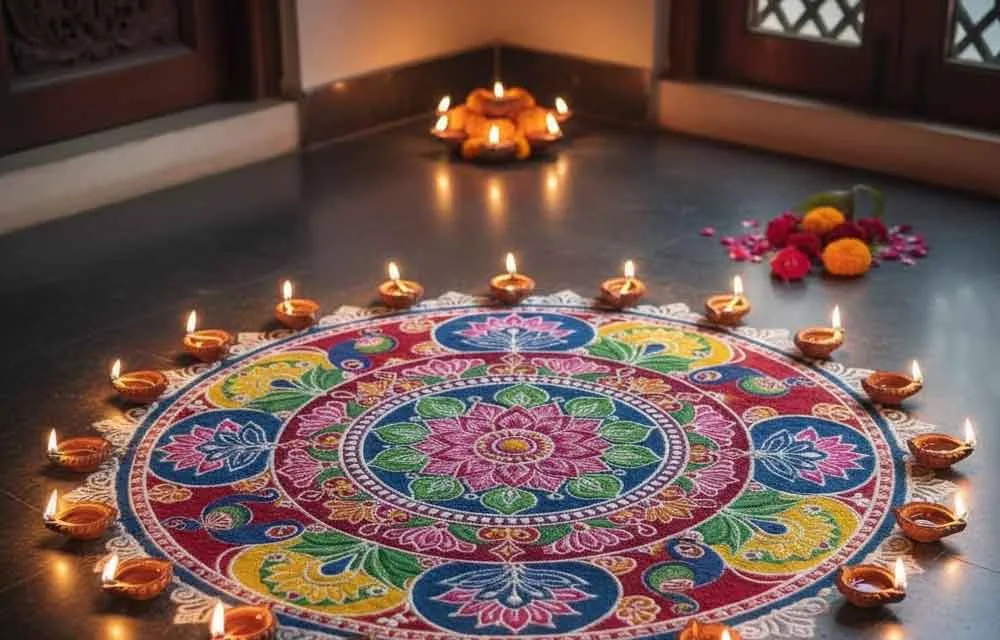
Why Diwali Is More About Giving Than Receiving
Diwali, the Festival of Lights, illuminates not just our homes but also our hearts with the warmth of generosity and compassion.
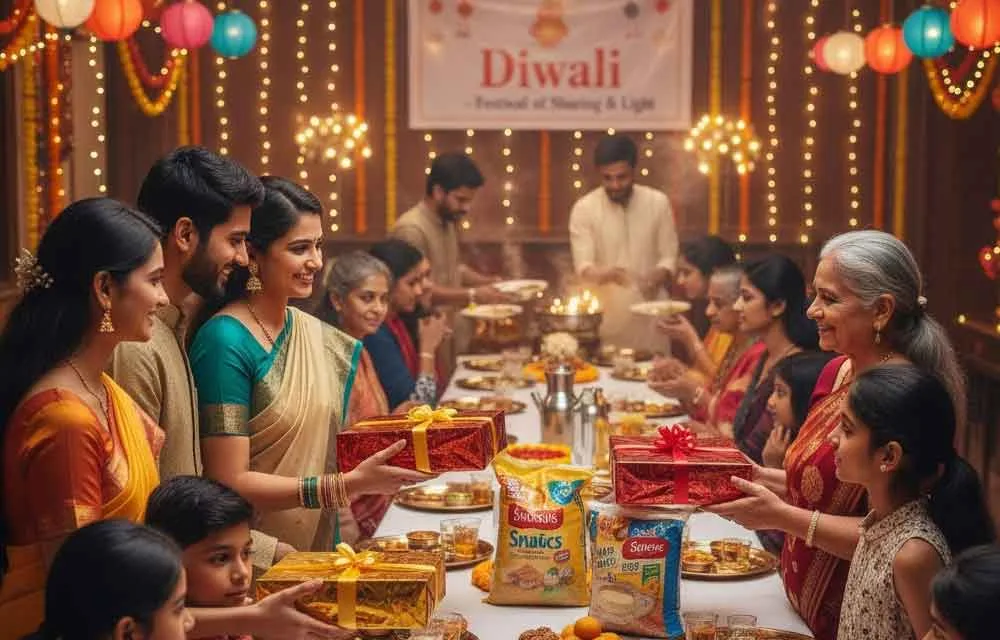
Diwali, the Festival of Lights, illuminates not just our homes but also our hearts with the warmth of generosity and compassion. While the festival is celebrated with magnificent lights, delicious sweets, and joyous gatherings, its deeper essence lies in the spirit of giving rather than receiving. This ancient tradition carries profound wisdom that remains remarkably relevant in today's world.
Last updated: 7 October 2026.
The Ancient Roots of Giving During Diwali
The tradition of giving during Diwali is deeply embedded in Hindu philosophy and mythology. The festival celebrates the victory of light over darkness, knowledge over ignorance, and good over evil. These triumphs are not meant to be hoarded but shared with others, spreading prosperity and joy throughout the community.
According to Hindu tradition, Goddess Lakshmi, the deity of wealth and prosperity, visits homes during Diwali. However, she is believed to bestow her blessings most generously upon those who share their fortune with others. This spiritual principle teaches us that true wealth multiplies when given away, not when kept.
The Philosophy Behind Diwali Giving
Breaking the Cycle of Ego
Giving during Diwali serves as a powerful spiritual practice that helps dissolve the ego. When we give without expecting anything in return, we acknowledge that we are merely stewards of wealth, not its ultimate owners. This humility opens our hearts to receive divine grace and strengthens our connection with the universal consciousness.
Creating Positive Karma
Hindu philosophy emphasizes the law of karma, where every action creates corresponding reactions. Acts of generosity during Diwali are believed to generate positive karma that enriches our lives in countless ways. By giving to others, we participate in the cosmic cycle of abundance and create ripples of goodness that return to us manifold.
Honoring the Principle of Dharma
Dharma, or righteous duty, includes the responsibility to care for those less fortunate. During Diwali, fulfilling this dharma through charitable acts and gifts to the needy demonstrates our commitment to living a meaningful, purpose-driven life aligned with spiritual values.
Traditional Forms of Diwali Giving
Gifts to Family and Friends
Exchanging gifts during Diwali strengthens bonds and expresses love and appreciation. Traditional gifts include sweets, dry fruits, clothing, and items for the home. These offerings symbolize the sharing of prosperity and good fortune with loved ones.
Charity to the Less Fortunate
Diwali is considered an auspicious time to perform acts of charity. Many families donate food, clothing, and money to those in need, recognizing that true celebration includes ensuring others can also enjoy the festival. This practice, known as "dana" or charitable giving, is considered highly meritorious during Diwali.
Offerings to Deities and Temples
Devotees make offerings at temples and to deities in their homes, expressing gratitude for blessings received throughout the year. These offerings, called "prasad," are later distributed among family members and visitors, symbolizing the sharing of divine grace.
Feeding Animals and Birds
Many Hindu families extend their generosity to animals and birds during Diwali, feeding stray dogs, cows, and birds. This practice reflects the belief in the interconnectedness of all living beings and the importance of compassion toward all creatures.
The Psychological Benefits of Giving
Enhanced Happiness and Well-being
Scientific research confirms what ancient wisdom has always known: giving makes us happier than receiving. When we give to others, our brains release endorphins and oxytocin, creating feelings of joy and connection. This "helper's high" enhances our overall well-being and life satisfaction.
Reduced Stress and Anxiety
Acts of generosity shift our focus from our own worries to the needs of others, providing perspective and reducing stress. During the busy Diwali season, giving can serve as a grounding practice that connects us to what truly matters.
Strengthened Relationships
Thoughtful giving during Diwali deepens relationships and creates lasting memories. The act of selecting, preparing, or presenting a gift demonstrates care and attention, strengthening emotional bonds with family and friends.
Cultivating Gratitude
When we give to others, especially those less fortunate, we become more aware of our own blessings. This awareness cultivates gratitude, which is fundamental to happiness and contentment.
Modern Ways to Practice Diwali Giving
Mindful Consumption
Instead of excessive material gifts, consider giving experiences, time, or skills. Offer to teach someone a skill, spend quality time with elderly relatives, or create handmade gifts that carry personal meaning.
Environmental Consciousness
Give eco-friendly gifts that honor both recipients and the planet. Choose sustainable products, plant trees in someone's name, or donate to environmental causes as a Diwali offering.
Supporting Local Artisans
Purchase gifts from local craftspeople and small businesses, supporting traditional arts and community economies. This form of giving preserves cultural heritage while helping others prosper.
Digital Detox Gifts
Offer the gift of presence by organizing device-free family gatherings or activities that encourage genuine connection and conversation.
Educational Support
Sponsor a child's education, donate books to schools, or contribute to scholarship funds. Education is considered one of the highest forms of charity in Hindu tradition.
Teaching Children the Value of Giving
Leading by Example
Children learn generosity by watching adults. Involve them in charitable activities, explaining the importance of sharing with others and expressing gratitude for what we have.
Creating Giving Traditions
Establish family traditions centered on giving, such as preparing food boxes for neighbors, donating toys to children in need, or volunteering together at community events.
The Gift of Empathy
Use Diwali as an opportunity to teach children about empathy and social responsibility. Discuss different life circumstances and encourage them to think about how they can make a positive difference.
Balancing Receiving with Giving
Help children understand that while receiving gifts is enjoyable, the lasting joy comes from making others happy. Encourage them to think creatively about what they can give, not just materially but through acts of kindness and service.
The Spiritual Transformation Through Giving
From Material to Spiritual Wealth
When we prioritize giving over receiving during Diwali, we shift from material consciousness to spiritual awareness. We recognize that true wealth lies not in possessions but in love, compassion, and connection.
Opening the Heart Chakra
In yogic philosophy, giving activates and opens the heart chakra (Anahata), the energy center associated with love, compassion, and emotional balance. This opening allows us to experience deeper joy and connection with all beings.
Preparing for Inner Illumination
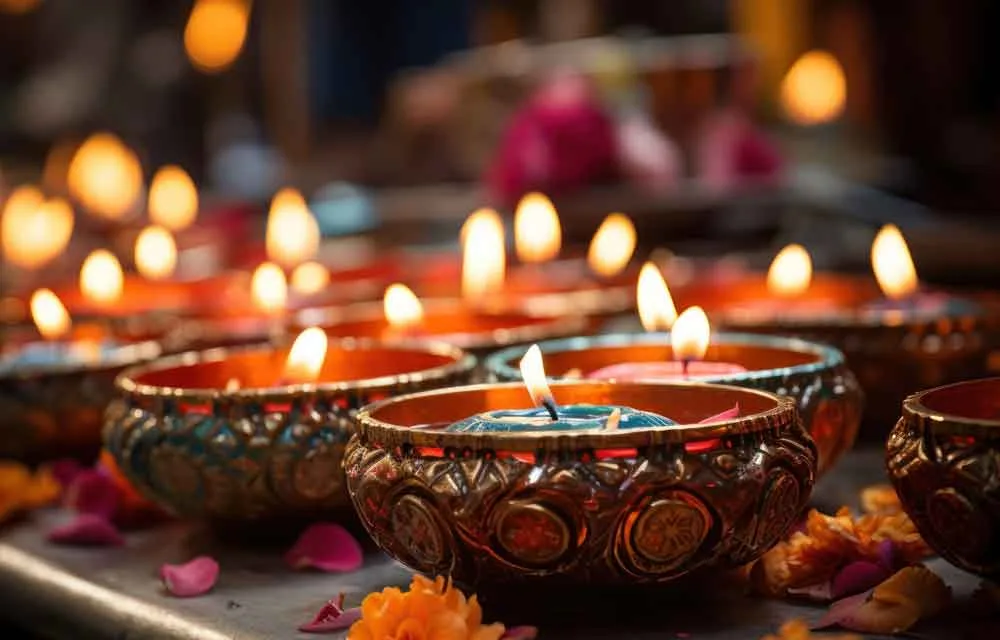
Just as we light diyas to illuminate our homes, acts of giving illuminate our inner being. Generosity clears away the darkness of selfishness, creating space for divine light to enter our consciousness.
Balancing Giving and Self-Care
While giving is central to Diwali's spirit, it's important to maintain balance. True generosity flows from abundance, not depletion. Take time for self-care, meditation, and spiritual practices that replenish your inner resources. When you give from a place of fullness rather than obligation, your gifts carry greater positive energy.
The Ripple Effect of Diwali Giving
Every act of generosity during Diwali creates ripples that extend far beyond the immediate recipient. When someone receives kindness, they're more likely to pass it forward, creating a chain reaction of goodness. This collective elevation of consciousness is perhaps the most profound gift of all, contributing to a more compassionate and harmonious society.
Conclusion: The True Light of Diwali
Diwali's lights symbolize the illumination of wisdom and the triumph of good over evil. But the brightest light we can kindle is the light of generosity in our hearts. When we embrace giving over receiving, we participate in an ancient tradition that transforms not only our external world but our internal landscape.
This Diwali, let us remember that the greatest treasures cannot be wrapped in paper or tied with ribbons. They are found in acts of kindness, words of encouragement, moments of presence, and gestures of compassion. As we light our diyas and celebrate with loved ones, may we also illuminate the lives of others through the timeless practice of giving.
The joy of giving is the truest celebration of Diwali, for in giving, we receive the most precious gift of all: a heart overflowing with love, compassion, and connection to all beings. This is the essence of Diwali, the Festival of Lights that shines brightest when we share its glow with the world.
Happy Diwali! May your festival be filled with the joy of giving and the blessings of a generous heart.
Related 2026 guides
- Diwali 2026: dates, Lakshmi Puja muhurat & 5-day guide
- Lakshmi Puja muhurat 2026 in 30 Indian cities
- Lakshmi Puja vidhi 2026: step-by-step
- Dhanteras 2026
- Diwali 2026 5-day calendar at a glance
Share the Diwali 2026 blessing
Diwali reminds us that a lamp loses nothing when it lights another. As we light our diyas, may the inner light of compassion glow brighter in each of us, and may Maa Lakshmi's grace flow to every home that opens its hands to share. In the spirit of light over darkness, as commonly told, let your giving begin with a blessing. Share one of these heartfelt wishes with your family, your elders and your friends this Diwali 2026.
Deepa shloka: the lamp prayer
शुभं करोति कल्याणम् आरोग्यं धनसम्पदा। शत्रुबुद्धिविनाशाय दीपज्योतिर्नमोऽस्तु ते॥
Shubham karoti kalyanam arogyam dhana-sampada, shatru-buddhi-vinashaya deepa-jyotir namostu te.
Meaning: I bow to the light of the lamp, which brings what is auspicious and good, health and prosperity, and destroys ill-will. Many families recite it as they light the evening diya.
Lakshmi mantra for Diwali
ॐ श्रीं महालक्ष्म्यै नमः॥
Om Shreem Mahalakshmyai Namah.
Meaning: Salutations to Mahalakshmi. Shreem is the seed syllable traditionally associated with Lakshmi.
Diwali 2026 messages to share
🪔 To my dear family: may our home shine with warm lamps, sweets shared with neighbours and hearts that love to give. Happy Diwali! ✨ Share on WhatsApp
🙏 Dear Amma and Appa, your quiet generosity taught us that true wealth is what we share. May this Diwali bless you with health, peace and joy. 🪔 Share on WhatsApp
✨ Happy Diwali, my friend! May you give freely, receive gratefully and find your days filled with light, laughter and kindness. 🌸 Share on WhatsApp
🪔 Warm Diwali wishes to you and your team. May our work together be guided by honesty and goodwill, and may the light of this season bring harmony to all. ✨ Share on WhatsApp
🌸 May Maa Lakshmi enter every home where hands are open to give, and bless your family with contentment, gratitude and a generous heart. Shubh Deepavali! 🪔 Share on WhatsApp
🙏 As Ayodhya lit a path of lamps to welcome Lord Rama home, as commonly told, may your kindness light the way for someone in need this Diwali. ✨ Share on WhatsApp
A short Diwali prayer
Maa Lakshmi and Lord Ganesha, I bow before you with a grateful heart. Teach me to hold what I have with humility and to share it with joy. Remove the obstacles of pride and selfishness from my mind. Bless my family with health and harmony, guide my hands toward honest effort, and let the small light I offer become a lamp for others. Thank you for every blessing already given.
Use the share buttons on this page to send these blessings to your family and friends.
Frequently Asked Questions
When is Diwali 2026?
Diwali (Lakshmi Puja) falls on Sunday, November 8, 2026 in India, the USA, Canada, the UK and most other countries, according to Drik Panchang.
Why is Diwali more about giving than receiving?
Diwali celebrates light over darkness, and that light is meant to be shared. As commonly told, Goddess Lakshmi blesses most generously those who share their fortune with others, teaching that true wealth grows when it is given away.
What is dana and why is it important on Diwali?
Dana is charitable giving, such as donating food, clothing or money to those in need. It is considered highly meritorious during Diwali and is linked to fulfilling one's dharma and creating positive karma.
What are meaningful ways to give this Diwali?
Share sweets and prasad, donate to the less fortunate, feed animals and birds, buy from local artisans, give eco-friendly gifts, or sponsor a child's education. Giving time, skills and presence to loved ones also counts.
How can NRI families keep the Diwali spirit of giving alive abroad?
Prepare food boxes for neighbours, volunteer together at temple or community events, and support local artisans and small businesses. Involving children in these acts helps them learn empathy and the joy of giving.
Share this with family and friends
Send it on WhatsApp, post it, or copy the link.
More from Diwali 2026
- Hindu Rituals to Perform After Diwali 2026: Complete Guide to Govardhan Puja, Annakut, Bali Pratipada, Bhai Dooj and Karthika Masam for Hindus in USA, UK & Canada
- Diwali in Kashmir 2026: Famous Hindu Temples, Srinagar Celebrations, Tourist Attractions and Cultural Heritage
- Diwali 2026 in Noida and Greater Noida: Lakshmi Puja Muhurat, NCR Green Cracker Rules, Sale Sites, Govardhan Puja and Bhai Dooj
- Diwali 2026 in Ghaziabad: Lakshmi Puja Muhurat, NCR Green Cracker Rules, Sale Sites, Traffic and Parking
- Diwali 2026 in Meerut: Lakshmi Puja Muhurat, NCR Green Cracker Rules, Market Traffic Diversions and Temples
You might also like
Diwali 2026 Dates UK: Complete 5-Day Celebration Guide with Lakshmi Puja Timings, Stories, Rituals & Events at Neasden, Leicester, Wembley & Birmingham
Diwali 2026 Dates Australia: Complete 5-Day Celebration Guide with Stories, Rituals, Lakshmi Puja Timings, Recipes & Major Events in Sydney, Melbourne, Brisbane, Perth & Adelaide
Diwali at the White House 2026: History, Significance & Why It Matters