
Hanuman Jayanti 2026 in Asia: Date, Timings, Complete Birth Story, Puja Vidhi & Community Observances Across Asian Countries

Hanuman Jayanti 2026 / Hanuman Janmotsava / Chaitra Purnima Vrat falls on Thursday, April 2, 2026. This powerful festival celebrates the birth anniversary of Lord Hanuman (Bajrangbali, Pawan Putra, Anjaneya, Maruti) — the ultimate symbol of immense strength, courage, selfless bhakti (devotion), loyalty, humility, and obstacle removal.
Hanuman Jayanti 2026 / Hanuman Janmotsava / Chaitra Purnima Vrat falls on Thursday, April 2, 2026. This powerful festival celebrates the birth anniversary of Lord Hanuman (Bajrangbali, Pawan Putra, Anjaneya, Maruti) — the ultimate symbol of immense strength, courage, selfless bhakti (devotion), loyalty, humility, and obstacle removal.
In North Indian traditions, it coincides with Chaitra Shukla Purnima. Hindu communities across Asia observe Chaitra Purnima Vrat, recite the Hanuman Chalisa, perform special pujas, bhajans, and community gatherings, adapting to local conditions and cultural contexts.
Hanuman Jayanti 2026 Date & Timings
- Main Celebration Date: Thursday, April 2, 2026
- Purnima Tithi: Begins ~7:06 AM IST on April 1 | Ends ~7:41 AM IST on April 2
- Best Time for Puja & Vrat: Early morning to afternoon on April 2 (Brahma Muhurta is highly auspicious)
- Moonrise: Evening of April 1 / early April 2
Adjust timings to local time zones (e.g., Nepal, India, Sri Lanka, Bangladesh, Pakistan: UTC+5:30/6; Singapore, Malaysia, Indonesia: UTC+7/8; Thailand, Japan: UTC+7/9; UAE: UTC+4; China: UTC+8; Afghanistan: UTC+4:30).
Significance of Hanuman Jayanti Across Asia
This day inspires strength and protection for Hindu communities, many of whom are diasporas or historical minorities. It preserves Sanatan Dharma traditions amid diverse cultural landscapes.
Complete Story of Lord Hanuman’s Birth (Hanuman Janmotsava Katha)
According to the Valmiki Ramayana, Puranas, and Ananda Ramayana:
An apsara named Anjana (Anjani) was born on Earth as a vanara due to a curse. She married the brave vanara king Kesari. Longing for a child, Anjana performed rigorous tapasya to Lord Shiva. Pleased, Shiva blessed her with a son endowed with divine power.
Meanwhile, the gods prepared for Lord Vishnu’s incarnation as Sri Rama. They contributed portions of sacred payasam from King Dasharatha’s yajna. The Wind God Vayu carried a portion and placed it in Anjana’s hands.
Anjana consumed it reverently. Through divine grace, she conceived a glorious son.
On Chaitra Purnima, in a cave on Anjanadri mountain, Anjana gave birth to a radiant baby boy. Hungry, the infant leaped toward the rising red sun, mistaking it for fruit.
Indra struck him with his Vajra. The baby’s jaw (hanu) was injured, hence named Hanuman.
Vayu withdrew air from the world in rage. The gods granted boons: immense strength, speed, size-changing ability, invulnerability, wisdom, and protection.
Named Anjaneya, Maruti, Bajrangbali, and Pawan Putra, Hanuman learned scriptures from Surya Dev. His devotion to Lord Rama — finding Sita, burning Lanka, carrying Sanjeevani, and fighting Ravana — inspires millions across Asia.
This story teaches pure devotion, humility despite power, and surrender to dharma.
General Puja Vidhi for Hanuman Jayanti 2026
- Vrat / Fasting: Full or partial fast (fruits, milk, sweets).
- Abhishekam: Bathe Hanuman murti/photo with panchamrita, Gangajal, rose water.
- Hanuman Chalisa: Chant 11, 21, 108+ times (or Tamil/Sanskrit stotrams).
- Offerings: Sindoor, laddoos, betel leaves, coconut, red/saffron flowers.
- Mantras: “Om Hanumate Namah”, “Jai Bajrangbali”, Bajrang Baan.
- Sundara Kanda Path: Recite or listen to the Sundara Kanda.
- Community Events: Bhajans, kirtans, or quiet gatherings.
- Charity: Donate food or help the needy.
Wear saffron or red clothes where possible. Many observe privately or virtually.
Country-wise Observances in Asia (2026)
Nepal Nepal has deep Ramayana connections. Hanuman is widely worshipped.
- Hanuman Dhoka (Kathmandu Durbar Square): Historic palace with Hanuman statue; prayers and cultural events.
- Temples in Kathmandu Valley, Janakpur (Sita’s birthplace), and other cities host special pujas and bhajans. Large community participation expected.
Sri Lanka Strong Hindu (Tamil) presence in the north and east.
- Hanuman Temple, Nuwara Eliya and temples in Colombo, Jaffna, and Batticaloa organize abhishekam and processions.
- Devotees recite Chalisa and seek blessings for strength.
Singapore Vibrant Indian community with many temples.
- Sri Veeramakaliamman Temple and Sri Srinivasa Perumal Temple (Little India) feature Hanuman shrines.
- Special pujas, Chalisa chanting, and community events at Hindu temples.
Thailand Ancient Hindu influence (Ramakien epic features Hanuman prominently).
- Indian community and cultural groups in Bangkok organize celebrations.
- Temples like Mariamman Temple and private gatherings host bhajans and prayers.
Indonesia (especially Bali) Bali is predominantly Hindu.
- Besakih Temple (Mother Temple) and many pura (temples) include Hanuman worship.
- Balinese Hindus celebrate with traditional rituals, dances depicting Ramayana scenes, and community feasts.
Malaysia Large Indian community.
- Sree Veera Hanuman Temple, Brickfields (Kuala Lumpur) and Sri Anjaneyar Temple, Port Dickson host grand abhishekam, Chalisa, and bhajans.
- Other temples in Penang, Johor Bahru, etc., organize events.
Philippines, Vietnam, Myanmar, Cambodia, Laos Small Indian/Hindu communities celebrate quietly through cultural associations or home pujas. Ancient Hindu temples (e.g., Angkor Wat in Cambodia — originally Vishnu temple) reflect historical influence, but modern observances are community-based.
Japan, South Korea, China Small Indian diaspora; celebrations through ISKCON groups, Indian associations, or private gatherings in Tokyo, Beijing, Shanghai, etc. (as detailed in previous guides).
UAE (though West Asia, often grouped with Asia)
- Hindu Temple Dubai and BAPS Hindu Mandir Abu Dhabi host large-scale events with thousands participating.
Afghanistan, Bangladesh, Pakistan (As covered previously): Private or limited temple-based observances due to local conditions. Key sites include Asamai Temple (Kabul), Hanuman temples in Bangladesh, and Shri Panchmukhi Hanuman Mandir (Karachi, Pakistan).
Other Asian Countries In countries with tiny Hindu populations (e.g., Bhutan has Buddhist-Hindu syncretism; Central Asian nations have historical traces), devotees observe privately or join online global streams.
Tip for Devotees Across Asia: Follow local temple or Indian community pages (Facebook/Instagram/WeChat) for 2026 schedules. Many offer live streaming. Prioritize safety and local guidelines, especially in sensitive regions.
Benefits of Observing Hanuman Jayanti
- Grants physical and mental strength
- Removes obstacles, fears, and doshas
- Enhances focus, discipline, and devotion
- Brings family harmony, health, success, and protection
Jai Shri Ram! Jai Hanuman! Bajrangbali Ki Jai!
This comprehensive guide for hindutone covers major Asian countries with Hindu presence or historical Ramayana influence. Hanuman’s story and devotion transcend borders, inspiring strength wherever celebrated.
Share your country-specific experiences in the comments, download the Hanuman Chalisa, or join global online events. Celebrate with family and friends while staying rooted in Sanatan traditions!
Wishing all Hindu families across Asia a blessed, powerful, and obstacle-free Hanuman Jayanti on April 2, 2026! [image: 🕉️] [image: 🙏]
You might also like
Hidden Science Behind the Hanuman Chalisa: Neuroscience, Sound, Quantum & the Earth-Sun Verse
Must Visit Temples on Saturday: Top 12 Shani & Hanuman Temples in India for Powerful Shanivar Blessings
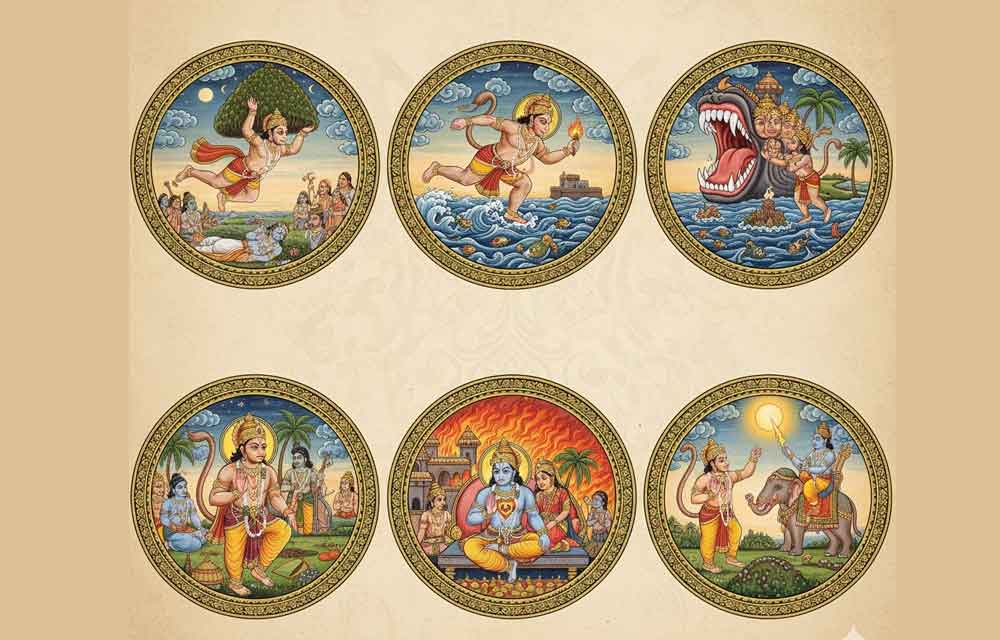
Hanuman Chalisa: Complete Meaning, Scientific & Spiritual Benefits, and a 30-Day Daily Practice for NRIs