Hindu Festivals in January 2026: Sacred Beginnings, Spiritual Renewal & Timeless Traditions
Hindu Festivals in January 2026: Sacred Beginnings, Spiritual Renewal & Timeless Traditions Published on Hindutone.com | January 2026 | Hindu Festivals &…
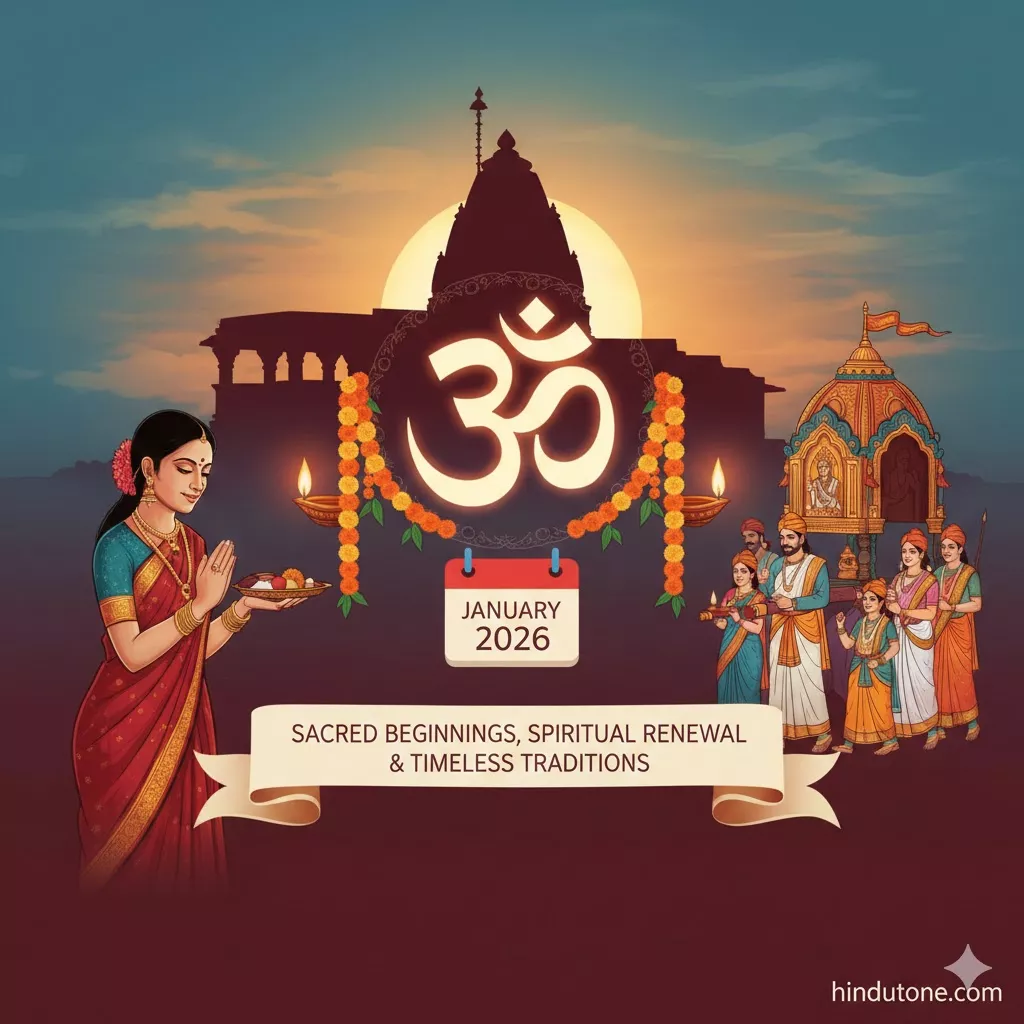
Hindu Festivals in January 2026: Sacred Beginnings, Spiritual Renewal & Timeless Traditions Published on Hindutone.
Hindu Festivals in January 2026: Sacred Beginnings, Spiritual Renewal & Timeless Traditions
Published on Hindutone.com | January 2026 | Hindu Festivals & Spirituality
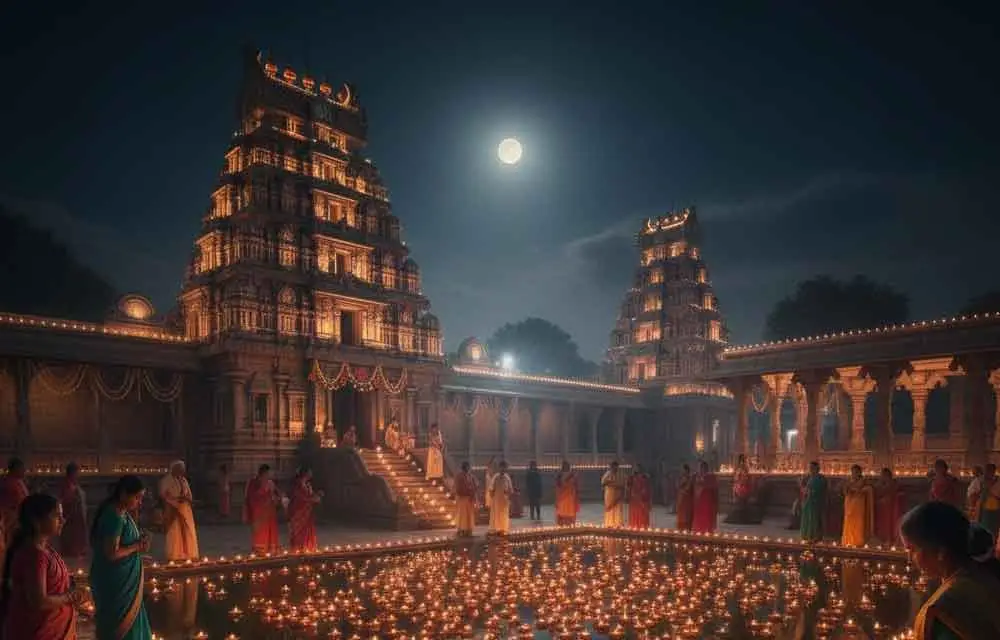
January holds a special place in Hindu dharmic tradition. As the Gregorian New Year begins, the Hindu spiritual calendar opens with powerful festivals that symbolize light over darkness, discipline over indulgence, gratitude toward nature, and renewal of the soul.
Across Bharat and the global Hindu diaspora, January 2026 will be celebrated as a month of Surya upasana (Sun worship), harvest gratitude, sacred vrata (vows), and spiritual awakening.
Let us journey through the most important Hindu festivals in January 2026, understanding their spiritual significance, rituals, legends, and inner meanings.
[image: 🌞] Makar Sankranti – The Festival of Divine Transition
Mid-January 2026
Makar Sankranti is one of the most auspicious Hindu festivals, marking the Sun’s northward journey (Uttarayana) as it enters Makara Rashi (Capricorn). Unlike most Hindu festivals based on the lunar calendar, Makar Sankranti follows the solar calendar, making it a symbol of cosmic precision and balance.
[image: 🔱] Spiritual Significance
- Represents movement from darkness to light
- Symbolizes positive transformation and spiritual ascent
- Highly favorable for daana (charity), snana (holy baths), and japa
[image: 🪔] Rituals & Observances
- Holy river baths in Ganga, Godavari, Yamuna, and Kaveri
- Offering til (sesame) and jaggery to signify unity and warmth
- Surya Namaskar and Sun worship at dawn
- Feeding cows, birds, and the needy
[image: 🌾] Regional Celebrations
- Pongal – Tamil Nadu
- Uttarayan – Gujarat (kite festival)
- Magh Bihu – Assam
- Sankranthi – Andhra Pradesh & Telangana
[image: 🕉️] Spiritually, Sankranti reminds us that life too must move upward—toward wisdom, self-control, and dharma.
[image: 🔥] Bhogi – Letting Go of the Old
Day Before Makar Sankranti
Bhogi marks the first day of the Sankranti festival cycle, deeply observed in South India.
Meaning & Symbolism
- Bonfires represent burning ego, negativity, and past baggage
- A ritual of inner cleansing and renewal
Traditions
- Old clothes and unused items are discarded
- Homes are decorated with rangoli and mango leaves
- Special prayers to Lord Indra, the god of rain and prosperity
[image: 🕊️] Bhogi teaches a powerful lesson—spiritual growth begins by releasing what no longer serves us.
[image: 🌾] Kanuma – Gratitude to Nature & Animals
Day After Makar Sankranti
Kanuma is a unique festival that highlights the Hindu reverence for animals and agriculture.
Key Aspects
- Worship of cows, bulls, and farm animals
- Decorating cattle with flowers and turmeric
- Acknowledging animals as co-creators in human survival
[image: 🌱] Kanuma reflects Sanatana Dharma’s ecological wisdom—where humans, animals, and nature coexist in harmony.
[image: 🌾] Mukkanuma – Rural Joy & Community Bonding
Third Day of Sankranti (Regional)
Celebrated mainly in Andhra Pradesh and Telangana, Mukkanuma is a day of rural festivities, outdoor games, and community gatherings.
- Symbolizes social harmony
- Emphasizes family unity and cultural continuity
[image: 🪔] Vaikuntha Ekadashi – Gateway to Liberation
Observed in January (Date varies by Panchangam)
Vaikuntha Ekadashi is dedicated to Lord Vishnu, the preserver of the universe.
Spiritual Importance
- Believed that Vaikuntha Dwaram (the gate to Vishnu’s abode) opens on this day
- Observing Ekadashi vrata is said to wash away karmic burdens
Rituals
- Fasting with devotion
- Vishnu Sahasranama chanting
- Temple visits and night-long bhajans
[image: ✨] Vaikuntha Ekadashi reminds devotees that moksha is attained not by wealth, but by surrender and devotion.
[image: 🕯️] Masik Shivaratri – Monthly Night of Shiva
January 2026 (Monthly Observance)
Masik Shivaratri is observed every month, and the January Shivaratri holds special spiritual energy.
Devotional Practices
- Abhishekam with milk, honey, and water
- Chanting “Om Namah Shivaya”
- Meditation and silence
[image: 🕉️] Shiva represents destruction of ignorance—January Shivaratri invites inner stillness at the year’s beginning.
[image: 🌕] Pausha Purnima – Completion & Clarity
Late January 2026
Pausha Purnima marks the full moon of the Pausha month, highly auspicious for:
- Charity
- Ancestor rituals
- Spiritual vows
It also traditionally signals the beginning of sacred pilgrimages and vrata observances in many regions.
[image: 🪷] Why January Festivals Are Spiritually Powerful
January festivals collectively focus on:
- [image: 🌞] Sun worship & discipline
- [image: 🔥] Inner purification
- [image: 🌾] Gratitude to nature
- [image: 🕊️] Spiritual goal-setting for the year
They align human life with cosmic rhythm, a cornerstone of Hindu philosophy.
🌸 For More Devotional Journey, Follow
- Temples
/temples/ - Tirumala Updates
/tirumala/ - Sabarimala Yatra
/category/sabarimala-yatra/ - Pooja, Slokas & Mantras
/pooja-slokas-and-mantras/ - Hindu Gods
/hindu-gods/
[image: ✨] Final Thoughts: A Sacred Start to 2026
The Hindu festivals of January 2026 are not merely cultural events—they are spiritual milestones guiding humanity toward balance, gratitude, and enlightenment.
As Hindus across the world celebrate these sacred days, they reaffirm an ancient truth:
“When we align with nature and dharma, life itself becomes a festival.”
Frequently Asked Questions
When is Hindu Festivals in January 2026?
Hindu Festivals in January is observed on its traditional tithi in the Hindu lunar calendar; refer to the year's panchang for the exact date in your region.
What is the significance of Hindu Festivals in January?
Hindu Festivals in January 2026: Sacred Beginnings, Spiritual Renewal & Timeless Traditions Published on Hindutone.com | January 2026 | Hindu Festivals & Spirituality January holds a special place in Hindu dharmic tradition. As the Gregorian New Year begins, the Hindu spiritual calendar opens with powerful festivals that symbolize light over darkness, discip
How is Hindu Festivals in January celebrated?
Devotees observe it with puja, fasting or special offerings, visiting temples, chanting mantras, and gathering with family. Customs vary by region and tradition.
What should devotees do on Hindu Festivals in January?
Take a sacred bath, perform the day's puja and charity (dana), observe any prescribed fast, and chant mantras with sincere devotion.
You might also like
June 2026 Hindu Festival Calendar — Complete Dates, Vrat & Puja Guide for NRIs
Dasha Papahara Dashami 2026: The Sacred Vrat That Frees You from Ten Sins – Complete Significance and Rituals
Karthika Masam 2026: Dates, Rituals, Vrat, Festivals & North vs South India Guide