Phagwa 2026 Trinidad: Holi Traditions
Phagwa 2026 Trinidad illuminates the islands of Trinidad and Tobago with an exuberant burst of color, music, and spiritual joy as the Festival of Colors—known…
Phagwa 2026 Trinidad illuminates the islands of Trinidad and Tobago with an exuberant burst of color, music, and spiritual joy as the Festival of Colors—known…
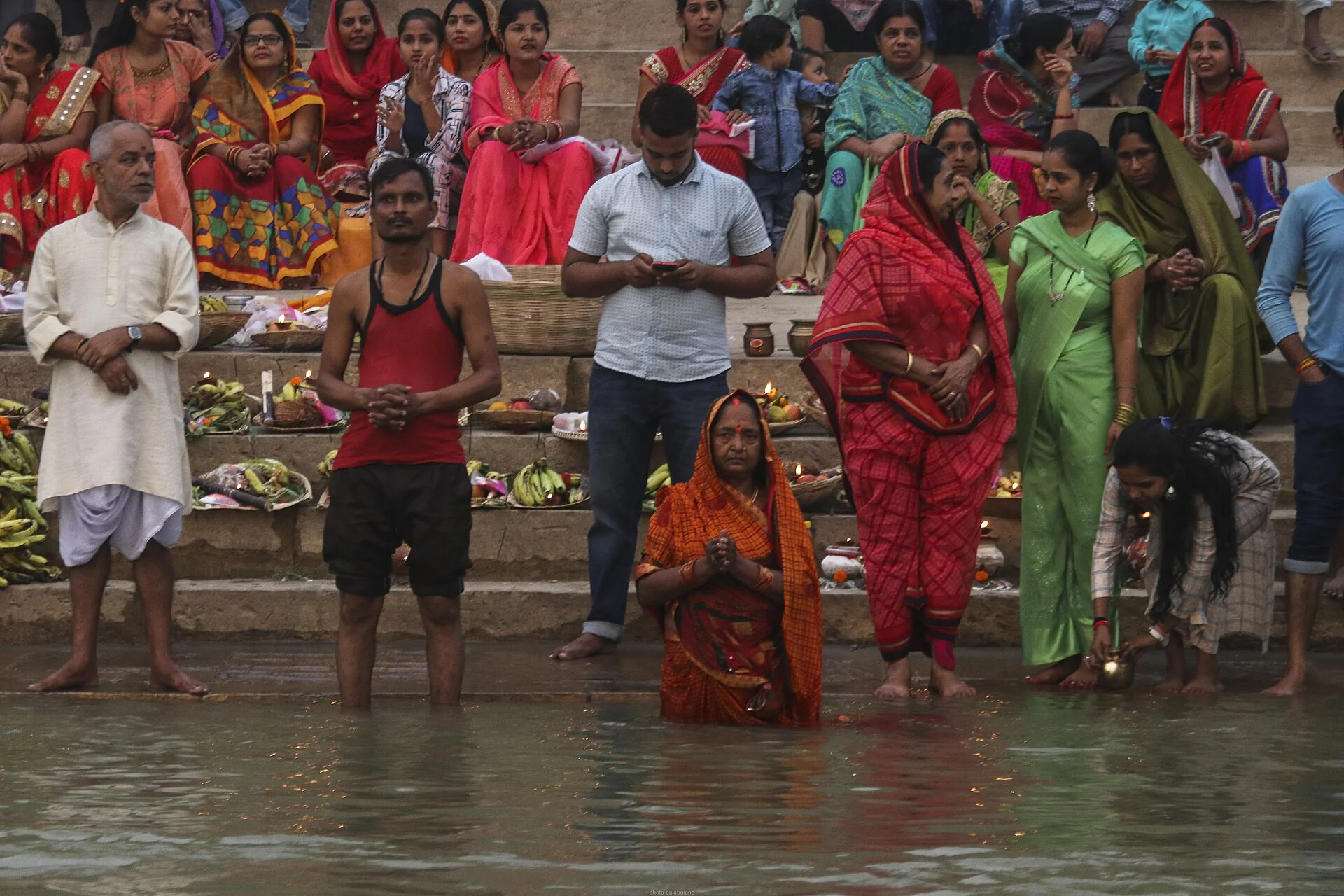
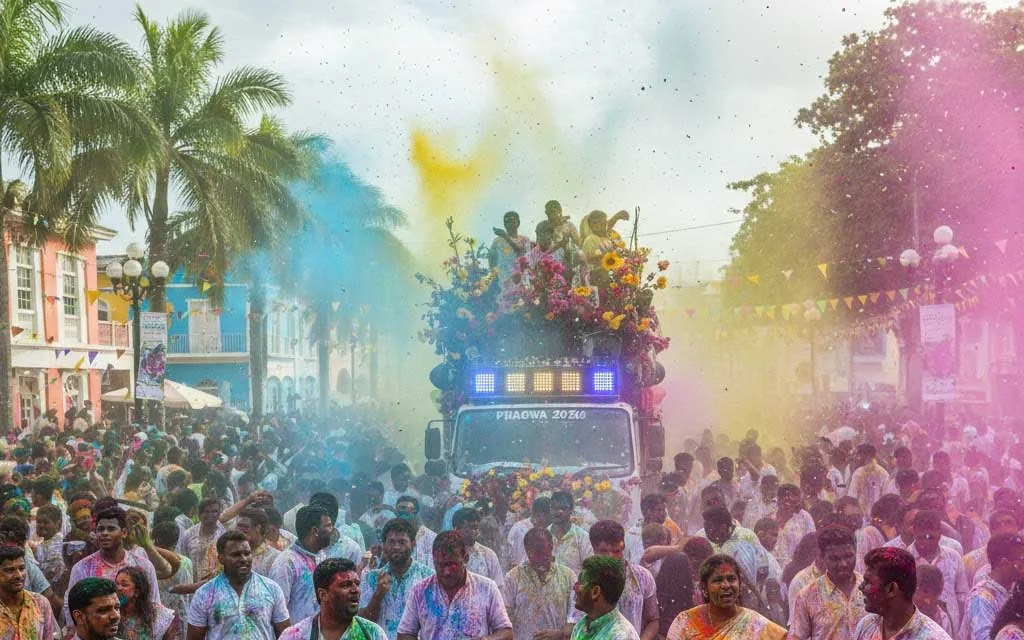
Phagwa 2026 Trinidad illuminates the islands of Trinidad and Tobago with an exuberant burst of color, music, and spiritual joy as the Festival of Colors—known locally as Phagwa or Holi—unites communities in celebration. This vibrant Hindu festival, deeply rooted in the Indian diaspora, transforms streets, savannahs, and temples into kaleidoscopes of gulal (colored powder), rhythmic Chowtal songs, and heartfelt devotion.
Trinidad and Tobago's Indo-Caribbean population, descendants of indentured laborers from India who arrived starting in 1845, preserved Phagwa as a lifeline of cultural and spiritual identity amid colonial challenges on sugarcane estates. Today, with Hindus forming a significant portion of the population, Phagwa celebrations Trinidad Tobago have become a cherished national expression of heritage, inclusivity, and renewal—welcoming people of all ethnicities and faiths in true Trini spirit.
Phagwa 2026 Trinidad aligns with Phalguna Purnima, the full moon in the Hindu lunar month of Phalgun. Key dates include Holika Dahan (bonfire ritual) on the evening of Tuesday, March 3, 2026, and the main Rangwali Phagwa (color-throwing day) on Wednesday, March 4, 2026. While not always a fixed public holiday (Trinidad and Tobago's public holidays focus on other observances like Carnival in February or Independence in August), Phagwa sees widespread communal participation, with schools and workplaces often accommodating celebrations in Hindu-majority areas like Chaguanas.
Spiritually, Phagwa embodies profound Hindu truths: the victory of good over evil through Prahlad's devotion defeating Holika, the ecstatic divine love of Radha-Krishna symbolizing unconditional bhakti, and the arrival of spring renewing life and soul. In Trinidad and Tobago's tropical context, these themes resonate as celebrations of resilience, forgiveness, and multicultural harmony—colors mirroring the islands' vibrant flora, songs echoing ancestral endurance, and shared play dissolving divisions.
This guide explores Phagwa 2026 Trinidad from a devotional Hindu perspective—its history, spiritual depth, key events (especially in Chaguanas), Chowtal traditions, fusion elements, and mindful celebration practices.
Spiritual Significance of Phagwa in Trinidad and Tobago
Phagwa carries timeless bhakti essence, adapted to the Caribbean diaspora experience.
The Prahlad-Holika legend from the Bhagavata Purana teaches unshakeable faith: Prahlad's devotion to Vishnu protected him from his father's tyranny and Holika's flames. Holika Dahan bonfires symbolize burning ego, negativity, and historical hardships—allowing Indo-Caribbeans to release colonial-era struggles and personal grudges for inner renewal.
Radha-Krishna leela infuses divine playfulness: Krishna's color-smearing with gopis represents prema bhakti (sweet love) and ananda (bliss), dissolving duality. In Trinidad, this mirrors turning adversity into joy, with gulal uniting diverse communities.
In multicultural Trinidad and Tobago, Phagwa promotes:
- Forgiveness & Unity: "Bura na mano, Phagwa hai" erases enmities; inter-ethnic participation embodies vasudhaiva kutumbakam.
- Renewal & Harmony: Spring's awakening (even in eternal warmth) parallels soul blossoming; shared feasting heals divides.
- Devotional Ecstasy: Through Chowtal and dance, devotees surrender to divine love.
Key mantras include:
- "Om Holikaye Namah" during bonfire offerings.
- "Om Namo Bhagavate Vasudevaya" for Krishna bhakti.
- Forgiveness: "Kshama Yachami."
Phalguna Purnima's lunar energy heightens emotional and spiritual cleansing, making Phagwa 2026 Trinidad a powerful time for reflection and seva.
History of Indian Indenture and Phagwa's Roots in Trinidad and Tobago
Indian arrival in 1845 marked the beginning of indenture after slavery's abolition. Over 143,000 laborers from Uttar Pradesh, Bihar, and South India endured five-year contracts on estates. They carried sacred traditions, including Phagwa, to sustain identity and hope.
Phagwa became a symbol of resistance and community—sung Chowtals preserved language and devotion. By the 20th century, it evolved into organized events, with the first major parades in the 1960s. Today, Phagwa celebrations Trinidad Tobago blend ancient rituals with local flair, celebrated nationwide.
Phagwa 2026 Dates & Observance
Phagwa 2026 Trinidad follows the lunar calendar:
- Holika Dahan: Evening of March 3, 2026 (Pradosh kaal bonfires in temples and communities).
- Rangwali Phagwa / Main Color Play: March 4, 2026 — full-day festivities with parades, singing, and gulal.
Communities extend joy; many wear white to highlight colors. In Hindu areas, events draw thousands, with diaspora returning home.
Key Events & Celebrations, Including Holi Events Chaguanas 2026
Holi events Chaguanas 2026 anchor Phagwa 2026 Trinidad, as Chaguanas—heart of Indo-Trinidad—hosts grand gatherings.
Highlights:
- Chaguanas Savannah & Streets: Massive parades with tassa drums, dhantal, and color-throwing; groups in white process, singing Chowtal.
- National Phagwa Council Events: Often at Aranguez Savannah (near Chaguanas) or local grounds—stages for performances, family picnics, and open play.
- Temple Rituals: Sanatan Dharma temples in Chaguanas, Curepe, and Princes Town hold morning pujas, kirtans, and bonfires.
- Couva & Princes Town: Community parades and feasts; rural areas feature intimate family celebrations.
- Port of Spain & Other Areas: Street play in Hindu neighborhoods; inclusive events welcome all.
Phagwa celebrations Trinidad Tobago emphasize joy—participants spray abeer (colored water), dance to chutney soca, and share meals.
Chowtal Singing: The Devotional Soul of Phagwa
Chowtal heralds Phagwa weeks ahead—devotional songs praising Krishna, Radha, and renewal.
- Groups rehearse in mandirs, competing in friendly events.
- Instruments: dholak, harmonium, manjira accompany rhythmic verses.
- Performances at grounds, temples, and parades build excitement.
- Spiritually, Chowtal invokes bhakti, purifying hearts for color play.
In Phagwa 2026 Trinidad, Chowtal hopping (visiting groups) is a cherished tradition.
Fusion Elements in Trinidad Phagwa
Trinidad's creativity shines: chutney soca blends Indian rhythms with calypso; sega influences add dance flair. Celebrations include pichakaree (satirical songs) and family feasts with doubles, roti, and traditional sweets—creating uniquely Trini Phagwa.
How to Celebrate Phagwa Spiritually & Safely in 2026
- Rituals: Morning temple aartis, Holika Dahan circumambulation, mantra recitation.
- Color Play: Use natural abir; apply with consent.
- Food as Prasad: Share gujiya, laddoo, thandai.
- Forgiveness: Hug and reconcile.
- Safe Tips: Hydrate, eye protection, natural colors; clean up; moderate play.
Holi Trinidad 2026 invites mindful joy—focus on devotion over excess.
Conclusion: Renewal Through Colors and Harmony
Phagwa 2026 Trinidad renews the spirit—good triumphs, love unites, heritage endures. From indenture to national pride, it preserves dharma in Caribbean vibrancy.
Subscribe to www.hindutone.com for global Hindu festival guides. Hari Bol!
Frequently Asked Questions
When is Phagwa Trinidad 2026?
Phagwa Trinidad 2026 falls on March 3, 2026.
What is the significance of Phagwa Trinidad?
Phagwa 2026 Trinidad illuminates the islands of Trinidad and Tobago with an exuberant burst of color, music, and spiritual joy as the Festival of Colors —known locally as Phagwa or Holi—unites communities in celebration. This vibrant Hindu festival, deeply rooted in the Indian diaspora, transforms streets, savannahs, and temples into kaleidoscopes of gulal (
How is Phagwa Trinidad celebrated?
Devotees observe it with puja, fasting or special offerings, visiting temples, chanting mantras, and gathering with family. Customs vary by region and tradition.
What should devotees do on Phagwa Trinidad?
Take a sacred bath, perform the day's puja and charity (dana), observe any prescribed fast, and chant mantras with sincere devotion.
You might also like
Hindu Festival Calendar 2026 — Complete Guide for NRIs (Dates, Tithis, Puja)
June 2026 Hindu Festival Calendar — Complete Dates, Vrat & Puja Guide for NRIs
Shani Deva Temples Worldwide & Must-Performed Rituals — Complete Devotee's Guide