
Neyyabhishekam at Sabarimala: Meaning of the Ghee Coconut and How the Ritual Is Done
Neyyabhishekam, the anointing of Lord Ayyappa with ghee carried from the pilgrim's own home, is the central offering of the Sabarimala yatra. This guide explains the ghee-filled coconut (mudra thenga), why ghee, how the offering and the ghee prasadam work, the traditional symbolism of the soul merging with the Lord, and how NRI devotees prepare with a Guru Swami.
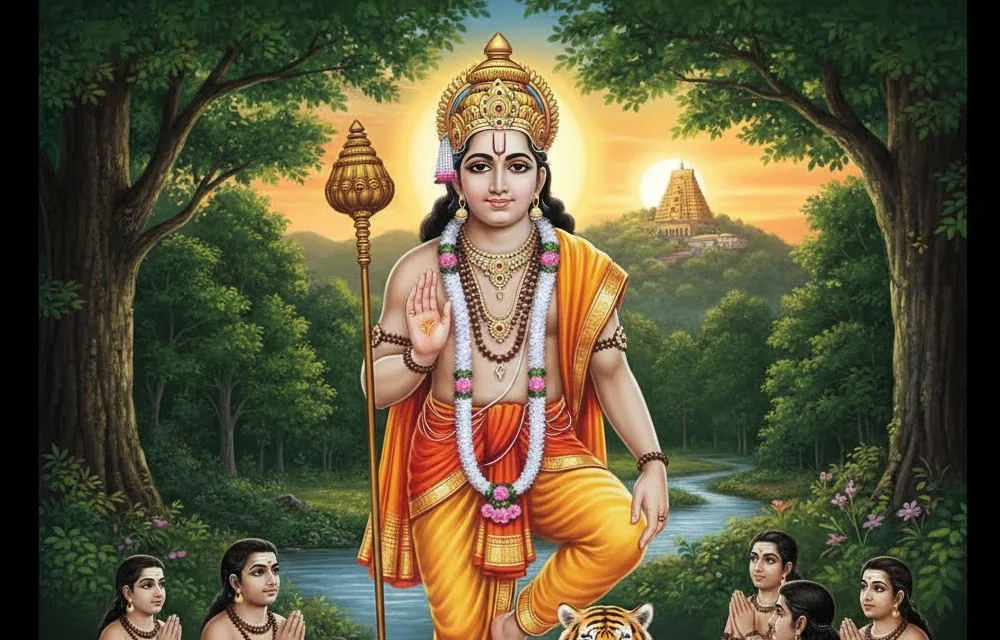
Neyyabhishekam, the anointing of Lord Ayyappa with ghee carried from the pilgrim's own home, is the central offering of the Sabarimala yatra. This guide explains the ghee-filled coconut (mudra thenga), why ghee, how the offering and the ghee prasadam work, the traditional symbolism of the soul merging with the Lord, and how NRI devotees prepare with a Guru Swami.
Quick answer: Neyyabhishekam (from "neyy", ghee, and "abhishekam", ritual anointing) is the offering of ghee to Lord Ayyappa at Sabarimala. Every pilgrim who climbs the Pathinettam Padi carries ghee sealed inside a coconut, the mudra thenga, in the front pouch of the Irumudi Kettu. At the sannidhanam the coconut is opened, the ghee goes to the priests to anoint the deity, and the pilgrim takes some of the anointed ghee home as prasadam. As Guru Swamis traditionally explain it, the ghee is the devotee's soul and its offering is the soul merging with the Lord.
For dates, the vratham and the full pilgrimage, see our Sabarimala 2026-27 season guide. Swamiye Saranam Ayyappa.
The mudra thenga: a coconut filled with devotion
The ghee coconut is prepared in the Kettunirakkal ceremony, when the Irumudi is tied under a Guru Swami, at a temple or at home. As commonly practised:
- A good, mature coconut is chosen and its outer husk removed, leaving the shell.
- One of the coconut's eyes is opened and the coconut water drained out.
- Ghee, usually warmed so that it flows, is poured into the shell until it is full. Many families use ghee made or bought specially for this purpose and kept apart during the vratham.
- The opening is sealed, traditionally with a cork or a plug and sometimes wax, so nothing spills on the journey.
- The filled coconut goes into the front compartment of the Irumudi, the compartment set aside for offerings to the Lord. The rear compartment holds the pilgrim's provisions for the journey.
- Throughout, the group chants "Swamiye Saranam Ayyappa", and many families invite relatives to add a spoon of ghee as their own share of the offering.
Because the ghee coconut is the reason the Irumudi is carried, the custom that only Irumudi-bearing pilgrims climb the eighteen steps is closely linked to it. Our guide to the Irumudi Kettu, its symbolism and preparation covers the whole bundle, and our article on the 18 steps (Pathinettam Padi) explains the climb.
Why ghee? What devotees say it means
Ghee has been offered to the divine across Hindu worship since Vedic times; it is poured into sacred fires and used to light lamps, and it is treated as one of the purest substances a household can offer. At Sabarimala it takes on a very personal meaning. The following is the symbolism as traditionally explained by Guru Swamis and devotees. Wording differs from teacher to teacher.
| Element | Traditional interpretation |
|---|---|
| The coconut shell | The human body, which carries the soul through life |
| The ghee inside | The jivatma, the individual soul, purified by the 41-day vratham as milk becomes ghee through patient effort |
| Pouring the ghee over Ayyappa | The soul merging with the Paramatma, the Supreme |
| The empty shell given to the Aazhi fire | Letting go of attachment to the body and the ego |
| The ghee received back as prasadam | The Lord's grace, returned to the devotee and the family |
Many devotees add a second image: just as milk must be boiled, churned and clarified to become ghee, the devotee is refined through the austerity, celibacy, simple food and prayer of the Mandala vratham. In this interpretation, what reaches the Lord is the best of oneself.
These are devotional interpretations. They are not a single official doctrine of the temple, and you will hear variations. For the vow behind them, see our guide to Mala Dharana rituals.
The offering at the sannidhanam
After climbing the Pathinettam Padi and having darshan, pilgrims take out the ghee coconut. The way the offering is organised is decided by the Travancore Devaswom Board and can change from season to season, so follow the directions of the staff and your Guru Swami. In broad outline, as commonly done:
- The pilgrim, or the Guru Swami for the group, breaks open the coconut and pours the ghee into a vessel.
- The ghee is handed over at the counter or point set aside for Neyyabhishekam, and the priests anoint the idol of Lord Ayyappa with the ghee offered by devotees.
- The pilgrim receives a portion of the abhisheka ghee back as prasadam.
- The empty coconut halves are offered into the Aazhi, the large sacred fire near the foot of the steps.
We do not publish the times at which Neyyabhishekam is performed, or any charges. Check the official Sabarimala website run by the Board for current arrangements.
Receiving and keeping the ghee prasadam
The ghee that has touched the Lord is treated with great reverence. Pilgrims carry it home carefully, often in a small, clean container kept separately from food. Common family customs include:
- Sharing a little with every member of the household and with relatives who could not travel.
- Using it to light a lamp before Lord Ayyappa's picture at home.
- Applying a touch on the forehead, or taking a small amount as prasadam, as the family's custom allows.
- Keeping some for elders or for those who are unwell, as a blessing.
Families also bring home the well-known Sabarimala prasadams, such as aravana payasam and appam, which are distributed by the Devaswom. Check current arrangements with the Board.
How NRI devotees prepare with a Guru Swami
Devotees in the USA, the UK, Canada, Australia, Singapore and the Gulf increasingly keep the full vratham abroad and travel for the pilgrimage. The ghee coconut needs a little planning:
- Choose your Guru Swami early. Many local Ayyappa temples abroad have experienced Guru Swamis who perform Mala Dharana and Kettunirakkal for their communities. See our guide to
- Ayyappa temples in the USA
- .
- Decide where the Irumudi will be tied. Carrying a sealed coconut of ghee through international airports raises questions about liquids, food and customs rules that differ by airline and country. Many NRIs therefore tie the Irumudi in Kerala, or at home in India, a day or two after landing. Ask your Guru Swami and check your airline's rules before packing.
- If your Guru Swami is in India, arrange the Kettunirakkal with your group there, and keep the vratham abroad until you travel.
- Book Virtual-Q before you fly. The Board's website states that online booking of Virtual-Q is mandatory for all pilgrims.
- If you bring ghee prasadam back abroad, check the import rules of your country of residence for dairy products.
Our guides to Ayyappa deeksha for NRIs in the USA and UK and to how NRIs perform the deeksha abroad cover keeping the vow at work and at home.
2026-27 season: expected dates
When we checked on 7 October 2026, the Travancore Devaswom Board had not published official dates for the 2026-27 (Kollavarsham 1202) Mandala-Makaravilakku season. The dates below are expected, based on the Malayalam solar calendar. Confirm with the Travancore Devaswom Board before booking travel.
| Occasion | Expected date (confirm with TDB) |
|---|---|
| Temple opens for Mandalam | Evening of Monday 16 November 2026 (expected) |
| Mandala season begins | Tuesday 17 November 2026 (expected) |
| Mandala Pooja | Sunday 27 December 2026 (expected) |
| Temple reopens for Makaravilakku | Wednesday 30 December 2026 (expected) |
| Makaravilakku | Thursday 14 January 2027 (expected) |
| Season closes | Around Wednesday 20 January 2027 (expected) |
Before leaving the sannidhanam, many pilgrims visit the Malikappuram Devi shrine nearby. At closing each night the temple sings Harivarasanam, the lullaby to Lord Ayyappa.
Frequently asked questions
What is Neyyabhishekam at Sabarimala?
Neyyabhishekam is the anointing of Lord Ayyappa's idol with ghee. Each Irumudi-bearing pilgrim brings ghee sealed inside a coconut in the front pouch of the Irumudi. At the sannidhanam the coconut is opened, the ghee is handed to the priests for the abhishekam, and the pilgrim receives some of the anointed ghee back as prasadam.
What is the meaning of the ghee coconut in the Irumudi?
As traditionally explained, the coconut stands for the body and the ghee for the soul (jivatma). Pouring the ghee over Lord Ayyappa represents the soul merging with the Supreme, and the empty coconut, given to the sacred fire, represents letting go of the body's attachments. This is a devotional interpretation passed down by Guru Swamis.
What is mudra thenga?
Mudra thenga (or neythenga) is the ghee-filled coconut carried in the Irumudi. During Kettunirakkal, the coconut's water is drained through an eye of the shell, warm ghee is poured in, and the opening is sealed. It is filled under the guidance of a Guru Swami while the group chants Swamiye Saranam Ayyappa.
What do you do with the empty coconut after Neyyabhishekam?
By long custom, pilgrims offer the coconut halves to the Aazhi, the large sacred fire near the Pathinettam Padi. Watching it burn is commonly understood as giving up the ego along with the shell.
Can NRIs carry the ghee coconut on a flight to India?
Rules for carrying ghee, liquids and coconuts vary by airline and country and can change. Many NRIs avoid the question by doing Kettunirakkal in Kerala or at home in India after landing. Ask your Guru Swami, and check your airline and customs rules before you pack anything.
When is Neyyabhishekam in the 2026-27 season?
Neyyabhishekam is offered on the days the temple is open during the season. The Mandalam season is expected to begin on Tuesday 17 November 2026, with Mandala Pooja expected on Sunday 27 December 2026 and Makaravilakku on Thursday 14 January 2027. All dates are expected; confirm with the Travancore Devaswom Board. We do not publish ritual timings.
Sources and verification
How Neyyabhishekam is arranged, season dates and Virtual-Q booking are decided by the Travancore Devaswom Board (TDB). Check the official Sabarimala website run by the Board before you travel, and confirm the dates and your Virtual-Q booking there. Symbolic meanings in this article are traditional interpretations shared by Guru Swamis and devotees, and are labelled as such.
Editor's note (7 October 2026)
This guide was written on 7 October 2026, before the Travancore Devaswom Board published official 2026-27 season dates, so every date here is expected and must be confirmed with the Board. We deliberately leave out ritual times, fees, counter details and crowd figures, which change from year to year. Preparation customs for the ghee coconut differ between families and groups; follow your Guru Swami.
Related guides
You might also like
Sabarimala 18 Steps (Pathinettam Padi): Meaning, the Irumudi Rule and Padi Pooja
Kanni Ayyappan and the Guru Swami: A First-Timer's Guide to Sabarimala 2026-27
Malikappuram Devi at Sabarimala: The Story of Malikappurathamma, Her Shrine and Its Significance