Ayyappa Swami Mala Dharana Rituals: A Complete Guide
The sacred pilgrimage to Sabarimala and the worship of Lord Ayyappa is one of the most revered spiritual practices in Hindu tradition.
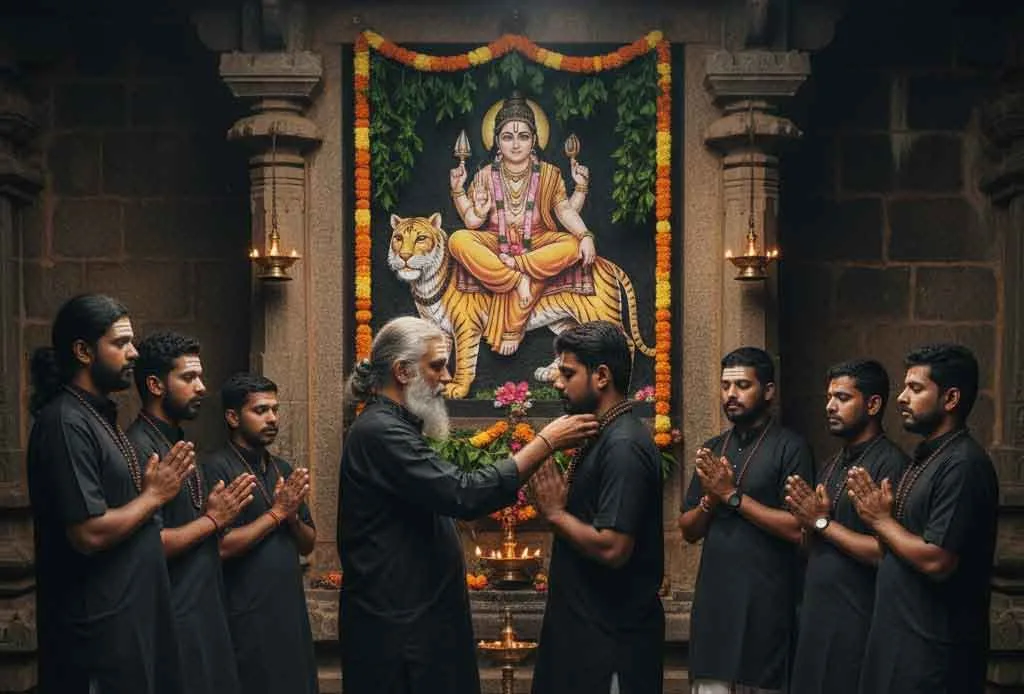
The sacred pilgrimage to Sabarimala and the worship of Lord Ayyappa is one of the most revered spiritual practices in Hindu tradition. Central to this devotion is the Mala Dharana (wearing of the sacred mala), which marks the beginning of a 41-day vratham (austere observance) undertaken by devotees before visiting the Sabarimala temple.
What is Mala Dharana?
Mala Dharana refers to the ritual of wearing the sacred rudraksha or tulsi mala (prayer beads) around the neck, symbolizing the devotee's commitment to Lord Ayyappa. This practice transforms the devotee into a "Swami" or "Ayyappan," representing their spiritual journey toward self-purification and divine union.
The Sacred Mala
Types of Malas Used
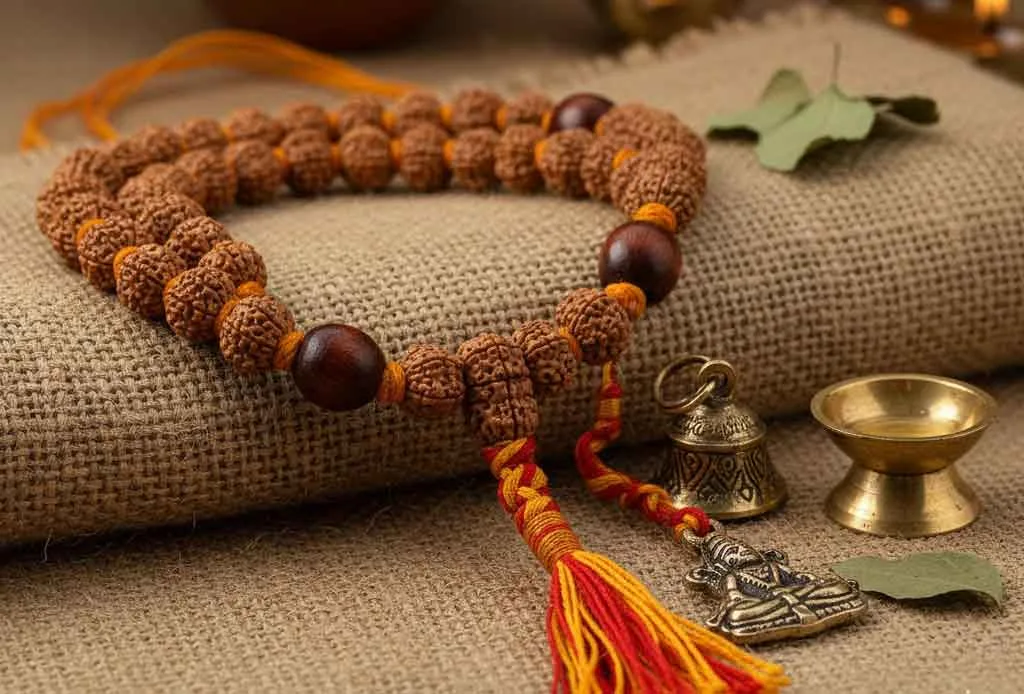
- Rudraksha Mala: Made from rudraksha beads, typically 108 beads
- Tulsi Mala: Made from holy basil wood beads
- Combined Mala: Some devotees wear both together
The mala is usually black or dark brown, symbolizing detachment from worldly pleasures and the renunciation of ego.
When to Begin Mala Dharana
The mala dharana typically begins on these auspicious days:
- Vrishchika Masam (mid-November to mid-December): Most common period
- Mandala Kalam: The 41-day period ending on Makaravilakku day
- First day of Malayalam month Vrishchikam
- Ekadashi or other auspicious days
Devotees must complete a minimum of 41 days of vratham before undertaking the Sabarimala pilgrimage.
The Mala Dharana Ritual Process
Preparation
- Mental Preparation: Devotees must prepare themselves mentally for the spiritual discipline ahead
- Guru Selection: Ideally, find a Guru Swami (experienced devotee) to guide you
- Purchase the Mala: Obtain a new rudraksha or tulsi mala from a temple or authorized vendor
- Puja Items: Gather necessary items - flowers, incense, lamp, coconut, fruits, and turmeric
The Ceremony
Step 1: Purification Bath
- Take a cleansing bath early in the morning before sunrise
- Wear clean, preferably black or dark blue clothing
Step 2: Temple Visit or Home Altar
- Visit an Ayyappa temple or set up a sacred space at home with Lord Ayyappa's photo or idol
- Clean the puja area thoroughly
Step 3: Invocation
- Light a lamp and incense
- Offer flowers and prasadam to Lord Ayyappa
- Chant "Swamiye Saranam Ayyappa" (Lord Ayyappa, I surrender to you)
Step 4: Mala Blessing
- Place the mala before the deity
- Perform a brief puja to the mala with turmeric, kumkum, and flowers
- Recite Ayyappa mantras and prayers
Step 5: Wearing the Mala
- The Guru Swami (or senior devotee) places the mala around your neck
- If no Guru is available, you may place it yourself after prayer
- Recite "Om Swamiye Saranam Ayyappa" three times
- Break a coconut as an offering
Step 6: Seek Blessings
- Prostrate before the deity
- Seek blessings for successful completion of the vratham
- Distribute prasadam to all present
The 41-Day Vratham Observances
Physical Disciplines
- Celibacy (Brahmacharya): Complete abstinence from sexual activity
- Dietary Restrictions: Strictly vegetarian, sattvic food; no onion, garlic, alcohol, or tobacco
- Two Meals Daily: Simple, pure meals—typically in the morning and evening
- Color Code: Wear black, blue, or ochre-colored clothing
- No Footwear Inside: Walk barefoot in temples and at home altar area
- Hair and Nails: Traditionally, devotees don't cut hair or trim nails during vratham
Spiritual Practices
- Morning Bath: Bathe before sunrise, preferably in cold water
- Daily Puja: Perform prayers twice daily—morning and evening
- Chanting: Regular recitation of "Swamiye Saranam Ayyappa" and Ayyappa mantras
- Temple Visits: Visit temples regularly, especially on Wednesdays and Saturdays
- Meditation: Practice meditation and self-reflection
- Sacred Texts: Read Ayyappa Ashtothram, Harivarasanam, and other devotional texts
Behavioral Disciplines
- Non-Violence: Practice ahimsa in thought, word, and deed
- Truthfulness: Maintain absolute honesty
- Humility: Address all fellow devotees as "Swami"
- Service: Engage in selfless service and charity
- Avoid Negativity: Stay away from conflicts, gossip, and negative environments
- Sleeping: Sleep on the floor or a mat (traditional practice)
Important Mantras and Prayers
Primary Mantra
"Om Swamiye Saranam Ayyappa" - The most sacred mantra, to be chanted continuously
Morning Prayer
Recite the Ayyappa Suprabhatam to awaken the deity's blessings
Evening Prayer
Chant Harivarasanam, the lullaby for Lord Ayyappa
Ashtothram
Recite the 108 names of Lord Ayyappa for deeper connection
Special Days During Vratham
- Wednesdays and Saturdays: Especially auspicious for Ayyappa worship
- Ekadashi: Observe fasting or eat only once
- First Monday of Vrishchika Month: Highly sacred
- Makaravilakku Day: The culmination of the Mandala pilgrimage
Irumudi Preparation
Toward the end of the 41 days, devotees prepare the Irumudi (sacred two-compartment bundle):
Front Compartment (Munmudi):
- Contains items for puja at Sabarimala
- Coconut filled with ghee
- Camphor, incense, turmeric, kumkum
- Sacred offerings
Rear Compartment (Pinmudi):
- Personal items for the journey
- Prasadam to bring back home
Completing the Vratham
The vratham concludes with the pilgrimage to Sabarimala temple:
- Neyyabhishekam: After 18 steps, offer ghee abhishekam to Lord Ayyappa
- Darshan: Have darshan of Lord Ayyappa
- Mala Visarjan: Some traditions involve removing the mala after darshan and placing it at designated spots
- Return Journey: Maintain discipline during return; gradually return to normal life
Can Women Wear the Mala?
According to traditional Sabarimala custom, women between the ages of 10 and 50 (menstruating age) do not undertake the mala dharana or Sabarimala pilgrimage. This custom is based on the celibate nature of Lord Ayyappa as Naishtika Brahmachari. However, women of all ages can worship Lord Ayyappa at other Ayyappa temples.
Important Guidelines
Do's
- Maintain unwavering devotion and discipline
- Treat all beings with respect and compassion
- Keep the mala clean and sacred
- Always wear the mala; never remove it during the 41 days
- Maintain personal hygiene and cleanliness
Don'ts
- Attend or participate in any inauspicious ceremonies (funerals, birth ceremonies)
- Consume non-vegetarian food or intoxicants
- Engage in worldly entertainment (movies, parties, etc.)
- Express anger or use harsh language
- Touch the mala with unclean hands
- Remove the mala for any reason during vratham
Breaking the Vratham Accidentally
If the vratham is broken due to unavoidable circumstances:
- Seek forgiveness from Lord Ayyappa
- Purify yourself with a bath
- Resume the vratham from the beginning if possible
- Consult with your Guru Swami for guidance
Benefits of Mala Dharana
The 41-day vratham offers numerous spiritual and personal benefits:
- Spiritual Purification: Cleanses the mind and soul
- Self-Discipline: Develops strong willpower and self-control
- Mental Clarity: Brings peace and focus
- Physical Health: Promotes a healthy lifestyle
- Divine Grace: Attracts Lord Ayyappa's blessings
- Ego Dissolution: Helps transcend the ego through humility
- Community Bonding: Creates brotherhood among devotees
Modern Adaptations
In contemporary times, some working professionals adapt the vratham while maintaining its essence:
- Modified dietary practices while remaining vegetarian
- Wearing the mala inside clothing at workplaces where religious symbols may not be permitted
- Performing shorter puja routines when traveling
- Balancing family and professional responsibilities
However, core principles of celibacy, vegetarianism, and devotion remain non-negotiable.
Regional Variations
The Ayyappa mala dharana tradition has slight variations across regions:
- Kerala: Most traditional and strict observances
- Tamil Nadu: Similar practices with local cultural adaptations
- Karnataka: Blend of local and Kerala traditions
- Andhra Pradesh/Telangana: Growing popularity with regional influences
Conclusion
The Ayyappa Swami mala dharana is not merely a ritual but a transformative spiritual journey. The 41-day vratham purifies the devotee physically, mentally, and spiritually, preparing them for the divine darshan at Sabarimala. It teaches discipline, humility, devotion, and the path to self-realization.
The essence of this practice lies not in the external observances alone but in the internal transformation it brings. When undertaken with genuine devotion and sincerity, the mala dharana becomes a powerful spiritual practice that connects the devotee directly with Lord Ayyappa's divine grace.
Swamiye Saranam Ayyappa!
Disclaimer: This article is for informational and devotional purposes. Devotees should consult with experienced Guru Swamis and follow traditions as per their family customs and regional practices.
Also read: a first-timer (Kanni Ayyappan) guide and Mandala Pooja 2026.
Frequently Asked Questions
When does Mala Dharana typically begin?
It typically begins in Vrishchika Masam (mid-November to mid-December), on the first day of Malayalam month Vrishchikam, or on Ekadashi and other auspicious days. Devotees must complete a minimum of 41 days of vratham before the Sabarimala pilgrimage.
How is the Ayyappa mala worn step by step?
After a purification bath, light a lamp and incense, chant "Swamiye Saranam Ayyappa" and place the mala before the deity for a brief puja. The Guru Swami places it around your neck, and you chant "Om Swamiye Saranam Ayyappa" three times and break a coconut.
What food and lifestyle rules apply during the 41-day vratham?
Devotees keep strict celibacy, eat sattvic vegetarian food with no onion, garlic, alcohol or tobacco, and take two simple meals daily. They wear black, blue or ochre clothing, walk barefoot, sleep on the floor or a mat, and bathe before sunrise.
Can women wear the Ayyappa mala?
By traditional Sabarimala custom, women between ages 10 and 50 do not undertake mala dharana or the Sabarimala pilgrimage, based on Lord Ayyappa's nature as Naishtika Brahmachari. Women of all ages can worship Ayyappa at other Ayyappa temples.
What if the vratham is broken accidentally or no Guru Swami is available?
If the vratham breaks due to unavoidable circumstances, seek forgiveness from Lord Ayyappa, bathe, consult your Guru Swami and resume from the beginning if possible. If no Guru is available, you may place the mala yourself after prayer.
Can working professionals follow the mala vratham?
Some adapt it by wearing the mala inside clothing where religious symbols are not permitted and doing shorter puja routines while traveling. Celibacy, vegetarianism and devotion remain non-negotiable.
Share this with family and friends
Send it on WhatsApp, post it, or copy the link.
More from Sabarimala Yatra
- Sabarimala Mandala Season 2026 Preparations: Security Review, Aravana Contracts and AI Crowd Control at Nilakkal
- Kanni Ayyappan and the Guru Swami: A First-Timer's Guide to Sabarimala 2026-27
- Malikappuram Devi at Sabarimala: The Story of Malikappurathamma, Her Shrine and Its Significance
- Thiruvabharanam: The Sacred Ornaments of Lord Ayyappa and the Procession from Pandalam to Sabarimala
- Makara Jyothi 2027: What It Means, How It Differs from Makaravilakku, and How Devotees Behold It at Sabarimala
You might also like
Ayyappa Mala Mahatmya – The Spiritual Significance of Wearing the Mala
Ayyappa Swamy Story: From Manikanta's Birth to Divine Sabarimala Darshan
Ayyappa Deeksha in Modern Life: How Youth Can Balance Bhakti and Career