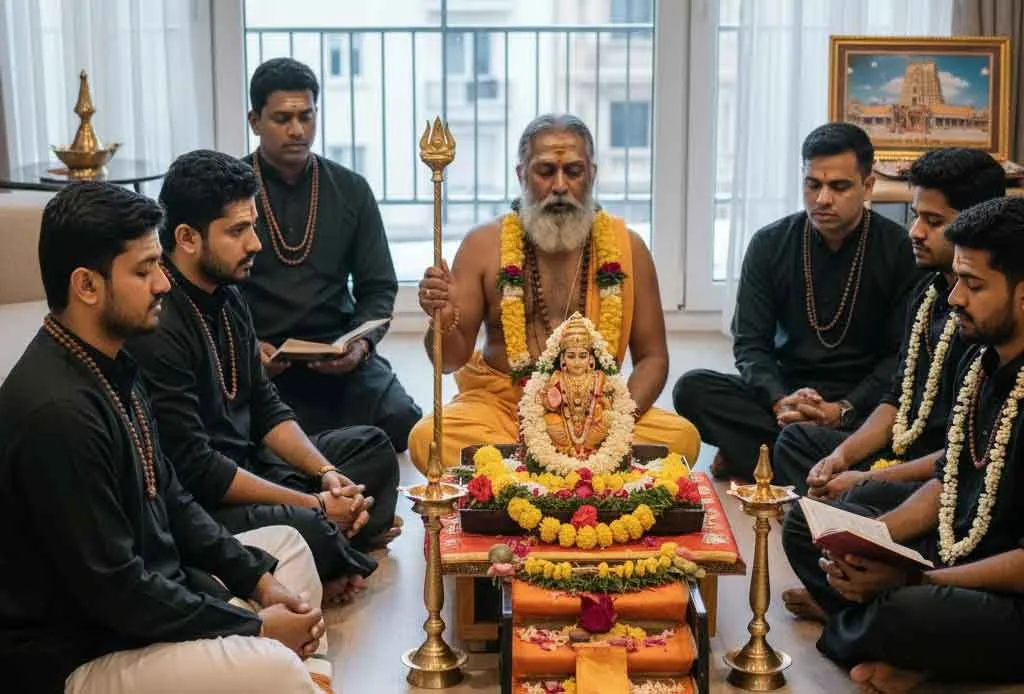
Significance of the Irumudi Kettu – Symbolism and Preparation Guide
Introduction The Irumudi Kettu is the sacred bundle carried by devotees during their pilgrimage to the Sabarimala temple in Kerala, dedicated to Lord Ayyappa.

Introduction The Irumudi Kettu is the sacred bundle carried by devotees during their pilgrimage to the Sabarimala temple in Kerala, dedicated to Lord Ayyappa.
Introduction
The Irumudi Kettu is the sacred bundle carried by devotees during their pilgrimage to the Sabarimala temple in Kerala, dedicated to Lord Ayyappa. This two-compartment cloth bundle is far more than mere luggage—it is a powerful symbol of devotion, self-discipline, and spiritual surrender. For every devotee who undertakes the arduous journey to Sabarimala, the Irumudi represents their offerings to the Lord and embodies the very essence of their spiritual journey.
The word "Irumudi" comes from the Malayalam words "Iru" (two) and "Mudi" (knot or compartment), referring to the two distinct compartments that make up this sacred bundle. Understanding the deep symbolism behind each component and properly preparing the Irumudi is essential for every pilgrim seeking Lord Ayyappa's blessings.
The Deep Symbolism of Irumudi Kettu
Spiritual Duality
The two compartments of the Irumudi represent fundamental spiritual concepts:
Front Compartment (Mundhanai): Symbolizes the offerings to the divine, representing our dedication to God. It contains items meant for Lord Ayyappa and embodies the devotee's surrender to the Supreme.
Rear Compartment (Pinnai): Represents the worldly necessities, acknowledging that while we pursue spiritual goals, we still exist in the material world and must maintain our physical well-being.
This duality teaches devotees to balance spiritual aspirations with earthly responsibilities—a key principle in Hindu philosophy.
The Journey of Self-Purification
Carrying the Irumudi on one's head throughout the pilgrimage symbolizes:
- Burden of Karma: The weight represents the accumulated karmas we carry through life
- Ego Dissolution: Balancing the bundle requires humility and concentration, dissolving the ego
- Single-Minded Devotion: The physical challenge keeps the mind focused on Lord Ayyappa
- Equality: Rich and poor, all devotees carry the same Irumudi, emphasizing spiritual equality
The Two Compartments: Divine and Personal
Front Compartment (Mundhanai) - The Divine Offerings
This compartment contains items exclusively meant as offerings to Lord Ayyappa. Once packed, these items are considered sacred and should not be opened or used during the journey.
Essential Items and Their Significance:
1. Ghee-Filled Coconut (Nei Thenga)
- Symbolism: The most important offering, representing the devotee's heart filled with devotion
- Preparation: A fresh coconut is carefully opened, emptied, filled with pure ghee, and sealed with cloth
- Spiritual Meaning: Just as the coconut transforms by receiving ghee, our hearts transform by receiving divine grace
2. Camphor (Karpooram)
- Symbolism: Represents the dissolution of ego and material attachments
- Significance: Burns completely without residue, teaching us to surrender fully to the divine
3. Incense Sticks (Agarbatti)
- Symbolism: The fragrance that spreads in all directions represents how devotion should permeate every aspect of life
- Quantity: Usually 3-5 packets
4. Vibhuti (Sacred Ash)
- Symbolism: Reminds us of life's impermanence and the ultimate truth that all material forms return to ash
- Usage: Applied on the forehead during worship
5. Kumkum (Vermillion)
- Symbolism: Represents Shakti (divine feminine energy) and auspiciousness
- Application: Used in puja rituals
6. Turmeric Powder (Manjal)
- Symbolism: Purity and prosperity
- Traditional Value: Considered highly auspicious in Hindu rituals
7. Sandalwood Paste (Chandanam)
- Symbolism: Cooling properties represent peace and tranquility
- Usage: Applied during abhishekam (ritual bathing) of the deity
8. Betel Leaves and Areca Nuts
- Symbolism: Traditional offering showing respect and hospitality
- Quantity: 5-11 betel leaves with corresponding areca nuts
9. Rice (Akshata)
- Symbolism: Prosperity, fertility, and sustenance
- Type: Unbroken rice grains, sometimes mixed with turmeric
10. Jaggery and Dry Fruits
- Symbolism: Sweetness represents the sweet fruit of devotion
- Items: Jaggery, raisins, cashews, almonds
11. Small Towel or Cloth
- Purpose: For wiping the deity during rituals
- Color: Usually white or cream
12. Coins/Dakshina
- Symbolism: Material offering representing our worldly wealth surrendered to God
- Amount: As per devotee's capacity
Rear Compartment (Pinnai) - Personal Necessities
This compartment contains items for the devotee's personal use during the pilgrimage. While practical, these too should be packed mindfully.
Essential Personal Items:
1. Extra Clothing
- Two sets of traditional dress (black or blue dhoti/lungi)
- Clean towel
- Sacred thread (for those who wear it)
2. Basic Toiletries
- Soap (preferably natural/herbal)
- Toothbrush and powder/paste
- Comb
- Small towel
3. Food Items
- Dry snacks (avoid onion, garlic)
- Fruits
- Nuts and jaggery for energy
- Water bottle (optional, as water is available en route)
4. Medication
- Personal medicines if required
- First-aid basics (antiseptic, band-aids)
- Pain relief balm for muscle strain
5. Miscellaneous
- Flashlight or small torch
- Match box or lighter (for lighting lamps)
- Small mat for sitting
- Plastic bags for waste management
Step-by-Step Irumudi Preparation Guide
Timing and Prerequisites
When to Prepare: The Irumudi should ideally be prepared on an auspicious day during the Mandala or Makaravilakku season, after completing the 41-day vratham (penance).
Where to Prepare: At your home's puja room or at a Ayyappa temple under the guidance of a Guruswami (spiritual guide).
Preparation Process
Step 1: Purification
- Take a bath and wear clean, traditional clothes
- Clean the area where you'll prepare the Irumudi
- Light a lamp and incense
- Chant "Swamiye Saranam Ayyappa" throughout the process
Step 2: Cloth Selection
- Use two square cloth pieces (typically black or dark blue)
- Each piece should be approximately 1.5 meters square
- Ensure the cloth is new and clean
Step 3: Filling the Front Compartment
- Spread the first cloth on a clean surface
- Place the ghee-filled coconut in the center
- Arrange all divine offerings around it systematically
- Add fresh flowers (if desired)
- Bring the four corners together and tie securely
Step 4: Filling the Rear Compartment
- Spread the second cloth
- Pack personal items neatly, heavier items at the bottom
- Ensure nothing can spill or break
- Bring corners together and tie firmly
Step 5: Joining the Compartments
- Place the two bundles together with the divine compartment facing forward
- Some traditions stack them, others place them side by side
- Secure both bundles together with a strong cloth strip or rope
- Create a comfortable base for carrying on the head
Step 6: Sacred Blessing
- Once prepared, the Irumudi should be placed before the deity
- Perform a small puja with flowers, incense, and lamp
- Have a Guruswami or priest bless the Irumudi
- From this moment, the Irumudi is considered sacred
Important Packing Tips
Do's:
- Pack items securely to prevent movement and breakage
- Balance the weight evenly for comfortable carrying
- Use natural, eco-friendly materials wherever possible
- Keep the ghee coconut upright and well-protected
- Wrap fragile items carefully
Don'ts:
- Never open the front compartment until reaching Sabarimala
- Avoid overpacking—keep it manageable
- Don't include prohibited items (leather, non-vegetarian food)
- Never place the Irumudi on the ground casually—always on a clean elevated surface
- Avoid synthetic or plastic materials when possible
Carrying the Irumudi: Spiritual Practice
The Sacred Act of Bearing
Carrying the Irumudi on the head is itself a spiritual discipline:
Physical Aspect:
- Strengthens focus and body-mind coordination
- Builds endurance and determination
- Teaches patience through discomfort
Spiritual Aspect:
- Every step becomes a meditation
- Constant awareness of carrying offerings to the Lord
- Humility in bearing the sacred burden
Rules While Carrying
- Placement: Always carry on the head, never on shoulders or in hands
- Respect: Treat it as you would treat the deity
- Chanting: Continuously chant "Swamiye Saranam Ayyappa"
- Resting: When resting, place it on a clean, elevated surface
- Assistance: Help fellow devotees who struggle with their Irumudi
- Mindfulness: Remain conscious that you're carrying sacred offerings
The Journey to Sabarimala with Irumudi
At Pampa River
- Take a holy dip in the Pampa River
- Place the Irumudi safely on the bank
- After bathing, lift the Irumudi with reverence
- Begin the trek to Sannidhanam
During the Forest Trek
- Maintain steady pace, avoiding haste
- Keep chanting the Lord's name
- Stay aware of the Irumudi's balance
- Help fellow pilgrims in need
At Sannidhanam (Temple Complex)
- Proceed with the Irumudi to the special counter
- The ghee-coconut will be taken for abhishekam
- Other offerings are submitted according to temple procedures
- Personal items can be kept with you
The Final Offering
The culmination of the pilgrimage comes when your ghee-filled coconut is broken on the sacred steps (Pathinettampadi) and offered to Lord Ayyappa. This moment represents:
- Complete Surrender: Breaking the coconut symbolizes breaking the ego
- Fulfillment: The journey's purpose is realized
- Transformation: The devotee returns spiritually renewed
- Grace: Receiving the Lord's blessings and prasadam
Modern Considerations and Practical Advice
For First-Time Pilgrims
- Travel with experienced devotees or join a Guruswami's group
- Start physical preparation weeks before the journey
- Practice carrying weight on your head for short distances
- Learn all the necessary mantras and procedures
- Understand the restrictions and rules beforehand
Climate Considerations
- The trek involves varying temperatures
- Pack lightweight but adequate clothing
- Include sun protection (natural, eco-friendly)
- Prepare for possible rain during certain seasons
Physical Preparation
- Build neck and shoulder strength
- Practice walking long distances
- Improve overall stamina
- Maintain the 41-day vratham discipline
Environmental Responsibility
As devotees of Lord Ayyappa, we must protect the sacred environment:
- Avoid plastic in the Irumudi
- Don't litter on the trek
- Use biodegradable materials
- Respect the forest and wildlife
The Deeper Philosophy
Irumudi as Life's Journey
The Irumudi pilgrimage mirrors life itself:
- Preparation: Like preparing for life's challenges
- Burden: Carrying responsibilities and karma
- Journey: Life's path with its ups and downs
- Offering: Ultimate surrender to the divine
- Return: Coming back transformed and enlightened
Lessons from the Irumudi
Balance: The two compartments teach us to balance spiritual and material life
Discipline: Maintaining the sanctity of the front compartment teaches restraint
Equality: Everyone carries the same Irumudi, regardless of social status
Devotion: The entire process is an expression of pure bhakti
Transformation: From preparation to offering, the devotee undergoes inner change
Conclusion
The Irumudi Kettu is not merely a bundle of offerings but a sacred companion on the spiritual journey to Sabarimala. Every item packed with devotion, every step taken while carrying it, and every moment of the pilgrimage contributes to the devotee's spiritual evolution. The Irumudi embodies the very essence of the Ayyappa worship tradition—discipline, devotion, equality, and surrender.
For those preparing to undertake this sacred pilgrimage, remember that the Irumudi you carry is a physical manifestation of your inner devotion. Prepare it with love, carry it with reverence, and offer it with complete surrender. The Lord sees not the material value of the offerings but the purity of the heart that carries them.
Swamiye Saranam Ayyappa!
Quick Reference: Complete Irumudi Items Checklist
Front Compartment (Divine Offerings)
- Ghee-filled coconut (Nei Thenga)
- Camphor
- Incense sticks (3-5 packets)
- Vibhuti (sacred ash)
- Kumkum (vermillion)
- Turmeric powder
- Sandalwood paste
- Betel leaves and areca nuts
- Unbroken rice (Akshata)
- Jaggery and dry fruits
- Small towel/cloth for deity
- Coins for dakshina
- Fresh flowers (optional)
Rear Compartment (Personal Items)
- Two sets of traditional dress
- Clean towel
- Basic toiletries (soap, toothbrush)
- Dry snacks (sattvic food only)
- Fruits
- Personal medicines
- First-aid basics
- Flashlight
- Match box
- Small sitting mat
- Plastic bags for waste
Don't Forget
- Mala (prayer beads)
- Rudraksha (if wearing)
- Sacred thread (if applicable)
- Copy of vratham completion certificate (if required)
May Lord Ayyappa bless all devotees who undertake this sacred journey with devotion and dedication. Swamiye Saranam Ayyappa!
For more devotional content and guides, visit www.hindutone.com
Also read: Neyyabhishekam, the ghee offering, the meaning of the 18 holy steps and a first-timer (Kanni Ayyappan) guide.
Frequently Asked Questions
What is the Irumudi Kettu carried to Sabarimala?
It is a sacred two-compartment cloth bundle carried on the head by devotees on the pilgrimage to the Sabarimala temple in Kerala. It symbolizes devotion, self-discipline and surrender to Lord Ayyappa.
What do the two compartments of the Irumudi represent?
The front compartment (Mundhanai) holds offerings to Lord Ayyappa and stands for dedication to God. The rear compartment (Pinnai) holds personal necessities and reflects the balance between spiritual goals and worldly life.
What is packed in the front compartment of the Irumudi?
The main item is the ghee-filled coconut (Nei Thenga), along with camphor, incense, vibhuti, kumkum, turmeric, sandalwood paste, betel leaves with areca nuts, rice, jaggery, dry fruits, a small cloth and coins as dakshina. It is not opened until Sabarimala is reached.
How is the Irumudi Kettu prepared?
After bathing and lighting a lamp, two new cloths are filled, one with offerings around the ghee coconut and one with personal items, and each is tied securely. The bundles are joined, placed before the deity and blessed by a Guruswami or priest, while chanting "Swamiye Saranam Ayyappa".
What are the rules for carrying the Irumudi?
It is always carried on the head, never on the shoulders or in the hands, and treated with the respect given to the deity. When resting, it is placed on a clean, elevated surface, never casually on the ground.
What happens to the ghee coconut at Sabarimala?
At Sannidhanam the ghee coconut is taken for abhishekam, and the coconut is broken on the sacred steps (Pathinettampadi) as an offering to Lord Ayyappa. Breaking it symbolizes breaking the ego.
You might also like

Sabarimala Yatra Complete Guide: Route, Online Booking, and Pooja Timings

Sabarimala Ayyappa Temple: Complete Pilgrimage Guide

Makara Jyothi: The Divine Light of Sabarimala