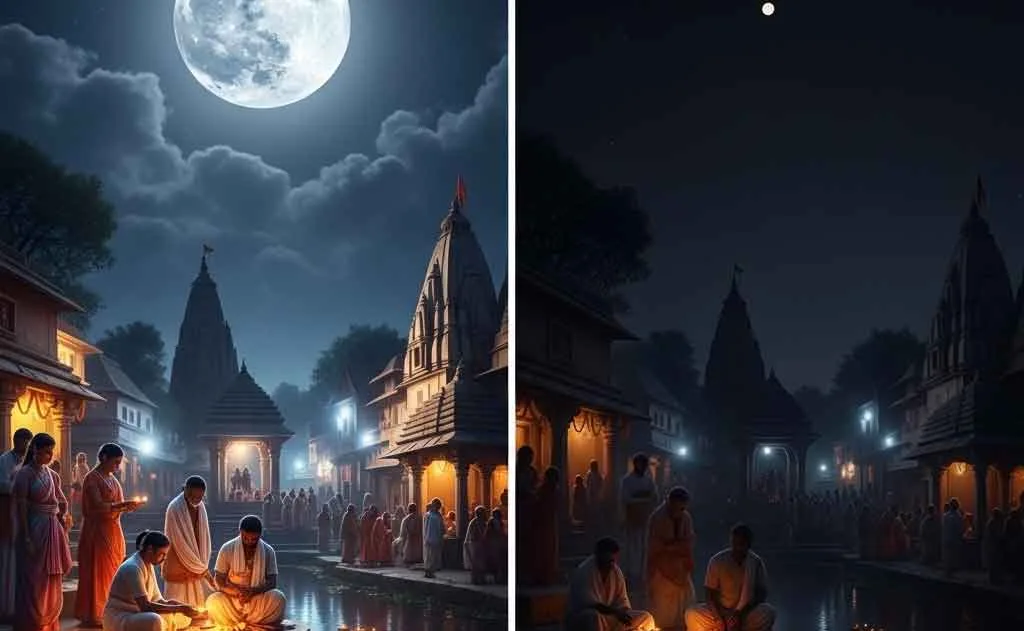
Lunar Eclipse in Hinduism: Beliefs, Rituals, and Spiritual Significance
Lunar Eclipse (Chandra Grahan) in Hinduism: Everything You Need to Know A lunar eclipse, known in Hinduism as Chandra Grahan (चंद्र ग्रहण), is one of the most…
Lunar Eclipse (Chandra Grahan) in Hinduism: Everything You Need to Know A lunar eclipse, known in Hinduism as Chandra Grahan (चंद्र ग्रहण), is one of the most…
Lunar Eclipse (Chandra Grahan) in Hinduism: Everything You Need to Know
A lunar eclipse, known in Hinduism as Chandra Grahan (चंद्र ग्रहण), is one of the most spiritually significant celestial events in the Hindu calendar. Far from being a mere astronomical occurrence, it carries deep mythological roots, religious customs, and astrological implications that devout Hindus observe with great reverence.
In this comprehensive guide from HinduTone, we explore the Hindu beliefs surrounding the lunar eclipse — from ancient Puranic stories to modern-day rituals and practices.
What Is Chandra Grahan? The Hindu Definition
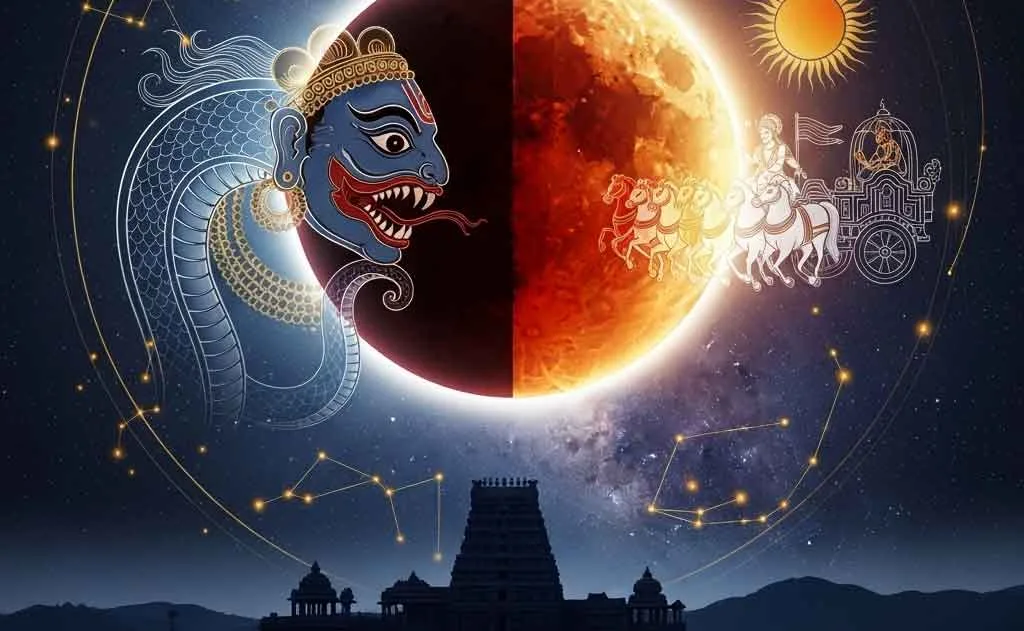
In Sanskrit, "Chandra" means Moon and "Grahan" means eclipse or seizure. According to Hindu cosmology, a lunar eclipse occurs when the shadow demon Rahu or Ketu "swallows" the Moon. This is not merely metaphorical — for millions of Hindus, the Grahan period is a time of cosmic imbalance that demands spiritual attention, prayer, and protection.
The Mythological Story Behind Lunar Eclipse in Hinduism
The origin of the lunar eclipse in Hindu mythology is rooted in the legendary event known as the Samudra Manthan — the churning of the cosmic ocean.
The Story of Rahu and the Moon
During the Samudra Manthan, the gods (Devas) and demons (Asuras) churned the ocean to obtain Amrita — the nectar of immortality. When the divine physician Dhanvantari emerged bearing the Amrita, the Devas sought to prevent the Asuras from drinking it.
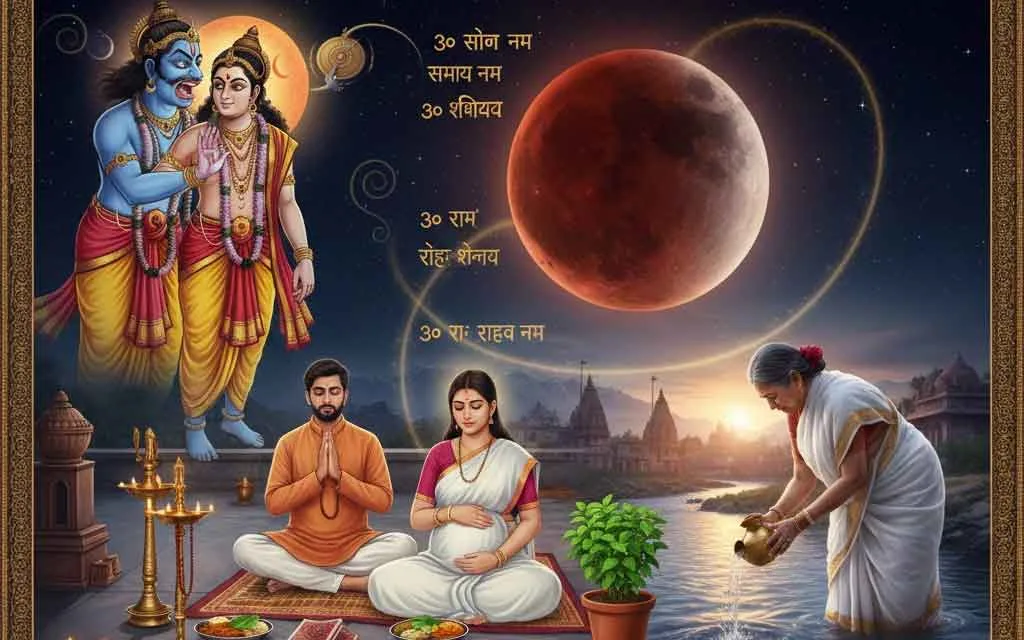
Lord Vishnu took the form of Mohini, an enchantress, and distracted the Asuras while distributing the nectar only among the Devas. However, a demon named Svarbhanu disguised himself as a Deva and sat between the Sun god Surya and the Moon god Chandra. He managed to drink a little of the nectar.
Surya and Chandra recognized the imposter and alerted Vishnu, who immediately severed Svarbhanu's head with the Sudarshana Chakra. But since the demon had already consumed a drop of Amrita, he became immortal — split into two entities: Rahu (the head) and Ketu (the tail).
Ever since, Rahu and Ketu have sought revenge on the Sun and Moon. When they "swallow" the Moon, a lunar eclipse occurs. Because the Moon has no body, it escapes shortly after — which is why a lunar eclipse is temporary. This ancient story forms the bedrock of Hindu beliefs about the lunar eclipse.
Hindu Beliefs About the Lunar Eclipse
1. Negative Cosmic Energy During Grahan
Hindus believe that during a Chandra Grahan, the positive cosmic energy typically radiated by the Moon is temporarily blocked. The period is considered inauspicious (अशुभ / Ashubh) for beginning new ventures, making important decisions, or conducting auspicious ceremonies.
2. The Moon's Influence on the Mind and Body
In Hindu astrology (Jyotish Shastra), the Moon governs the mind, emotions, and inner consciousness. A lunar eclipse is believed to disturb mental peace, amplify negative emotions, and weaken the body's natural energy field. This is why Hindus are advised to engage in prayer and meditation during this period rather than worldly activities.
3. Food Becomes Impure (Sutaka)
One of the most widely observed Hindu beliefs is that food cooked before or during the Grahan becomes impure. The period of ritual impurity before a lunar eclipse — called Sutaka — typically begins 9 hours before the eclipse for a full lunar eclipse. During Sutaka, cooking, eating, and even touching food that was prepared beforehand is considered inauspicious.
Why? Ancient Hindu texts suggest that the Moon's disturbed energy during an eclipse creates micro-level vibrational changes that can negatively affect food, water, and other consumables.
4. The Eclipse and Pregnant Women
Hindu tradition particularly cautions pregnant women during Chandra Grahan. They are advised to:
- Remain indoors and avoid watching the eclipse
- Not use sharp objects like scissors or knives
- Chant prayers and mantras for the protection of the unborn child
- Avoid sleeping during the eclipse period
These beliefs are rooted in the idea that the disturbed cosmic energy during a Grahan can affect the developing fetus. While modern medicine does not support these claims, they remain deeply embedded in Hindu cultural practice.
5. Grahan and Spiritual Amplification
Paradoxically, while the lunar eclipse is considered inauspicious for worldly activities, it is considered an exceptionally powerful time for spiritual practices. Many Hindu traditions teach that prayers, mantras, and charitable acts performed during a Grahan are multiplied many times in effect — some texts say by 100 to 1000 times.
Rituals and Practices During Chandra Grahan
Do's During Lunar Eclipse (Hindu Guidelines)
- Chant mantras: Recite the Chandra Mantra ("ॐ सों सोमाय नमः / Om Som Somaya Namah"), the Mahamrityunjaya Mantra, or your Ishta Devata mantra throughout the eclipse
- Meditate and pray: Engage in deep meditation, japa (repetition of divine names), or reading of sacred texts like the Bhagavad Gita or Vishnu Sahasranama
- Take a holy bath (Snan): Many Hindus take a ritual bath at the beginning and end of the Grahan period, and some also take a dip in sacred rivers like the Ganga
- Donate charity (Daan): Giving to the poor, donating food, money, or clothes during Grahan is considered highly meritorious
- Place Tulsi (Holy Basil) in food and water: To prevent impurity, Hindus place Tulsi leaves in stored food and water before the eclipse begins
Don'ts During Lunar Eclipse (Hindu Guidelines)
- Avoid eating or cooking during the Grahan period and Sutaka
- Avoid sleep during the eclipse — it is said to invite negative energy
- Avoid auspicious ceremonies such as weddings, Griha Pravesh, or Namakaran
- Avoid sexual activity
- Do not start new ventures or sign important agreements
- Pregnant women should avoid going outside or looking at the eclipsed Moon
The Significance of the Sutak Period
The Sutak Kaal (period of ritual impurity) is an important element of Hindu lunar eclipse observance. It varies depending on the type of eclipse:
During Sutak, temples may be closed, deities are not worshipped in their usual manner, and many daily religious activities are temporarily suspended. After the eclipse ends, devotees take a holy bath, change into clean clothes, and then resume normal worship.
What Happens After the Lunar Eclipse?
Post-eclipse rituals are equally important in Hindu tradition:
- Take a cleansing bath (Grahan Snan) — ideally in a sacred river or with water mixed with Gangajal (Ganges water)
- Wash all clothes and vessels used before or during the eclipse
- Clean and re-energize the kitchen before cooking fresh food
- Donate to Brahmins or the needy as an act of gratitude and merit
- Resume worship of the family deity with fresh offerings
Chandra Grahan in Hindu Astrology (Jyotish)
In Vedic astrology, a lunar eclipse holds powerful astrological significance. The eclipse occurs at a specific nakshatra (lunar mansion) and rashi (zodiac sign), which determines which individuals are most affected.
- Moon sign (Rashi) and the two flanking signs are considered most affected during the eclipse
- People with strong Rahu or Ketu influence in their horoscope are advised to take extra precautions
- Remedies (upayas) such as chanting the Chandra Beej Mantra, donating white items (rice, milk, white cloth), and offering water to the Moon (Chandra Arghya) after the eclipse are recommended
Key Mantras to Chant During Chandra Grahan
Chandra (Moon) Mantra
ॐ सों सोमाय नमः
Om Som Somaya Namah
Mahamrityunjaya Mantra
ॐ त्र्यम्बकं यजामहे सुगन्धिं पुष्टिवर्धनम्
उर्वारुकमिव बन्धनान् मृत्योर्मुक्षीय माऽमृतात्
Om Tryambakam Yajamahe Sugandhim Pushti-Vardhanam
Urvarukamiva Bandhanan Mrityor Mukshiya Mamritat
Rahu Beej Mantra (for protection)
ॐ रां राहवे नमः
Om Ram Rahave Namah
Chanting these mantras with focus and devotion during the eclipse is said to bring peace, protection, and spiritual elevation.
Scientific vs. Hindu Perspective: Finding Balance
Modern science explains a lunar eclipse as the Earth moving between the Sun and the Moon, casting its shadow on the lunar surface. There is no scientific evidence that lunar eclipses affect food purity, human health, or cosmic energy in the ways described by Hindu tradition.
However, Hindu beliefs about the lunar eclipse are not merely superstitions — they represent an ancient, holistic worldview that integrates cosmology, health, psychology, and spirituality. The enforced fasting during Sutak, for example, can be seen as a practice of cleansing the digestive system. The emphasis on prayer and meditation promotes mental health and mindfulness.
Many Hindus today honor these traditions not out of fear, but out of cultural reverence and spiritual discipline.
Famous Temples and Grahan Practices Across India
Across India, different temples and regions have unique practices during Chandra Grahan:
- Vrindavan and Mathura: Temples close their doors and devotees bathe in the Yamuna river after the eclipse
- Haridwar and Rishikesh: Mass dips in the Ganga take place before sunrise after a nighttime lunar eclipse
- Puri Jagannath Temple: The temple closes during Grahan and undergoes a special purification ritual before reopening
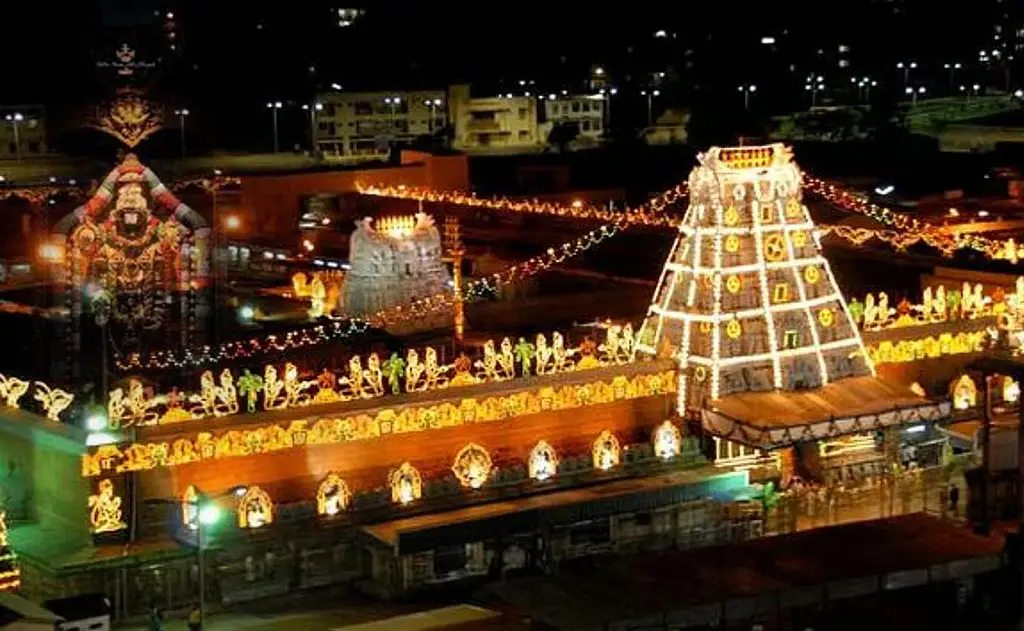
- Tirupati Balaji: Special prayers and rituals are conducted based on the astrological significance of the eclipse
Frequently Asked Questions (FAQs)
Q1: Is it safe to look at a lunar eclipse according to Hindu belief?
Hindu tradition advises against looking at the eclipsed Moon, particularly for pregnant women. However, unlike solar eclipses, lunar eclipses are not physically harmful to the eyes.
Q2: Can we eat during Chandra Grahan?
According to Hindu belief, eating during the Grahan period and the Sutak Kaal is considered inauspicious. Fasting is recommended. Food stored before Sutak begins with Tulsi leaves is often considered acceptable in some traditions.
Q3: Can we sleep during a lunar eclipse?
Hindu texts discourage sleeping during a Grahan. The period is meant for prayer, meditation, and spiritual activity.
Q4: What is the best mantra for Chandra Grahan?
The Chandra Mantra (Om Som Somaya Namah) and the Mahamrityunjaya Mantra are considered the most powerful mantras to recite during Chandra Grahan.
Q5: How long does the Sutak period last for a lunar eclipse?
The Sutak Kaal for a lunar eclipse (Chandra Grahan) begins 9 hours before the eclipse and lasts until the eclipse ends.
Q6: Is Chandra Grahan good or bad in Hinduism?
Chandra Grahan is considered inauspicious for worldly activities but highly auspicious for spiritual practice. Prayers and charity performed during this time are believed to yield extraordinary merit.
Conclusion: Chandra Grahan as a Sacred Opportunity
The lunar eclipse in Hinduism is far more than an astronomical event. It is a sacred juncture where the cosmic, mythological, astrological, and spiritual dimensions of life converge. Whether you observe it through rigorous traditional rituals or quiet personal meditation, Chandra Grahan offers every Hindu an opportunity to turn inward, connect with the divine, and accumulate spiritual merit.
At HinduTone, we celebrate the richness of Hindu traditions and help you navigate these sacred observances with clarity and devotion.
Explore more articles on Hindu festivals, rituals, and beliefs at www.hindutone.com
Tags: Chandra Grahan, Lunar Eclipse Hinduism, Hindu beliefs lunar eclipse, Grahan rituals, Sutak Kaal, Rahu Ketu mythology, Hindu astrology eclipse, Chandra Grahan do's and don'ts, lunar eclipse mantras, HinduTone
Author: HinduTone Editorial Team
Last Updated: February 2026
You might also like
Importance of Lunar Eclipse in Hinduism – What to Do and What Not to Do
Darshan Suspended at Tirumala Temple During Lunar Eclipse

Can a Robot Perform Puja? Robot Aarti, AI in Rituals and What Hindu Tradition Says