

Who Created the Caste System? | An Opinion on the Origins of the Caste System
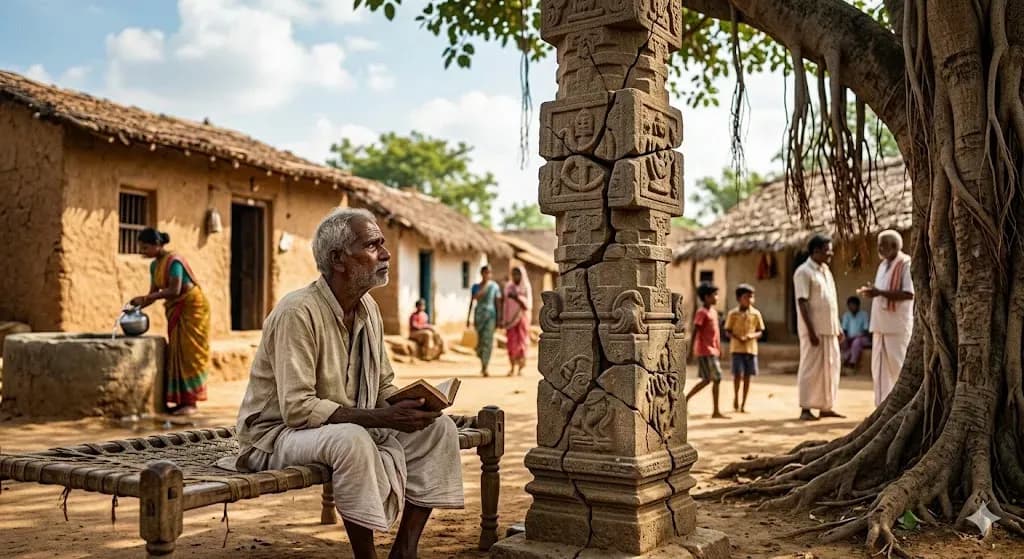
Who Created the Caste System? Have you ever watched someone making idlis and dosas?
Who Created the Caste System?
Have you ever watched someone making idlis and dosas?
Idlis are steamed in batches and taken off the stove while hot. Likewise, water is sprinkled on a hot pan, oil is applied, spread with a broom-like brush, and dosas are made one after another.
According to a popular narrative, in the same way, about ten Brahmins sat together and created not one or two, but five or six thousand castes. This is a widely circulated story that many people accept without question.
Whenever there is a conflict between any of these thousands of castes, Brahmins are blamed. Whether it is disputes among Mala and Madiga communities over reservation benefits, clashes between communities in places like Karamchedu or Chunduru, or even when the Supreme Court rules that reservation benefits do not apply to those who have converted to another religion, some people still hold Brahmins responsible.
Lord Krishna, who belonged to the Yadava community, said, "Chaturvarnyam Maya Srishtam" ("The four varnas were created by Me"). Yet, the argument often heard is: "We don't care who said it. Even if Krishna spoke of four varnas, Brahmins created all the castes." This view is echoed by scholars, writers, social engineers, reformers, politicians, film producers, scriptwriters, and industrialists from different communities.
If someone points out that Krishna referred only to four varnas and never mentioned six thousand castes, they are often told not to bring logic into the discussion. Asking how Brahmins could have created thousands of castes is dismissed outright. Such is the influence of this popular narrative.
Whenever caste-related conflicts occur, the final conclusion in many discussions is that Brahmins should abolish the caste system. Meetings are held by individual caste groups to pass resolutions demanding that Brahmins eliminate the caste system, but resolutions promoting harmony among all communities are rarely discussed.
The author questions why people assume that only Brahmins have the authority or responsibility to abolish the caste system. Do people from other communities not have the same responsibility or authority?
Holding separate caste-based meetings to demand the abolition of the caste system itself appears contradictory. The author compares it to asking someone to speak briefly about the importance of brevity, only for that person to speak continuously for three hours until the microphone is taken away. Similarly, someone angry about the use of abusive language ends up using abusive language themselves while condemning it.
According to the author, many of those who campaign today for the abolition of the caste system are caught in similar contradictions.
Note: This is a faithful English translation of the original Telugu text. It reflects the author's opinions and arguments and should not be interpreted as established historical fact or as the translator's viewpoint.
You might also like
Tirumala News (September 2026): Gokulashtami Celebrations, ACB Arrest of TTD Deputy EO & Fake-Website Alert
Guruvayur Sree Krishna Temple Sets Historic Record: 437 Weddings on Chingam Sunday (23 August 2026)
Brahmacharya Era | Delayed Marriages, Declining Population and the Future of Family System
