


World Cancer Day 2026: Hindu Perspective on Cancer – United by Unique Theme

On February 4, 2026, World Cancer Day unites people worldwide under the Union for International Cancer Control (UICC) theme “United by Unique” (2025-2027). This campaign champions people-centered care, acknowledging that every individual’s experience with cancer is shaped by personal biology, emotions, culture, family dynamics, and spiritual beliefs. For Hindu families—whether in India or the global diaspora—this theme resonates profoundly. Cancer brings not only physical pain but also deep spiritual questions about suffering, purpose, the soul’s journey, and divine grace. Hinduism offers a compassionate framework to navigate these, blending ancient wisdom with modern medical care to honor each person’s unique path while fostering collective support.
Hinduism views illness through timeless concepts: karma (the law of cause and effect from actions across lives), atman (the eternal, divine soul), and samsara (the cycle of birth, death, and rebirth). The physical body is transient, a vessel for the unchanging atman, which is one with Brahman (ultimate reality). Cancer, like any serious disease, may arise from past karma, serving as an opportunity for spiritual growth, purification, or balancing cosmic debts—yet it does not define or condemn the soul. As teachings emphasize, suffering is impermanent and does not touch the eternal atman. This perspective promotes acceptance, reducing fear of death as a mere transition toward potential moksha (liberation from samsara) through devotion and righteous living.
Research supports the relevance of these beliefs in palliative settings. A landmark qualitative study on Hindu cancer patients in palliative care (Simha et al., Indian Journal of Palliative Care, 2013) identified key spiritual concerns: benefit of pooja (ritual worship), faith in God, concern about the future, concept of rebirth, acceptance of one’s situation, belief in karma, and the question “Why me?” Participants found solace in these ideas, using them to cope without expressing loneliness, need for forgiveness from others, or religious struggle—unlike some Western studies. The study highlights how karma explains suffering without fostering blame, encouraging focus on present devotion for peace. More recent insights (e.g., 2024 mixed-methods study on Dharmic religions in palliative care) note that beliefs in karma, trust in God, inevitability of death, and afterlife aid acceptance, rarely leading to self-blame for the diagnosis.
Coping Through Rituals, Family, and Acceptance
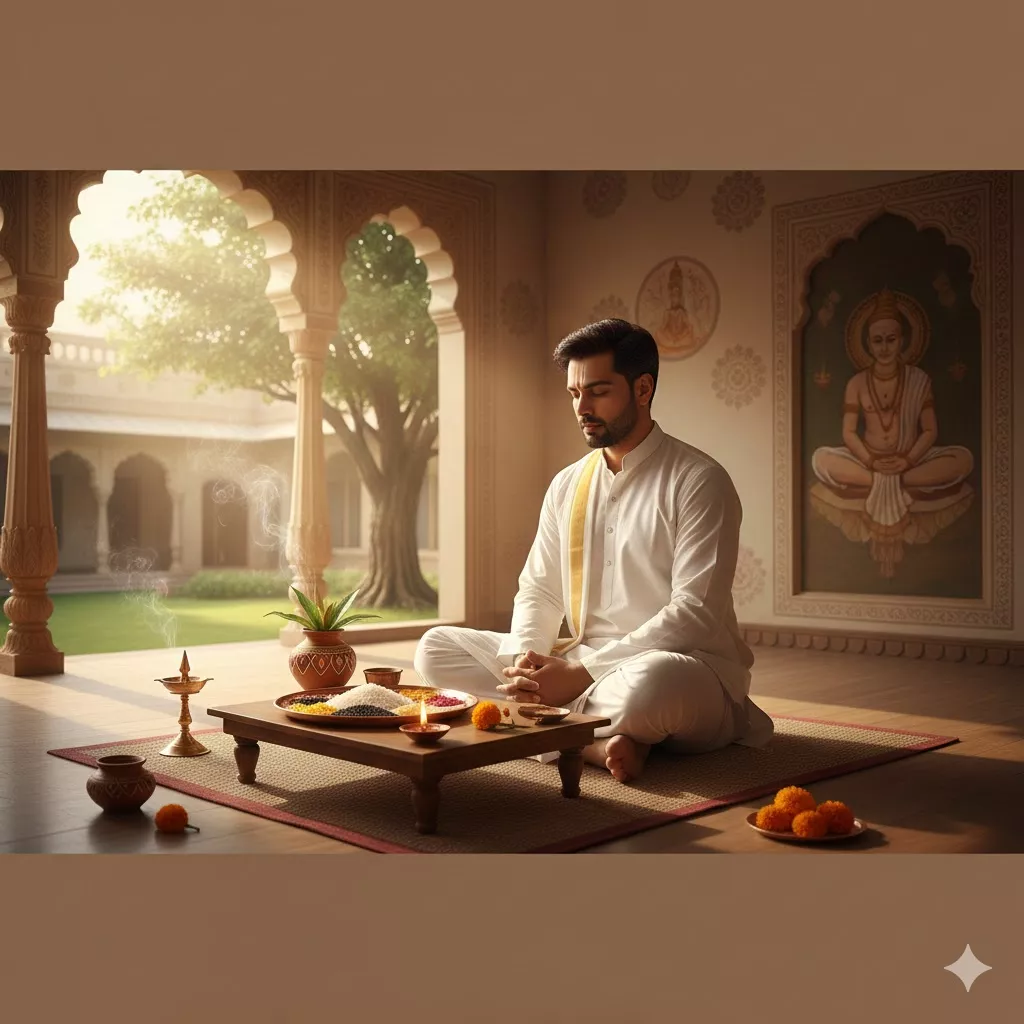
Daily rituals provide profound comfort and a sense of agency. Pooja at home altars—lighting lamps, offering flowers, or chanting—invokes divine protection and healing vibrations. Many patients benefit from framed deities in their rooms, reporting emotional upliftment. Tulsi (holy basil) leaves or water infused with tulsi purify and strengthen immunity spiritually and physically. Ganga jal (holy Ganges water) is sipped or sprinkled for blessings and purification.
Family plays a central role—joint prayers, reading from the Bhagavad Gita (which teaches detachment from the body while nurturing the soul), or singing bhajans create communal strength. Acceptance emerges from understanding illness as part of samsara: a chance to perform good actions, reduce attachment, and prepare for transition. This avoids stigma—framing cancer solely as “karma punishment” can cause shame or guilt, but Hinduism stresses compassion, grace, and present devotion to mitigate effects. Caregivers are encouraged to offer empathy, seva (selfless service), and shared rituals, fostering unity.
Blending Ayurveda, Yoga with Modern Treatment
Integrative approaches align beautifully with “United by Unique,” meeting spiritual needs alongside medical ones. Ayurveda and yoga complement conventional treatments like chemotherapy or radiation. Recent studies (e.g., 2024-2025 reviews on integrative oncology in India) show Ayurvedic herbs (turmeric for anti-inflammatory effects, ashwagandha for stress reduction) and practices reduce side effects like nausea, fatigue, and neuropathy when used adjunctively. Government initiatives, such as the All India Institute of Ayurveda’s Integrative Oncology Research and Care Centre, combine Panchakarma, yoga, and modern rehab, improving quality of life. Yoga enhances mind-body balance, alleviates anxiety, and supports resilience—patients often report better emotional functioning and symptom relief.
Always consult qualified practitioners to avoid interactions; the goal is harmony, not replacement, ensuring evidence-based care while honoring spiritual traditions.
Healing Shrines and Survivor Stories for Hope
Sacred sites offer tangible hope. Vaitheeswarankoil (Tamil Nadu), dedicated to Lord Shiva as the divine healer (Vaidyanatha), draws devotees believing its Siddhamrutha Theertham (sacred tank) and vibhuti (holy ash) cure chronic ailments, including cancer-like conditions through faith and rituals. Thottuva Dhanvantari Temple (Kerala) invokes the god of Ayurveda for blessings. Pilgrimages provide emotional renewal—many report peace, even if physical outcomes vary—reinforcing that healing encompasses body, mind, and atman.
Survivor stories inspire: Devotees share how deepened Krishna devotion during treatment eased pain through temple visits and kirtan. One recounted miraculous emotional recovery post-pilgrimage, crediting divine grace alongside treatment. These narratives highlight resilience—cancer as a catalyst for spiritual awakening, family bonds, and renewed purpose.
Resources for Hindu Families
- Spiritual guidance: Local temples, ISKCON centers for Bhagavad Gita sessions.
- Integrative support: All India Institute of Ayurveda centers, Patanjali Yoggram.
- Palliative care: Indian Journal of Palliative Care resources; Cancer Patients Aid Association with cultural sensitivity.
- National helplines: Cancer support lines alongside spiritual counseling.
On World Cancer Day 2026, embrace “United by Unique”—honor each Hindu soul’s spiritual journey with compassion, rituals, and integrated care. Hinduism teaches healing transcends the body: through faith, acceptance, and love, we find strength, peace, and hope. May divine grace guide all affected toward wholeness.
Sources: Simha et al. (2013, Indian Journal of Palliative Care); palliative care reviews on Dharmic beliefs; integrative oncology studies (JAIM, Frontiers); Hindu texts (Bhagavad Gita, Upanishads). For hindutone.com—empathetic, culturally resonant, evidence-based.
Related posts:
 Tragic Incident at the Mahakumbh Mela on Mauni Amavasya
 BJP’s Victory in Delhi Elections 2025: How It Impacts Indian Politics and Hindus
 Operation Sindoor: Avenge the Sindoor Wiped from Pahalgam’s Mothers and Sisters
 Divya Darshan of 108-ft Lord Hanuman Ji in Karol Bagh, New Delhi
 Krishna Janmashtami 2025: Indiana BAPS Temple to Celebrate with Devotional Prayers Despite Recent Vandalism
 World Idli Day 2025: Celebrate India’s Fluffy Breakfast Star


 ︎
︎

