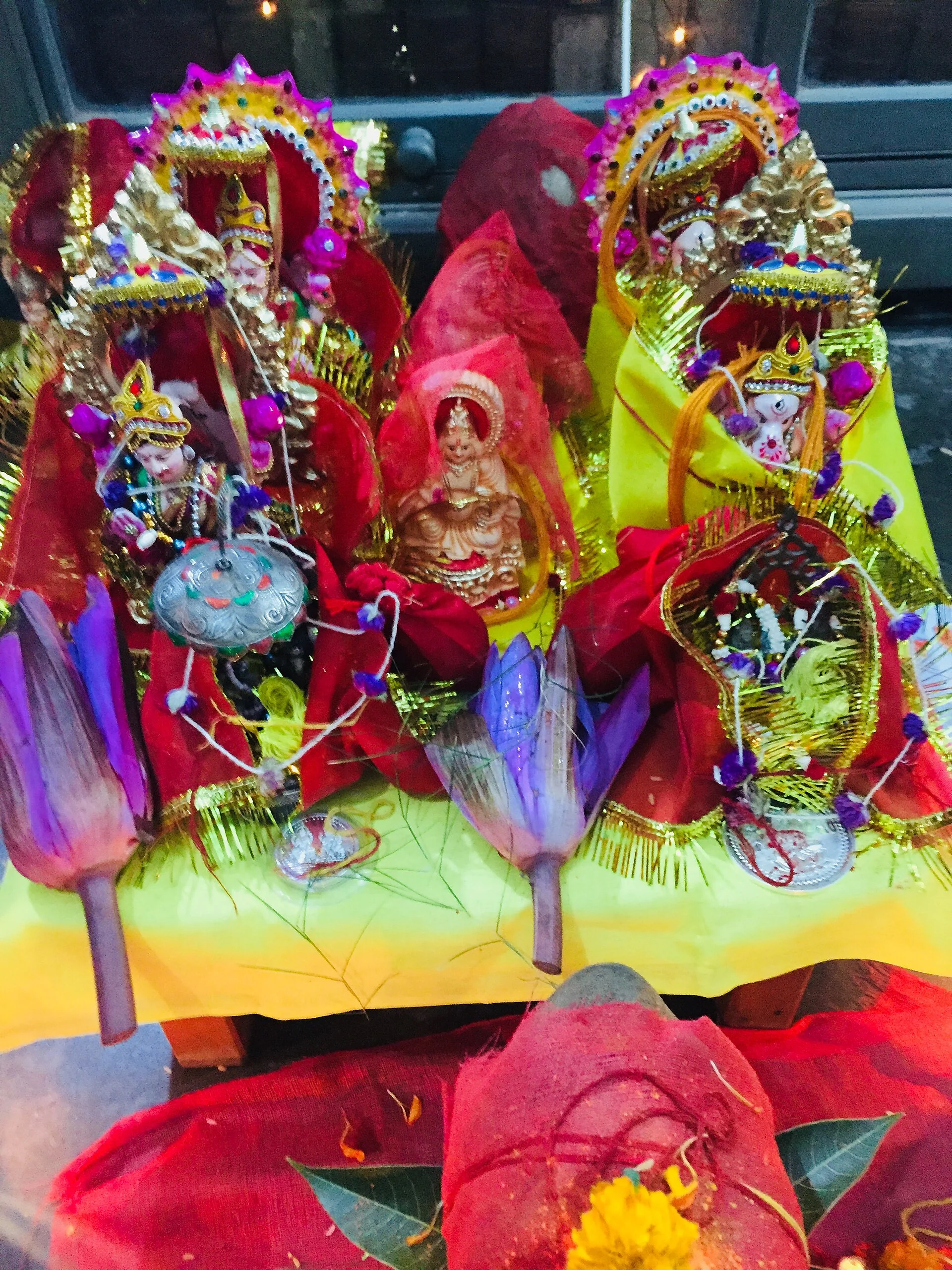
Top 11 Traditional Varalakshmi Vratam Recipes – Celebrate the Festival with Divine Flavors
Welcome to HinduTone.com, your spiritual companion on the journey of Sanatana Dharma.
Welcome to HinduTone.com, your spiritual companion on the journey of Sanatana Dharma.
Welcome to HinduTone.com, your spiritual companion on the journey of Sanatana Dharma. As the sacred festival of Varalakshmi Vratam approaches, homes across India are filled with the divine fragrance of devotion, prayer, and sacred prasadam. Observed during Sravana Masam on a Friday before Pournami, this vratam honors Goddess Lakshmi, the bestower of wealth, prosperity, and well-being.
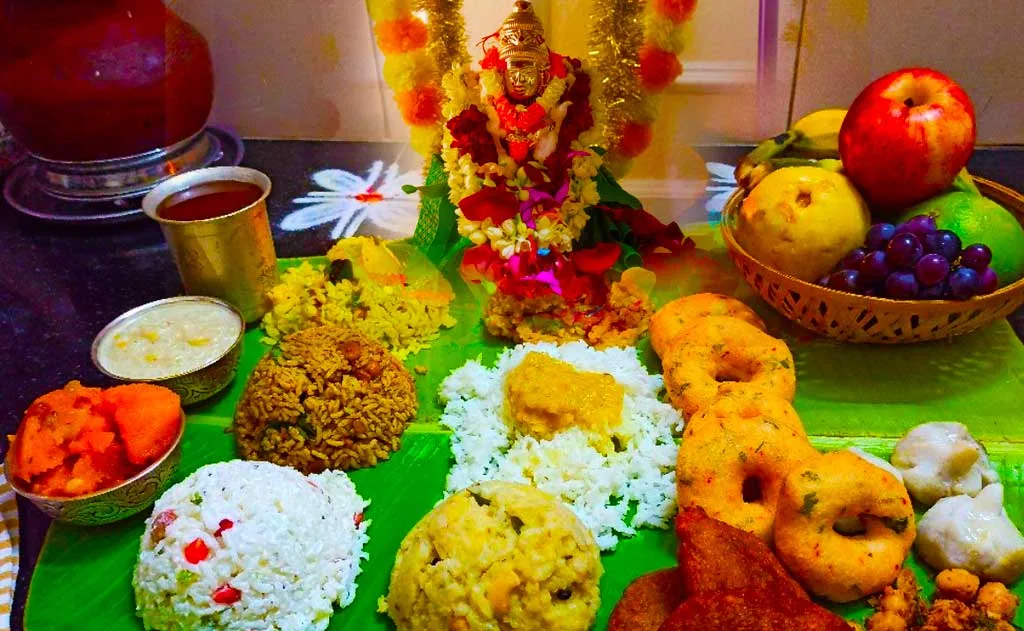
Food plays a significant role in invoking divine blessings. Preparing naivedyam (offerings) with purity, devotion, and traditional values is an essential part of this festival. In this article, we bring you 11 must-prepare traditional recipes that are not only delicious but spiritually significant.
Why Food Matters in Varalakshmi Vratam?
In Hindu tradition, Naivedyam is considered a sacred offering to the deity, prepared with love and devotion. It is believed that Goddess Lakshmi blesses households that offer sattvic (pure and vegetarian) food during the vratam.
Top 11 Traditional Recipes for Varalakshmi Vratam
1. Pulihora (Tamarind Rice)
A tangy and spicy rice dish symbolizing auspicious beginnings. The yellow turmeric and tamarind are believed to attract prosperity.
2. Payasam (Kheer)
A sweet delight made with milk, rice, jaggery/sugar, and cardamom. It signifies sweetness in life and divine love.
Popular Varieties: Pal Payasam, Bellam Payasam, Sabudana Kheer
3. Poornalu / Suzhiyan
A deep-fried dumpling made of jaggery, coconut, and chana dal inside a rice-urad dal batter. A festive favorite in South India.
4. Chakkara Pongal (Sweet Pongal)
A divine offering made with jaggery, ghee, rice, and moong dal. It’s said to be one of Lakshmi Devi’s favorite dishes.
5. Medu Vada / Garelu
Crispy urad dal fritters shaped like doughnuts. Offered as prasadam and enjoyed as part of the meal.
6. Sundal (Chickpea Stir-Fry)
Boiled chickpeas or lentils sautéed with mustard seeds, curry leaves, and coconut. Healthy and sattvic.
Popular Varieties: Chana Sundal, Green Gram Sundal, Moong Dal Sundal
7. Lemon Rice
Simple yet divine. Made with lemon juice, mustard seeds, curry leaves, and turmeric. Brings freshness to the offering plate.
8. Bobbatlu / Obbattu / Puran Poli
A stuffed sweet flatbread made with jaggery and dal filling. Soft, rich, and melt-in-the-mouth.
9. Vermicelli Payasam (Semiya Payasam)
Quick to prepare and ideal as a dessert or prasadam. Made with milk, vermicelli, sugar, and dry fruits.
10. Coconut Ladoo / Nariyal Laddu
Easy to make using desiccated or fresh coconut and condensed milk or jaggery. Represents purity and simplicity.
11. Banana Sheera / Kesari
A classic sweet made with rava (sooji), banana, sugar, ghee, and cardamom. It is often offered first as it’s quick and pure.
Varalakshmi Vratham Naivedyam Tips:
- Always prepare offerings fresh and with devotion.
- Avoid onion, garlic, and tamasic ingredients.
- Use silver or brass plates for offering prasadam.
- Sprinkle tulsi leaves or kumkum before offering to the deity.
Closing Thoughts
Celebrating Varalakshmi Vratam is not just about rituals but experiencing divine grace in every form – especially through food. These recipes are more than just dishes; they are a sacred expression of love and devotion to Sri Mahalakshmi Devi.
May your home be filled with abundance, health, and happiness this Varalakshmi Vratam.
Share and Celebrate Sanatana Dharma
Bookmark this post, share it with friends and family, and subscribe to www.HinduTone.com for more spiritual guides, festival insights, and divine recipes.
What do the Puranas say about food offerings to Goddess Lakshmi?
The Skanda Purana and the Sri Sukta — a hymn embedded within the Rigveda's Khilani (supplementary verses) — both describe Goddess Lakshmi as Annapurna-svarupini, the very embodiment of food and nourishment. The Sri Sukta explicitly invokes her with gold, ghee, and grain, linking material abundance to divine grace. Preparing naivedyam for Varalakshmi Vratam is therefore not mere ritual cooking; it is an act of recognising the goddess in the food itself.
The Vishnu Purana (Book I, Chapter 8) recounts how Lakshmi arose from the churning of the cosmic ocean, Kshirasagara, the ocean of milk. This origin story is why milk-based offerings such as Pal Payasam and Chakkara Pongal carry special weight during her festivals. Ghee, derived from milk, is described in Vedic texts as havya — worthy of being offered in sacred fire — and its use in sweet Pongal or Poornalu elevates these dishes from kitchen preparations to yajnic offerings.
What is the significance of Sravana Masam and the Friday timing of the vratam?
Sravana Masam (the lunar month corresponding roughly to July–August) is regarded as especially sacred because the moon, which governs the mind and emotions, is at its fullest influence. The Nakshatra Sravana, after which the month is named, is directly associated with Lord Vishnu, and by extension with Lakshmi Devi as his inseparable Shakti. Performing the vratam during this month ensures that devotional energy is amplified by the celestial alignment.
Friday — Shukravara — is the day governed by Shukra (Venus), the planet that presides over beauty, prosperity, and material well-being. In Jyotisha Shastra, Shukra is considered the significator of Lakshmi-tattva. Choosing the last Friday before the full moon (Pournami) of Sravana means the lunar light is near-complete, symbolising abundant grace. The combination of Shukravara, waxing moon, and Sravana Masam creates what the tradition calls an uttama muhurta — an exceptionally auspicious window for seeking the goddess's blessings.
How should the kitchen and cook be prepared before making naivedyam?
Classical texts such as the Dharmasindhu and regional paddhatis (procedural manuals) for Varalakshmi Puja specify that the cook — ideally the lady of the house who observes the upavasa (fast) — must bathe, wear freshly washed clothes, and maintain silence or chant the Lakshmi Ashtottara (108 names of Lakshmi) while cooking. The kitchen should be cleaned and a small kolam (rangoli) drawn at the entrance using rice flour, as rice flour itself is considered a symbol of Lakshmi's presence.
Tamasic ingredients — onion, garlic, and non-vegetarian items — are strictly avoided, as they are believed to disturb the sattvic vibration required for divine reception. Many households in Andhra Pradesh and Telangana also avoid using iron vessels for sweet preparations, preferring brass or copper, which are considered suddha (pure) metals that do not interfere with the sanctity of the offering. The intention (sankalpa) with which the cook begins is regarded in Agama tradition as more important than technical perfection.
Which temples are especially renowned for Varalakshmi Vratam celebrations?
The Sri Mahalakshmi Temple in Kolhapur, Maharashtra, and the Padmavathi Ammavari Temple in Tiruchanur (near Tirupati, Andhra Pradesh) are two of the most prominent temples where Varalakshmi Vratam is observed at a grand institutional scale. At Tiruchanur, the presiding deity Padmavathi — the earthly form of Lakshmi — receives elaborate alankara (decoration) and special abhisheka with milk, turmeric water, and saffron during the Sravana Friday.
In Telangana and Andhra Pradesh, neighborhood women collectively perform the puja in what is called a samuhika (collective) Varalakshmi Vratam, creating a festive atmosphere where each household contributes one or two naivedyam dishes to a shared offering table. This communal practice reflects the Vedic ideal of yajna as a shared endeavour, reinforcing that Lakshmi's blessings flow most freely when generosity and community spirit are present.
Are there specific ritual rules for serving and distributing the prasadam?
According to the Varalakshmi Vratam katha and puja paddhati followed in most Telugu households, the naivedyam must first be placed before the decorated kalasha (pot representing the goddess) and only offered after the completion of the ashtottara archana and mangala harathi. The food must not be tasted by anyone — including the cook — until it has been formally offered and the prasadam distributed. This restraint is itself a form of tapas, training the senses toward the divine before turning to personal enjoyment.
Banana leaves are the traditional serving medium in South India, as they are considered ritually pure and are mentioned in Agama texts as appropriate for naivedyam service. After the puja, the prasadam is first served to sumangalis (married women whose husbands are living), then to children, and finally to all family members — an order that reflects the spiritual hierarchy observed during auspicious Lakshmi rituals. Leftovers from prasadam are never wasted; they are respectfully distributed to neighbours or placed at the base of a Tulasi plant.
What is the deeper symbolism behind the specific ingredients used in these recipes?
Turmeric (haridra), used in Pulihora and as a paste during the puja itself, is called the Dravya of Lakshmi in several Tantric texts — its golden colour echoing the golden complexion of the goddess. Jaggery (bellam), which replaces refined sugar in authentic recipes like Chakkara Pongal and Poornalu, is unprocessed and earth-born, symbolising abundance in its most natural, unadulterated form. The Taittiriya Upanishad's famous declaration — Annam Brahma — reminds us that food is Brahman itself, and every ingredient carries a cosmological resonance.
Coconut, a key element in Poornalu and Sundal tempering, is called Sriphala — the fruit of Sri (Lakshmi) — in Sanskrit literature, which is why it is present at virtually every auspicious occasion in Hindu tradition. Cardamom and saffron, used to flavour Payasam, are associated with Shukra's domain of fragrance and beauty. Even the mustard seeds (sarshapa) used in Sundal's tadka carry Vedic significance: in Atharva Veda tradition, mustard is linked to driving away negativity and making space for Lakshmi's entry into a home.
Frequently Asked Questions
When is Top 11 Traditional Varalakshmi Vratam Recipes –?
Top 11 Traditional Varalakshmi Vratam Recipes – is observed on its traditional tithi in the Hindu lunar calendar; refer to the year's panchang for the exact date in your region.
What is the significance of Top 11 Traditional Varalakshmi Vratam Recipes –?
Welcome to HinduTone.com , your spiritual companion on the journey of Sanatana Dharma. As the sacred festival of Varalakshmi Vratam approaches, homes across India are filled with the divine fragrance of devotion, prayer, and sacred prasadam.
How is Top 11 Traditional Varalakshmi Vratam Recipes – celebrated?
Devotees observe it with puja, fasting or special offerings, visiting temples, chanting mantras, and gathering with family. Customs vary by region and tradition.
What should devotees do on Top 11 Traditional Varalakshmi Vratam Recipes –?
Worship Goddess Lakshmi, perform the day's puja and offerings, observe the fast where prescribed, and chant the associated mantras with devotion.
You might also like

Sacred Hindu Festivals & Temple News: Divine Week — May 2026

Divine Hindu Temple News, Festivals & Global Devotion in Jyeshtha Adhik Maas 2026
Purushottam Maas 2026: Lord Vishnu's Sacred Gift of Spiritual Multiplication & Divine Grace