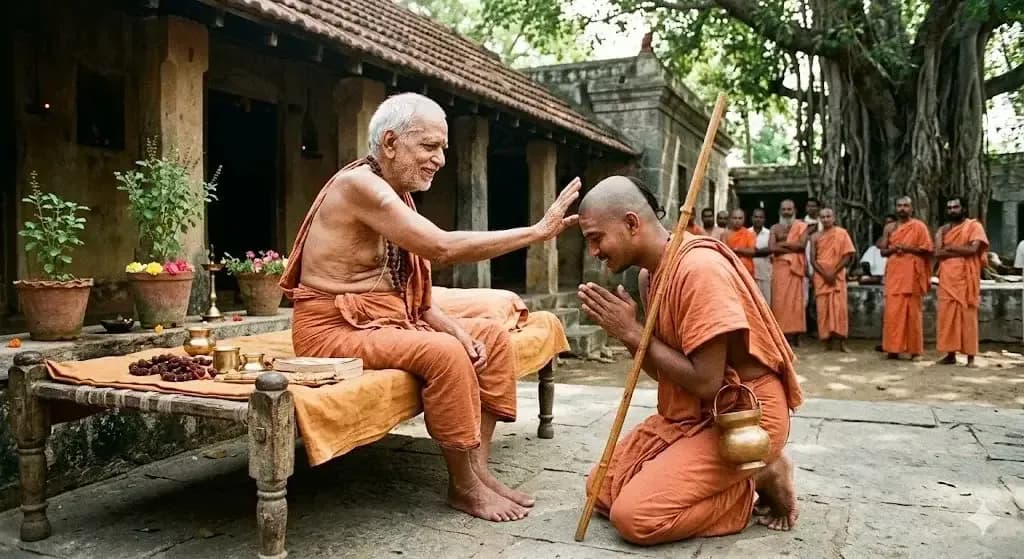
Amavasya: A Day to Cleanse the Soul and Ancestors’ Blessings
Exclusive on www.hindutone.com Introduction: The Sacred Darkness of Amavasya In the luminous rhythm of the Hindu lunar calendar, Amavasya – the New Moon day –…
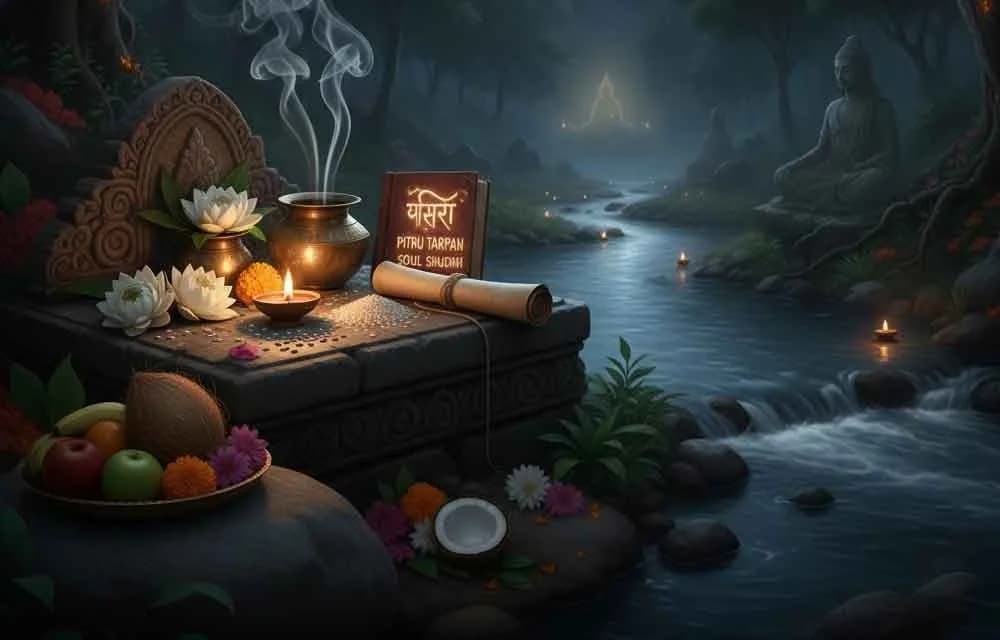
Exclusive on www.hindutone.com Introduction: The Sacred Darkness of Amavasya In the luminous rhythm of the Hindu lunar calendar, Amavasya – the New Moon day –…
Exclusive on www.hindutone.com
Introduction: The Sacred Darkness of Amavasya
In the luminous rhythm of the Hindu lunar calendar, Amavasya – the New Moon day – stands as a profound portal of spiritual cleansing, ancestral communion, and inner renewal. While Purnima bathes the world in moonlight, Amavasya cloaks it in sacred darkness, inviting introspection, karmic release, and divine grace.
Lord Krishna declares in the Bhagavad Gita that He manifests in all phases of time, and Amavasya is His subtle form – the void that births creation, the silence that reveals truth. For millions of Hindus worldwide, this day is not merely the absence of the moon but the presence of infinite possibility – a cosmic reset button for the soul and lineage.
This 3,500+ word SEO-optimized guide on www.hindutone.com explores:
- Spiritual significance of Amavasya as a day of soul-cleansing
- Tarpanam rituals to dissolve ancestral karma
- Regional practices across India (North, South, East, West, Northeast)
- Meditation techniques to remove negative energies
- Modern NRI adaptations (apartment puja, Zoom shraddha)
- Scientific synergy (circadian rhythm, emotional catharsis)
Part 1: Spiritual Significance of Amavasya – The Sacred Void
1.1 The Cosmic Womb of Renewal
Amavasya occurs when the Sun and Moon conjoin in the same zodiac sign – a celestial embrace symbolizing Shiva-Shakti union. This alignment creates a zero-point energy field where:
- Past karma dissolves
- Ancestral souls (Pitrs) descend for blessings
- Subconscious impurities surface for release
Skanda Purana: “On Amavasya, the Pitrs stand at the threshold of earthly homes, awaiting Tarpanam with longing hearts.”
1.2 Introspection: The Mirror of Darkness
Without moonlight, the mind turns inward. Amavasya is the spiritual equivalent of a detox fast – a day to:
- Confront unresolved emotions
- Release guilt, anger, fear
- Realign with dharma
Psychological Parallel: Modern therapy calls this “shadow work” – facing the unlit parts of the psyche. Hinduism codified it 5,000 years ago.
1.3 Ancestral Gateway
The veil between loka (worlds) thins on Amavasya. Pitrs in Pitr Loka can:
- Receive offerings
- Forgive familial debts
- Bestow blessings (health, wealth, progeny)
Garuda Purana: “One Tarpanam on Amavasya equals 1,000 performed on ordinary days.”
1.4 Karmic Cleanse
Negative energies (grief, betrayal, ancestral curses) crystallize in the subtle body. Amavasya’s gravitational pull (Sun-Moon alignment) acts like a cosmic vacuum, sucking out:
- Karmic residues
- Psychic imprints
- Emotional blockages
Part 2: Tarpanam – The Sacred Offering to Ancestors
2.1 What is Tarpanam?
Tarpanam (from tṛp – to satisfy) is the ritual of offering water, sesame, and barley to departed ancestors. It is performed on every Amavasya, with Mahalaya Amavasya being the most powerful.
Items Required:
- Black sesame seeds
- Darbha grass (kusha)
- Barley (jau)
- Pure water (preferably Gangajal)
- Copper or silver vessel
- White cloth
2.2 Step-by-Step Tarpanam Ritual
Who to Offer For:
- Father, Mother, Grandparents
- Siblings, Unmarried aunts/uncles
- Guru, Forgotten ancestors
2.3 Scientific Synergy
- Black Sesame: Rich in calcium, iron – symbolizes nourishing depleted ancestral energies
- Darbha Grass: Natural antenna – amplifies intention (NASA studied its electromagnetic properties)
- South Direction: Aligns with Earth’s magnetic field
Part 3: Regional Amavasya Rituals Across India
3.1 North India (Uttar Pradesh, Punjab, Haryana)
Key Practice: Pinda Daan at Home or Gaya
- Morning: Bath in cold water before sunrise
- Tarpanam: Performed by eldest son on wet floor (symbolizing Ganga)
- Food: Offer kheer, puri, halwa to Brahmins
- Unique: Peepal tree puja – light sesame oil diya
Famous Amavasya:
- Bhadrapada Amavasya (Polala Amavasya in Haryana) – sisters pray for brothers
3.2 South India (Tamil Nadu, Andhra, Karnataka)
Key Practice: Thiruvilakku Puja + Pitru Puja
- Women’s Ritual: Light maavilakku (rice flour lamp)
- Tarpanam: Done with raw rice + banana
- Mantra: “Pitru devata preetyartham tarpanam karishye”
- Food: Ellu saadam (sesame rice) distributed
Unique Festival:
- Aadi Amavasya (July-August) – massive Tarpanam at Rameswaram
3.3 East India (Bengal, Odisha, Assam)
Key Practice: Mahalaya Amavasya + Durga Puja Prep
- Ritual: Torpon (Bengali Tarpanam) with kola pata (banana leaf)
- Food: Khichuri bhog offered to Pitrs
- Unique: Devi Paksha begins – Amavasya marks Pitrs’ departure
Cultural Note: All India Radio’s Mahishasura Mardini recital at 4 AM
3.4 West India (Maharashtra, Gujarat, Rajasthan)
Key Practice: Bali Pratipada Prep + Pitru Tarpanam
- Ritual: Kala Tarpanam (black cloth, black sesame)
- Food: Puran poli offered
- Unique: Cow dung cakes burnt as symbol of ancestral fire
3.5 Northeast India (Assam, Manipur, Tripura)
Key Practice: Khar Amavasya
- Ritual: Offer khar (alkaline ash) + rice to ancestors
- Unique: Performed near tulsi plant at midnight
Part 4: Meditation on Amavasya – Dissolving Negative Energies
4.1 Why Amavasya Enhances Meditation
- Zero lunar pull → mind less distracted
- Pitr presence → amplified intention
- Dark sky → pineal gland activation (melatonin surge)
4.2 Guided Amavasya Meditation (30 Minutes)
Mantra: “Om Shanti Shanti Shanti” (108x)
4.3 Removing Specific Negative Energies
Part 5: Amavasya 2025 Calendar – Key Dates
Note: Today's date (Nov 6, 2025) marks the start of Margashirsha – the next Amavasya is November 20, 2025 (ideal for karmic release in Krishna's favorite month).
Part 6: NRI Amavasya Practices (Apartment-Friendly)
6.1 Balcony Tarpanam
- Setup: Small table, south-facing window
- Water: Mix Gangajal (Costco) + filtered water
- Sesame: Black til from Indian store
- Disposal: Pour into plant (never drain)
6.2 Zoom Shraddha
- Time: 6 AM IST = 8 PM EST previous day
- Participants: Family in India, USA, UK
- Priest: Local pandit joins via WhatsApp video
6.3 Grocery List (Global)
Part 7: Scientific & Psychological Benefits
Part 8: Dos and Don’ts on Amavasya
Dos
- Wake before sunrise
- Wear white or black
- Speak softly, truthfully
- Donate sesame, jaggery, blankets
- Perform Tarpanam with devotion
Don’ts
- No non-veg, alcohol, garlic/onion
- Avoid haircuts, shaving
- No new purchases (except puja items)
- Avoid arguments, gossip
- No sleeping during day
Part 9: Amavasya Myths Debunked
Conclusion: Embrace the Sacred Darkness
Amavasya is not the end of light – it is the womb of rebirth. On this day, the universe pauses, ancestors lean in, and your soul gets a divine polish.
Whether you offer Tarpanam on the banks of the Ganga or in a New York apartment, the merit is equal. Whether you meditate under a Peepal tree in Punjab or a balcony in London, the grace is the same.
Cleanse today. Liberate tomorrow.
Om Pitru Devaya Namah Om Shanti Shanti Shanti
www.hindutone.com – Where Ancient Wisdom Meets Modern Devotion
Frequently Asked Questions
When is Amavasya?
Amavasya is observed on its traditional tithi in the Hindu lunar calendar; refer to the year's panchang for the exact date in your region.
What is the significance of Amavasya?
Exclusive on www.hindutone.com Introduction: The Sacred Darkness of Amavasya In the luminous rhythm of the Hindu lunar calendar, Amavasya – the New Moon day – stands as a profound portal of spiritual cleansing, ancestral communion, and inner renewal . While Purnima bathes the world in moonlight, Amavasya cloaks it in sacred darkness, inviting introspection,
How is Amavasya celebrated?
Devotees observe it with puja, fasting or special offerings, visiting temples, chanting mantras, and gathering with family. Customs vary by region and tradition.
What should devotees do on Amavasya?
Take a sacred bath, perform the day's puja and charity (dana), observe any prescribed fast, and chant mantras with sincere devotion.
You might also like
Why Lighting a Diya on Amavasya Removes Darkness Within: Ancient Wisdom for Modern Times
Shani Deva Temples Worldwide & Must-Performed Rituals — Complete Devotee's Guide
June 2026 Hindu Festival Calendar — Complete Dates, Vrat & Puja Guide for NRIs