Connecting with Nature: The Spiritual Significance of Sacred Rivers and Mountains
In Hinduism, nature plays a pivotal role in spiritual practices, offering a profound connection to the divine.

In Hinduism, nature plays a pivotal role in spiritual practices, offering a profound connection to the divine.
In Hinduism, nature plays a pivotal role in spiritual practices, offering a profound connection to the divine. Sacred rivers and mountains, revered as living entities, are believed to embody the essence of the gods and goddesses, fostering spiritual growth, purification, and enlightenment. These natural landmarks not only provide sustenance to life but also serve as vital links between the physical and the spiritual realms.
Sacred Rivers: Flow of Life and Purity
Rivers like the Ganga, Yamuna, Saraswati, and Narmada hold immense spiritual significance in Hindu traditions. The Ganga, regarded as the holiest river, is personified as the goddess Ganga. It is believed that bathing in its waters purifies the soul, washes away sins, and grants moksha (liberation from the cycle of birth and death). The river’s sacredness is linked to its origins, flowing from the locks of Lord Shiva, making it a divine force that nourishes both the body and spirit.
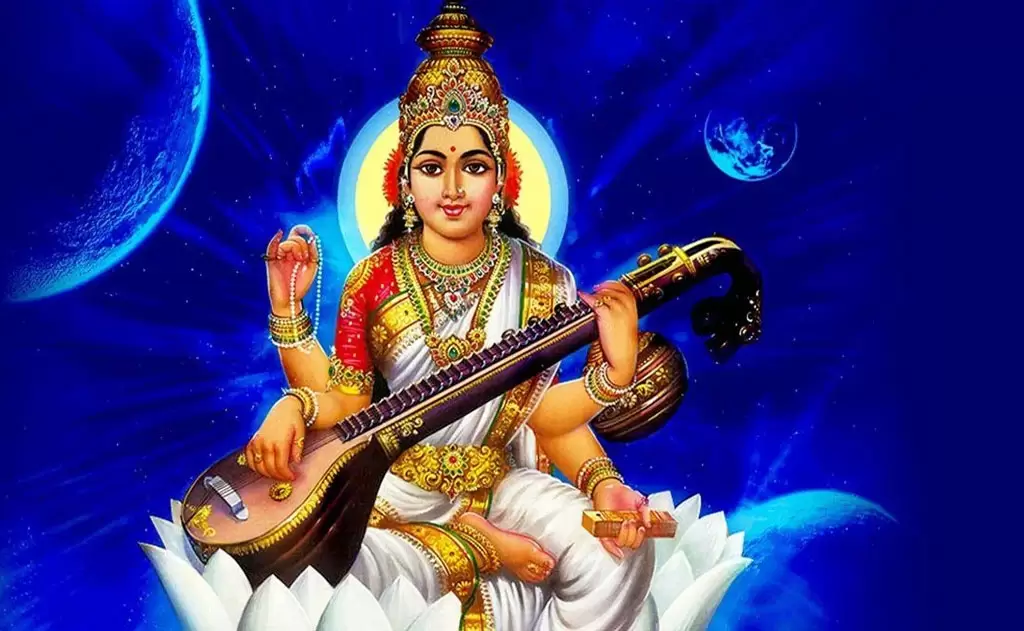
Other sacred rivers such as the Yamuna, associated with Lord Krishna, and the Saraswati, an invisible river linked to wisdom and knowledge, are also revered for their spiritual benefits. Pilgrimages to these rivers are undertaken as acts of devotion, where devotees seek spiritual cleansing and divine blessings.
Mountains: Pillars of Spiritual Ascent
Mountains in Hinduism are often seen as abodes of the gods, offering pathways to higher consciousness. The Himalayas, the tallest and most revered mountain range, are considered the dwelling place of Lord Shiva. Mount Kailash, in particular, is regarded as the center of the universe, where Shiva resides in eternal meditation. Pilgrimage to Kailash is considered one of the most sacred acts a devotee can perform, symbolizing a journey toward self-realization and spiritual awakening.
The mountain ranges of the Western Ghats and Vindhyas are also imbued with sacred energy, housing ancient temples and ashrams where sages and seekers have meditated for centuries. These mountains are not just physical structures; they represent the spiritual ascent that every individual must undertake to reach divine truth and enlightenment.
Nature as a Teacher
Both sacred rivers and mountains remind Hindus of the impermanence of life and the eternal cycle of creation, preservation, and destruction. Just as rivers flow continuously, carrying the energy of life, and mountains stand tall and steadfast, nature becomes a mirror to human life’s spiritual journey. These natural wonders inspire devotees to seek harmony with the earth, fostering a deep respect for the environment as an integral part of the divine creation.
Through their connection to sacred rivers and mountains, Hindus embrace a path of spiritual purification and transformation, recognizing the interconnectedness of all life. Nature, in its purest form, becomes a gateway to divine consciousness, teaching humility, devotion, and the importance of living in balance with the natural world.
Nature as a Spiritual Guide
Nature, in all its forms, teaches us humility and devotion. Just as rivers flow with a quiet strength and mountains stand in silent grace, we too can learn to live in harmony with the world around us. These sacred natural wonders are more than just places to visit—they are powerful teachers, offering lessons in patience, endurance, and balance.
In Hinduism, the connection to rivers and mountains is more than symbolic. It’s an invitation to see the divine in everything around us, to honor the earth as we honor the gods. Whether it’s the rush of water or the stillness of a mountain peak, these sacred sites remind us of the importance of grounding ourselves in the beauty and spirituality of the natural world.
Frequently Asked Questions
Why is the Ganga considered the holiest river in Hinduism?
The Ganga is personified as the goddess Ganga and is believed to flow from the locks of Lord Shiva. Bathing in its waters is believed to purify the soul, wash away sins and grant moksha.
Which rivers are considered sacred in Hindu tradition?
The Ganga, Yamuna, Saraswati and Narmada are among the most revered. The Yamuna is associated with Lord Krishna, and the Saraswati is an invisible river linked to wisdom and knowledge.
Why is Mount Kailash important to Hindus?
Mount Kailash is regarded as the center of the universe, where Lord Shiva resides in eternal meditation. Pilgrimage to Kailash is considered one of the most sacred acts, symbolizing a journey toward self-realization.
Why are mountains seen as abodes of the gods?
Mountains are seen as pathways to higher consciousness. The Himalayas are considered the dwelling place of Lord Shiva, while the Western Ghats and Vindhyas house ancient temples and ashrams where sages have meditated for centuries.
What do rivers and mountains teach about life in Hindu thought?
They remind Hindus of life's impermanence and the cycle of creation, preservation and destruction. Rivers flow continuously while mountains stand steadfast, teaching humility, patience, endurance and balance.
How can devotees show respect for nature in daily life?
Devotees are encouraged to seek harmony with the earth and honor it as they honor the gods. Pilgrimages to sacred rivers and mountains are undertaken as acts of devotion, seeking spiritual cleansing and blessings.
You might also like

108 Shakti Peethas: The Divine Geography of the Goddess — Complete Guide
Mandukya Upanishad: The Shortest Path to Liberation (Moksha) in Advaita Vedanta | HinduTone
Vasudhaiva Kutumbakam: Meaning, Maha Upanishad Origin, Sanskrit Shloka & Modern Relevance for Bharat