





Unity in Spirit: Exploring Hinduism, Buddhism, and Their Timeless Wisdom on Modern Challenges
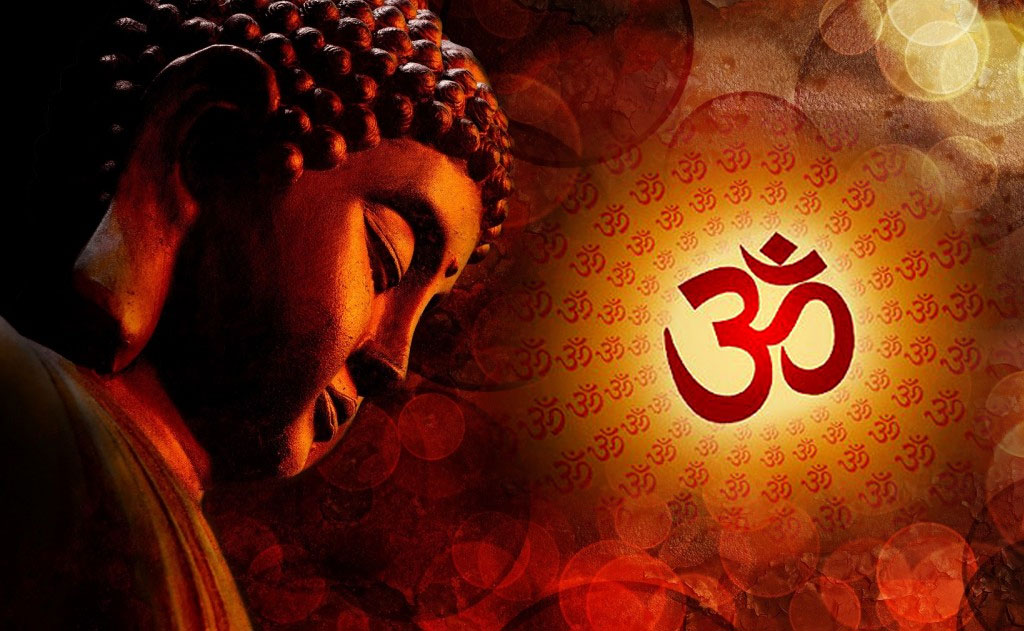
Hinduism and Buddhism, two of the world’s oldest spiritual traditions, share profound philosophies that guide millions toward inner peace and cosmic harmony. Rooted in the ancient soils of India, these traditions converge on concepts like karma, meditation, and divinity while offering timeless wisdom to address modern challenges such as artificial intelligence (AI), climate change, and equality. At Hindutone, we invite you to embark on a spiritual journey to uncover the shared essence of these faiths and explore how Hindu philosophy illuminates solutions for today’s pressing issues. Join us as we weave devotion, wisdom, and relevance into a narrative that inspires and uplifts.
Shared Spiritual Foundations: Hinduism and Buddhism
Hinduism and Buddhism, though distinct in their practices and scriptures, share a deep philosophical kinship that resonates with spiritual seekers worldwide. Let’s explore their common ground through three core concepts:
1. Karma: The Law of Cause and Effect
Both Hinduism and Buddhism view karma (action) as the universal law governing life’s outcomes. In Hinduism, the Bhagavad Gita teaches that every action—physical, mental, or emotional—creates consequences that shape one’s present and future lives. Similarly, Buddhism emphasizes karma as a force that drives the cycle of samsara (rebirth), influenced by intentional actions rooted in desire, aversion, or ignorance.
- Hindu Perspective: Karma is a divine mechanism overseen by cosmic order (dharma). Good deeds align with dharma, leading to spiritual growth, while selfish actions bind one to suffering.
- Buddhist Perspective: Karma operates without a divine overseer, focusing on mindful actions. The Dhammapada states, “Mind precedes all phenomena; mind is their chief, their maker.”
Both traditions encourage righteous actions to cultivate positive karma, fostering personal and societal harmony.
2. Meditation: The Path to Inner Awakening
Meditation is a cornerstone of both faiths, a sacred practice to transcend the ego and connect with the divine or ultimate reality.
- Hinduism: Meditation (dhyana) is integral to yoga, as outlined in Patanjali’s Yoga Sutras. It aims to unite the individual soul (atman) with the universal consciousness (Brahman). Techniques like mantra chanting (Om) and visualization deepen spiritual awareness.
- Buddhism: Meditation, such as Vipassana (insight) and Samatha (calm abiding), seeks to cultivate mindfulness and attain nirvana, liberation from suffering. The Buddha’s teachings emphasize observing the breath and mind to achieve enlightenment.
Both traditions view meditation as a transformative tool to purify the mind, overcome desires, and realize the interconnectedness of all life.
3. Divinity: The Sacred Essence
While their approaches differ, both Hinduism and Buddhism revere a transcendent reality beyond the material world.
- Hinduism: Divinity manifests as a pantheon of gods (e.g., Brahma, Vishnu, Shiva) and the all-encompassing Brahman, the ultimate reality. Devotees connect with the divine through rituals, bhakti (devotion), and self-realization.
- Buddhism: While non-theistic, Buddhism acknowledges divine beings (devas) and reveres the Buddha as an enlightened teacher. The concept of Buddha-nature suggests an inherent potential for enlightenment in all beings, akin to the Hindu atman.
Both traditions emphasize transcending the ego to align with a higher truth, whether through devotion to deities or the pursuit of enlightenment.
Hindu Philosophy and Modern Challenges
Hindu philosophy, with its emphasis on dharma (righteousness), ahimsa (non-violence), and interconnectedness, offers profound insights into contemporary issues. Let’s explore how it addresses AI, climate change, and equality with spiritual wisdom.
1. Artificial Intelligence (AI): Balancing Creation and Consciousness
The rise of AI raises ethical questions about creation, consciousness, and human responsibility. Hindu philosophy, rooted in texts like the Upanishads and Bhagavad Gita, views creation as an extension of divine consciousness (Brahman). AI, as a human creation, can be seen as a tool to enhance dharma—serving humanity through healthcare, education, or innovation—provided it aligns with ethical principles.
- Ethical Guidance: The concept of ahimsa urges developers to prioritize AI that promotes welfare, not harm. For instance, AI in healthcare aligns with the Hindu value of seva (selfless service).
- Consciousness and Responsibility: The Upanishads teach that true intelligence lies in self-awareness (atman). AI lacks consciousness, so humans must wield it responsibly, ensuring it doesn’t disrupt societal harmony or exploit vulnerabilities.
- Spiritual Reflection: Lord Krishna’s advice in the Gita to act without attachment to outcomes reminds us to use AI selflessly, avoiding ego-driven pursuits of power or profit.
By grounding AI development in dharma and ahimsa, Hindu philosophy ensures technology serves humanity’s higher purpose.
2. Climate Change: Restoring Harmony with Nature
Climate change threatens the planet, and Hindu philosophy offers a blueprint for environmental stewardship through reverence for nature. In Hinduism, the Earth is Bhumi Devi, a divine mother, and the five elements (Pancha Bhootas—Earth, Water, Fire, Air, Space) are sacred manifestations of Brahman.
- Interconnectedness: The Vedic principle of Vasudhaiva Kutumbakam (“the world is one family”) emphasizes humanity’s unity with nature. Deforestation or pollution violates dharma, disrupting cosmic balance.
- Ahimsa and Sustainability: Practicing non-violence extends to avoiding harm to ecosystems. The Yajurveda advocates sustainable living, urging minimal resource consumption.
- Practical Steps: Hindu rituals, like planting tulsi or offering water to the Sun (Surya Namaskar), foster gratitude for nature. Devotees can adopt eco-friendly practices, such as reducing waste or supporting conservation, as acts of devotion.
By embracing these principles, Hindus can lead global efforts to combat climate change, honoring the divine in every leaf and river.
3. Equality: Unity in Diversity
Hindu philosophy champions equality through the recognition of Brahman in all beings. The Rig Veda declares, “No one is superior, none inferior; all are brothers.” Yet, modern issues like caste, gender, or economic disparities challenge this ideal.
- Universal Divinity: The Upanishads teach that the atman (soul) in every individual is identical to Brahman. Discrimination based on caste, gender, or wealth contradicts this truth.
- Dharma and Justice: Lord Krishna in the Gita emphasizes performing one’s duty without prejudice. Social equality aligns with dharma, promoting fairness and inclusion.
- Practical Application: Hindu reform movements, inspired by saints like Swami Vivekananda, advocate education and empowerment for all. Devotees can support equality by uplifting marginalized communities through seva.
By embodying these values, Hindu philosophy fosters a society where every individual is respected as a spark of the divine.
Why Explore These Teachings with Hindutone?
At Hindutone, we are committed to guiding your spiritual journey with authentic resources and immersive experiences. Join our Spiritual Wisdom Program, offering online meditation sessions, guided tours to sacred Hindu and Buddhist sites, and expert-led discussions on applying ancient wisdom to modern life. Whether you seek inner peace or solutions to global challenges, our programs inspire transformation.
Book Now: Contact us at +91 9841862359 or visit www.hindutone.com to enroll in our Spiritual Wisdom Program starting at ₹3,000. Connect with the divine and shape a better future!
Conclusion
Hinduism and Buddhism, with their shared emphasis on karma, meditation, and divinity, offer timeless wisdom for navigating life’s complexities. Hindu philosophy, in particular, provides a spiritual lens to address modern challenges like AI, climate change, and equality, urging us to act with dharma, ahimsa, and unity. At Hindutone, we invite you to embrace these teachings, fostering personal growth and global harmony. Begin your journey today and let the divine wisdom of these traditions transform your life.
Related posts:
 Hindu Festivals as a Gateway to Spiritual Awareness
 The Role of Nature in Spiritual Growth: Insights from Sadhguru
 Hindu Gurus and the Fight Against Superstition: Dispelling Banamathi & Vashikaran Myths
 Why is Wednesday (Budhwar) Important in Hinduism?
 Divya Darshan of 108-ft Lord Hanuman Ji in Karol Bagh, New Delhi
 Do Hindus Worship Idols? The Symbolism Behind Murti Puja


 ︎
︎

