

Raksha Bandhan 2025: Exploring Unique Regional Celebrations Across India
Raksha Bandhan, the cherished Hindu festival celebrating the sacred bond between siblings, is a vibrant tapestry of traditions woven differently across India.
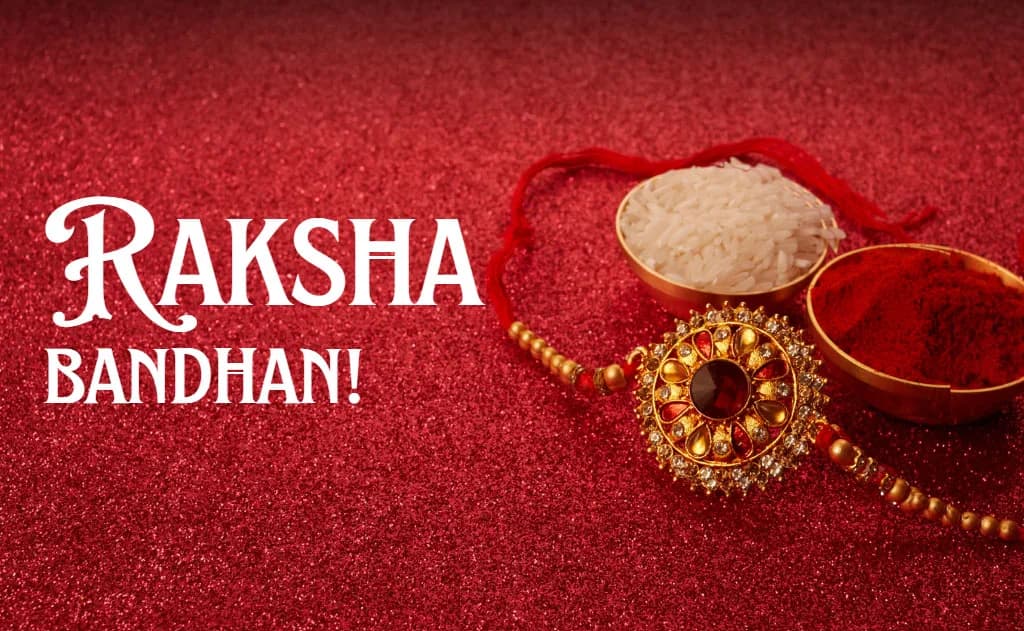
Raksha Bandhan, the cherished Hindu festival celebrating the sacred bond between siblings, is a vibrant tapestry of traditions woven differently across India.
Raksha Bandhan, the cherished Hindu festival celebrating the sacred bond between siblings, is a vibrant tapestry of traditions woven differently across India. Known as Rakhi, this festival transcends geographical boundaries, uniting families in love and devotion. From the colorful rituals of the North to the subtle yet heartfelt celebrations in the South, the spirited festivities in the East, and the diverse customs in the West, Raksha Bandhan showcases India’s cultural diversity. In this blog post, we delve into how Rakhi is celebrated across North, South, East, and West India, highlighting unique traditions and practices for a deeper spiritual connection. Join us on this devotional journey at HinduTone as we explore the essence of Raksha Bandhan 2025!
Raksha Bandhan in North India: A Grand Affair of Rituals and Festivity
In North India, Raksha Bandhan is celebrated with immense enthusiasm, particularly in states like Uttar Pradesh, Rajasthan, Punjab, and Haryana. The festival is marked by elaborate rituals and vibrant gatherings.
- Traditional Practices: Sisters tie a sacred thread, or Rakhi, on their brothers’ wrists, symbolizing protection and love. This is followed by applying a tilak (vermilion mark) on the brother’s forehead, performing an aarti (ritual of waving a lit lamp), and offering sweets like ladoo or barfi.
- Gift Exchange: Brothers reciprocate with gifts, ranging from jewelry and clothes to cash, reinforcing the promise of lifelong protection. In Rajasthan, sisters often receive traditional Bandhani dupattas or silver jewelry.
- Community Celebrations: In Punjab, families gather for grand feasts featuring dishes like chole bhature or paneer tikka. Markets buzz with colorful Rakhi stalls, offering intricately designed threads adorned with beads, sequins, and even gemstones.
- Spiritual Significance: The festival is deeply rooted in devotion, with families visiting temples to seek blessings from deities like Lord Krishna, who is believed to have inspired the tradition through his bond with Draupadi.
Unique Highlight: In Uttar Pradesh, the Bhaiya Dooj ritual is sometimes merged with Rakhi celebrations, where sisters pray for their brothers’ long lives, and brothers vow to protect them.
Raksha Bandhan in South India: Subtle Yet Soulful Celebrations
In South India, states like Tamil Nadu, Karnataka, Andhra Pradesh, and Kerala celebrate Raksha Bandhan with a quieter, more introspective approach, often blending it with local customs.
- Regional Names: Known as Avani Avittam in Tamil Nadu and parts of Kerala, the festival coincides with the sacred thread-changing ceremony for Brahmin men, emphasizing spiritual renewal. However, the sibling bond remains central.
- Rituals: Sisters tie simple yet meaningful Rakhis, often made of cotton threads or turmeric-dyed strings, on their brothers’ wrists. The ritual includes offering prasadam (sacred food) like payasam (rice pudding) or kesari.
- Cultural Integration: In Karnataka, Rakhi is celebrated alongside Nag Panchami, where families worship the snake deity for protection. The Rakhi ritual is often a private family affair, with minimal pomp but deep emotional resonance.
- Gift-Giving: Gifts are modest, often including traditional sweets, clothes like veshti (dhoti), or small tokens of affection. In Kerala, sisters may gift their brothers kasavu mundu (traditional attire).
- Devotional Touch: Families visit temples dedicated to Lord Vishnu or local deities, offering prayers for familial harmony and divine protection.
Unique Highlight: In Andhra Pradesh, some communities tie Rakhis not only to biological brothers but also to cousins or close male relatives, symbolizing a broader sense of family.
Raksha Bandhan in East India: A Blend of Tradition and Emotion
In East India, particularly in West Bengal, Odisha, and Assam, Raksha Bandhan is celebrated with a mix of traditional rituals and regional fervor, often intertwined with local festivals.
- Bengali Celebrations: In West Bengal, Rakhi is known as Rakhi Purnima and coincides with Jhulan Purnima, a festival dedicated to Lord Krishna and Radha. Sisters tie Rakhis and perform aarti, while families visit temples to swing deity idols on decorated jhulans (swings).
- Odisha’s Nuances: In Odisha, Rakhi is celebrated alongside Gamha Purnima, honoring Lord Balabhadra. Sisters tie Rakhis, and brothers gift traditional sweets like rasagola or chhena poda. The festival emphasizes familial unity and agricultural prosperity.
- Assam’s Simplicity: In Assam, Rakhi is a simpler affair, with sisters tying threads and offering pitha (rice cakes). The focus is on strengthening sibling bonds through heartfelt gestures rather than lavish celebrations.
- Spiritual Connection: Eastern celebrations often include recitations from scriptures like the Bhagavad Gita, with families seeking blessings for love and protection.
Unique Highlight: In West Bengal, some families tie Rakhis to trees or sacred objects, symbolizing environmental protection and spiritual interconnectedness.
Raksha Bandhan in West India: Vibrant and Diverse Traditions
In West India, states like Gujarat, Maharashtra, and Goa celebrate Raksha Bandhan with a blend of vibrancy, devotion, and regional diversity.
- Gujarati Grandeur: In Gujarat, Rakhi is celebrated with colorful threads adorned with mirrors or embroidery. Sisters prepare theplas or undhiyu for family feasts, and brothers gift patola sarees or gold jewelry. The festival often coincides with Narali Purnima, where fishermen offer coconuts to the sea for safety.
- Maharashtrian Traditions: In Maharashtra, Rakhi is celebrated as Rakhi Purnima, with sisters tying Rakhis and offering modak or puran poli. The festival is marked by family gatherings and visits to Lord Ganesha temples.
- Goan Celebrations: In Goa, Rakhi is a quieter affair, with simple thread-tying ceremonies and offerings of nevri (sweet dumplings). The focus is on familial love and devotion, often without the commercial flair seen elsewhere.
- Cultural Significance: Western celebrations emphasize community bonding, with neighborhoods organizing Rakhi fairs or cultural programs featuring devotional songs and dances.
Unique Highlight: In Gujarat, some communities tie Rakhis to Lord Krishna’s idol, seeking divine protection for their families.
Uniting India Through Raksha Bandhan’s Sacred Bond
While the rituals and customs of Raksha Bandhan vary across North, South, East, and West India, the festival’s core remains unchanged: the celebration of love, protection, and devotion between siblings. Whether it’s the grand feasts of the North, the soulful simplicity of the South, the emotional depth of the East, or the vibrant diversity of the West, Raksha Bandhan unites India in its shared values of family and faith.
At HinduTone, we invite you to embrace the spirit of Raksha Bandhan 2025 by exploring these regional traditions and strengthening your sibling bonds. Share your unique Rakhi stories with us in the comments, and let’s celebrate the festival’s divine essence together!
Frequently Asked Questions
What is Raksha Bandhan?
Raksha Bandhan, the cherished Hindu festival celebrating the sacred bond between siblings, is a vibrant tapestry of traditions woven differently across India. Known as Rakhi, this festival transcends geographical boundaries, uniting families in love and devotion.
What are the key points about Raksha Bandhan?
From the colorful rituals of the North to the subtle yet heartfelt celebrations in the South, the spirited festivities in the East, and the diverse customs in the West, Raksha Bandhan showcases India’s cultural diversity. In this blog post, we delve into how Rakhi is celebrated across North, South, East, and West India, highlighting uniqu
Why does Raksha Bandhan matter in Hinduism?
It reflects core values of Sanatana Dharma and offers practical and spiritual guidance that remains relevant across generations.
How can devotees apply Raksha Bandhan in daily life?
By reflecting on its teaching, incorporating the related practices or observances into daily routine, and approaching it with sincere devotion and understanding.
You might also like
June 2026 Hindu Festival Calendar — Complete Dates, Vrat & Puja Guide for NRIs
Shani Deva Temples Worldwide & Must-Performed Rituals — Complete Devotee's Guide
The Resolve of a Monk – A Divine Incident Showcasing Kanchi Paramacharya’s Compassion
