
Hindu Dietary Restrictions: A Complete Guide to Food Rules, Practices & TraditionsDietaryHindu Dietary Restrictions: A Complete Guide to Food Rules, Practices & Traditions
Table of Contents Introduction: Food as a Spiritual Practice in Hinduism The Philosophy Behind Hindu Dietary Restrictions Vegetarianism in Hinduism: The Ahimsa…
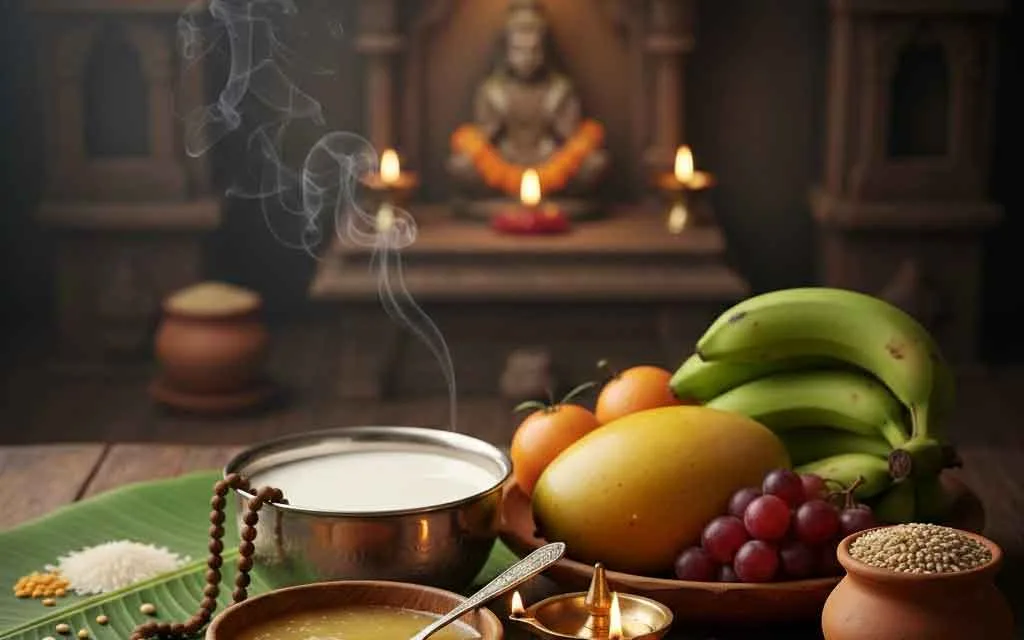
Table of Contents Introduction: Food as a Spiritual Practice in Hinduism The Philosophy Behind Hindu Dietary Restrictions Vegetarianism in Hinduism: The Ahimsa…
Table of Contents
- Introduction: Food as a Spiritual Practice in Hinduism
- The Philosophy Behind Hindu Dietary Restrictions
- Vegetarianism in Hinduism: The Ahimsa Connection
- The Three Gunas and the Sattvic Diet
- Foods Commonly Avoided by Hindus
- Hindu Fasting: Rules, Days & Permitted Foods
- Regional Variations in Hindu Dietary Practices
- Caste, Community & Dietary Differences
- Sacred and Forbidden Animals in Hinduism
- Modern Hinduism and Evolving Food Practices
- Tips for Cooking & Dining with Hindu Guests
- Frequently Asked Questions
- Conclusion
1. Introduction: Food as a Spiritual Practice in Hinduism {#introduction}
In Hinduism, food is far more than nourishment for the body — it is an act of worship, a spiritual discipline, and a reflection of one's relationship with the divine. The Sanskrit phrase "Annam Brahma" — meaning "Food is God" — captures this sacred connection perfectly. Every meal is considered an offering, and what one eats is believed to directly influence the mind, body, and soul.
Hindu dietary restrictions are not a single, monolithic rulebook. They vary by sect, caste, region, family tradition, and individual spiritual practice. However, certain core principles — particularly ahimsa (non-violence), the concept of purity, and the three gunas (qualities) — unite most Hindu food practices.
Whether you are a Hindu seeking deeper understanding, a researcher, or someone dining with Hindu friends or colleagues, this comprehensive guide covers everything you need to know about Hindu dietary restrictions.
2. The Philosophy Behind Hindu Dietary Restrictions {#philosophy}
Ahimsa: Non-Violence as a Dietary Principle
The most foundational principle governing Hindu food choices is ahimsa — non-violence or non-harm. Rooted in ancient Vedic and Upanishadic thought and later emphasized by texts like the Manusmriti and the Bhagavad Gita, ahimsa teaches that causing unnecessary suffering to any living being creates negative karma and disturbs the spiritual path.
This principle is why a large proportion of Hindus choose vegetarianism: killing animals for food is seen as a form of violence that accumulates karma and hinders spiritual progress.
Purity: Shuddha and Ashuddha
Hindu dietary thought distinguishes between shuddha (pure) and ashuddha (impure) foods. Purity is not just about cleanliness — it encompasses:
- The nature of the food itself (plant vs. animal-based)
- How and by whom the food was prepared
- The mental state of the cook at the time of preparation
- The circumstances under which it is consumed
Food prepared with love and devotion (bhakti) is considered more spiritually nourishing than food prepared with anger, greed, or distraction.
Karma and Rebirth
Hindu theology teaches that the soul undergoes countless rebirths (samsara) based on accumulated karma. Eating meat — especially beef — is believed by many Hindus to generate negative karma, creating obstacles on the path to moksha (liberation). This belief provides a spiritual incentive for vegetarianism beyond ethical concerns.
3. Vegetarianism in Hinduism: The Ahimsa Connection {#vegetarianism}
How Many Hindus Are Vegetarian?
Hinduism is one of the world's leading traditions promoting vegetarianism. According to surveys, approximately 20–40% of Hindus in India are strictly vegetarian, with higher rates among certain communities such as Brahmins, Vaishnavas, and Jains who practice Hinduism. The rest may consume meat in moderation, with particular animals, cuts, or occasions excluded.
Why Vegetarianism Is Encouraged
Vegetarianism in Hinduism is encouraged for multiple interconnected reasons:
- Spiritual: Meat is associated with tamas (darkness and inertia), which clouds the mind and impedes meditation and spiritual growth.
- Ethical: Killing animals violates ahimsa and generates negative karma.
- Health: Ancient Ayurvedic texts advocate plant-based diets for longevity and mental clarity.
- Religious: Many deity-worship traditions (especially Vaishnavism) require vegetarian food offerings (prasad).
Lacto-Vegetarianism: The Most Common Form
Most vegetarian Hindus practice lacto-vegetarianism — they avoid meat, poultry, and fish but consume dairy products such as milk, yogurt (dahi), ghee (clarified butter), and paneer (fresh cheese). Dairy, especially cow's milk, holds a sacred status in Hinduism.
Eggs occupy a gray area: many Hindus avoid them as they are considered a form of animal product, while others consume unfertilized eggs without concern.
4. The Three Gunas and the Sattvic Diet {#sattvic-diet}
One of the most sophisticated aspects of Hindu dietary thought is the classification of foods according to the three gunas (qualities or energies) described in Samkhya philosophy and elaborated in the Bhagavad Gita (Chapter 17).
Sattvic Foods (Pure, Harmonious)
Sattvic foods are believed to promote clarity, peace, compassion, and spiritual awareness. They are the preferred diet for those on a spiritual or yogic path.
Sattvic foods include:
- Fresh fruits and vegetables
- Whole grains (rice, wheat, oats)
- Legumes and lentils
- Nuts and seeds
- Dairy products (milk, ghee, butter, yogurt)
- Natural sweeteners (honey, jaggery)
- Mild herbs and spices (turmeric, coriander, cardamom)
- Fresh water
Rajasic Foods (Stimulating, Passionate)
Rajasic foods are believed to increase activity, ambition, and passion — helpful for warriors and leaders but potentially destabilizing for spiritual practice if consumed in excess.
Rajasic foods include:
- Onion and garlic (commonly avoided by strict vegetarians and during worship)
- Spicy and heavily seasoned foods
- Coffee and tea
- Fried foods
- Meat (in moderation, for non-vegetarians)
- Excess salt
Tamasic Foods (Dull, Inert)
Tamasic foods are thought to produce lethargy, confusion, anger, and spiritual ignorance. Most Hindu texts recommend avoiding or minimizing them.
Tamasic foods include:
- Meat, especially beef and pork
- Alcohol
- Stale, reheated, or leftover food
- Overripe or rotten foods
- Processed and packaged foods
- Mushrooms (according to some traditions)
- Foods consumed after midnight
"Foods that are bitter, sour, salty, very hot, pungent, dry, and burning are liked by the rajasic and cause pain, grief, and disease." — Bhagavad Gita 17:9
5. Foods Commonly Avoided by Hindus {#foods-avoided}
While restrictions vary widely, the following foods are commonly avoided across many Hindu communities:
Beef: The Most Universal Restriction
The cow (go) holds a uniquely sacred place in Hinduism. Cows are associated with Lord Krishna, abundance, motherhood, and Kamadhenu (the divine wish-fulfilling cow). The cow provides milk, which nourishes both humans and the gods in ritual offerings.
Eating beef is considered deeply offensive and spiritually harmful by the vast majority of Hindus, regardless of whether they are vegetarian or not. This is the most widely observed dietary restriction in Hinduism.
Pork
Pork is avoided by many Hindus, though this restriction is less universal than beef avoidance. The pig is considered an impure animal in several Hindu traditions. Some communities — particularly in Northeast India and certain tribal Hindu groups — do consume pork.
Onion and Garlic
Often surprising to non-Hindus, onion and garlic are avoided by many devout Hindus, particularly:
- Brahmins and priests
- Vaishnavas (devotees of Vishnu/Krishna)
- Those following a strictly sattvic diet
- Individuals observing fasts or preparing temple offerings
Onion and garlic are classified as rajasic and tamasic — they are believed to stimulate base desires, increase anger and passion, and cloud spiritual perception.
Alcohol
Alcohol is widely discouraged in Hindu practice, particularly among devout practitioners. It is considered a tamasic substance that clouds the mind and inhibits spiritual awareness. Many Hindu festivals and holy days involve complete abstinence from alcohol.
Meat in General (for Vegetarians)
Strictly vegetarian Hindus avoid all flesh foods, including fish and poultry. Some traditions — particularly those influenced by Jainism — also avoid root vegetables (potatoes, carrots, beets) that are believed to harm microorganisms living in the soil when harvested.
6. Hindu Fasting: Rules, Days & Permitted Foods {#fasting}
Fasting (upavasa, meaning "staying near God") is a central spiritual practice in Hinduism. It is observed to express devotion, purify the body and mind, and seek divine blessings.
Common Hindu Fasting Days
What Can Be Eaten During Hindu Fasts?
Foods commonly permitted during Hindu fasts include:
- Fruits of all kinds
- Milk and dairy (yogurt, paneer, ghee)
- Nuts and seeds
- Sendha namak (rock salt) — regular table salt is often avoided
- Sabudana (tapioca pearls)
- Singhara (water chestnut) flour
- Kuttu (buckwheat) flour
- Potatoes and sweet potatoes
Grains like wheat, rice, and lentils are generally avoided on stricter fasting days.
7. Regional Variations in Hindu Dietary Practices {#regional-variations}
Hinduism's vast geographic spread across India and South Asia means dietary practices differ significantly by region.
North India
North Indian Hindus are generally more vegetarian, particularly in states like Rajasthan, Gujarat, and Uttar Pradesh. Dairy is central to the diet. Many communities strictly avoid beef and pork. Onion and garlic may be used in daily cooking but are avoided during festivals and fasting.
South India
South India shows more diversity. Tamil, Telugu, and Kannada Brahmin communities are predominantly vegetarian. However, coastal communities in Kerala, Karnataka, and Tamil Nadu commonly consume fish and seafood, viewing them as acceptable due to local tradition and the abundance of marine life.
Bengal and Eastern India
Bengali Hindus commonly consume fish, which holds a quasi-sacred status in Bengali culture. The phrase "Maache Bhaate Bangali" (fish and rice make a Bengali) reflects this cultural norm. Beef is still avoided.
Maharashtra and Central India
Maharashtrian Brahmins tend to be strict vegetarians, while Maratha and other communities commonly eat mutton and chicken. Beef is universally avoided.
Northeast India
Several Hindu communities in Assam, Meghalaya, and Manipur consume pork, beef in some areas, and a wide variety of meats — reflecting the influence of tribal traditions alongside Hindu practice.
Goa
Goan Hindu communities, particularly the GSB (Goud Saraswat Brahmin) community, traditionally consume fish as part of their regular diet, distinguishing themselves from many other Brahmin groups.
8. Caste, Community & Dietary Differences {#caste-community}
Caste has historically played a significant role in shaping Hindu dietary practices.
Brahmin Communities
Brahmins — the priestly class — are most commonly associated with strict vegetarianism. Many Brahmin sub-communities additionally avoid onion, garlic, and root vegetables. Their dietary restrictions are linked to ritual purity requirements, as Brahmins traditionally performed religious ceremonies and prepared temple offerings.
Kshatriya Communities
Kshatriyas (the warrior class) have historically consumed meat, particularly game animals, as hunting was associated with martial training and kingly duty. Beef remains forbidden, but mutton, goat, and poultry are not uncommon.
Vaishya Communities
Vaishya communities (traders and merchants) show wide variation. Marwari and Gujarati Vaishyas tend toward strict vegetarianism (influenced by Jainism), while others in the community may consume meat.
Shudra and Other Communities
Shudra communities and those classified as Other Backward Classes (OBCs) display the greatest dietary diversity, with meat consumption being common in many groups.
Vaishnava Traditions
Vaishnavas (devotees of Vishnu and his avatars, including Krishna and Rama) across all castes tend to practice strict vegetarianism and additionally avoid onion, garlic, and alcohol. ISKCON (the Hare Krishna movement) follows this tradition globally.
Shaiva Traditions
Shaivas (devotees of Shiva) are generally more flexible, with many communities consuming meat, particularly on occasions associated with Shiva worship such as Mahashivaratri.
9. Sacred and Forbidden Animals in Hinduism {#sacred-animals}
The Sacred Cow
No animal is more sacred in Hinduism than the cow. Cows appear throughout Hindu scripture, mythology, and ritual. The divine cow Kamadhenu is described as the mother of all cows, capable of granting any wish. Lord Krishna is depicted as a cowherd (Govinda), and the cow's five products — milk, curd, ghee, urine, and dung — are used in purification rituals (panchagavya).
Killing a cow is considered an act of grave sin (maha-papa) in most Hindu traditions.
Other Sacred Animals
- Elephant — associated with Ganesha
- Peacock — associated with Kartikeya (Murugan)
- Monkey — associated with Hanuman
- Serpent (Naga) — associated with Shiva and Vishnu
- Bull (Nandi) — Shiva's vehicle
These animals are protected and revered but not necessarily subject to dietary prohibition in all communities.
10. Modern Hinduism and Evolving Food Practices {#modern-hinduism}
Like all living traditions, Hindu dietary practices continue to evolve in the modern world.
Urbanization and Globalization
Young, urban Hindus often adopt more flexible dietary practices, influenced by Western food culture, health trends, and exposure to diverse cuisines. Many consume chicken and seafood while still abstaining from beef.
The Plant-Based Movement
The global rise of veganism has found resonance with many young Hindus who see plant-based eating as an expression of ahimsa aligned with contemporary environmental ethics.
Diaspora Hinduism
In the Indian diaspora (USA, UK, Canada, Australia, etc.), Hindus navigate dietary restrictions within food environments that were not designed with their traditions in mind. Many diaspora Hindus maintain beef avoidance as a minimum standard while relaxing other restrictions for practical reasons.
Health-Conscious Sattvic Eating
Interest in Ayurveda and yoga globally has driven renewed interest in the sattvic diet, now marketed to non-Hindu wellness seekers as a clean, plant-based approach to eating.
11. Tips for Cooking & Dining with Hindu Guests {#tips}
If you are hosting Hindu guests or colleagues, here are practical guidelines:
- Always ask first. Hindu dietary practices are highly individual. Never assume.
- Offer vegetarian options as a safe default. Most practicing Hindus will be comfortable with vegetarian food.
- Avoid beef entirely when hosting Hindus. This is the most universally observed restriction.
- Label dishes clearly, especially in buffet settings — indicate if a dish contains meat, eggs, onion, or garlic.
- Use separate utensils and cookware for vegetarian preparations; cross-contamination matters to devout practitioners.
- Avoid alcohol at religious gatherings or festivals.
- Be aware of fasting days — your Hindu guest may be observing a fast and unable to eat certain foods on a given day.
- Sattvic cooking tip: Substitute onion and garlic with asafoetida (hing), cumin, and ginger for flavor without violating sattvic principles.
12. Frequently Asked Questions {#faq}
Q: Do all Hindus have to be vegetarian? No. Vegetarianism is highly encouraged but not universally mandated in Hinduism. Dietary practices vary widely by region, caste, family tradition, and personal devotion. Many Hindus eat meat while still observing restrictions on beef and certain other foods.
Q: Can Hindus eat eggs? This varies. Strictly vegetarian Hindus and those following a sattvic diet avoid eggs. Others consider unfertilized eggs acceptable. When in doubt, ask the individual.
Q: Why do some Hindus avoid onion and garlic? Onion and garlic are classified as rajasic and tamasic foods — believed to stimulate base desires and cloud mental clarity. Many Vaishnavas, Brahmins, and those on a spiritual path avoid them, especially during fasting or worship.
Q: Can Hindus eat fish and seafood? Many Hindus — particularly in coastal regions (Kerala, Bengal, Goa) — eat fish and seafood as part of their traditional diet. Others, especially strict vegetarians, avoid all seafood.
Q: Is there a Hindu equivalent of halal or kosher certification? There is no single globally standardized Hindu food certification, but the Jhatka method (a swift, single stroke slaughter) is used by some meat-eating Hindus. Many Hindus look for vegetarian symbols on packaging.
Q: What is Ekadashi fasting and why is it important? Ekadashi falls on the 11th day of each lunar fortnight (twice a month). It is dedicated to Lord Vishnu and is considered a powerful day for spiritual practice. Devotees fast from grains and beans, consuming only fruits, dairy, and allowed fasting foods.
Q: Can Hindus eat at non-vegetarian restaurants? Many Hindus dine at non-vegetarian restaurants while personally ordering vegetarian dishes. Strictly observant Hindus may prefer certified vegetarian or Jain restaurants to ensure no cross-contamination.
Q: What is prasad and are there dietary rules around it? Prasad is food offered to a deity and then distributed to devotees. It is always vegetarian (and usually prepared without onion and garlic) as it must be pure enough to be offered to God. Accepting and consuming prasad is considered an act of devotion.
13. Conclusion {#conclusion}
Hindu dietary restrictions are a rich, complex, and deeply meaningful system of practices rooted in spiritual philosophy, ethical values, and centuries of tradition. Rather than viewing them as limitations, Hinduism presents its dietary guidelines as a pathway to physical health, mental clarity, ethical living, and spiritual advancement.
From the ahimsa-inspired vegetarianism of a Vaishnava devotee in Vrindavan to the fish-eating traditions of a Bengali Hindu family, the diversity within Hindu food culture reflects the tradition's extraordinary breadth and adaptability.
Whether you are deepening your own practice, cooking for Hindu guests, or simply seeking to understand one of the world's oldest living traditions, appreciating these dietary principles opens a window into the profound relationship Hinduism cultivates between the food on our plates and the life of the spirit.
Tags: Hindu dietary restrictions, Hindu vegetarianism, sattvic diet, ahimsa, Hindu fasting, forbidden foods in Hinduism, Brahmin diet, what Hindus eat, Hindu food culture, Hindu food rules, Indian vegetarianism, Ekadashi fast, cow in Hinduism, Hindu traditions
Related Articles on HinduTone:
- The Sattvic Diet: A Complete Ayurvedic Guide to Eating for Spiritual Growth
- Navratri Fasting Rules: What to Eat and What to Avoid
- Sacred Animals in Hinduism and Why They Matter
- Ahimsa in Daily Life: How Non-Violence Shapes Hindu Living
- Hindu Festivals and Their Special Food Traditions
Published on HinduTone.com — Your trusted source for Hindu culture, spirituality, and lifestyle. © HinduTone | www.hindutone.com
You might also like

Purushottam Maas 2026: Lord Vishnu's Sacred Gift of Spiritual Multiplication & Divine Grace

Shani Jayanti 2026: Date, Significance, Rituals & Powerful Mantras
Hindu Priest Jobs New Zealand 2026 — Auckland, Wellington, Christchurch Vacancies & NZ Religious Worker Visa Guide