
Garba and Dandiya
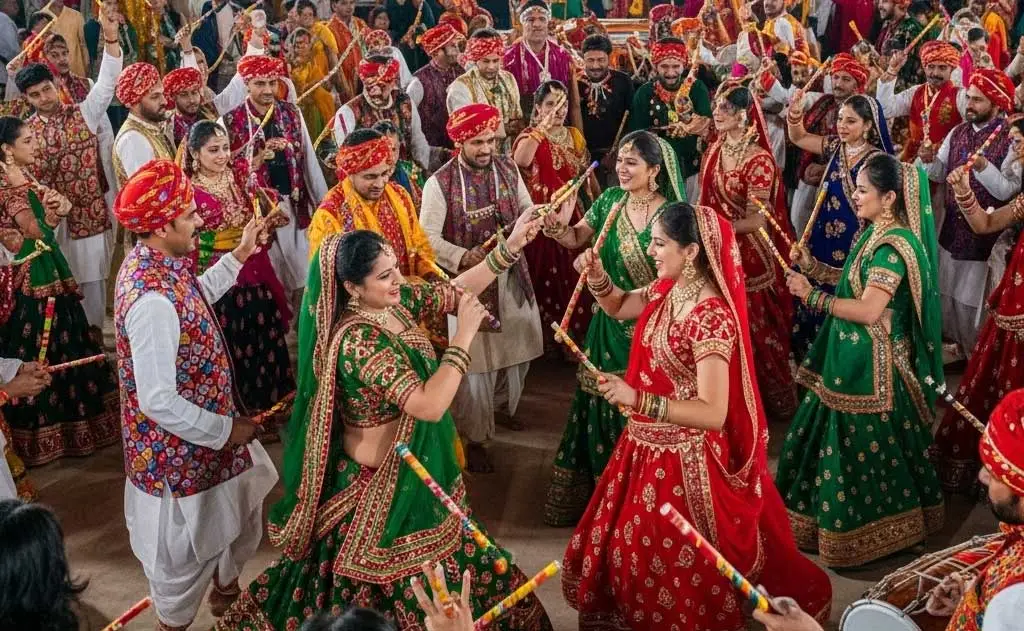
Garba and Dandiya Raas are the circle dances of Navratri, born in Gujarat and now celebrated wherever Gujarati and wider Hindu communities live. Garba is traditionally danced around a lamp or an image of the Goddess, the circle itself understood as a symbol of the cycle of life with the Devi at its centre. Dandiya, played with pairs of decorated sticks, is often linked with the playful spirit of Krishna and the gopis.
For many families these nights are as much about devotion and community as about dance. Aarti to Amba Maa usually opens and closes the evening, and generations dance side by side in chaniya choli and kediyu.
Here you will find HinduTone articles on the meaning of Garba, basic steps and songs, traditional attire, and guides to Garba nights in cities across the USA and beyond. Related reading includes Navratri, Gujarat and Dussehra.
Latest Articles
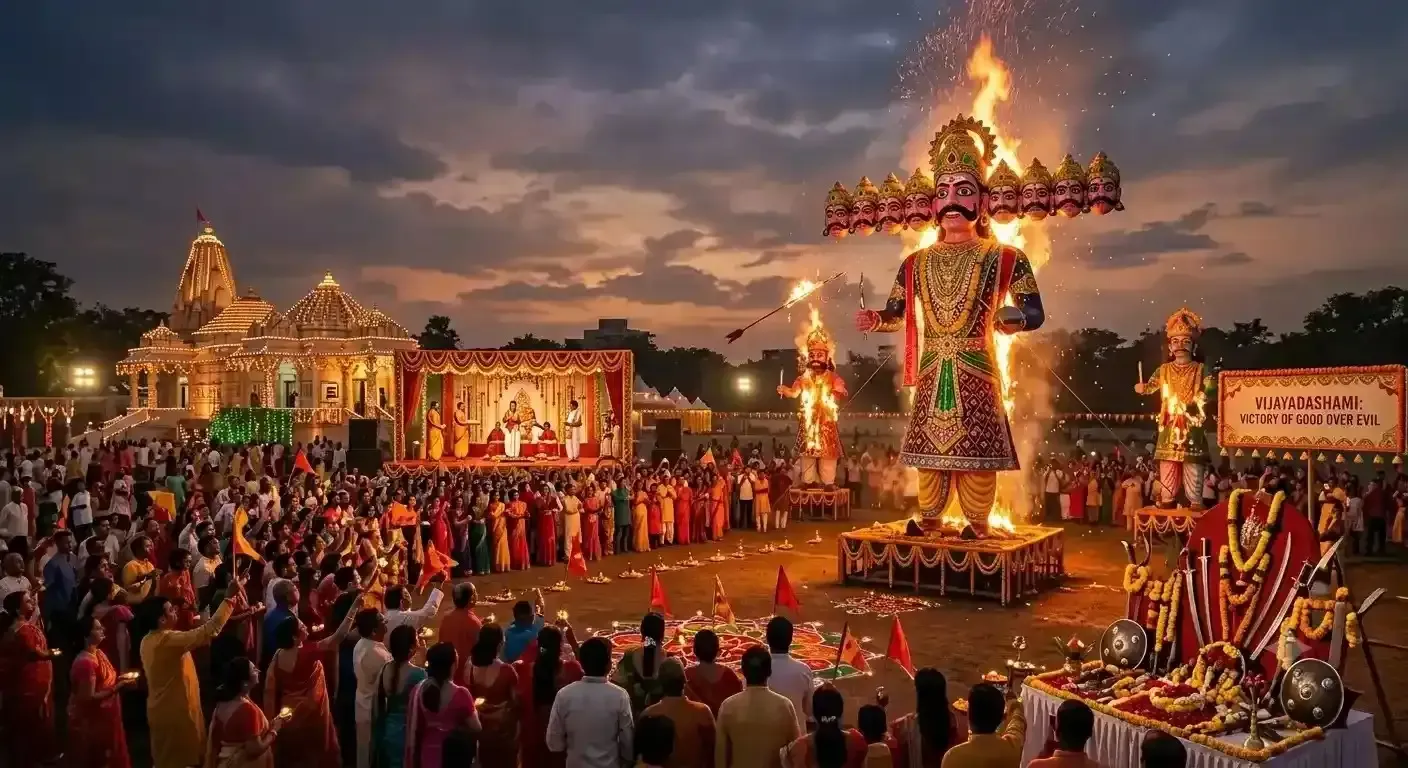
Dussehra 2026 in Gujarat, District by District: Navratri garba and Dussehra
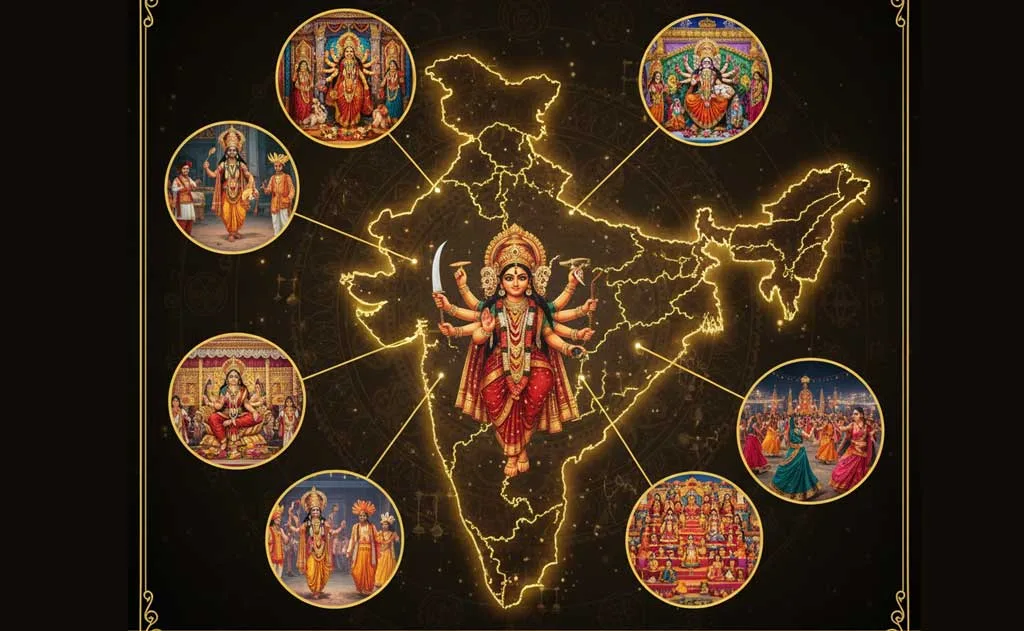
How Indians Celebrate Navratri: Regional Traditions, Garba, Durga Puja, Golu, Bathukamma and Dussehra
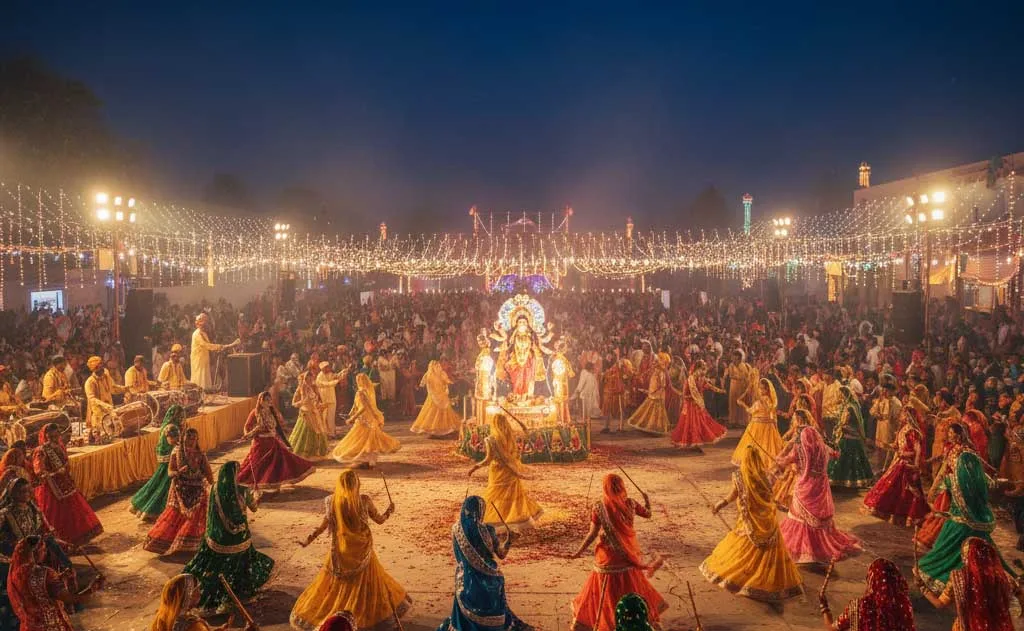
Garba Safety Guide 2026: Venue Checks, Women's Safety, Kids, Crowds and Helplines for Navratri Nights
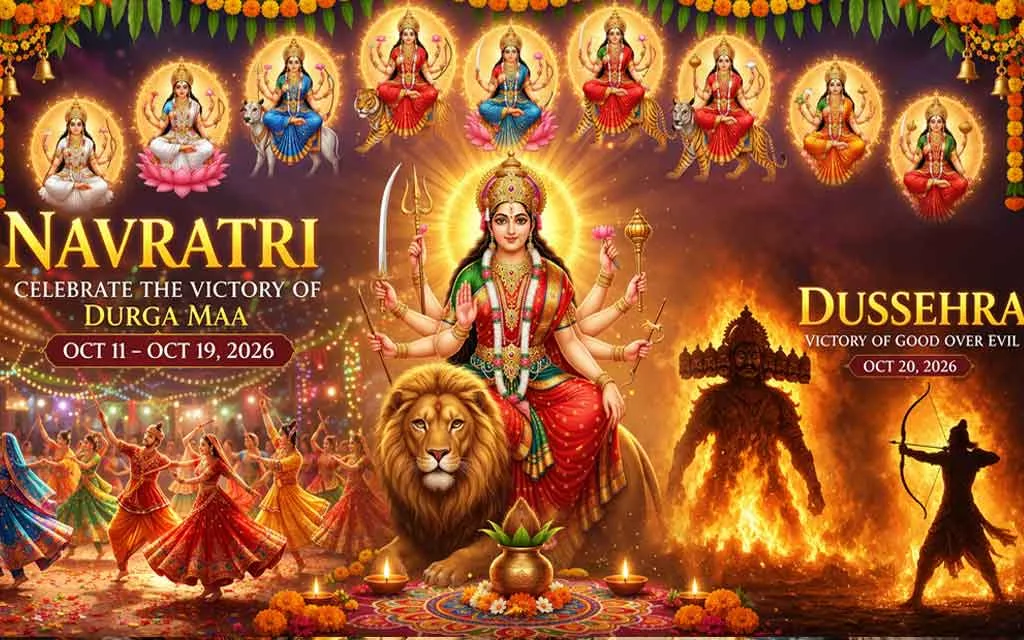
Garba Playlist for Dubai & UAE Hindus 2026: Multi-Language Navratri Songs for Dubai, Abu Dhabi & Sharjah
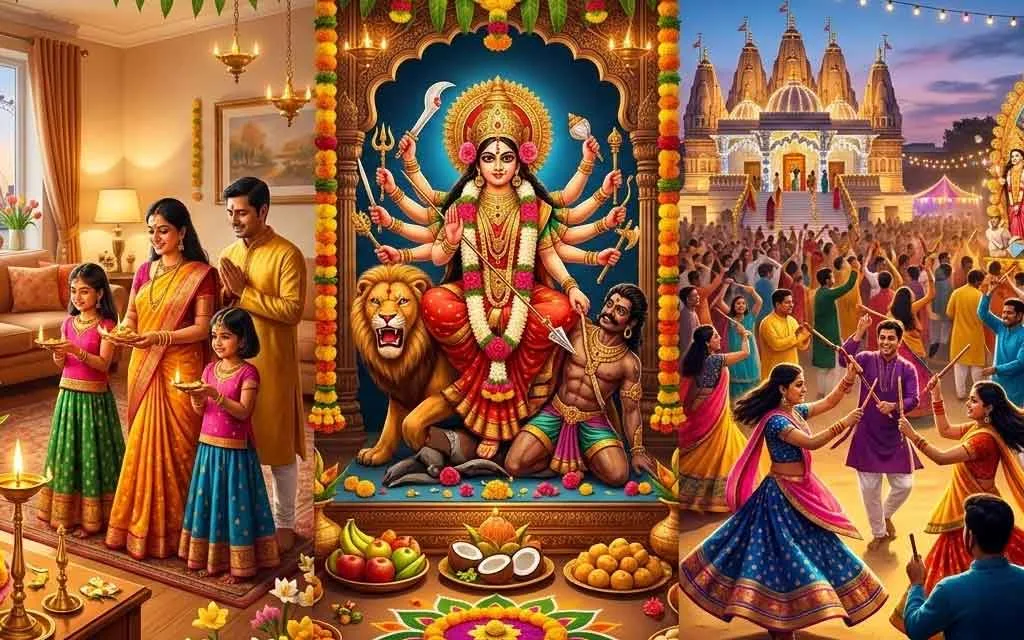
Garba Playlist for UK Hindus 2026: Multi-Language Navratri Songs for London, Leicester & Beyond
Garba Playlist for Australia Hindus 2026: Multi-Language Navratri Songs for Sydney, Melbourne & Beyond
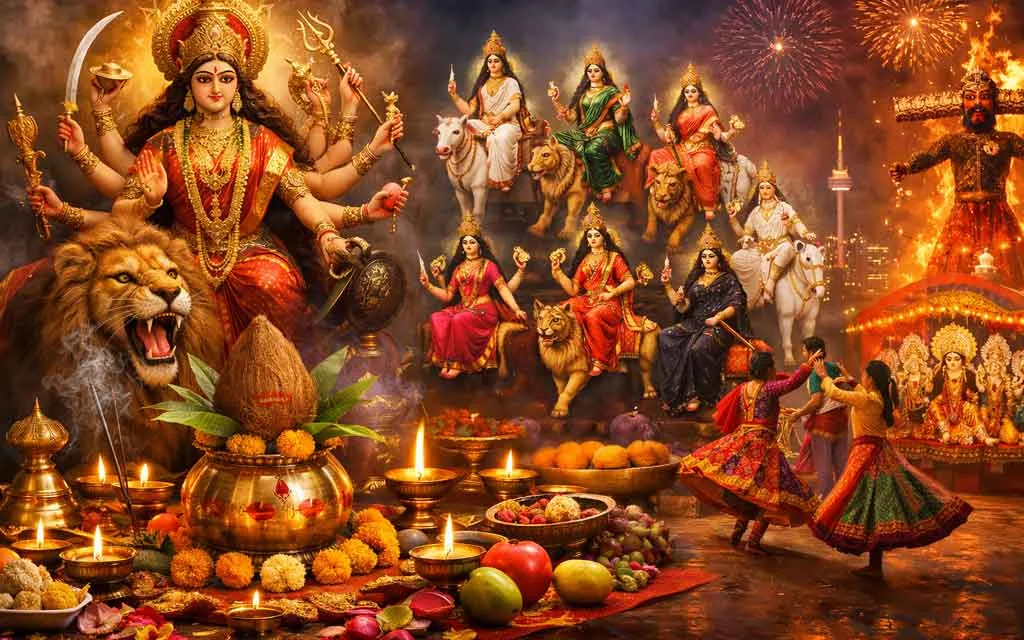
Garba Playlist for Canada Hindus 2026: Multi-Language Navratri Songs for Toronto, Vancouver & Beyond
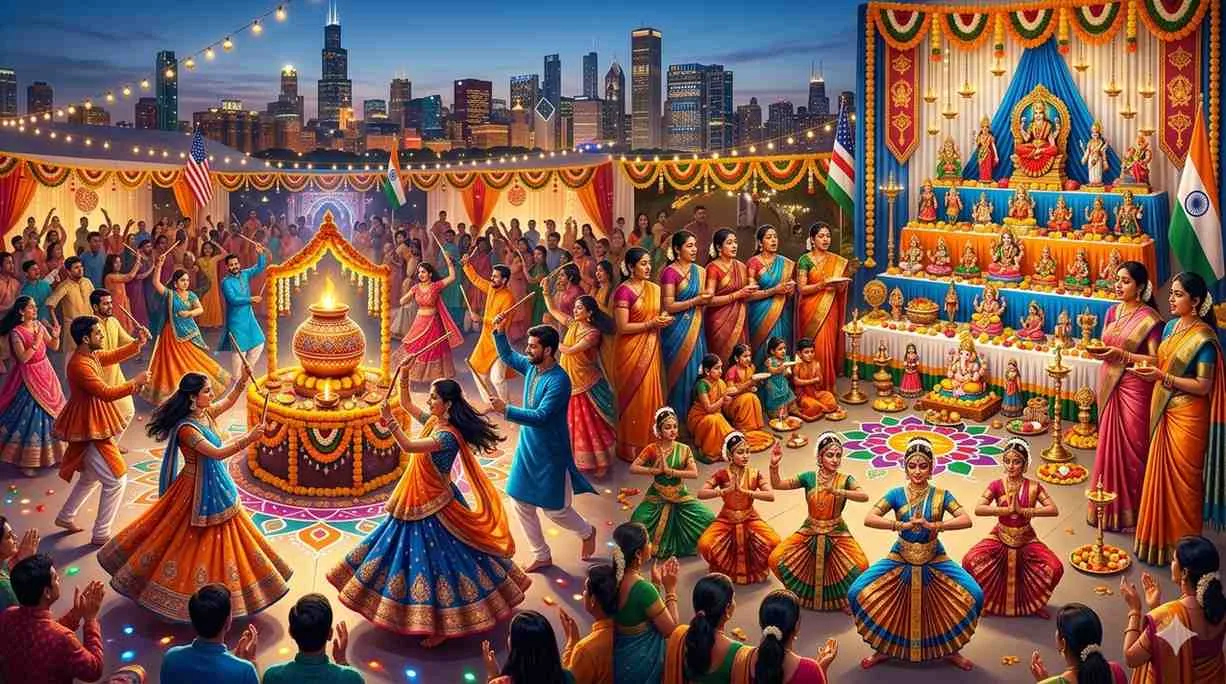
Garba Playlist for USA Hindus 2026: Multi-Language Navratri Songs for Community Garba Nights
Top 20 Bollywood Garba & Dandiya Songs 2026: Trending Navratri Playlist
Top Gujarati Garba Songs 2026: Complete Gujarat Garba Playlist (Traditional, Falguni, Non-Stop)
Navratri 2026 Ahmedabad: Garba Permission and the Police Commissioner's 44 Rules
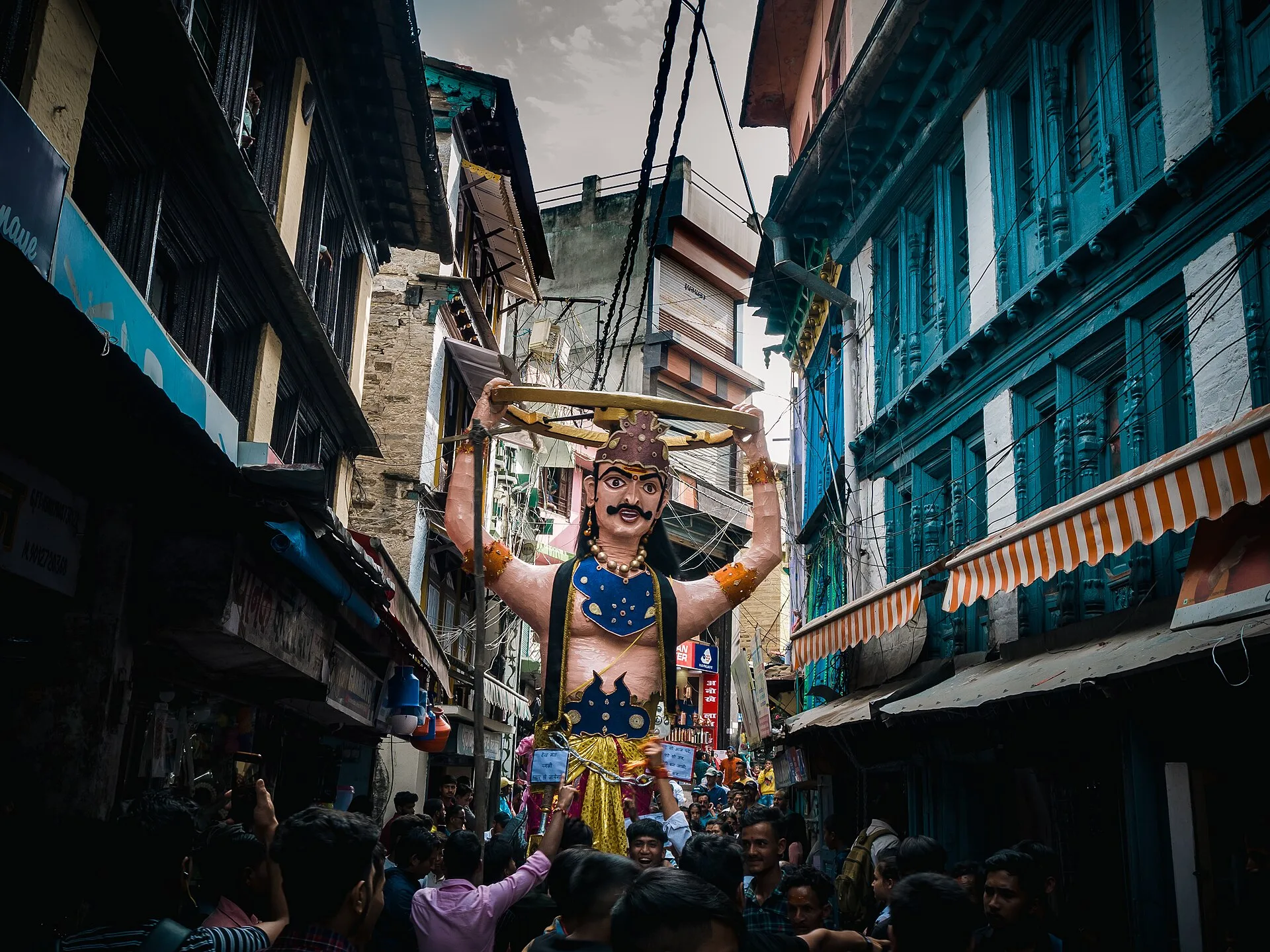
Hindu Festival News, October 2026: Kullu Dussehra, Bastar, Delhi Ramlila, Gujarat Garba, Bathukamma, Chhath and Ayodhya Deepotsav
Garba 2026 Worldwide: Navratri Garba and Dandiya Events in the USA, UK, Canada, Australia, Europe, Singapore and India
Garba 2026 Bengaluru: Navratri Garba and Dandiya Events in Bangalore
Garba 2026 Hyderabad: Navratri Garba and Dandiya Events in Hyderabad
Garba 2026 Delhi NCR: Navratri Garba and Dandiya Events in Delhi, Gurugram, Noida, Ghaziabad and Faridabad
Garba 2026 Vadodara (Baroda): Navratri Garba Events, Plus Surat and Rajkot
Garba 2026 Ahmedabad and Gandhinagar: Navratri Garba Events and Grounds
Garba and Navratri 2026 in India: State-wise and City-wise Guide
Garba 2026 Chicago: Navratri Garba and Dandiya Events in Chicagoland and the Suburbs
Garba 2026 Texas: Navratri Garba and Dandiya Events in Dallas-Fort Worth, Houston and Austin
Garba 2026 Bay Area: Navratri Garba and Dandiya Events in San Jose, Fremont, Newark, Sunnyvale and Beyond
Garba 2026 USA: Navratri Garba and Dandiya Events State by State
Garba 2026 Leicester: Navratri Garba and Dandiya Events in Leicester
FAQs
What is Garba and Dandiya?
Garba and Dandiya Raas are traditional folk dances of Gujarat performed during Navratri. Garba is danced in circles around a lamp or image of the Goddess, honouring Shakti as the source of life. Dandiya Raas uses pairs of decorated sticks and is linked with the playful raas of Krishna.
When are Garba nights held?
Garba is danced on the nine nights of Sharad Navratri, which begins on Ashvin Shukla Pratipada, usually in September or October. Community and temple events often run each evening through Navratri. Exact dates vary yearly, so check the panchang and your local organisers.
What is the difference between Garba and Dandiya?
Garba is danced with hand claps and graceful turns in a circle, traditionally around a garbo, an earthen lamp-pot. Dandiya Raas is danced in pairs or lines striking colourful sticks to the rhythm. Many events begin with devotional Garba and later move into Dandiya.
Is there a puja before Garba?
Yes, traditionally. Garba begins with the Goddess's aarti and a lit lamp or garbo placed at the centre of the circle, reminding dancers that the celebration is an offering to Amba. Many families also perform Navratri ghatasthapana and daily puja at home.