
Spiritual Blessings for Swati Nakshatra Natives at Sri Dhatheeswarar Temple, Chithukadu
In the heart of Tamil Nadu, just a short drive from the bustling city of Chennai, lies the serene village of Chithukadu, home to a powerful and spiritually…
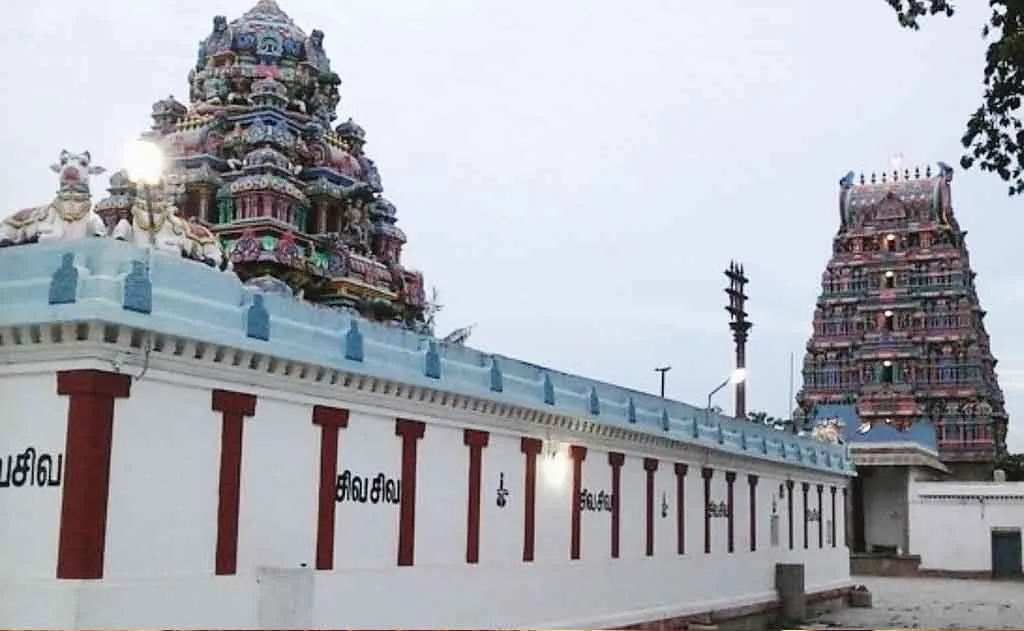
In the heart of Tamil Nadu, just a short drive from the bustling city of Chennai, lies the serene village of Chithukadu, home to a powerful and spiritually…
In the heart of Tamil Nadu, just a short drive from the bustling city of Chennai, lies the serene village of Chithukadu, home to a powerful and spiritually vibrant shrine – Sri Dhatheeswarar Temple. Revered by locals and spiritually inclined visitors alike, this sacred Shiva temple holds a special place in the hearts of those born under the Swati Nakshatra.
Swati Nakshatra – The Wind That Seeks Balance
Swati Nakshatra, ruled by Rahu, symbolizes a delicate shoot swaying in the wind — reflecting themes of flexibility, independence, and movement. However, the shadowy and karmic influence of Rahu can sometimes lead Swati-born individuals into phases of confusion, instability, and spiritual testing.
While Swati natives are naturally adaptable and intellectually inclined, they may often find themselves seeking clarity, purpose, and peace amidst internal restlessness. This is where Sri Dhatheeswarar Temple becomes a spiritual sanctuary of immense significance.
Why Sri Dhatheeswarar Temple Is Sacred for Swati Nakshatra Natives
This ancient temple, dedicated to Lord Shiva as Sri Dhatheeswarar, is said to radiate strong cosmic vibrations that align with the energies of those born under Swati Nakshatra. Worship here is believed to directly counteract Rahu’s negative influences, offering spiritual clarity and karmic healing.
Spiritual Benefits of Visiting Sri Dhatheeswarar Temple:
- Neutralizes Rahu Dosha and pacifies negative planetary effects
- Enhances mental clarity and inner peace during Rahu Dasha
- Supports spiritual growth and helps with karmic cleansing
- Aids in overcoming chronic issues related to health, relationships, or mind
- Restores balance, especially during tough astrological transits
Powerful Rituals and Offerings
Devotees visiting the temple engage in rituals such as:
- Abhishekam to the Shiva Lingam – pouring water, milk, and sacred ingredients to cleanse karmic residues
- Lighting ghee lamps – a practice that symbolizes dispelling inner darkness and invoking divine light
- Performing Archana and Sankalpa – especially powerful on Swati Nakshatra days and Pradosham, for manifesting intentions
Divine Atmosphere and High Vibration Zone
The temple is surrounded by natural greenery and silence, creating a space of serenity and meditative calm. The peaceful surroundings are ideal for spiritual introspection, especially for those undergoing Rahu-related challenges. The vibrations here are known to soothe the mind and open the heart to divine wisdom.
Auspicious Days to Visit:
- Swati Nakshatra days – the energy is most aligned for Swati natives
- Mondays – the day of Lord Shiva, ideal for Shiva pujas and sankalpas
- Pradosham – bi-monthly occasions to seek Shiva’s grace for liberation from karmic cycles
Healing for Mind, Body & Soul
Those suffering from emotional turmoil, relationship issues, chronic mental stress, or career-related instability often find solace and strength after offering prayers at Sri Dhatheeswarar Temple. Several devotees have reported a marked improvement in their mental state and life circumstances after visiting and praying at this sacred space.
Temple Location:
Sri Dhatheeswarar Temple
Chithukadu Village, near Chennai, Tamil Nadu
(Easily accessible by road from Chennai city limits)
Conclusion: A Must-Visit for Swati Nakshatra Devotees
Whether you’re navigating a Rahu Dasha, struggling with life’s uncertainties, or simply seeking divine peace, a visit to Sri Dhatheeswarar Temple can be life-transforming. Especially for Swati Nakshatra natives, this is not just a temple – it is a sacred gateway to spiritual balance, karmic relief, and inner harmony.
Embrace the blessings of Lord Shiva and realign with your true cosmic path.
What makes Chithukadu and Sri Dhatheeswarar's presiding deity theologically distinct?
The name 'Dhatheeswarar' derives from the Sanskrit root 'dhata,' meaning the creator or sustainer — an epithet closely linked to Lord Brahma in some Puranic contexts, yet here applied to Shiva in his role as the all-pervading ordainer of cosmic law (Ṛta). This naming convention is not unique; Tamil Shaiva tradition recognises many Shiva temples where the Lord assumes the functions of all three members of the Trimurti, a concept elaborated in texts such as the Shaiva Agamas and the Thiruvasagam of Manickavasagar.
The village of Chithukadu itself carries spatial sanctity. The suffix 'kadu' in Tamil refers to a forest or grove, indicating that the shrine likely predates urban settlement and was originally embedded in a sacred grove (Tamil: 'koyil kadu'), a category of temple-forests considered especially potent for Shaiva worship. Such groves were protected as dwelling places of divine energy and were frequently mentioned in early Sangam literature as sites of Murugan and Shiva propitiation.
How does Vedic and Puranic scripture describe Swati Nakshatra's cosmic character?
In the Taittiriya Brahmana and the Atharva Veda Jyotisha, Swati is listed among the nakshatras presided over by Vayu, the deity of wind — hence the classical image of a young shoot (ankura) trembling in a strong breeze. The presiding deity Vayu represents both pranashakti (life-force) and the principle of motion, which explains why Swati natives are described in Jyotisha texts like Brihat Parashara Hora Shastra as naturally restless, commercially gifted, and skilled in negotiation.
Rahu's ownership of Swati as its ruling graha adds a layer of karmic complexity. The Skanda Purana identifies Rahu as a chhaya graha — a shadow planet — associated with worldly illusion (maya) and unresolved past-life debts. Worshipping Shiva, who in the Mahashivaratri context is described as the destroyer of maya itself, is therefore considered the most direct remedy for Rahu-born afflictions, a rationale that underpins Swati natives' particular devotional relationship with Shaiva shrines like Sri Dhatheeswarar Temple.
What are the specific puja timings and auspicious days for Swati Nakshatra pilgrims?
Devotees born under Swati Nakshatra are advised by traditional temple astrologers (jyotirvids) to visit Sri Dhatheeswarar Temple on days when Swati Nakshatra itself falls in the lunar calendar — a monthly occurrence that can be tracked through the Tamil Panchangam. Performing abhishekam on this day is believed to synchronise the devotee's personal stellar energy with the temple's cosmic vibration, amplifying the efficacy of the ritual.
In addition to the personal nakshatra tithi, the Pradosha Vrata — observed on the trayodashi (thirteenth lunar day) of both the waxing and waning fortnights — is held to be especially powerful at Shaiva temples throughout Tamil Nadu. Shiva is said to dance the Pradosha Tandava on this evening, and the Shaiva canon holds that prayers offered during the Pradosha window dissolve accumulated karma with particular swiftness. Maha Shivaratri, observed annually in the month of Magha, is also a primary occasion for Swati natives to undertake extended vigil worship (jagarana) at this shrine.
Which complementary temples in the Chennai region do Swati Nakshatra devotees traditionally visit alongside Chithukadu?
Within the broader tradition of Tamil Shaiva pilgrimage, Sri Dhatheeswarar Temple at Chithukadu is often visited as part of a cluster of Rahu-remediation shrines in the Chennai belt. The Sri Kalahasti Nayanar Temple in Srikalahasti (Andhra Pradesh), though outside Tamil Nadu, is perhaps the most famous Rahu-Ketu dosha nivarana kshetra in South India and is frequently combined with Chithukadu visits by spiritually motivated pilgrims undertaking multi-day journeys.
Closer to Chennai, the Thirunageswaram Naganathaswamy Temple near Kumbakonam is specifically dedicated to Rahu propitiation and is considered doctrinally complementary to any Shaiva shrine associated with Swati Nakshatra healing. Devotees often structure their pilgrimage so that the Thirunageswaram visit addresses the planetary remedy while the Chithukadu visit fulfils the deeper Shaiva bhakti and karmic cleansing dimension of their spiritual intention.
How do the Shaiva Agamas guide the rituals performed at a temple like Sri Dhatheeswarar?
The daily worship (nitya puja) at Shaiva temples in Tamil Nadu is governed by one of two primary Agamic streams — the Shaiva Siddhanta Agamas (particularly the Kamika Agama and the Ajita Agama) or locally transmitted ritual manuals (paddhatis) derived from them. These texts prescribe the precise order of the shodasha upachara (sixteen forms of service), including avahana (invocation), abhisheka (sacred bath), alankara (decoration), naivedya (food offering), and deeparadhanai (lamp waving), ensuring that each act of worship carries precise symbolic and energetic intention.
The abhishekam specifically prescribed for Rahu-related remediation at Shaiva shrines typically includes the use of turmeric water, tender coconut water, and sesame-mixed water (tila jala) — each ingredient carrying specific purificatory symbolism documented in texts like the Suta Samhita. Ghee-lamp lighting (deepa aradhana) as practised at Sri Dhatheeswarar Temple resonates with the Vedic concept of Jyoti as Brahman — light as the manifestation of divine consciousness — and is understood to counteract the shadow-nature of Rahu by invoking the primordial radiance of Paramashiva.
What broader life guidance does Shaiva philosophy offer Swati Nakshatra natives beyond temple visits?
The Shaiva Siddhanta philosophy, articulated most accessibly through the Tirumurai corpus (especially the Thiruvasagam and the Devaram hymns of Appar, Sambandar, and Sundarar), teaches that pasha — bondage arising from karma and maya — can be dissolved not merely through ritual but through continuous surrender (saranagati) to Shiva as the inner guru. For Swati natives, whose core challenge is restlessness and an over-identification with external change, this teaching of anchoring oneself in the unchanging Shiva-tattva holds particular resonance.
Practical daily disciplines recommended within this tradition include recitation of the Panchakshara mantra 'Om Namah Shivaya' — said in the Shiva Purana to contain the essence of the Vedas and to pacify all malefic planetary influences — and observance of Somavara (Monday) fasting, a practice widely followed across Tamil Nadu's Shaiva communities. These home practices, combined with periodic pilgrimage to Sri Dhatheeswarar Temple, are understood to create a sustained spiritual field around the devotee, gradually transforming Rahu's disorienting energy into disciplined discernment.
Frequently Asked Questions
Where is Spiritual Blessings for Swati Nakshatra Natives at located?
In the heart of Tamil Nadu, just a short drive from the bustling city of Chennai, lies the serene village of Chithukadu, home to a powerful and spiritually vibrant shrine – Sri Dhatheeswarar Temple. Revered by locals and spiritually inclined visitors alike, this sacred Shiva temple holds a special place in the hearts of those born under the Swati Nakshatra .
Who is the presiding deity of Spiritual Blessings for Swati Nakshatra Natives at?
The temple's presiding deity and its significance are described in the guide above.
What are the timings and how do I reach Spiritual Blessings for Swati Nakshatra Natives at?
Temples typically open early morning and evening; confirm current darshan timings before visiting. The nearest airport, railway station and road routes are covered in the guide above.
What is the best time to visit Spiritual Blessings for Swati Nakshatra Natives at?
Major festival days and the cooler months are popular, though weekday mornings offer a calmer darshan. Plan around the temple's key festivals for the most vibrant experience.
You might also like

Shani Deva Temples Worldwide & Must-Performed Rituals — Complete Devotee's Guide
Top 20 Sivalayam in USA: A Devotee's Guide to America's Most Sacred Shiva Temples (2026)

Sacred Hindu Festivals & Temple News: Divine Week — May 2026