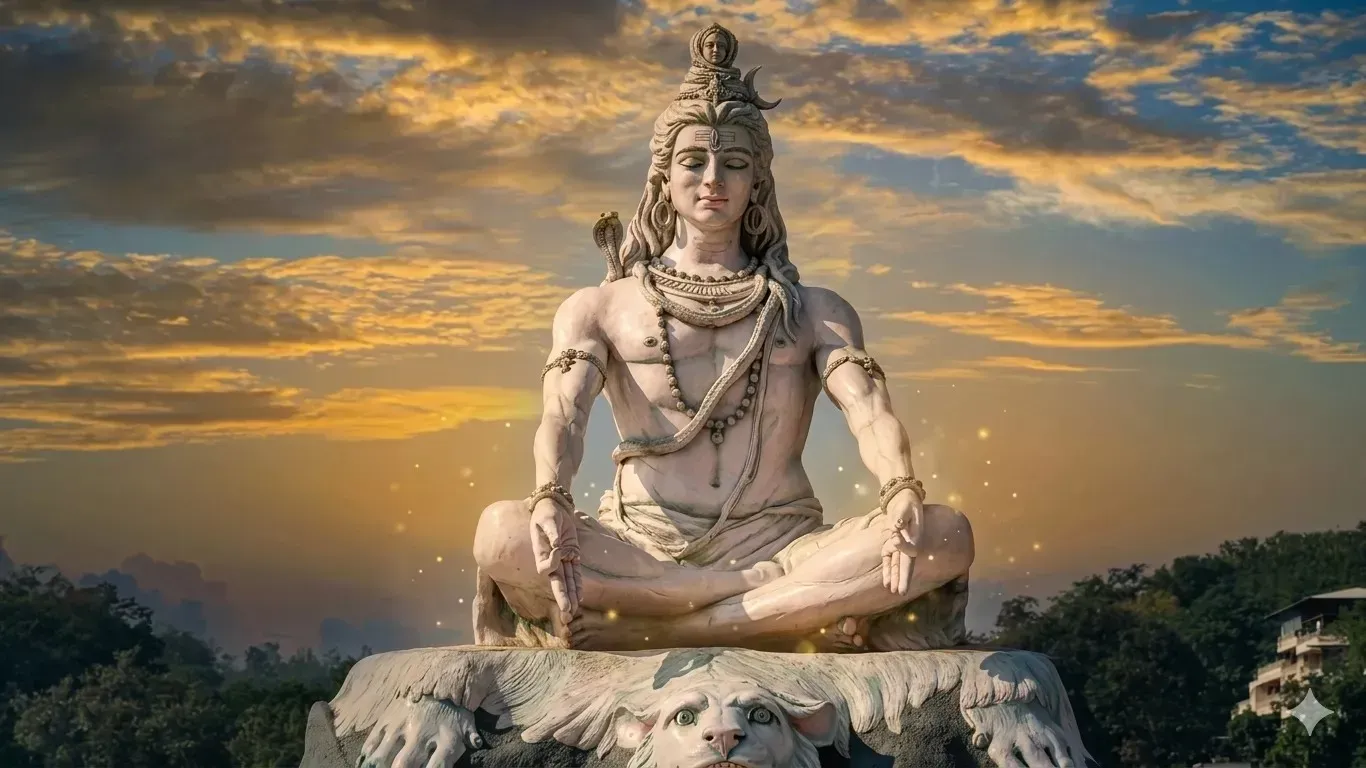
Srikalahasti Brahmotsavam 2026: Complete Details
The Srikalahasti Brahmotsavam, also known as the Maha Shivaratri Brahmotsavam, is an annual grand festival celebrated at the Sri Kalahasteeswara Temple in…
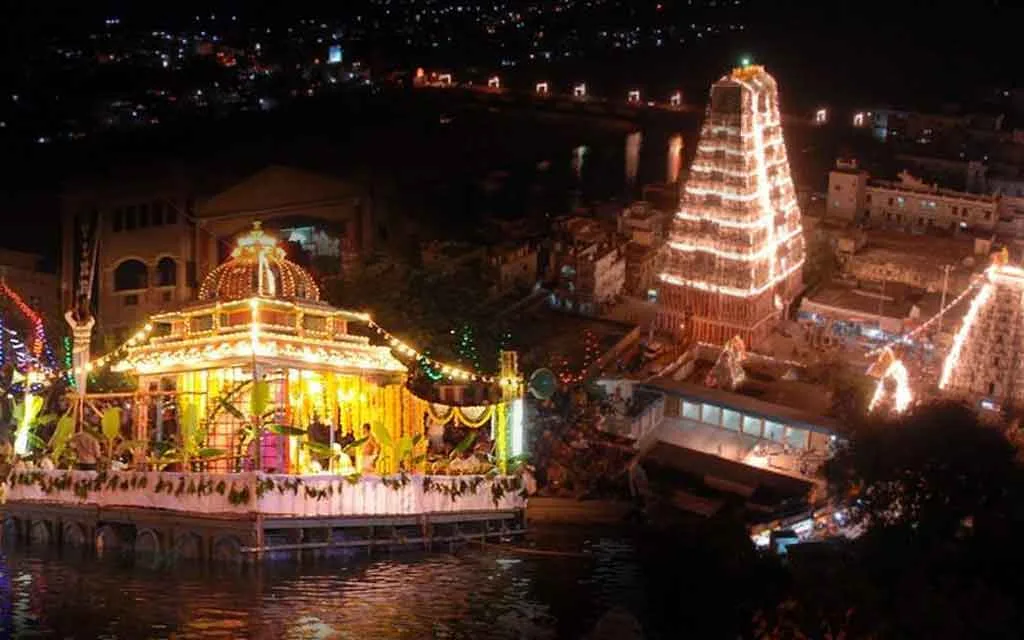
The Srikalahasti Brahmotsavam, also known as the Maha Shivaratri Brahmotsavam, is an annual grand festival celebrated at the Sri Kalahasteeswara Temple in…
The Srikalahasti Brahmotsavam, also known as the Maha Shivaratri Brahmotsavam, is an annual grand festival celebrated at the Sri Kalahasteeswara Temple in Srikalahasti, Andhra Pradesh, India. This temple, dedicated to Lord Shiva in the form of Sri Kalahasteeswara Swamy and his consort Sri Gnana Prasunambika Devi, is one of the Pancha Bhoota Sthalams representing the element of Vayu (air). It is famously known as "Dakshina Kasi" (Southern Kashi) and is renowned worldwide for Rahu-Ketu Sarpa Dosha Nivarana Pooja. The Brahmotsavam coincides with Maha Shivaratri and attracts lakhs of devotees for its elaborate rituals, processions, and spiritual observances.
In 2026, the festival was held from February 10 to February 23, spanning 13-14 days (sources vary slightly on the exact count, but it culminates on the 23rd). It featured traditional Agama principles, with no VIP darshan allowed to ensure equality among devotees. Over 3 lakh pilgrims visited on Maha Shivaratri day alone, and special arrangements included enhanced security, queue systems (free entry plus paid options at ₹200 and ₹500), and decorative circles on highways to attract visitors from Nellore, Chennai, and Tirupati.
Significance of the Festival
Brahmotsavam symbolizes the grandeur of Lord Shiva's divine presence and is rooted in ancient Hindu scriptures. It commemorates the victory of good over evil and allows devotees to seek blessings for prosperity, health, and relief from planetary afflictions like Rahu-Ketu doshas. The festival's alignment with Maha Shivaratri emphasizes night-long vigils, fasting, and devotion to Shiva. As a Pancha Bhoota Kshetra, the temple's rituals highlight the elemental forces of nature, drawing pilgrims for spiritual purification and cultural immersion.
How the Festival is Celebrated
The celebration follows strict Agama shastra guidelines, blending devotion, music, dance, and spectacle. The temple is adorned with vibrant rangolis, lights, and flowers. Key elements include:
- Dwajarohanam and Avarohanam: The festival begins with flag-hoisting (Dwajarohanam) on a sacred pole, symbolizing the start of divine festivities, and ends with its lowering.
- Vahana Sevas: The deities are carried in processions on elaborately decorated vahanas (vehicles), each representing mythological themes (e.g., animals, chariots, or celestial mounts). These occur morning and evening, accompanied by Vedic chants, music, and crowds pulling the chariots.
- Special Rituals and Poojas: Daily observances like Abhishekam (sacred bathing of the deity), Kalyanotsavam (celestial wedding), and night vigils (ratris). Maha Shivaratri involves Nishita Kaal Puja during the auspicious midnight hour, with fasting and Lingodbhavam (emergence of Shiva Lingam).
- Processions and Utsavams: Highlights include Rathotsavam (grand chariot festival), Teppotsavam (float festival on a temple tank), Giri Pradakshina (circumambulation of the hill), and Theerthavari (holy dip).
- Cultural Aspects: Devotees participate in bhajans, dances, and feasts. The temple enforces a traditional dress code: men in dhotis/kurtas, women in sarees/kurtis. Pooja tickets range from ₹500 to ₹5,000.
- Community Involvement: The event fosters unity, with government and temple authorities ensuring smooth conduct, including medical aid and traffic management.
The atmosphere is charged with devotion, as thousands chant "Om Namah Shivaya" during processions. It culminates in Shanti Abhishekam for peace and closure.
Complete Day-by-Day Schedule
Below is a compiled schedule based on official and reliable sources. Times are approximate and may vary slightly based on temple announcements. Vahana names include translations where relevant (e.g., from Telugu/Tamil to English).
This schedule combines consistent details from multiple sources; minor variations may exist due to lunar alignments or temple decisions.
For visitors planning similar events in future years, temple timings are generally 5:30 AM to 9:00 PM, with heavier crowds during Shravan and Shivaratri. Book poojas in advance via official channels.
How to Reach — Travel Guide — Srikalahasti Temple
✈️ By Flight
Tirupati International Airport (TIR, ~25 km) is the nearest, with flights from Delhi, Mumbai, Bengaluru, Chennai, Hyderabad, Kolkata. Pre-paid taxis to Srikalahasti take ~40 minutes via NH-71. Chennai Airport (130 km) is an alternative.
🚂 By Train
Srikalahasti Railway Station (KHT) is ~1 km from the temple; trains from Tirupati (35 min), Vijayawada, Chennai, Bengaluru, Hyderabad. Tirupati Junction (35 km) has heavier connectivity.
🚌 By Bus
Srikalahasti APSRTC Bus Stand is ~500 m from the temple. Frequent services from Tirupati (1 hr, every 15 minutes), Chennai (4 hrs), Vellore, Renigunta, Nellore. Many devotees combine Tirumala + Srikalahasti in a single day-trip.
🚗 By Road / Car
On NH-71 (Tirupati–Naidupet–Krishnapatnam). From Tirupati (35 km, 45 min), Chennai (130 km, 3 hrs), Bengaluru (280 km), Vijayawada (380 km). The temple sits on the bank of the Swarnamukhi river, with the Kalahasti hill behind.
Best Places to Visit Near Srikalahasti Temple
Combine your darshan at Srikalahasti Temple with these well-known nearby attractions for a complete pilgrimage and travel experience:
Tirumala Venkateswara Temple (35 km) — combine Srikalahasti (Vayu Linga) with Tirumala for the classic two-temple circuit.
Sri Kalahasti Bhakta Kannappa Temple (small hill behind main temple) — shrine of Bhakta Kannappa, the hunter-saint who offered his eyes to Lord Shiva.
Veyilingala Kona Waterfalls (10 km) — small forest waterfall and natural Shiva linga formation.
Sahasra Linga Kshetram (15 km) — sacred grove with a thousand small lingas.
Kalahasti Pendalam — local market famous for hand-painted Kalamkari textiles using natural dyes (a UNESCO-listed craft).
Kanipakam Vinayaka Temple (110 km, near Chittoor) — self-manifested swayambhu Ganesha, a Vinayaka kshetra of the South.
Sri Padmavathi Ammavari Temple, Tiruchanur (40 km) — the consort of Lord Venkateswara; visit considered essential for the full Tirumala-Srikalahasti circuit.
All distances are approximate; please verify on Google Maps and check current road, weather and local conditions before travelling. For latest darshan timings and special pilgrim arrangements, refer to the temple's official authority website.
Frequently Asked Questions
Where is Srikalahasti Brahmotsavam located?
The Srikalahasti Brahmotsavam, also known as the Maha Shivaratri Brahmotsavam, is an annual grand festival celebrated at the Sri Kalahasteeswara Temple in Srikalahasti, Andhra Pradesh, India. This temple, dedicated to Lord Shiva in the form of Sri Kalahasteeswara Swamy and his consort Sri Gnana Prasunambika Devi, is one of the Pancha Bhoota Sthalams represen
Who is the presiding deity of Srikalahasti Brahmotsavam?
The temple's presiding deity and its significance are described in the guide above.
What are the timings and how do I reach Srikalahasti Brahmotsavam?
Temples typically open early morning and evening; confirm current darshan timings before visiting. The nearest airport, railway station and road routes are covered in the guide above.
What is the best time to visit Srikalahasti Brahmotsavam?
Major festival days and the cooler months are popular, though weekday mornings offer a calmer darshan. Plan around the temple's key festivals for the most vibrant experience.
You might also like
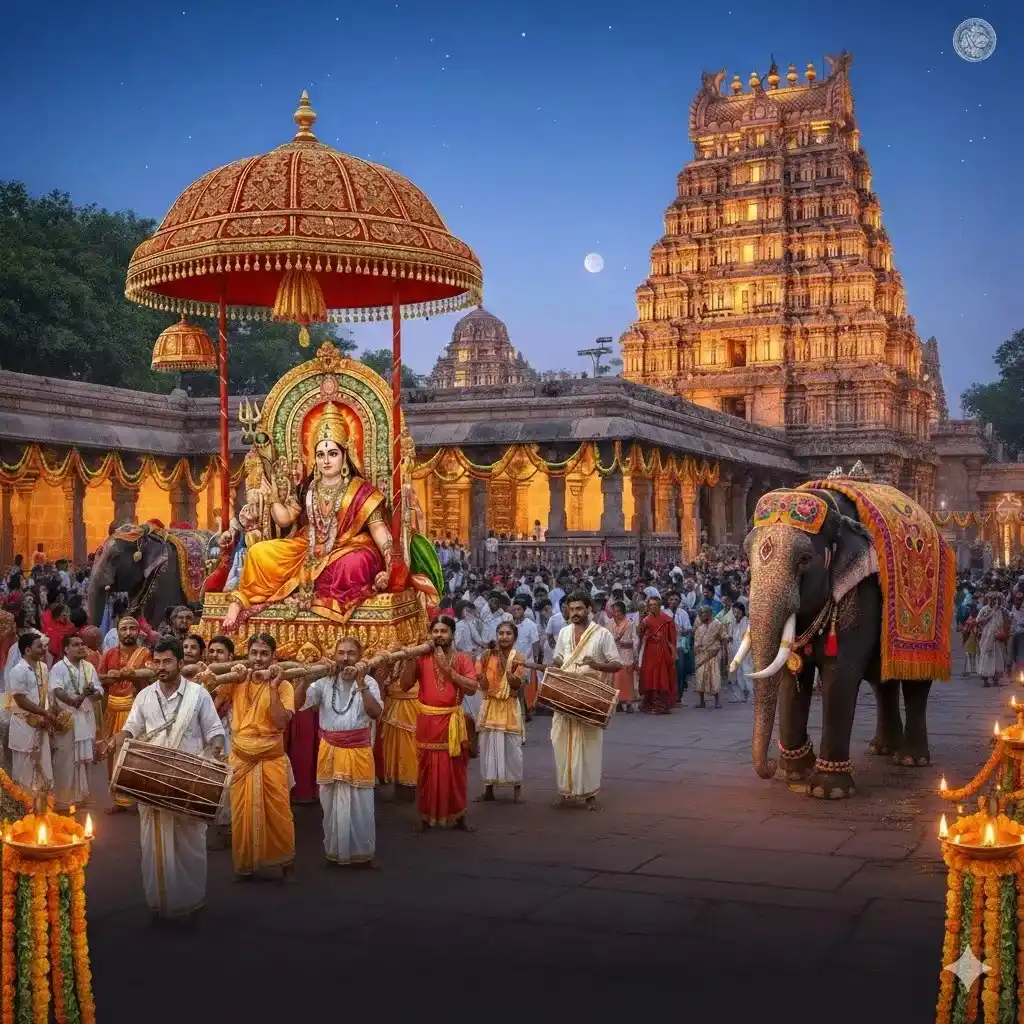
Srikalahasti Brahmotsavam 2026 Dates, Maha Shivaratri Schedule & Temple Guide
Tirumala Tirupati TTD — Complete Guide for NRIs (Darshan, Seva, Accommodation)
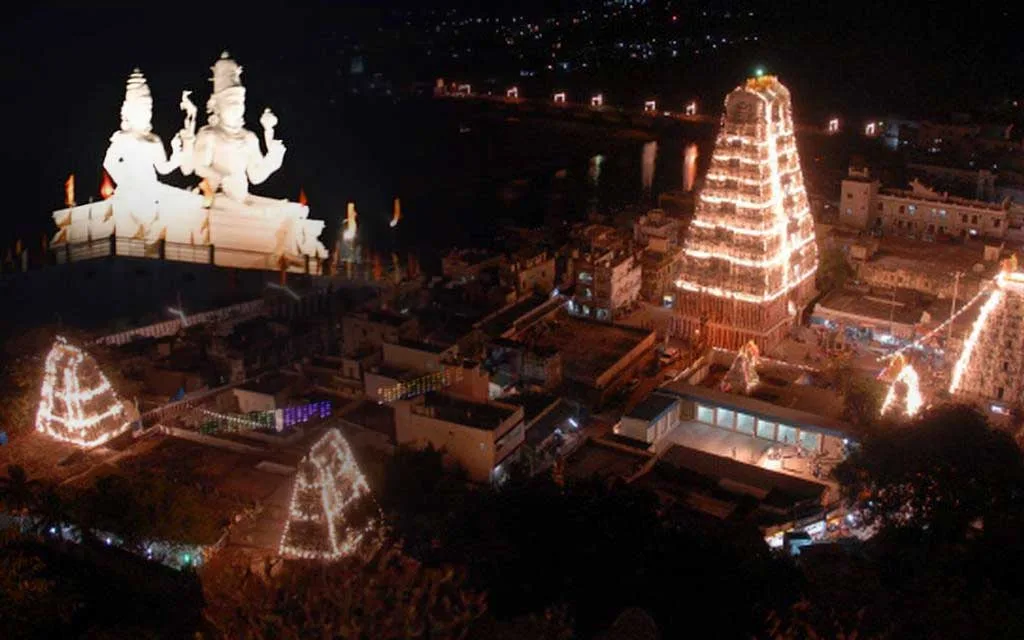
Srikalahasti Temple Maha Shivaratri Brahmotsavam 2026: 13-Day Grand Celebrations with Lingodbhava Darshan – Complete Devotee Guide