Best Time to Visit Tirupati in 2025 (According to Astrology & Tradition)
In the heart of the sacred Seven Hills of Tirumala lies the eternal abode of Lord Venkateswara, the divine manifestation of Lord Vishnu, whose benevolent gaze…
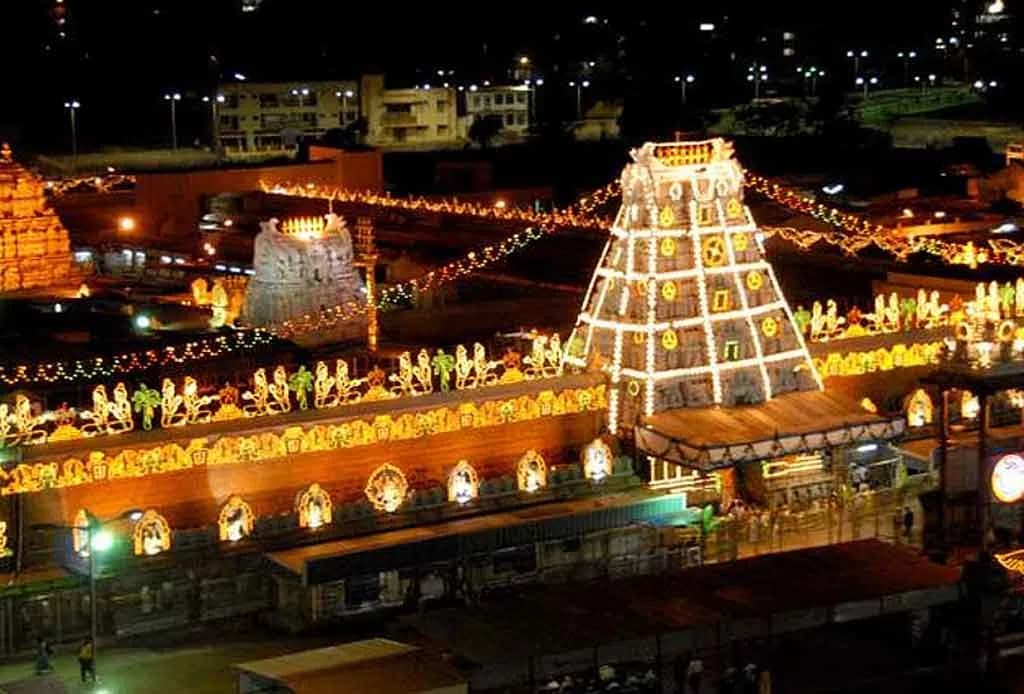
In the heart of the sacred Seven Hills of Tirumala lies the eternal abode of Lord Venkateswara, the divine manifestation of Lord Vishnu, whose benevolent gaze…
In the heart of the sacred Seven Hills of Tirumala lies the eternal abode of Lord Venkateswara, the divine manifestation of Lord Vishnu, whose benevolent gaze has drawn millions of devotees seeking solace, prosperity, and spiritual enlightenment. Tirupati, often hailed as the spiritual capital of India, is more than a pilgrimage site—it's a cosmic portal where faith intersects with the stars, and tradition weaves seamlessly with the rhythms of the universe. As we step into 2025, a year brimming with celestial alignments and festive fervor, discerning the **best time for Tirupati darshan** becomes not just a matter of convenience but a profound alignment of one's horoscope with divine will.
For pilgrims embarking on this holy journey, the **auspicious days for Tirumala visit** are guided by the ancient wisdom of Vedic astrology and the timeless traditions of Hindu scriptures. Whether you're a first-time seeker or a lifelong devotee, understanding these cosmic cues can transform your visit into a life-altering experience. This comprehensive **Tirupati travel guide 2025** blends astrological profundity with practical itineraries, ensuring your darshan is both spiritually charged and logistically seamless. From the shimmering lotuses of Brahmotsavam processions to the serene Ekadashi vigils, 2025 promises unparalleled opportunities to bask in the Lord's grace. Let us delve deeper, invoking the blessings of Govinda as we chart the path to the Kalyana Venkateswara.
The Eternal Allure of Tirupati: A Devotional Prelude
Tirupati's sanctity is etched in the annals of eternity. Legend whispers that Lord Venkateswara, in a moment of divine leela, descended to the Ananda Nilayam to fulfill a vow to Padmavati, his eternal consort. The Padma Purana narrates how the Lord, adorned in resplendent gold and jewels, promised eternal protection to all who tread these hills with pure hearts. This promise resonates today, as over 50,000 pilgrims daily ascend the sacred steps, chanting "Govinda, Govinda," their voices merging with the eternal echo of the temple bells.
In 2025, as the world navigates post-pandemic renewal, Tirupati stands as a beacon of hope. Astrologically, the year is marked by Jupiter's transit into Gemini in May, amplifying themes of devotion and pilgrimage. For those whose natal charts show afflicted Venus or Moon—planets governing love and mind—a visit to Tirumala acts as a celestial remedy, dissolving karmic knots and inviting abundance. Tradition dictates that the darshan of the Utsava Murthy, the processional deity, mirrors one's inner light, revealing paths to dharma and moksha.
Why blend astrology with tradition? In the Vedic worldview, time is not linear but cyclical, governed by the Panchang—the lunar-solar almanac that synchronizes human endeavors with cosmic pulses. The **best time for Tirupati darshan** is when Shubha Muhurta (auspicious moments) align with one's birth star (Janma Nakshatra), ensuring the Lord's prasadam—His sacred grace—flows unhindered. As the Skanda Purana extols, "In the month of Vaishakha, under the Pushya Nakshatra, the gates of Vaikuntha open for the faithful."
Devotees often recount transformative tales: a barren couple conceiving after Ekadashi darshan, a beleaguered businessman finding fortune post-Brahmotsavam. These are not mere coincidences but testaments to Tirupati's astrological potency. As we explore further, remember: preparation is key. Begin with a Sankalpa (vow) at home, fasting on Mondays and offering tulsi leaves to Vishnu. In 2025, with Saturn stabilizing in Aquarius until March, this is an ideal year for karmic cleansing through pilgrimage.
The journey to Tirupati is a microcosm of life's pilgrimage—arduous yet rewarding. The 3,550 steps from Alipiri to the temple symbolize the ascent of the soul, each step a prayer. For families, the tonde kalyanam (head tonsure) ritual signifies surrender, while for scholars, the temple's vast library of Agama texts offers intellectual nectar. As 2025 unfolds, let this guide be your compass, steering you toward the **auspicious days for Tirumala visit** that resonate with your soul's rhythm.
Astrological Insights: Aligning Your Stars with Lord Venkateswara's Grace
Vedic astrology, or Jyotisha, views Tirupati as a powerhouse of remedial energies, where the Lord's idol—believed to be Svayambhu (self-manifested)—radiates vibrations that harmonize planetary doshas. For 2025, astrologers emphasize the role of Guru (Jupiter) and Shukra (Venus), as their benign aspects during key transits make darshan profoundly efficacious.
Consider the Panchang's core elements: Tithi (lunar day), Vara (weekday), Nakshatra (lunar mansion), Yoga (auspicious combination), and Karana (half-tithi). The **best time for Tirupati darshan** falls on Ekadashi Tithis, when the Moon's waxing energy purifies the mind, or Purnima, symbolizing fullness and completion. In 2025, the year's first Ekadashi on January 10 coincides with Vaikunta Dwara opening, a portal to liberation. Astrologically, this date features Rohini Nakshatra, ruled by the Moon, ideal for emotional healing and marital harmony.
For those with Rahu-Ketu afflictions—causing confusion or obstacles—Thursday visits under Guru's influence are paramount. Lord Venkateswara, as the Kaliyuga Varada (boon-giver), mitigates Saturn's malefic gaze, especially during its retrograde from June to November. A visit during this period, coupled with Govinda Naama Japa (1008 chants), can avert Sade Sati woes. As per Brihat Parashara Hora Shastra, pilgrimages to Vishnu Kshetras like Tirumala during Shukla Paksha (waxing moon) amplify punya (merit), leading to wealth and progeny.
Personalized advice abounds: Devotees are encouraged to consult temple astrologers with their Kundali. If Mars dominates your chart (causing impatience), opt for Pushya Nakshatra days in July-August, when Mars' energy softens under Jupiter's gaze. For women seeking fertility blessings, Fridays in the Venus-ruled month of Shravana (July-August) are golden. In 2025, Venus enters exalted Pisces in April, making spring visits transformative for relationships.
Tradition interlaces with these stars through rituals like Abhishekam Muhurta. The temple's annual Kalyanotsavam, celebrating the divine wedding, aligns with Uttara Phalguni Nakshatra, fostering marital bliss. Stories abound: A devotee from Kerala, plagued by Mercury's debility (communication issues), found eloquence post-darshan on a Wednesday in 2024—echoing 2025's promising alignments.
To harness this, prepare your horoscope. Note Rahu's transit into Pisces in May, urging spiritual detachment; thus, post-monsoon visits aid in releasing attachments. Chant the Vishnu Sahasranama daily, visualizing the Lord's conch and discus dissolving planetary shadows. In essence, astrology teaches that Tirupati is not a destination but a dialogue with the cosmos—time your visit, and the stars shall sing Govinda in your favor.
Expanding on Nakshatra wisdom, each of the 27 lunar mansions offers unique boons at Tirumala. Ashwini (healing), Bharani (transformation), and Krittika (purification) shine brightest in March-April's Vasanthotsavam. For career ascendants, Mrigashira in June brings opportunities, while for students, Hasta in September aids focus. Astrologers recommend Abhijit Muhurta (midday window) for darshan, a 48-minute cosmic grace period daily.
Moreover, the temple's location at 7° North latitude amplifies solar energies, making Uttarayan (post-December solstice) ideal for Sun-afflicted charts. In 2025, the Makara Sankranti on January 14 ushers this period, blending tradition with Surya Namaskar rituals on the hills. For holistic healing, combine darshan with Padmavati Ammavari temple visit at Tiruchanur—Venus's abode for feminine energies.
As Jyotisha sages affirm, "Yatra kala phala labdhi"—the fruit of pilgrimage multiplies with timely action. In 2025, let these insights illuminate your path, turning astrological hurdles into stepping stones to the Lord's lotus feet.
Traditional Auspicious Days and Festivals: A Calendar of Divine Celebrations in 2025
Hindu tradition reveres Tirupati as Kaliyuga's crown jewel, where festivals punctuate the year like garlands on the deity. The **auspicious days for Tirumala visit** are enshrined in the Vaikhanasa Agama, dictating rituals that synchronize human devotion with divine play. In 2025, the Hindu calendar—Vikram Samvat 2082—unfolds with 12 Ekadashis, myriad Purnimas, and the grandeur of Brahmotsavam, each a portal to ananda (bliss).
Foremost is the **Tirumala Brahmotsavam**, the nine-day extravaganza commencing on September 16, 2025, and culminating on September 24. This annual spring festival (though held in autumn this year due to lunar shifts) honors the Lord's celestial procession on vahanas like Hanumantha (first day), symbolic of victory over ego. Devotees throng for Garuda Seva on September 21, when the Lord mounts the eagle, dispelling fears and granting fearlessness. Tradition mandates fasting on the eve, offering Annadanam (free meals) to pilgrims—a karmic multiplier. In 2025, with no Adhika Masam, this singular event draws over a million, but early mornings ensure serene glimpses.
Vaikunta Ekadasi, from January 10 to 19, opens the golden doors of Vaikuntha, as per Bhagavata Purana. The 10th marks the procession of Swarna Ratham (golden chariot) from 9-11 AM, a sight that eradicates sins of 88 births. Auspicious for all, especially Moksha seekers, this period features non-stop Suprabhat Seva, with chants of Narayana filling the air. Plan for 18-hour queues, but VIP breaks offer respite.
Tirupati Balaji Jayanti on December 12 falls on Ashtami Tithi, celebrating the Lord's manifestation. Temple ablutions with 1008 Kalashas precede Maha Abhishekam, where the idol bathes in milk and honey. Devotees offer gold kavachams, invoking protection. This day, under Anuradha Nakshatra, is ideal for childless couples, echoing legends of the Lord's boon to childless kings.
Vasanthotsavam in Chaitra (March 29 to April 1, approximate, aligning with Trayodasi-Chaturdasi-Purnami) ushers spring with floral swings and Unjal Seva. The Lord and Devi sway amid jasmine blooms, symbolizing cosmic lila. In 2025, this festival coincides with Rama Navami on April 6, doubling devotional fervor.
Monthly Ekadashis form the backbone:
- **Pausha Ekadashi (January 10)**: Vaikunta, for salvation.
- **Magha Ekadashi (January 29)**: Jaya, for victory in endeavors.
- **Phalguna Ekadashi (February 17)**: Vijaya, triumph over vices.
- **Chaitra Ekadashi (March 18)**: Kamada, wish-fulfillment.
- **Vaishakha Ekadashi (April 16)**: Varuthini, marital harmony.
- **Jyeshtha Ekadashi (May 15)**: Apara, boundless mercy.
- **Ashadha Ekadashi (June 14)**: Devshayani, before monsoon retreat.
- **Shravana Ekadashi (July 13)**: Putrada, progeny blessings.
- **Bhadrapada Ekadashi (August 11)**: Parivartini, role reversals and renewal.
- **Ashwin Ekadashi (October 10)**: Sharad, autumnal peace.
- **Kartika Ekadashi (November 8)**: Utthana, awakening energies.
- **Margashirsha Ekadashi (December 7)**: Moksha, ultimate liberation.
Each Ekadashi mandates Upavasa (fasting) till noon, followed by darshan. Purnimas, like Kartika on November 5, invite full-moon meditations, amplifying lunar energies for mental clarity.
Other gems: Ugadi on March 30 marks the Telugu New Year with Panchanga Sravanam, where priests recite the almanac under Revati Nakshatra. Sankranti on January 14 involves holy baths in Swami Pushkarini, invoking Surya. Padmavati Parinayam in August celebrates the divine wedding, a Venusian delight for lovers.
Tradition whispers of weekday sanctity: Thursdays for prosperity (Guru Vara), Fridays for devotion (Shukra Vara). Avoid Amavasya (new moon) for major vows, as it's for ancestors. In 2025, special darshan surges on August 15 (Independence Day, high rush) and Aadi Pooram (August 14), blending national and divine pride.
These days are not dates but doorways. Narratives abound: A farmer from Tamil Nadu, visiting on Putrada Ekadashi, witnessed his fields flourish—a boon from Govinda. For 2025, mark your calendar with these, offering Naivedyam (offerings) of laddu and curd rice. As the Alwar saints sang in Divya Prabandham, "The hills of Venkatachala resound with eternal kirtans," inviting you to join the chorus.
Delving deeper into Brahmotsavam's tapestry: Day 1 (Dwajarohanam) hoists the flag, invoking Garuda's vigilance. Day 5's Pedda Sesha Vahanam on September 20 slithers like Adi Shesha, cradling the Lord. The finale on September 24 with Chakrasnanam (chariot bathing) in Swami Pushkarini purifies the soul. In 2025, timings start at 4 AM for Udayasthamaya Darshan, extending to evening processions till 11 PM.
For Vaikunta, the 19-day stretch includes cultural nights with Bharatanatyam, where dancers embody the Nritya Ganapati aspect. Jayanti's Ashtami features Kalyanam Seva, a micro-wedding for devotees, fostering unity.
These festivals weave community: Annadanam feeds lakhs, embodying "Atithi Devo Bhava." In 2025, with eco-initiatives, plastic-free zones enhance purity. Thus, tradition's calendar is a garland of grace—string your visit accordingly, and the Lord shall crown you with His smile.
Seasonal Symphony: Navigating Weather, Crowds, and Serenity in 2025
While stars guide the spirit, seasons temper the body. Tirupati's tropical clime, at 850 meters elevation, dances between balmy winters and sultry summers, influencing the **best time for Tirupati darshan**. From October to March, the sweet spot emerges: temperatures hover at 15-28°C, with clear skies mirroring the Lord's unblemished form. Post-monsoon freshness in October-November, laced with Sankranti's bonfires, offers moderate crowds—ideal for contemplative climbs.
Winter (December-February) peaks with Vaikunta Ekadasi and Jayanti, yet post-festive lulls in late January yield peaceful queues under 5 hours. Dew-kissed mornings enhance the trek's magic, with wildflowers nodding to Hanuman's blessings. Avoid peak Sankranti (January 14) if crowds daunt; opt for flanking weeks.
Spring (March-May) blooms with Vasanthotsavam, but April-May's 35-40°C scorches, deterring masses yet testing devotion—like the Lord's penance on the hills. Early March, with Ugadi's mango feasts, balances warmth and whimsy.
Monsoon (June-September) brings respite from heat, with 20-30°C and lush greenery, but erratic rains slick paths—carry ponchos for the 11-km ghat road. July-August's lower crowds (post-schools) suit budget pilgrims, though Brahmotsavam's September crescendo demands planning. Shravana's showers symbolize purification, aligning with Ekadashi fasts.
To sidestep rushes: February's moderate vibe post-Sankranti, or June's heat-thinned lines. July-September's rains manageably, per locals, with covered queues. In 2025, post-July's NRI influx, August dips—perfect for serene Supadramam.
Seasonally, pack layers: woolens for winter dawns, umbrellas for rains, sunscreens for summer. Hydrate with tender coconut, and heed weather apps for ghat closures. Thus, seasons harmonize with tradition, crafting your **Tirupati travel guide 2025** into a balanced odyssey.
## Your 2025 Tirupati Travel Blueprint: Practical Pilgrimage Perfected
Embarking on the **auspicious days for Tirumala visit** requires earthly wisdom. Tirupati's connectivity shines: Renigunta Airport (14 km) links via IndiGo and Air India; Reniguta Railway Junction serves 200+ trains daily. From Chennai (130 km), APSRTC buses ply hourly; Hyderabad (550 km) offers overnight Volvo ACs. For eco-souls, the 3,550 Alipiri steps or 2,380 Srivari Mettu path reward with darshan breaks—start pre-dawn for 2-hour ascents.
Accommodations span divine to deluxe: TTD's free Kalyana Katta dorms for the pious, or Bhakta Niwas (₹50-200/night) with hill views. Budget: Harati Residency (₹1,500); luxury: Fortune Select Grand Ridge (₹5,000), near Kapila Theertham falls. Book via TTD app 90 days ahead—2025's digital surge mandates this.
Darshan decoded: Free Sarva Darshan (12-18 hours, first-come); ₹300 Special Entry (3 hours, bookable); VIP Break Darshan (₹100, post-3 PM). For 2025, online quotas fill fast—use ttdevasthanams.ap.gov.in. Tonde Kalyanam at Kalyana Katta (free, token-based) symbolizes humility; follow with Padmavati darshan at Tiruchanur (8 km away).
Essentials: ID proof mandatory; no mobiles, leather, or non-veg in ghat section—laddu (₹50) as prasadam. Bathe in Swami Pushkarini pre-darshan for sins' ablution. Dress: Sarees/dhotis, no shorts. Health: Acclimatize to altitude; carry BP meds. For families, SRIVANI Trust packages (₹400-1,000) include AC buses and priority.
Itinerary sample for Brahmotsavam (Sept 16-24): Day 1—Arrive, Alipiri climb, evening Dwajarohanam. Day 2—Abhishekam darshan, Annadanam. Garuda Day—VIP for front-row awe. Post-fest, unwind at Talakona waterfalls.
Sustainability: TTD's green push—carry reusables, shun plastics. For NRIs, 2025 rules ease with Aadhaar alternatives. Do's: Chant en route; Don'ts: Queue-jump. As per temple edicts, sincerity trumps speed.
This blueprint ensures your 2025 sojourn is seamless, letting devotion flourish unhindered.
Echoes of Govinda: A Call to the Hills
As 2025's celestial tapestry unfolds, Tirupati beckons with open arms—its hills a symphony of faith, stars a map to mercy. Heed the **best time for Tirupati darshan**, embrace the **auspicious days for Tirumala visit**, and let this **Tirupati travel guide 2025** be your sacred companion. In the Lord's glance lies eternity; may He shower His Govindas on you. Om Namo Venkatesaya!
Frequently Asked Questions
What is Best Time to Visit Tirupati in (According?
In the heart of the sacred Seven Hills of Tirumala lies the eternal abode of Lord Venkateswara, the divine manifestation of Lord Vishnu , whose benevolent gaze has drawn millions of devotees seeking solace, prosperity, and spiritual enlightenment. Tirupati, often hailed as the spiritual capital of India, is more than a pilgrimage site—it's a cosmic portal wh
What are the key points about Best Time to Visit Tirupati in (According?
As we step into 2025, a year brimming with celestial alignments and festive fervor, discerning the **best time for Tirupati darshan** becomes not just a matter of convenience but a profound alignment of one's horoscope with divine will. For pilgrims embarking on this holy journey, the **auspicious days for Tirumala visit** are guided by t
Why does Best Time to Visit Tirupati in (According matter in Hinduism?
It reflects core values of Sanatana Dharma and offers practical and spiritual guidance that remains relevant across generations.
How can devotees apply Best Time to Visit Tirupati in (According in daily life?
By reflecting on its teaching, incorporating the related practices or observances into daily routine, and approaching it with sincere devotion and understanding.
You might also like
Janmashtami 2026 in India: Date, Rituals & Top Temples to Visit
Angkor Wat: Divine Mysteries & Soul-Stirring Miracles of Lord Vishnu's Cosmic Temple