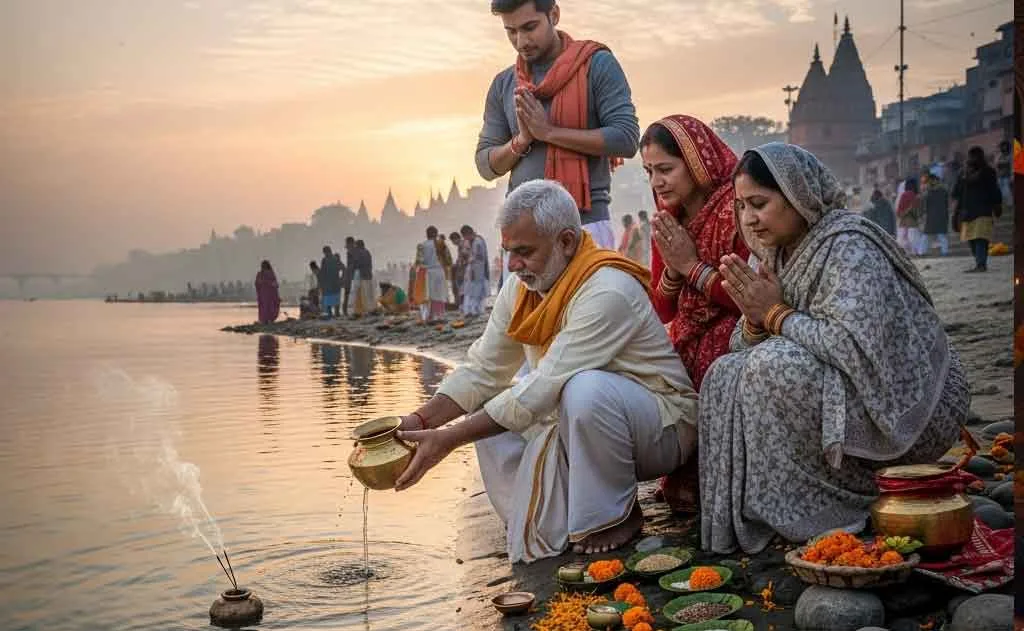
Pushya Masam: The Most Auspicious Month for Pithru Tarpanam in Hindu Tradition
In Hindu culture, honoring ancestors through Pithru Tarpanam is a sacred practice that strengthens the bond between the living and their ancestral lineage.

In Hindu culture, honoring ancestors through Pithru Tarpanam is a sacred practice that strengthens the bond between the living and their ancestral lineage.
In Hindu culture, honoring ancestors through Pithru Tarpanam is a sacred practice that strengthens the bond between the living and their ancestral lineage. Among the twelve months of the Hindu calendar, Pushya Masam (typically December-January) is considered the most auspicious time for performing these rituals. Here’s why Pushya Masam is special for ancestor worship and the significance of the rituals involved.
Why Pushya Masam is Special for Pithru Tarpanam
- Spiritual Energy of the Month
Pushya Masam is associated with heightened spiritual energy due to its alignment with cosmic cycles. The vibrations during this time are believed to enhance the effectiveness of rituals like Pithru Tarpanam, ensuring that offerings reach departed souls more effectively, bringing them peace and blessings. - Solar and Lunar Influence
The Pushya Nakshatra (constellation) dominates this month and is revered for its qualities of nourishment, purity, and protection. The alignment of the moon and stars creates a harmonious energy flow, making it an ideal time to connect with ancestors and express gratitude. - Seeking Ancestral Blessings
Pushya Masam is believed to be a time when ancestors are more receptive to offerings. In return, they bestow blessings for prosperity, health, and the removal of obstacles in the lives of their descendants. - Pacifying Ancestral Souls
According to Hindu beliefs, ancestors who are not properly honored may cause difficulties (Pitru Dosha) for their descendants. Performing Tarpanam during Pushya Masam helps pacify these souls, ensuring their peace and preventing disturbances in the family’s progress.
Rituals Involved in Pithru Tarpanam
- Shraddha (Ritual for Departed Souls)
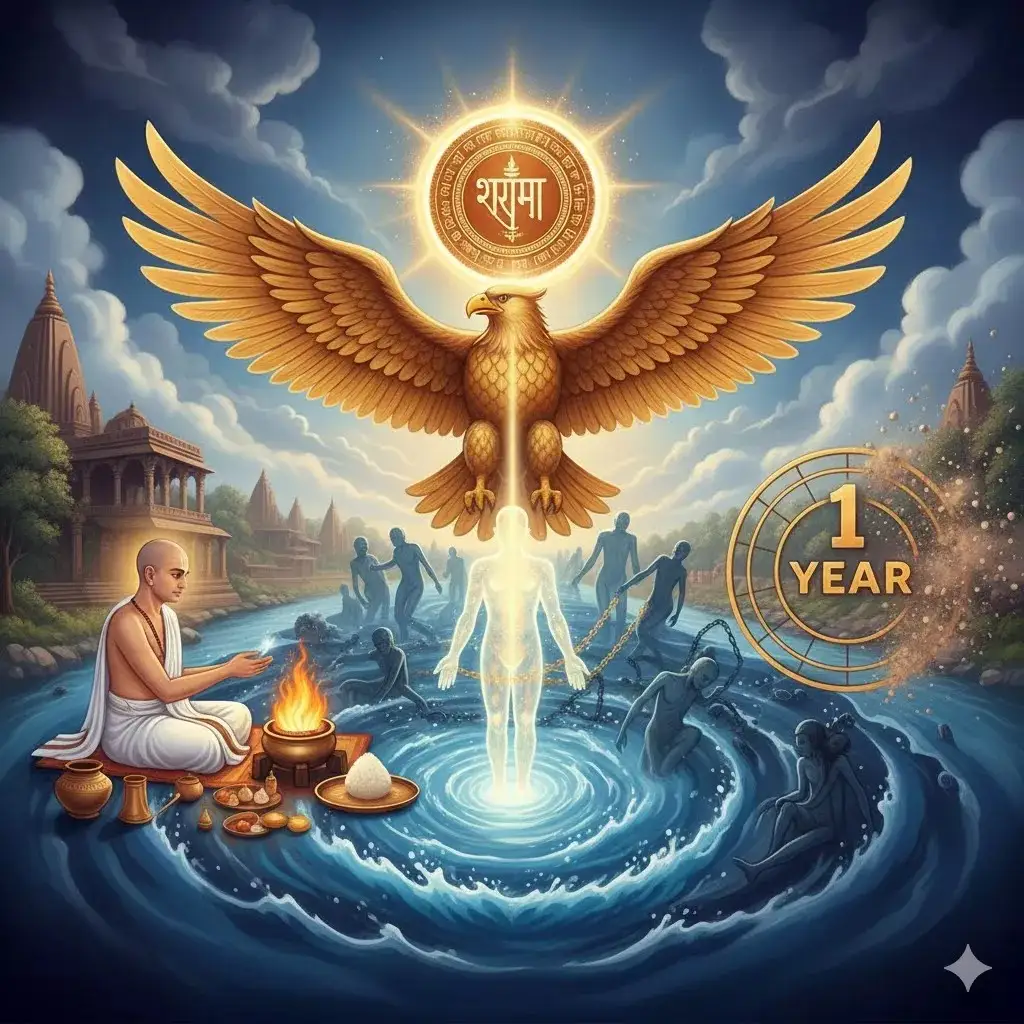
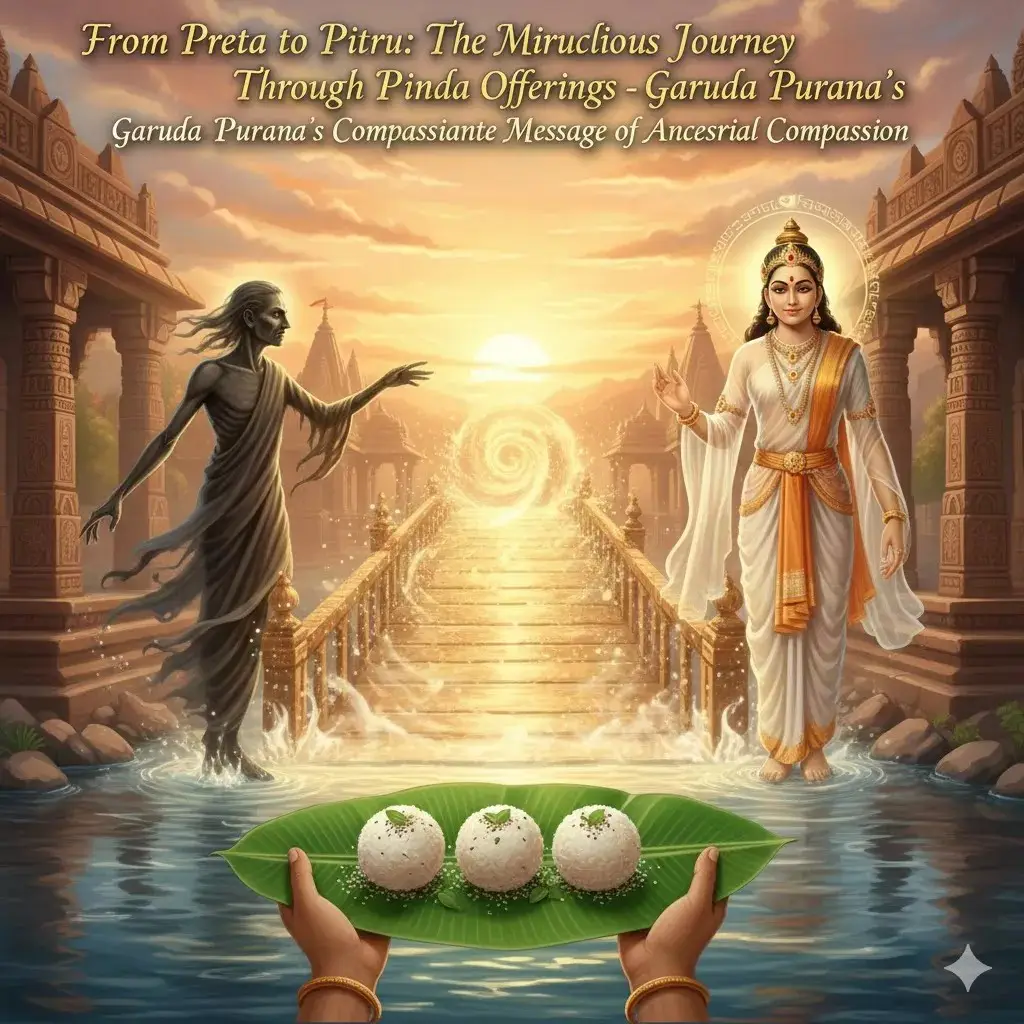
- Offerings are made to ancestors, including Pinda Daan (rice balls and sesame seeds).
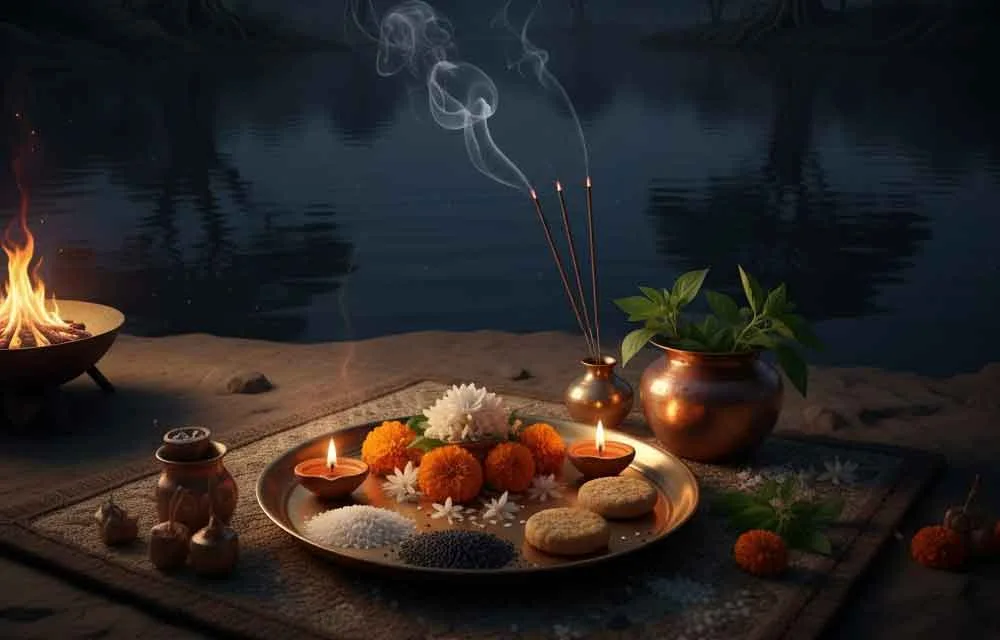
- The ritual is performed on the banks of sacred rivers or lakes, facing the south direction, to invoke the blessings of departed souls.
- Til (Sesame Seeds) and Water Offerings
- Sesame seeds and water are offered to satisfy the spiritual hunger and thirst of ancestors, helping them find peace in the afterlife.
- Chanting of Mantras
- Specific mantras are chanted to transmit offerings to the spiritual realm and invoke blessings for the living family members.
- Offering Food to Brahmins
- Feeding Brahmins or priests is considered equivalent to feeding one’s ancestors, completing the ritual.
- Fasting and Purity
- Observing fasting and maintaining purity before the ritual helps create a focused and devoted mindset, essential for performing the rituals sincerely.
Significance in Hindu Culture
In Hinduism, ancestors are revered as protectors and benefactors of the family. Performing Pithru Tarpanam during Pushya Masam signifies gratitude, respect, and the continuation of the eternal cycle of life and death. It reinforces the belief that departed souls remain connected to their descendants, and these rituals help maintain harmony between the material and spiritual worlds.
Key Takeaways
- Pushya Masam is the most auspicious time for Pithru Tarpanam due to its spiritual potency and alignment with cosmic energies.
- The rituals help heal ancestral karma, bring peace to departed souls, and secure blessings for the living.
- This practice serves as a reminder of the transient nature of life and the importance of honoring family duties and lineage.
By performing these rituals during Pushya Masam, Hindus ensure the flow of blessings from ancestors, fostering prosperity and spiritual well-being for future generations.
What do the Vedas and Puranas say about Pitru Paksha and Pushya Masam?
The scriptural foundation for ancestor worship runs deep in Hindu tradition. The Rigveda (10.15) contains the Pitru Sukta, a hymn addressed directly to the ancestors, invoking them across three categories: those who died by fire (Agni-dagdha), those who were not cremated (Anagni-dagdha), and those who passed in distant lands. This three-tier understanding of ancestral souls shapes the specific invocations recited during Tarpanam to this day.
The Vishnu Purana and the Matsya Purana both elaborate on the cosmic significance of Pushya Masam, noting that the sun's southward journey (Dakshinayana) places the living in closer spiritual proximity to the realm of the ancestors, called Pitru Loka. The Manusmriti (Chapter 3, verses 122–286) dedicates an entire section to Pitru Yajna — one of the Pancha Maha Yajnas — affirming that a householder who neglects ancestor rites fails a primary dharmic duty. Performing Tarpanam during Pushya Masam, when the cosmic alignment is most favorable, is therefore considered the fulfillment of a debt known as Pitru Rina, one of the three fundamental debts (Tri-Rinas) every human being owes.
What is Pitru Dosha and how does Pushya Masam Tarpanam help resolve it?
Pitru Dosha is a karmic affliction recognized in Jyotisha (Hindu astrology) that is said to arise when ancestors remain unsatisfied due to incomplete rites, untimely deaths, or broken lineage customs. In a natal horoscope, the conjunction or aspect of Saturn, Rahu, or Ketu on the ninth house, its lord, or the Sun is classically interpreted as an indicator of Pitru Dosha. Its effects are described in texts like the Garuda Purana as recurring obstacles in marriage, childbirth, professional progress, or health within a family across generations.
Performing Tarpanam during Pushya Masam is considered especially potent for addressing Pitru Dosha because the month's Pushya Nakshatra — ruled by Saturn (Shani) in some astrological frameworks — is itself associated with purification and karmic resolution. Offerings of black sesame seeds (Til), water drawn from a sacred river, and Kusha grass, all made while facing south (the direction of Yama and the ancestors), are believed to create a direct channel to Pitru Loka. Priests in temples such as Srirangam's Sri Ranganathaswamy Temple and Kashi Vishwanath in Varanasi regularly conduct collective Tarpanam on Amavasya days during Pushya Masam precisely to provide relief from this dosha.
Which sacred rivers and Tirthas are most significant for performing Tarpanam during Pushya Masam?
The choice of location for Tarpanam carries enormous ritual weight. The Gaya Kshetra in Bihar, centered on the Vishnupada Temple on the banks of the Falgu River, is regarded as the foremost Pitru Tirtha in all of Bharatavarsha. The Vayu Purana specifically names Gaya as the site where Lord Vishnu granted the boon that any Pinda Daan offered there would liberate ancestors across multiple generations. Families who visit Gaya during Pushya Masam to perform Tarpanam are said to fulfill the Pitru Rina completely.
Other premier locations include the Triveni Sangam at Prayagraj — where the Ganga, Yamuna, and the invisible Saraswati converge — the banks of the Godavari at Nashik, the Kaveri at Srirangam, and the Kapila Tirtha in Tirupati. Each of these sites has temple priests (Pandas) trained in the specific Vedic mantras for Pitru Tarpanam. For those who cannot travel, performing the rite on the bank of any flowing river or near a local water body during Pushya Masam — with proper sankalpa (resolve) naming the gotra and the ancestors — is considered valid according to the Dharmasindhu.
How is the Tarpanam ritual performed step by step, and what materials are required?
The ritual begins with Achamana (ritual sipping of water for self-purification) and the wearing of the sacred thread (Yajnopavita) shifted to the right shoulder (Apasavya position), which signals the shift from rites for the living to rites for the departed. The practitioner then takes the Sankalpa — a formal declaration stating the year, month, tithi, nakshatra, the performer's name, gotra, and the names of the specific ancestors being honored. This verbal resolve is considered the soul of the entire ritual.
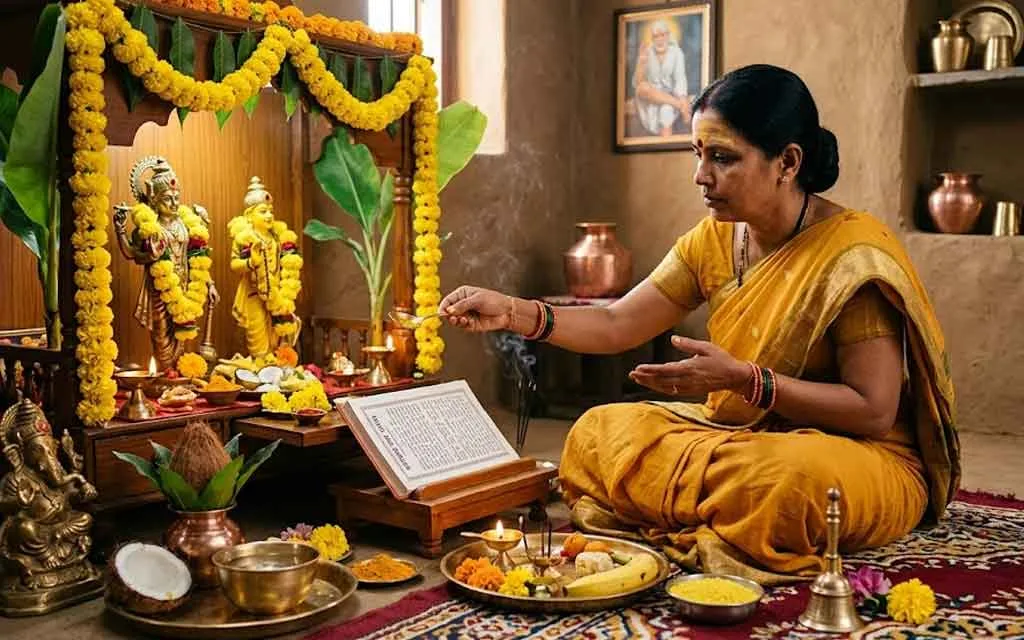
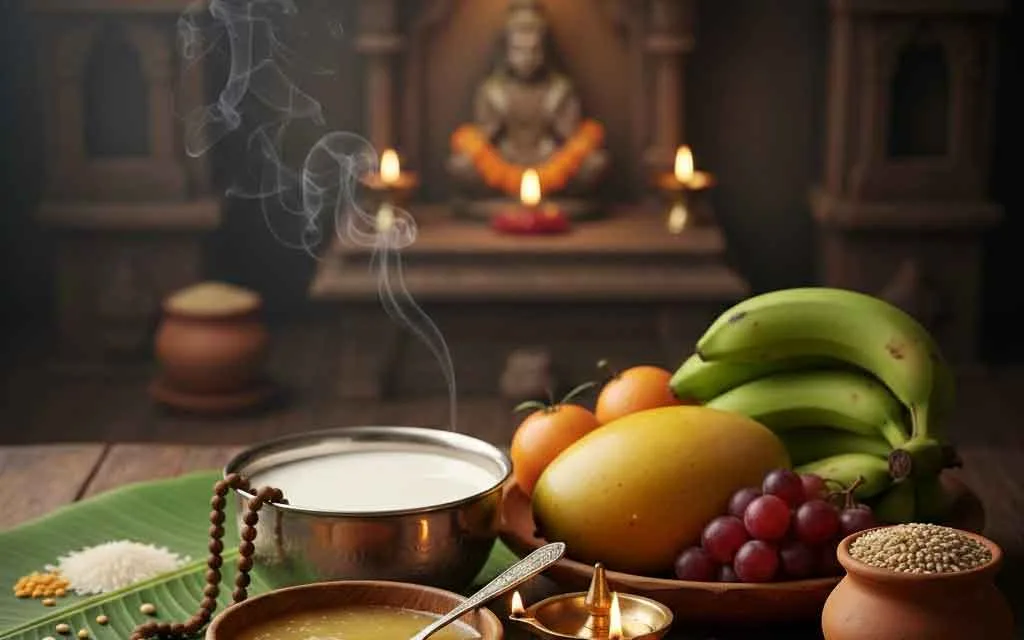
The core offering materials are: Til (black or white sesame seeds, which are said in the Brahma Purana to be born from Vishnu's sweat and therefore especially sacred to ancestors), uncooked rice, Kusha grass fashioned into a Pavitram ring worn on the ring finger, and water from a sacred river or pure vessel. Three handfuls of water mixed with sesame seeds are offered through the fingers while reciting specific Pitru mantras for the paternal father (Pita), grandfather (Pitamaha), and great-grandfather (Prapitamaha), and similarly for the maternal lineage. Pinda Daan — small balls of cooked rice mixed with sesame seeds and honey — is offered separately and placed on Kusha grass laid on the ground, after which crows, considered messengers of the ancestors, are invited to partake.
What is the connection between Pushya Nakshatra and the spiritual quality of this month?
Pushya Nakshatra, the eighth of the 27 lunar mansions in the Vedic system, is symbolized by a cow's udder, representing nourishment and abundance. Its presiding deity is Brihaspati (Jupiter), the guru of the Devas, and its ruling planet is Saturn. This unusual dual association with both wisdom (Jupiter) and discipline/karma (Saturn) gives Pushya Nakshatra a uniquely grounding spiritual quality — it does not inflate or distract but steadies and clarifies intention, which is precisely what ancestor rites demand.
The Atharva Veda praises Pushya as the most auspicious of all nakshatras for sacred undertakings. When the full moon or Amavasya (new moon) of Pushya Masam coincides with Pushya Nakshatra itself, the occasion is called Pushyami and is considered especially powerful for Tarpanam, Shraddha, and charitable acts (Dana) dedicated to the departed. In South Indian tradition, many Shaiva and Vaishnava temples conduct special Pitru Kalasha abhishekam and Brahmin feeding (Brahmana Bhojana) on Pushyami to amplify the merit transferred to ancestral souls.
What benefits do the scriptures promise to those who perform Tarpanam faithfully during Pushya Masam?
The Garuda Purana — the primary Puranic text devoted to the science of death, afterlife, and ancestor rites — states that a person who regularly performs Tarpanam pleases not only the departed souls but also the Ashta Dikpalas (guardians of the eight directions) and the Navagrahas, resulting in balanced planetary influences in the practitioner's life. The Brahma Purana adds that consistent performance of Pitru Shraddha generates Punya (spiritual merit) that benefits seven generations both above and below the practitioner.
Beyond cosmic merit, classical Dharmashastra texts identify very practical benefits: resolution of delays in marriage, improvement in progeny-related difficulties, relief from chronic illness within the family, and progress in professional endeavors that had previously met unexplained resistance. The Padma Purana includes a passage in which the sage Pulastya tells King Bhishma that a household in which Pitru Tarpanam is observed during Pushya Masam will never lack food, learning, or longevity for three generations. While these promises are framed in devotional and karmic terms rather than as guarantees, they reflect the deep cultural conviction that caring for one's ancestors is inseparable from caring for one's own living family.
Frequently Asked Questions
When is Pushya Masam?
Pushya Masam is observed on its traditional tithi in the Hindu lunar calendar; refer to the year's panchang for the exact date in your region.
What is the significance of Pushya Masam?
In Hindu culture, honoring ancestors through Pithru Tarpanam is a sacred practice that strengthens the bond between the living and their ancestral lineage. Among the twelve months of the Hindu calendar, Pushya Masam (typically December-January) is considered the most auspicious time for performing these rituals.
How is Pushya Masam celebrated?
Devotees observe it with puja, fasting or special offerings, visiting temples, chanting mantras, and gathering with family. Customs vary by region and tradition.
What should devotees do on Pushya Masam?
Take a sacred bath, perform the day's puja and charity (dana), observe any prescribed fast, and chant mantras with sincere devotion.