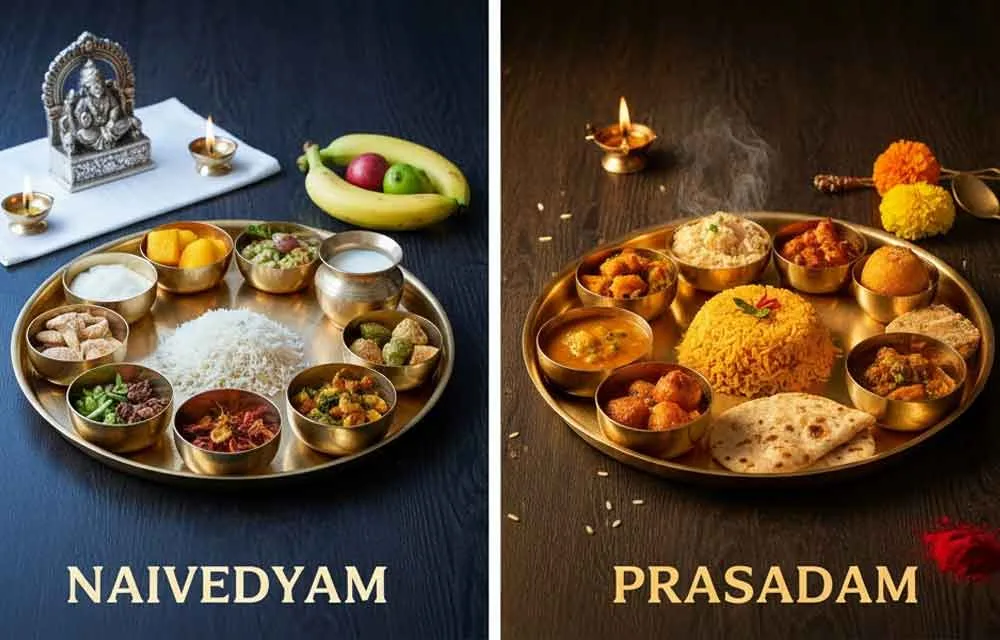
Dhanurmasam Foods: Why Tradition Says "No Salt" for Naivedyam
Understanding Dhanurmasam and Its Sacred Significance Dhanurmasam, also known as Dhanur Maasam or Margashira month, holds immense spiritual importance in Hindu…
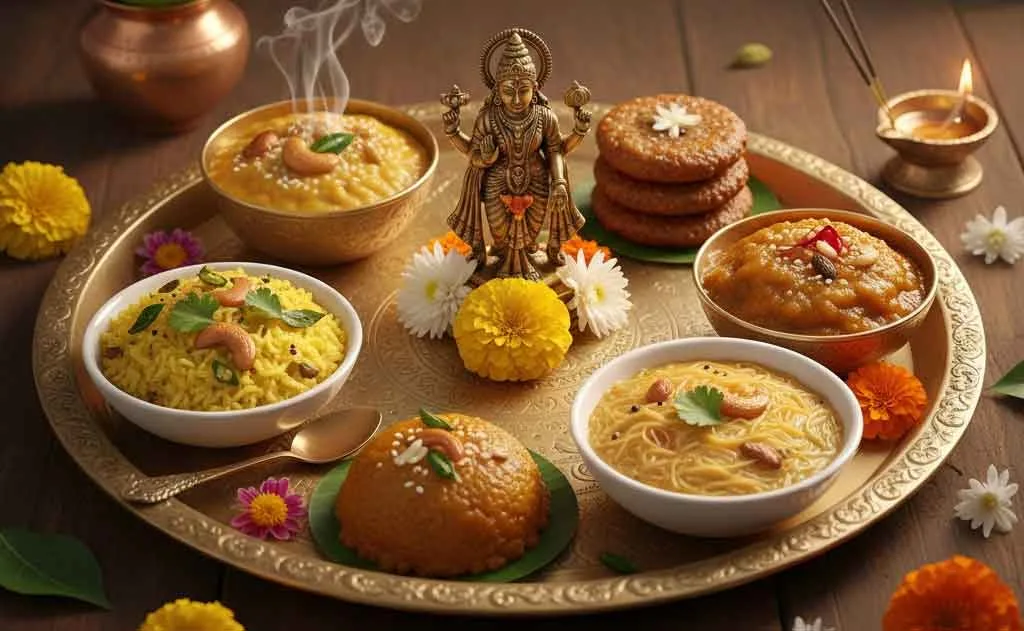
Understanding Dhanurmasam and Its Sacred Significance Dhanurmasam, also known as Dhanur Maasam or Margashira month, holds immense spiritual importance in Hindu…
Understanding Dhanurmasam and Its Sacred Significance
Dhanurmasam, also known as Dhanur Maasam or Margashira month, holds immense spiritual importance in Hindu tradition. Occurring between mid-December and mid-January, this sacred month is dedicated to Lord Vishnu and his worship. During this period, devotees wake up early, perform special prayers, and offer naivedyam (food offerings) to the deity.
But one unique aspect puzzles many practitioners: Why is salt prohibited in Dhanurmasam naivedyam?
The Spiritual Reason Behind Dhanurmasam Naivedyam No Salt Rule
Ancient Wisdom and Scriptural References
The tradition of avoiding salt in prasadam during Dhanurmasam stems from several spiritual and philosophical reasons rooted in Hindu scriptures:
1. Purity and Sattvic Nature
Salt is considered to stimulate taste and desire. During Dhanurmasam, the focus is on sattvic (pure) offerings that calm the mind and enhance spiritual consciousness. Removing salt helps create food that is:
- Simple and humble
- Free from excessive taste stimulation
- Conducive to meditation and devotion
2. Symbolism of Detachment
The no-salt tradition teaches vairagya (detachment). By offering food without salt—our most basic flavoring agent—devotees demonstrate:
- Surrender to the divine without attachment to taste
- Willingness to embrace simplicity
- Transcendence beyond sensory pleasures
3. Ayurvedic and Seasonal Considerations
From an Ayurvedic perspective, Dhanurmasam falls during winter (Hemanta Ritu). During this season:
- The body's digestive fire is naturally strong
- Reducing salt helps balance Kapha dosha
- Simple, less spicy food aids spiritual practices like early morning prayers and meditation
4. Historical Penance Connection
According to tradition, the Gopis of Vrindavan observed a vow during this month to worship Goddess Katyayani. Their penance involved eating simple, unsalted food, establishing a precedent followed to this day.
Essential Prasadam Rules for Dhanurmasam
When preparing naivedyam during Dhanurmasam, devotees follow specific prasadam rules to ensure offerings are acceptable:
General Guidelines:
- No salt in any preparation
- No tamarind (considered too tangy and tamasic)
- No onions or garlic (tamasic ingredients)
- Use jaggery or sugar as sweeteners
- Prepare food with devotion and cleanliness
- Cook in a clean, sanctified space
- Offer food before consuming
Acceptable Ingredients:
✓ Rice, wheat, millets
✓ Lentils (dal)
✓ Jaggery, sugar, honey
✓ Ghee (clarified butter)
✓ Milk and milk products
✓ Fresh fruits
✓ Coconut
✓ Cardamom, cinnamon (sweet spices)
✓ Dry fruits and nuts
Traditional Dhanurmasam Naivedyam Recipes (No Salt)
1. Sweet Pongal (Sakkarai Pongal)
Ingredients:
- 1 cup rice
- ¼ cup moong dal (split yellow lentils)
- 1 cup jaggery (grated)
- 3 cups water
- 2 tablespoons ghee
- 10 cashews
- 2 tablespoons raisins
- ½ teaspoon cardamom powder
- A pinch of dry ginger powder
Method:
- Dry roast moong dal until fragrant, then wash and set aside
- Cook rice and dal together with water until soft and mushy
- In a separate pan, melt jaggery with ¼ cup water and strain to remove impurities
- Add jaggery syrup to the cooked rice-dal mixture and mix well
- In another pan, heat ghee and fry cashews and raisins until golden
- Add the fried nuts to the pongal along with cardamom and dry ginger powder
- Mix thoroughly and offer warm to the deity
2. Ariselu (Sweet Rice Flour Discs)
Ingredients:
- 2 cups rice flour
- 1½ cups jaggery
- ½ cup water
- 2 tablespoons ghee
- ¼ teaspoon cardamom powder
- Oil or ghee for deep frying
- Sesame seeds (optional)
Method:
- Make thick jaggery syrup by boiling jaggery with water until it reaches one-string consistency
- Gradually add rice flour to the warm syrup, mixing continuously to avoid lumps
- Add ghee and cardamom powder; knead into a smooth dough
- Let the dough rest for 2-3 hours
- Take small portions, flatten into discs on a plastic sheet or banana leaf
- Deep fry in ghee or oil on medium heat until golden brown
- Drain excess oil and offer to the deity
3. Bellam Paramannam (Jaggery Rice Pudding)
Ingredients:
- ½ cup raw rice
- 2 cups milk
- ½ cup jaggery (powdered)
- 2 tablespoons ghee
- 10 cashews
- 2 tablespoons raisins
- ½ teaspoon cardamom powder
- A few strands of saffron (optional)
Method:
- Cook rice with 1 cup water until soft
- In a heavy-bottomed pan, boil milk and add the cooked rice
- Simmer on low heat, stirring occasionally, until the mixture thickens
- Add jaggery and mix well until dissolved
- In a small pan, heat ghee and fry cashews and raisins
- Add to the pudding along with cardamom powder and saffron
- Serve warm as prasadam
4. Godhumai Rava Kesari (Wheat Semolina Halwa)
Ingredients:
- 1 cup wheat rava (broken wheat/dalia)
- ¾ cup jaggery
- 2½ cups water
- 3 tablespoons ghee
- 10 cashews
- 2 tablespoons raisins
- ½ teaspoon cardamom powder
Method:
- Dry roast wheat rava until aromatic and set aside
- Boil water with jaggery until dissolved
- Add the roasted rava gradually while stirring to prevent lumps
- Cook on low heat, stirring continuously until the mixture thickens
- Add ghee in portions, mixing well after each addition
- Fry cashews and raisins in a little ghee and add to the halwa
- Mix in cardamom powder and serve as naivedyam
5. Pulihora Without Salt (Sweet-Tangy Tamarind Rice Alternative)
Since traditional pulihora uses tamarind and salt (both avoided), here's a Nimmakaya Pulihora (Sweet Lemon Rice) variation:
Ingredients:
- 2 cups cooked rice
- 2 tablespoons lemon juice
- 1 tablespoon jaggery powder
- 2 tablespoons ghee
- 1 teaspoon mustard seeds
- 1 teaspoon cumin seeds
- 10 curry leaves
- 2 green chilies (optional, slit)
- ¼ teaspoon turmeric powder
- 2 tablespoons peanuts
- A pinch of hing (asafoetida)
Method:
- Heat ghee in a pan, add mustard seeds and cumin
- When they splutter, add peanuts, curry leaves, green chilies, and hing
- Add turmeric powder and mix
- Add cooked rice, lemon juice, and jaggery powder
- Mix gently without breaking rice grains
- Adjust sweetness and tanginess to taste
- Offer as prasadam
6. Payasam (Vermicelli Kheer)
Ingredients:
- 1 cup vermicelli (roasted)
- 3 cups milk
- ½ cup jaggery or sugar
- 2 tablespoons ghee
- 10 cashews
- 2 tablespoons raisins
- ½ teaspoon cardamom powder
Method:
- Heat ghee and roast vermicelli until golden (if not pre-roasted)
- Boil milk in a heavy pan
- Add roasted vermicelli and cook until soft
- Add jaggery or sugar and mix until dissolved
- Fry cashews and raisins in ghee and add to payasam
- Mix in cardamom powder
- Serve warm as prasadam
Benefits of Following Dhanurmasam Traditions
Spiritual Benefits:
- Deepens devotion and surrender to Lord Vishnu
- Cultivates discipline and self-control
- Enhances meditation and spiritual practices
- Purifies mind and body for divine connection
Health Benefits:
- Promotes digestive health through simple food
- Reduces sodium intake naturally
- Encourages consumption of wholesome, sattvic foods
- Supports seasonal dietary practices
Cultural Benefits:
- Connects generations through shared traditions
- Preserves ancient wisdom and practices
- Strengthens family bonds through collective worship
- Maintains cultural identity and heritage
Modern Adaptations While Honoring Tradition
While the core principle of avoiding salt remains, modern practitioners can:
- Use natural flavor enhancers like cardamom, cinnamon, and dry ginger
- Experiment with different grains like millets and quinoa
- Incorporate seasonal vegetables prepared without salt
- Create fusion recipes that respect traditional guidelines
Remember: The essence of Dhanurmasam naivedyam is not just about following rules, but about offering food prepared with devotion, purity, and love to the divine.
Frequently Asked Questions
Q: Can I add rock salt instead of regular salt during Dhanurmasam?
A: No, the tradition requires complete avoidance of all types of salt, including rock salt (sendha namak) and sea salt.
Q: What if I accidentally add salt to the prasadam?
A: If salt is added accidentally, the food should not be offered as naivedyam. Prepare a fresh batch with proper awareness and devotion.
Q: Are there any exceptions to the no-salt rule?
A: Traditional practice maintains strict adherence to no salt in naivedyam during Dhanurmasam. However, family members can consume salt in other meals; only offerings to the deity must be salt-free.
Q: How long should I follow these prasadam rules?
A: The rules apply throughout the entire Dhanurmasam month, typically from mid-December to mid-January.
Conclusion: Embracing Sacred Simplicity
The tradition of Dhanurmasam naivedyam no salt teaches us profound lessons about simplicity, devotion, and spiritual discipline. By following these prasadam rules, we honor ancient wisdom while cultivating mindfulness in our spiritual practice.
As you prepare these traditional recipes, remember that the true offering is not just the food itself, but the pure intention and devotion with which it is made. May your Dhanurmasam observances bring you closer to the divine and fill your home with blessings.
Om Namo Narayanaya
Share your Dhanurmasam experiences and traditional recipes in the comments below! Which no-salt prasadam recipe is your favorite?
For more articles on Hindu traditions, festivals, and spiritual practices, visit HinduTone.com
Related Articles:
- Dhanurmasam Special Prayers and Vratham
- Complete Guide to Sattvic Cooking
- Traditional Naivedyam Recipes for Festivals
- Ayurvedic Principles in Hindu Prasadam
You might also like

Holi 2026 Recipes: Traditional Sweets, Snacks, and Drinks for a Colorful Celebration
Pana Sankranti 2026: Odia New Year Date, Maha Bishuba Sankranti Rituals, Significance, Pana Drink Recipe & Heartfelt Wishes

Mahalaya Amavasya Special: Feed Brahmins, Offer Pinda – Crores of Punya