
Ugadi Pachadi 2026: Six Tastes Recipe, Significance & How to Make Traditional Ugadi Chutney at Home
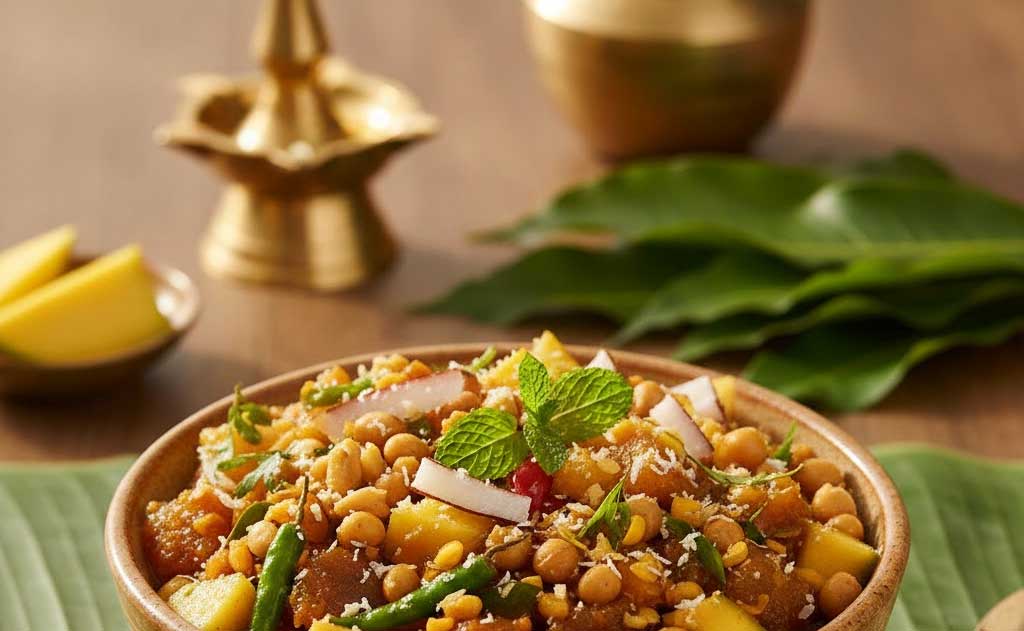
Introduction to Ugadi Pachadi Ugadi Pachadi is a sacred and symbolic dish prepared during Ugadi, the Telugu and Kannada New Year celebration. This unique chutney embodies the essence of life itself through its six distinct tastes, each representing different experiences we encounter throughout the year.
Introduction to Ugadi Pachadi
Ugadi Pachadi is a sacred and symbolic dish prepared during Ugadi, the Telugu and Kannada New Year celebration. This unique chutney embodies the essence of life itself through its six distinct tastes, each representing different experiences we encounter throughout the year.
In 2026, Ugadi falls on March 30th, marking the beginning of a new year according to the lunisolar Hindu calendar. Preparing Ugadi Pachadi is an essential ritual that reminds us to embrace all of life's flavors with equal grace and gratitude.
What is Ugadi Pachadi?
Ugadi Pachadi, also known as Bevu Bella in Karnataka, is a special chutney-like preparation made with six ingredients, each contributing a specific taste. The word "Pachadi" is derived from the Telugu word meaning "mixture" or "chutney."
This traditional dish is consumed as the first food on Ugadi morning, symbolizing the acceptance of all experiences that the new year may bring.
The Six Tastes and Their Significance
Ugadi Pachadi is a philosophical masterpiece in culinary form. Each of the six tastes (Shadruchulu in Telugu) represents different aspects of life:
1. Sweet (Madhuram) - Jaggery
Symbolizes happiness, joy, and pleasant moments in life.
2. Sour (Puluppu) - Tamarind
Represents challenges, difficulties, and unexpected surprises.
3. Bitter (Tiyyanundi) - Neem Flowers
Signifies hardships, sorrow, and bitter experiences.
4. Pungent/Spicy (Kaaramu) - Green Chili or Pepper
Represents anger, passion, and intense emotions.
5. Salty (Uppu) - Salt
Symbolizes interest, variety, and the zest for life.
6. Astringent (Tuvvapu) - Raw Mango
Represents fear, anxiety, and moments of uncertainty.
The combination of these six tastes teaches us that life is a mixture of different experiences, and we must accept them all with equanimity and grace.
Traditional Ugadi Pachadi Recipe
Ingredients
- Neem flowers (Vepa Puvvu): 1-2 tablespoons (fresh or dried)
- Jaggery (Bellam): 3-4 tablespoons (grated or powdered)
- Tamarind (Chintapandu): Small lemon-sized ball or 2 tablespoons pulp
- Raw mango: 2 tablespoons (finely chopped or grated)
- Green chili: 1-2 pieces (finely chopped)
- Salt: 1/2 teaspoon or to taste
- Water: 1/2 to 3/4 cup
Optional Ingredients for Enhanced Flavor
- Ripe banana: 1/2 cup (sliced) - adds natural sweetness
- Coconut: 2 tablespoons (grated) - for texture
- Black pepper powder: A pinch
Preparation Time
- Prep Time: 15 minutes
- Soaking Time: 15-20 minutes
- Total Time: 30-35 minutes
- Servings: 4-6 people
Step-by-Step Instructions to Make Ugadi Pachadi
Step 1: Prepare the Tamarind
Soak the tamarind in warm water for 15-20 minutes. Extract the pulp by squeezing and straining it to remove seeds and fibers. Set aside.
Step 2: Prepare Neem Flowers
If using fresh neem flowers, wash them thoroughly and drain. If using dried neem flowers, soak them in water for 10 minutes and drain.
Step 3: Prepare Other Ingredients
- Grate or finely chop the raw mango
- Grate or break the jaggery into small pieces
- Finely chop the green chili
Step 4: Mix All Ingredients
In a mixing bowl, combine all the ingredients:
- Add tamarind pulp
- Add neem flowers
- Add grated raw mango
- Add chopped green chili
- Add jaggery
- Add salt
- Add 1/2 cup of water (adjust consistency as needed)
Step 5: Mix Well
Stir all ingredients together until the jaggery dissolves completely. The pachadi should have a slightly thick, chutney-like consistency.
Step 6: Adjust Taste
Taste the pachadi and adjust the ingredients if needed. Remember, all six tastes should be balanced and distinct.
Step 7: Let It Rest
Allow the pachadi to rest for 10-15 minutes before serving. This helps the flavors to blend beautifully.
Tips for Perfect Ugadi Pachadi
- Balance is Key: Ensure that no single taste overpowers the others. Each flavor should be identifiable.
- Fresh Neem Flowers: If possible, use fresh neem flowers for authentic taste and maximum health benefits.
- Quality Jaggery: Use organic, unrefined jaggery for better taste and nutritional value.
- Consistency: The pachadi should be neither too thick nor too watery. Adjust water accordingly.
- Make it Fresh: Ugadi Pachadi tastes best when prepared fresh on Ugadi morning.
- Individual Preferences: Some families add ripe banana or coconut. Feel free to customize while maintaining the six essential tastes.
Health Benefits of Ugadi Pachadi Ingredients
Neem Flowers
- Powerful antibacterial and antiviral properties
- Helps detoxify the body
- Boosts immunity
- Good for skin health
Tamarind
- Rich in antioxidants
- Aids digestion
- Good source of vitamin C
- Helps regulate blood sugar
Jaggery
- Natural iron source
- Purifies blood
- Boosts energy
- Aids digestion
Raw Mango
- Rich in vitamin C
- Prevents heat stroke
- Improves digestion
- Boosts immunity
Green Chili
- Contains capsaicin
- Boosts metabolism
- Rich in vitamins A and C
- Anti-inflammatory properties
How to Serve Ugadi Pachadi
Ugadi Pachadi is traditionally served as the first food consumed on Ugadi morning, before breakfast. Here's how to serve it:
- Morning Ritual: After the traditional oil bath and prayers, family members gather together.
- Distribution: The head of the family or the eldest member distributes a small portion (1-2 tablespoons) to each family member.
- Consumption: Everyone eats the pachadi together, contemplating the year ahead.
- Accompaniment: It's typically eaten on its own, though some people consume it with rice or as part of the festive meal.
- Prasadam: Offer it to the deity first as prasadam before distributing to family members.
Cultural and Spiritual Significance
Philosophy of Life
Ugadi Pachadi represents the Hindu philosophy of accepting life's dualities with equanimity. Just as we consume all six tastes together without rejecting any, we must face life's ups and downs with equal acceptance and strength.
New Beginnings
Starting the new year with this symbolic dish sets the tone for embracing whatever comes with grace, wisdom, and balance.
Family Bonding
The preparation and consumption of Ugadi Pachadi brings families together, reinforcing cultural values and traditions across generations.
Seasonal Medicine
Consumed at the onset of spring, the ingredients—especially neem flowers—help prepare the body for seasonal changes and boost immunity.
Ugadi 2026 Celebration Guide
Date and Muhurat
- Ugadi Date: March 30, 2026
- Pratipada Tithi Begins: Check local panchang for exact timing
- Best Time for Pachadi Preparation: Early morning after sunrise
Ugadi Rituals Alongside Pachadi
- Oil bath before sunrise
- Decorating entrance with mango leaves (torana)
- Preparing rangoli/muggu
- Panchanga Shravanam (listening to the new year predictions)
- Preparing festive meals including Ugadi Pachadi
- Visiting temples
- Spending time with family
Variations Across Regions
Karnataka (Bevu Bella)
In Karnataka, the dish is called Bevu Bella, where "Bevu" means neem and "Bella" means jaggery. The preparation is similar but might include additional ingredients like coconut.
Andhra Pradesh and Telangana
The traditional Ugadi Pachadi recipe is followed with all six ingredients, with some regional variations in proportions.
Modern Adaptations
Some contemporary versions include:
- Addition of dates for extra sweetness
- Ripe banana for creamy texture
- Grated coconut for richness
- Different proportions based on family preferences
Common Mistakes to Avoid
- Too Much Neem: Excessive neem flowers can make the pachadi overly bitter
- Insufficient Jaggery: Not enough sweetness to balance the bitter taste
- Wrong Consistency: Adding too much or too little water
- Old Tamarind: Using stale tamarind affects the tangy flavor
- Skipping Ingredients: All six tastes are essential for the complete significance
FAQs About Ugadi Pachadi
Can I prepare Ugadi Pachadi the night before?
While it's best prepared fresh, you can prepare it a few hours ahead. However, traditional practice recommends making it on Ugadi morning for maximum freshness and significance.
What if I can't find fresh neem flowers?
Dried neem flowers work well and are available in Indian grocery stores. You can also order them online. Some people use neem leaves as an alternative, though flowers are traditional.
Can children eat Ugadi Pachadi?
Yes, children should be introduced to this tradition. You can reduce the bitterness by using fewer neem flowers for young children while explaining the significance.
Is Ugadi Pachadi vegan?
Yes, traditional Ugadi Pachadi is completely vegan and plant-based.
How long can I store Ugadi Pachadi?
It's best consumed fresh. If needed, it can be refrigerated for up to 24 hours, though the taste and texture may change.
Can diabetics consume Ugadi Pachadi?
Diabetics can consume it in small quantities. Consider reducing jaggery or using alternative natural sweeteners after consulting with a healthcare provider.
Conclusion
Ugadi Pachadi is much more than a culinary preparation; it's a profound life lesson served in a bowl. As we welcome Ugadi 2026 on March 30th, let this traditional chutney remind us to embrace all experiences with wisdom, acceptance, and gratitude.
By preparing and consuming Ugadi Pachadi, we honor ancient traditions while setting positive intentions for the year ahead. The six tastes teach us that life's completeness comes from experiencing its full spectrum—the sweet and the bitter, the exciting and the challenging.
May this Ugadi bring you and your family happiness, prosperity, and the strength to face all of life's flavors with grace.
Happy Ugadi 2026!
Have you prepared Ugadi Pachadi before? Share your family's special recipe or variations in the comments below. Let's celebrate this beautiful tradition together!
You might also like
Ugadi Festival Recipes 2026 Complete Traditional Guide

Ugadi 2026 Family Devotions: Building Bonds in Parabhava Hindu Year

Ugadi 2026 Puja Vidhi: Step-by-Step Devotional Guide for Parabhava Hindu New Year (NRI Edition)
